
By
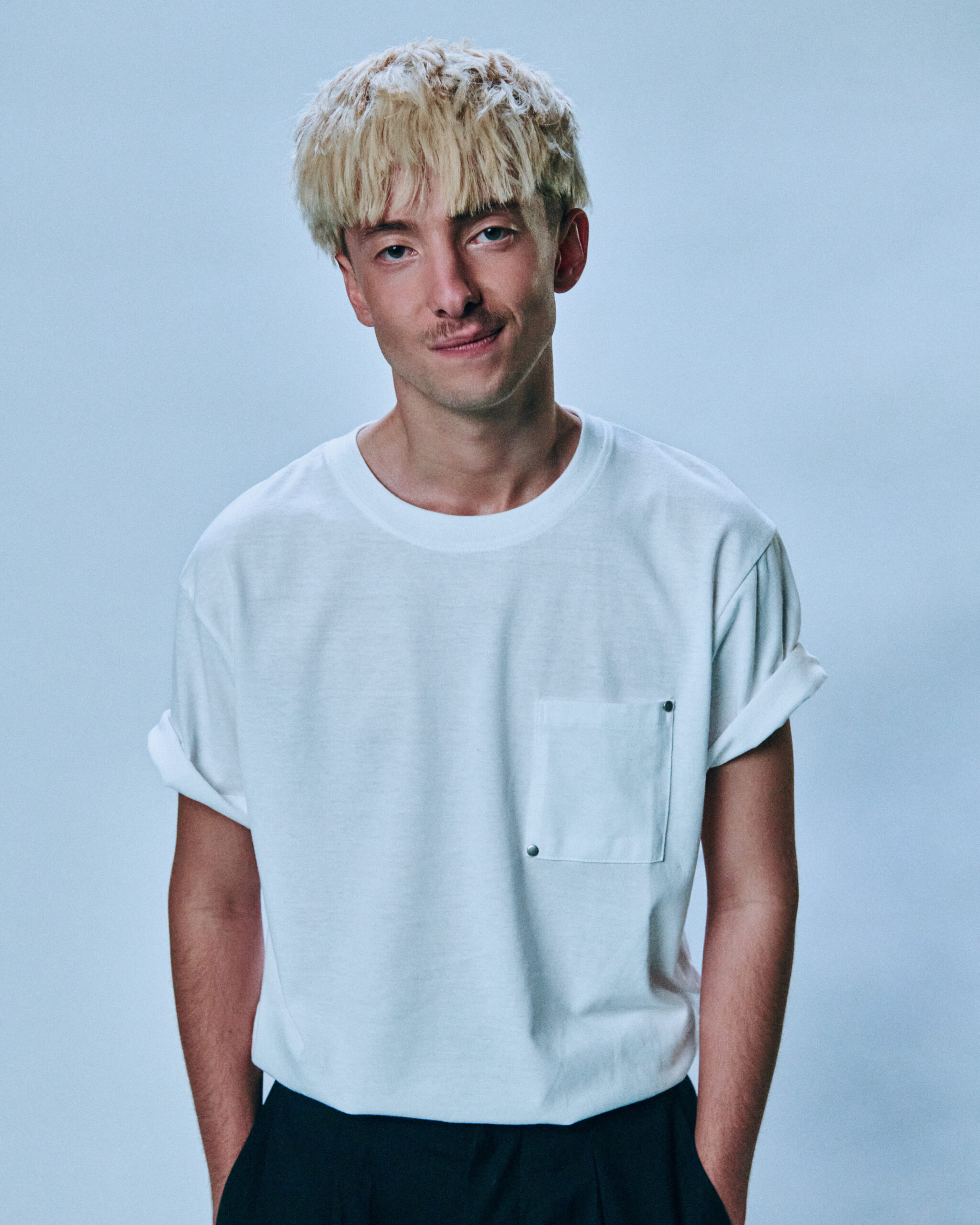
To look at Joe Bird is to see the face of international horror’s thrilling new wave. At just 19 years old, Bird possesses a magnetic, crackling charisma that practically hums through the room.
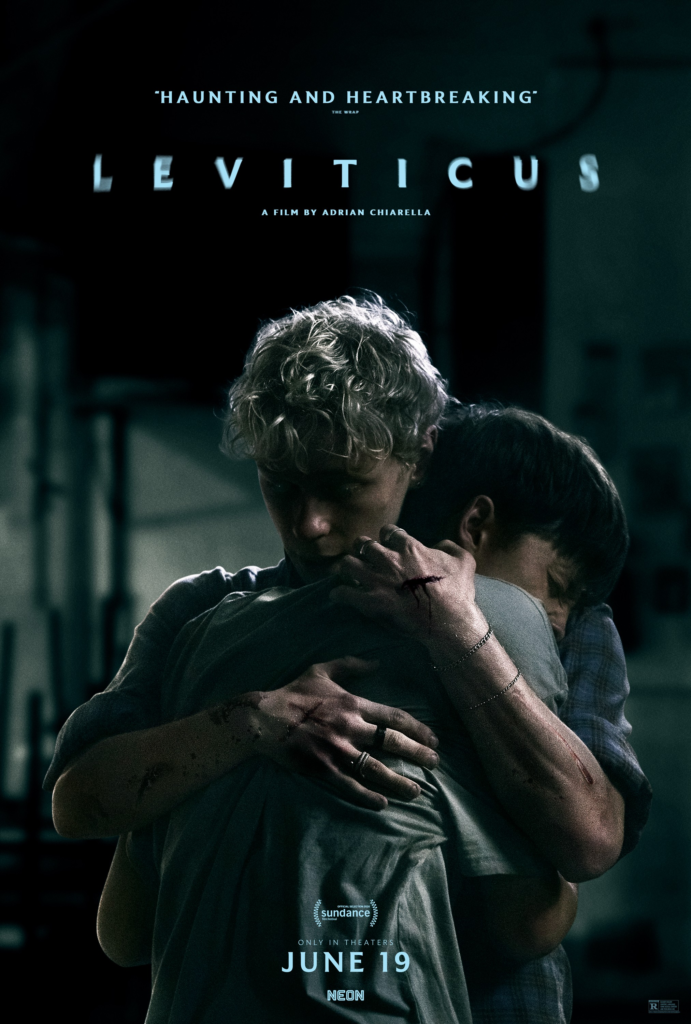
Most audiences recognise him from his breakout role as Riley in A24’s smash-hit Talk to Me. Bird delivered a physically bruising, emotionally raw performance that haunted audiences long after the credits rolled. Today, he’s re-teaming with Adelaide production powerhouse Causeway Films (The Babadook, Talk to Me) for a lead role in Leviticus, a queer genre-bender directed by Adrian Chiarella in his feature debut—a deeply atmospheric, metaphor-heavy exploration of a gay teenager fighting a literal and psychological monster.
Bird’s journey with the craft began much earlier. Not many know that he was born in Leeds, England, before his family moved to Adelaide when he was just a toddler. By the age of six, he was begging his parents for acting classes, which he eventually received as a ninth birthday gift and dedicated his time to until he was sixteen.
Adelaide, South Australia, is famously nicknamed the “City of Churches.” However, the moniker comes with an unsettling historical myth: the former murder capital of the world.
“It’s very Leviticus-coded, in a way,” Bird says with a knowing, razor-thin smile.
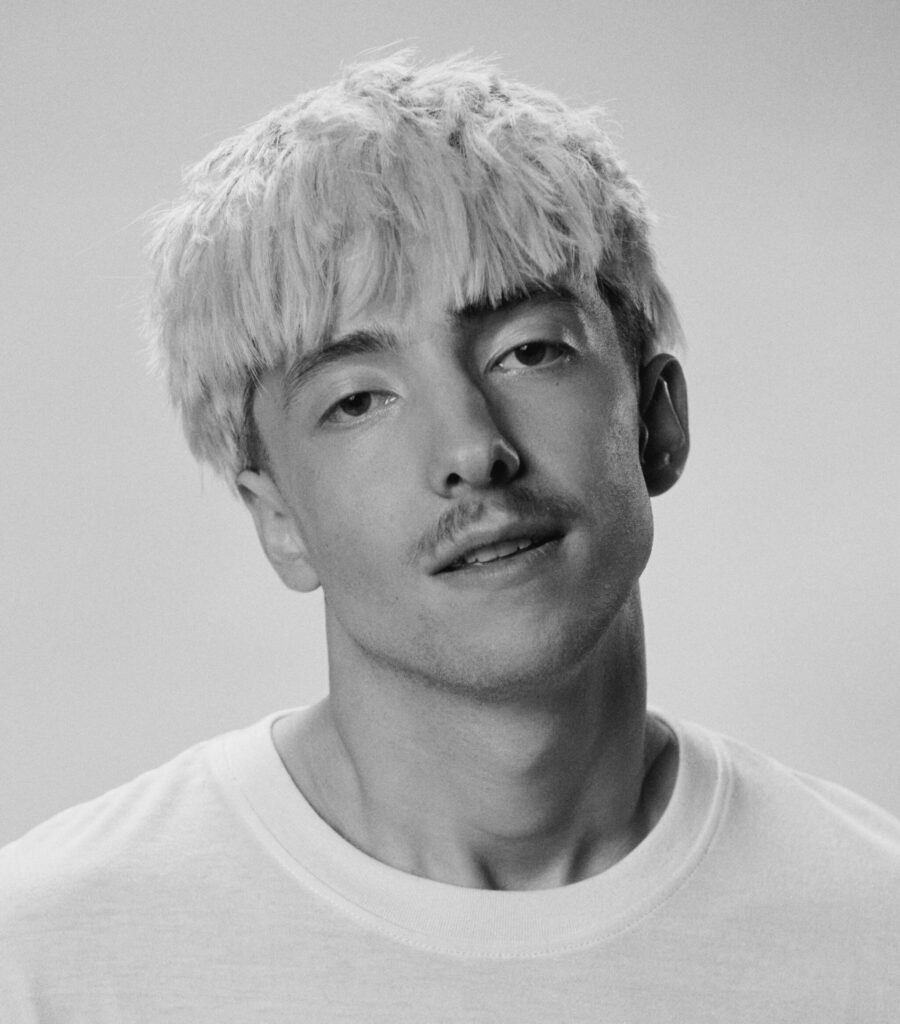
Sitting down with Bird, he speaks with an open, unchecked passion—sentences tumble out of him fueled by a deep, soulful artistic fire.
“I think like an artist would,” Bird explains, citing some of his biggest inspirations: Madonna’s shocking swerve from pop royalty to a jazz album for Dick Tracy; Janet Jackson taking absolute agency on Control; the unapologetic self-actualisation of Charli XCX and Addison Rae.
“I love when artists are always doing different things, whether or not it gets the response they wanted, because it’s all about challenging yourself. It’s about staying authentic to yourself—and the public catches up and appreciates it eventually.”
For Bird, acting isn’t just about executing lines on a page. It’s an exercise in pure, spiritual expression. He views acting and music as deeply intertwined, almost identical mediums of connected storytelling.
“I see music as the exact same thing as film,” Bird says, his voice bright with intensity. “You’re evoking an emotion. An instrumental track is like a silent film—there’s no sound, but you still get emotion from it. Songs tell stories like films tell stories. Creativity all intersects at one point, and that point is just expression. You’re hopefully connecting to someone.”
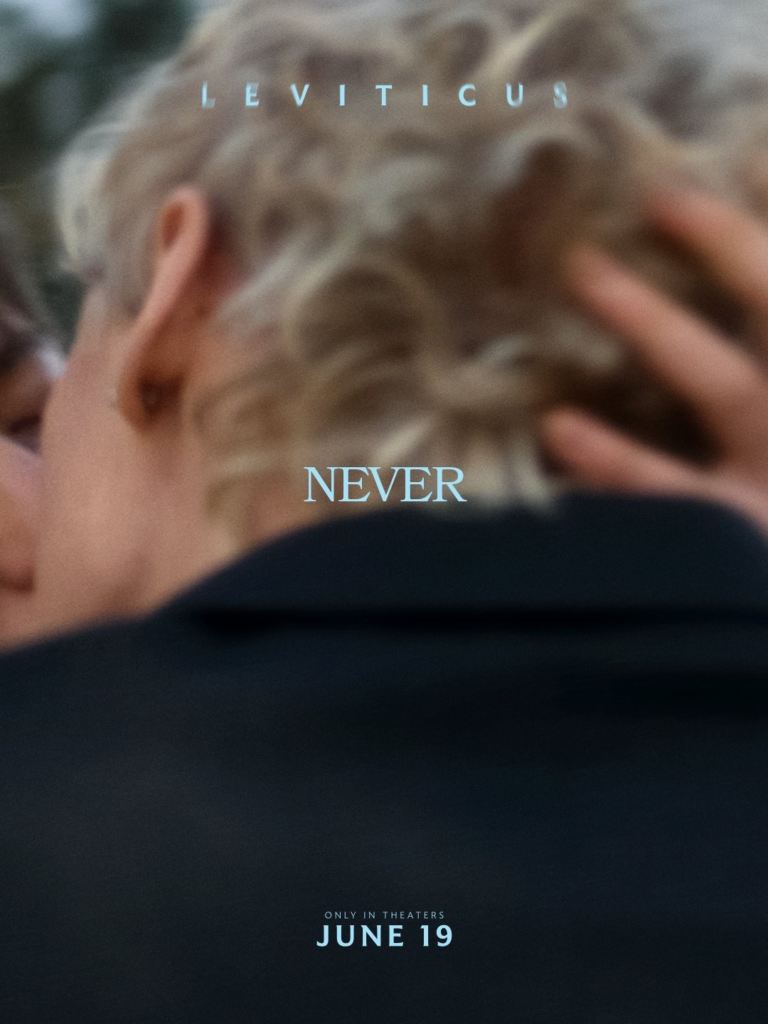
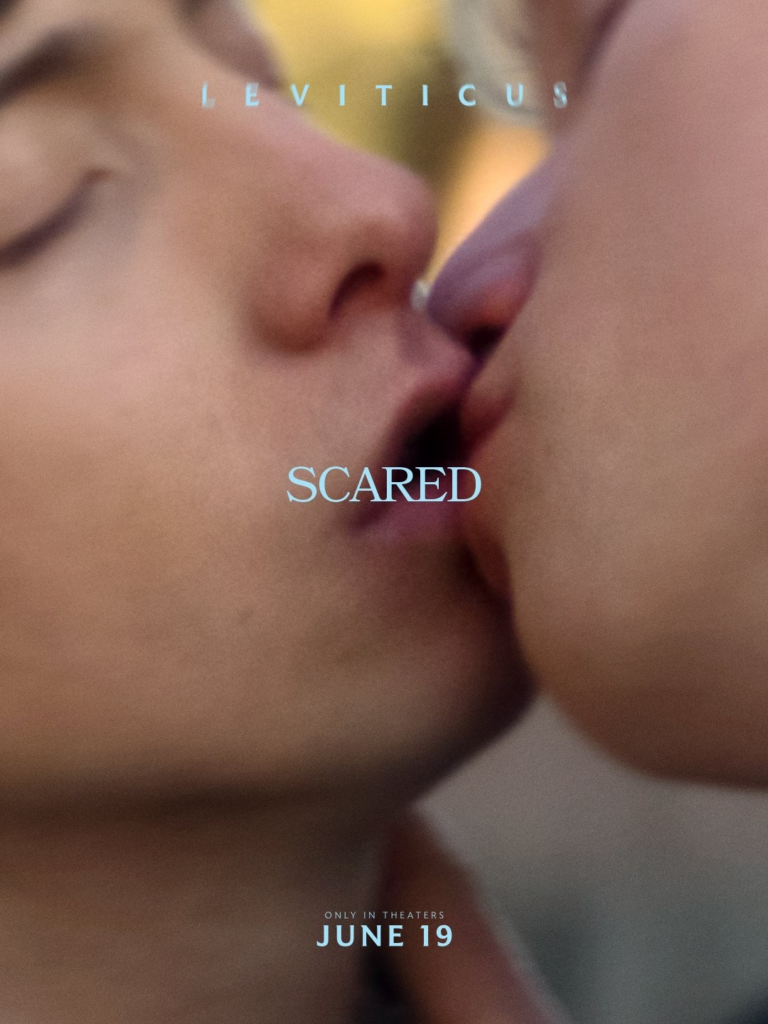
That unwavering dedication to connection is what drives him. Upon first reading the script for Leviticus, Bird was so struck by its vulnerability and raw power that he refused to let his audition speak for itself. In a move that highlights his fearless approach to the industry, he tracked down writer-director Adrian Chiarella’s email address and sent him a deeply personal letter.
“I sent him songs and colors and all these influences, things I responded to in the script,” Bird explains. “Why would I want to work with someone who isn’t excited that I’m passionate about the script? I thought, what’s the worst that happens? I wanted to work with someone who knew exactly how passionate I was about the project.”
The gamble worked. The letter laid the foundation for a “beautiful working friendship” between the 44-year-old first-time feature director and his 19-year-old lead.
That creative connection had begun even earlier. The first time Bird read the full script, he was on a bus heading to Bondi Beach to meet a friend. Completely absorbed by Chiarella’s writing, he missed multiple stops and nearly forgot about the plans he’d made. “I started reading and got so lost I missed all my stops,” he recalls. “I forgot I was meeting my friend.”
For Bird, that reaction was a sign. Great scripts don’t simply tell stories; they pull you into an entirely different world.
Once on set, Chiarella utilised unique methods to foster authentic intimacy among his young cast. In a brilliant move to build genuine trust, vulnerability, and a shared vocabulary of fear, Chiarella sent Bird and his co-star, Stacy Clausen, into a local escape room together during pre-production.
“Adrian wanted us scared around each other,” Bird smiles.” So, we could be vulnerable and build that connection.”
Again and again throughout our conversation, Bird returns to one word: authenticity. It is this uncompromising authenticity that Bird pours into Leviticus. The film follows teenage protagonist Naim as he battles a terrifying monster that serves as a literalized metaphor for homophobia within a deeply religious community.
“What stuck out on the first read was that this monster is a metaphor for homophobia.”
Drawing from his own high school experiences in a Catholic environment where homophobia was quietly prevalent, Bird sought to build a performance around the subtle, devastating nuances of internalised fear and self-preservation.
At nineteen, Joe Bird may already be one of horror’s most exciting young performers. But speaking with him, it quickly becomes clear that acting is only one part of the story. What drives him is something larger: a relentless desire to connect, to create, and to remain unapologetically himself while doing it.
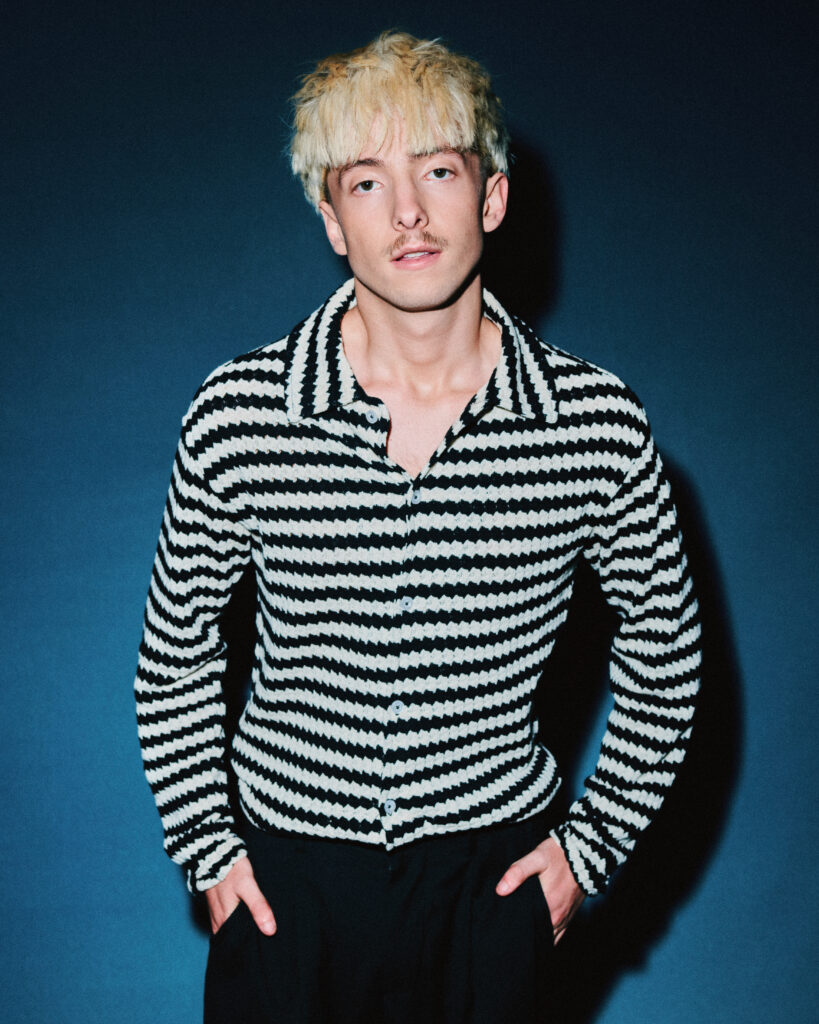
Below, Bird discusses Leviticus, fear, filmmaking, and why art is ultimately about connection.
Q: What was your inspiration for playing Naim?
Joe Bird: A big inspiration came from watching Mikey Madison in Anora. She was just so incredible, and what I loved about her performance was that she had this guard up. In everyday life, everybody has a guard up subconsciously, whether they’re close with someone or not. You could tell the vibe of what she was feeling, but not exactly what she was thinking — and that’s how humans are. It comes down to keeping everything really simple and authentic and grounded, because that’s where the magic comes from.
Q: What was the process like for booking this role?
I remember getting the synopsis through my email, I was at school with my friends, it was lunchtime, and I wasn’t allowed on my phone, so I snuck it out of my pocket. I was reading it, thinking, “I’ve never seen anything like this done before.” It really stuck out. As an actor, you’re always excited, and it’s really good when you connect to a project.
I auditioned, and it turned into an in-person callback, kind of a workshop with Stacy and Jeremy and a couple of other actors. Stacy was going for all three roles, and Jeremy was going for two, and I was only going for Naim, so — kudos to them, they had to learn so many lines. It’s a real testament to Nikki Barrett, who cast this film, and to the way Adrian and Causeway Films work, because instead of having one person come in, do their thing, and shuffle out, we played all these different dynamics. I think that works because you can see how someone actually works on a set.
“I’ve never seen anything like this done before.”
Q: Did the callback include you and Stacy having scenes together?
The interesting thing was that Stacy was going for Naim, Ryan, and Hunter — the three characters in the workshop — so I acted alongside him while he was Hunter, and again while he was Ryan. What a lot of actors need to understand about casting is that you’re not a bad actor if you don’t get a role, it just doesn’t fit you. You don’t want to be miscast in something because that’s not going to work for you. It was interesting because I’m from Adelaide, so I’d never really met anyone in my age range going up for the same roles. When I met Jeremy and Stacy for the first time — they’d been auditioning for the same stuff as me, I remember one night watching an audition Jeremy had done that I’d also done, and it was just so different. Everyone is so unique.
Q: Was there a specific scene that shifted the way you looked at your character?
Naim makes this decision halfway through the film, which acts as the catalyst for the rest of it, and when I first read that, it was really jarring, but what I liked was that he wasn’t perfect. Everyone in this world is flawed. I have flaws, you have flaws, and that’s what makes us interesting, hopefully good people who’ve experienced negative things that shape us. When it comes to a role, you can’t judge what your character does; you have to come up with justifications.
I found myself doing that with all the characters, with Arlene, I can understand why she’d put her son in harm’s way, because at the start, her husband, my dad, has died, and that’s why she’s seeking solace in this community. She’s just seen another boy die from this thing, and she wants to protect her son. She’s seen as the villain, I’ve seen a lot of audience reactions saying that, and I understand it, and that’s what’s really good about making characters.
Towards the start, we wanted to show that contrast, with Naim hanging out with Ryan and being his comfortable self. In the script, the scene where they’re sharing a joint had a direction that said this is the first time Naim feels like he’s talking like himself, just being comfortable with who he is. Then, when you get to the scenes at church or with family members, you can see the difference.
“Hopefully queer audiences can watch someone just being themselves and see how much happier they are than when they’re not.”
Q: What steps did you take to prepare for all of your scenes, drowning in fear?
During pre-production and filming, I was thinking that this film is from Naim’s perspective, so the emotions filter through my character first and then to the audience. I really had to keep them grounded so they’re believable. I’ve been acting for such a long time that I’ve merged everything I’ve learned into my own process. I let music influence me a lot, I make playlists for my characters, so I’ll have an Air Pod in pretty much every time apart from when I’m actually filming.
With the fear, I love doing fear-rooted activities, like roller coasters or escape rooms. Adrian got me and Stacy to do an escape room together because he wanted us scared around each other, so we could be vulnerable and build that connection. Beyond that, the fear just comes from trusting everyone around you. It’s hard to explain, but it kind of just comes.
Q: Was there one scene in particular that was more of a challenge?
There’s a counselling scene where Naim is sort of coming out — we filmed it on the second day, and reading it in pre-production, it was the one I was most scared of, because it was a scene without any of the main cast and it was heavily emotional. I knew it was important, so I asked Adrian if I could sit in a room by myself beforehand with my AirPods in. I remember listening to “Self Control” and “Seigfried” by Frank Ocean on repeat, and “Making the Bed” by Olivia Rodrigo, and “Landslide” by Fleetwood Mac. It was really challenging beforehand, but what was so great about this set was that everyone put in 100% and were so supportive that by the time we got to the day, it felt like we were on a playground, having fun, figuring out different alternatives.
It was one of the best experiences of my life. I could shout out literally everyone on that cast and crew, even the caterer, Jasper, made the most amazing food on set. Everyone plays a part.
Q: Was there a moment with the crew that broke the tension?
We’d just finished pre-production, going into the weekend before we started filming — we were doing pre-production at a warehouse in Melbourne, and right next to it were these DJ rave houses. Lucy, our production secretary, came up to me, Stacy and Jeremy and said she could get tickets for a rave going on that night, and we were like, yes, let’s invite everyone in the office.
Whoever wanted to come did, and it was a really great time — we were all dancing, having a few drinks, being really vulnerable with each other. That’s what I love about film sets: you meet so many different people and become best friends with people you never thought you would. That definitely broke the tension, because we’re all there serving the same purpose, and we just want to have fun while we do it.
Q: By the end of the film, where do you imagine Ryan and Naim’s lives go from here?
With that ending, what really stuck out to me — reading it, filming it, then watching it — was that I hope audiences take whatever message they want, because I really believe art is subjective. What I take from the film is that these boys, the decision my character Naim makes, is choosing to live in hope and not in fear. I think that’s very prevalent today. There’s still going to be a lot of hate in this world, but we need to find the right people we connect to, who make us feel loved — and that self-love as well, because you need to love yourself first before you can let the love into your life.
As we wrapped, Bird left me with one final reference: “Midnight Sun by Zara Larsson. If you don’t know the reference — go on Spotify and listen to it right now. Consider it homework.”