By
The first time Luciane Buchanan stepped onto an Evil Dead set, her job was to keep a child safe. The second time, her job was to tear a family apart.
On Evil Dead Rise, shot in her native New Zealand, Buchanan worked as a chaperone and body double for nine-year-old Nell Fisher, standing in for the shots Fisher’s legal working hours wouldn’t allow, and keeping her company through the tutoring and breaks in between. A friend in production knew she understood how sets worked and asked her to help out. “I was like a babysitter for a little bit,” she says. “I had no idea that I would eventually be in the franchise.” Then, in late 2024, an audition for Evil Dead Burn landed in her inbox.
Laughing at the coincidence, Luciane sent in her tape anyway, thinking, imagine if I actually got this part? A New Zealander landing a role in this franchise was almost inevitable. Producer Rob Tapert, who is married to Lucy Lawless, likes to bring his productions home, and Evil Dead has been drawing on Kiwi crews for years. But almost nobody crosses from the call sheet’s margins to its center. When the producers came back, it was to say that they really liked Lucy for the role, and no, nobody had remembered her. “They were like, ‘Oh, this girl was looking after Nell,’ but it had no influence over me getting the part of Thya.”
On paper, Buchanan’s Thya is someone you know: a people-pleaser, a woman who bites her tongue and works overtime to be the good girlfriend to her boyfriend, played by Hunter Doohan, who doesn’t quite deserve her. For audiences who met Buchanan in The Night Agent and Chief of War, where she played composed, capable female characters, this casting could almost be read as typecasting. Which is why what happens next hits even harder. In Evil Dead Burn, director Sébastien Vaniček drives Sam Raimi’s 1981 creation into its darkest chapter yet. The Naturom Demonto is opened once again, leaving a fractured family to fight for survival until dawn, and no one in it suffers quite like Thya.
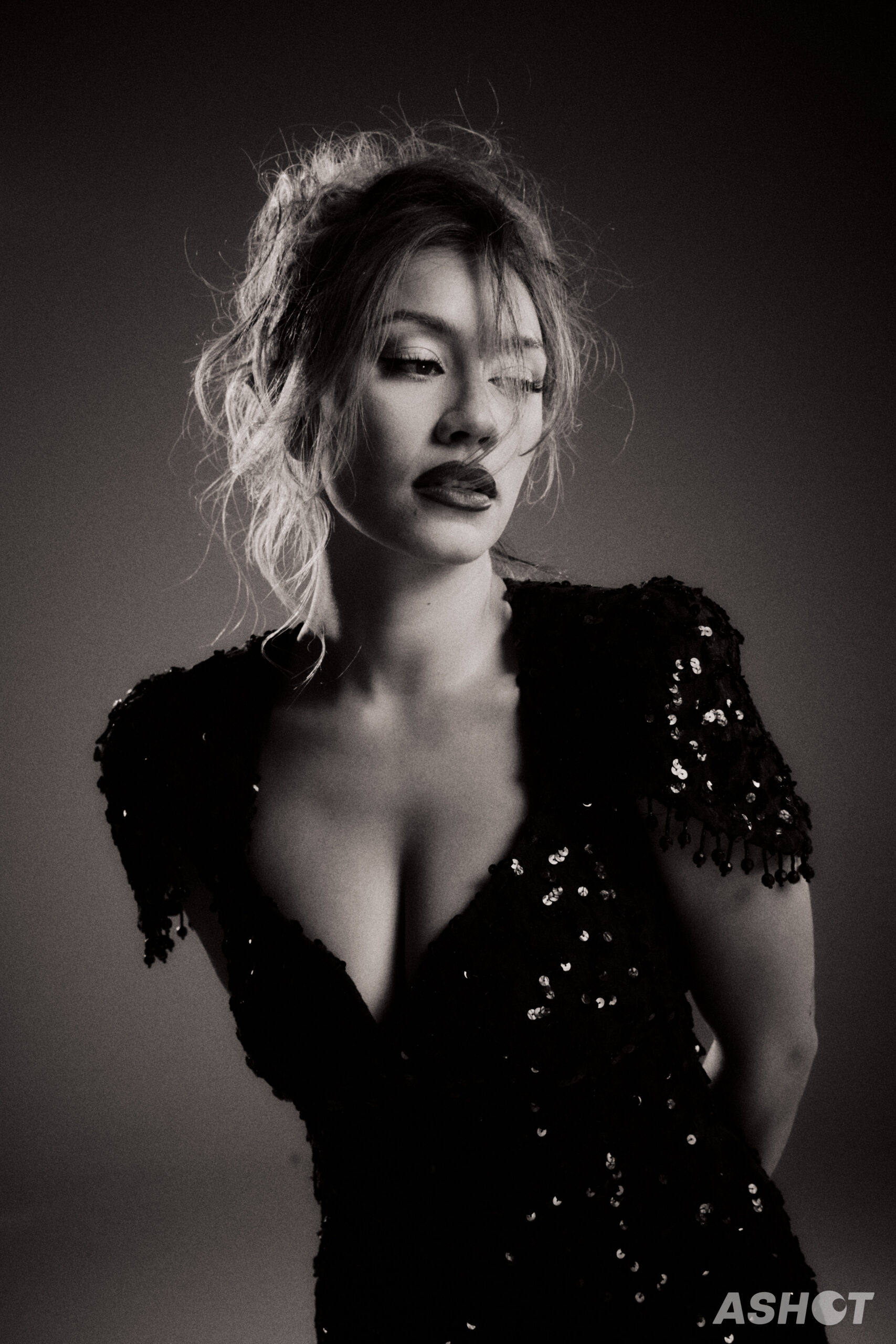
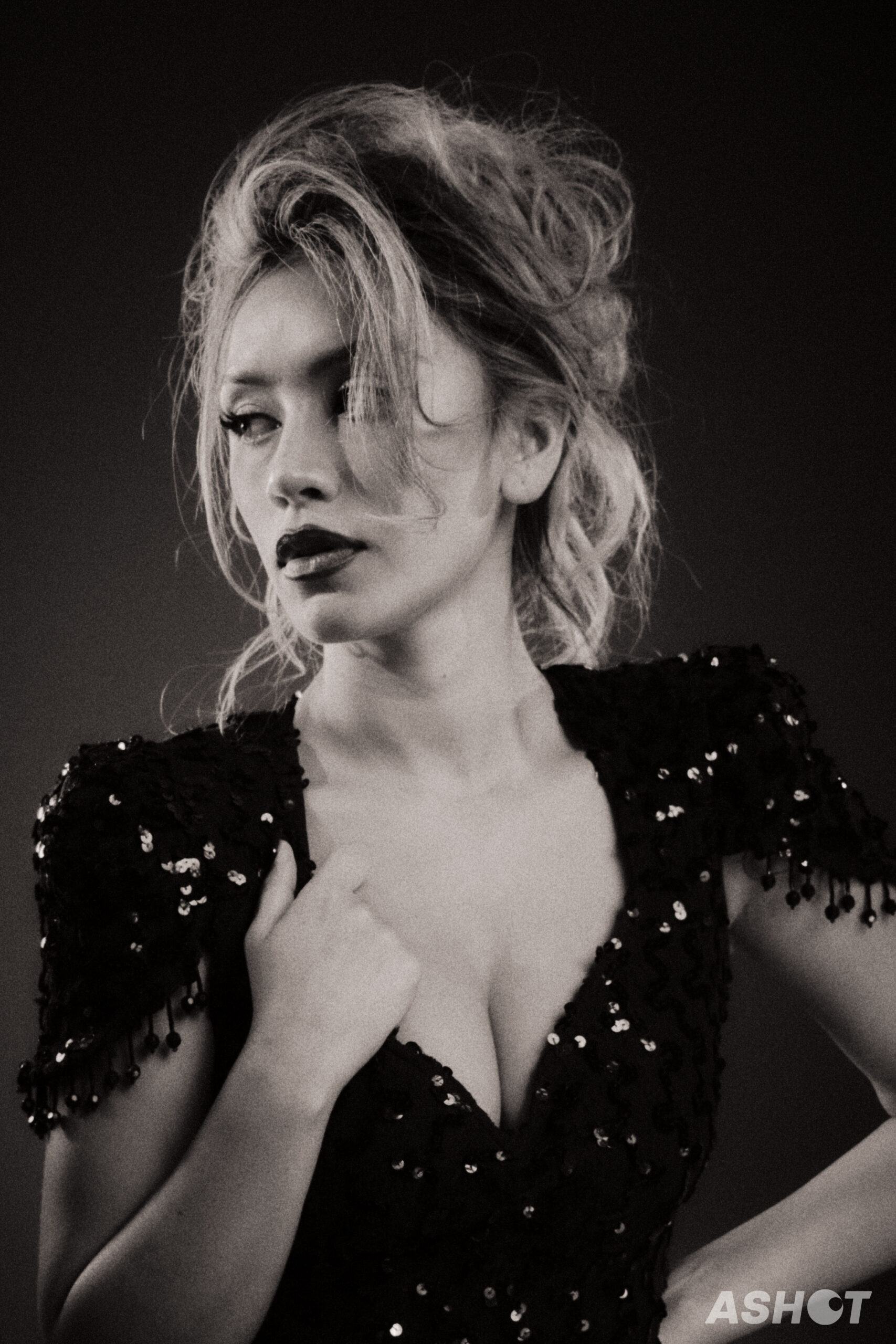
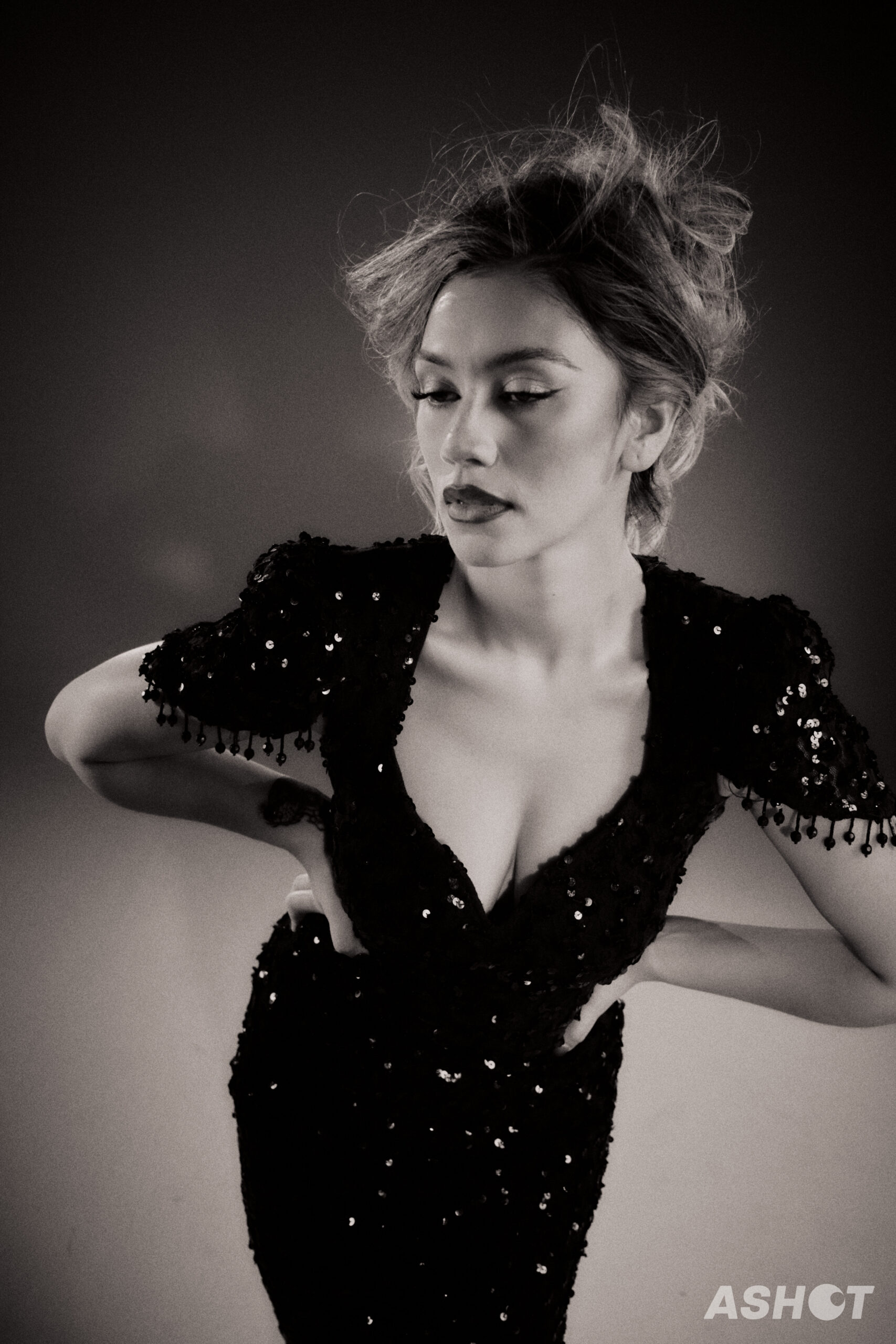
Buchanan, who finally planted a base in Los Angeles last year after years of “living in suitcases” between New York and wherever the work was, studied psychology before she ever studied a script. The degree was meant to be the sensible fallback if the acting dream didn’t work out; instead, it followed her into the job. “We love to break down characters and apply all these theories,” she says. “But really, on the day, you throw it away and just commit to the role.”
No theory covered Thya. With the stunt team, Buchanan spent days practicing how a possessed body walks, crawls, moves, pulling scenarios straight from the script. How would they end up on a dishwasher? How would they react in the car?
“We watched crazy videos of lionesses. Just how they observe prey. Our Google history is quite crazy.”
For a moment in the car where things get, in her words, “a little bit sore” for her character, they studied the physics of real pain. “There were some videos of children falling over, they didn’t immediately cry. It’s the shock of seeing blood or bruises, and then they scream. We took real-life things and added them to the character.”
All that research still couldn’t quiet the most ordinary fear an actor can have: what if the fans hate this? “I felt the pressure a lot, because this is such a beloved franchise. I was like, ‘Oh gosh, what if they hate all of these choices?'” The doubt held until her first full fitting, when hair, makeup, and wardrobe finally assembled the creature she’d been building in pieces. A crew member glanced over and said she looked cute. “That’s not the goal,” Buchanan told her. “We’re not trying to be cute here.”
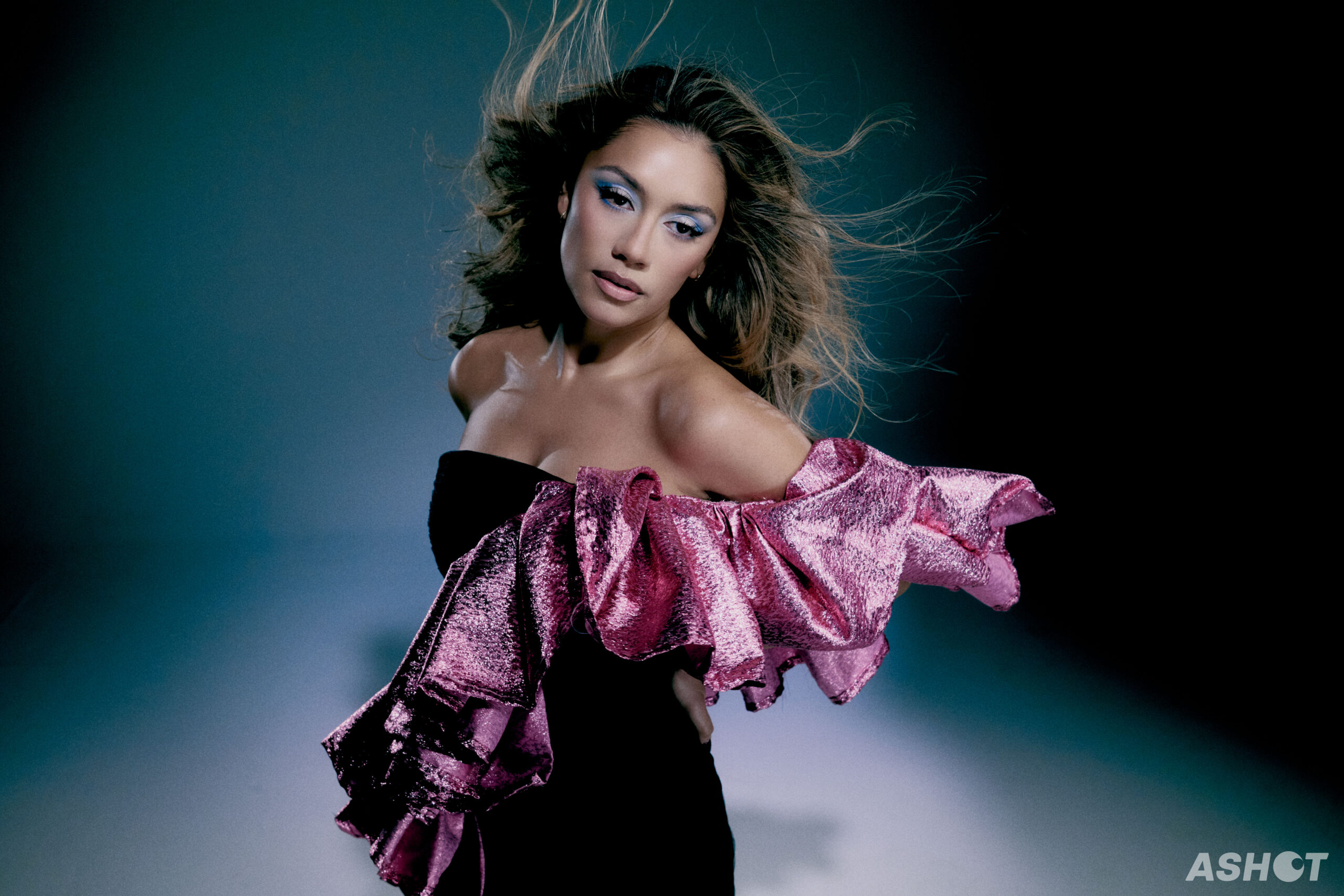
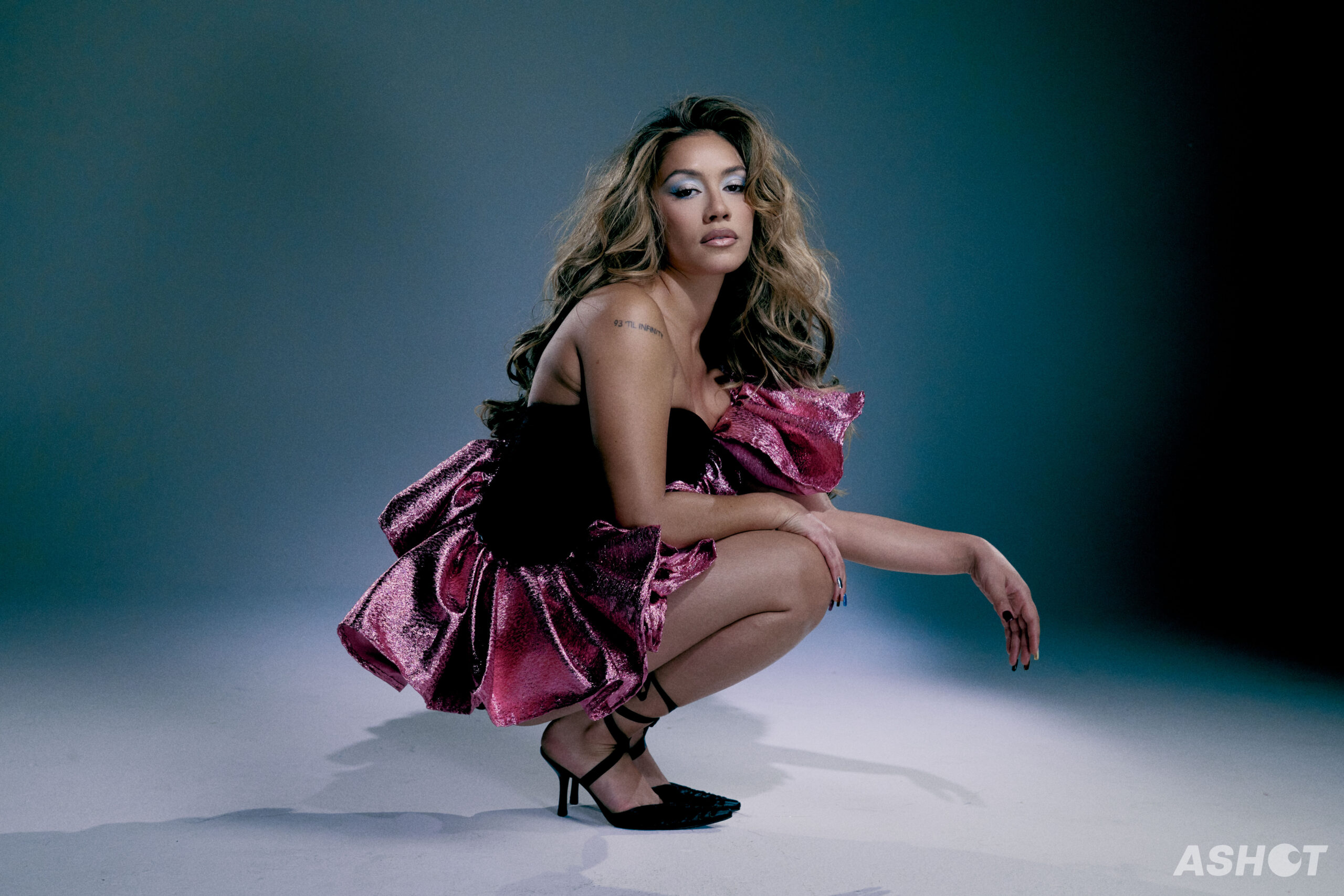
She wasn’t exaggerating. The wound audiences carry out of this film isn’t inflicted by a demon at all. It happens in a car, in front of the man who loves her, and he runs.
“There’s no doubt they love each other at the beginning,” Buchanan says. When she first read the scene, she knew immediately what it meant for her co-star: audiences were going to despise him. Doohan knew it too, and fought anyway. In the original script, the couple held hands and he simply let go. Doohan pushed for something crueler and more human – a beat of him watching it happen, guilt spreading across his face, fully aware that, as he put it, no one was going to care about him for the rest of the film. “He really fights for the integrity of his character,” Buchanan says. “Sébastien was really good at taking a pause and listening to what we had to say, to make these characters a little more redeemable.”
It didn’t redeem him. At screenings, when his character finally creeps close for a horrified reaction shot that is too little, far too late, audiences laugh at him. “I know our screenings had that reaction too,” she says. “I was like, thanks, guys!”
It’s at that moment that Thya stops being the girl who bites her tongue, and what follows is a demon that is all at once funny and sassy and mean. She taunts the family she’s dismantling with mocking kiss-offs (‘it’s not his style’), devolving into a character that Buchanan feels like she has been waiting her whole career to play. “The coolest part of doing this job was that we’re not hiding behind vanity,” she says. “A lot of films and TV, especially for women, portray characters who are quite contained and put together. So when you get an opportunity to throw all of that out the window and just let loose, it’s so exciting. My motive was to make this family as uncomfortable as possible, to become a complete departure from the girl at the beginning.”
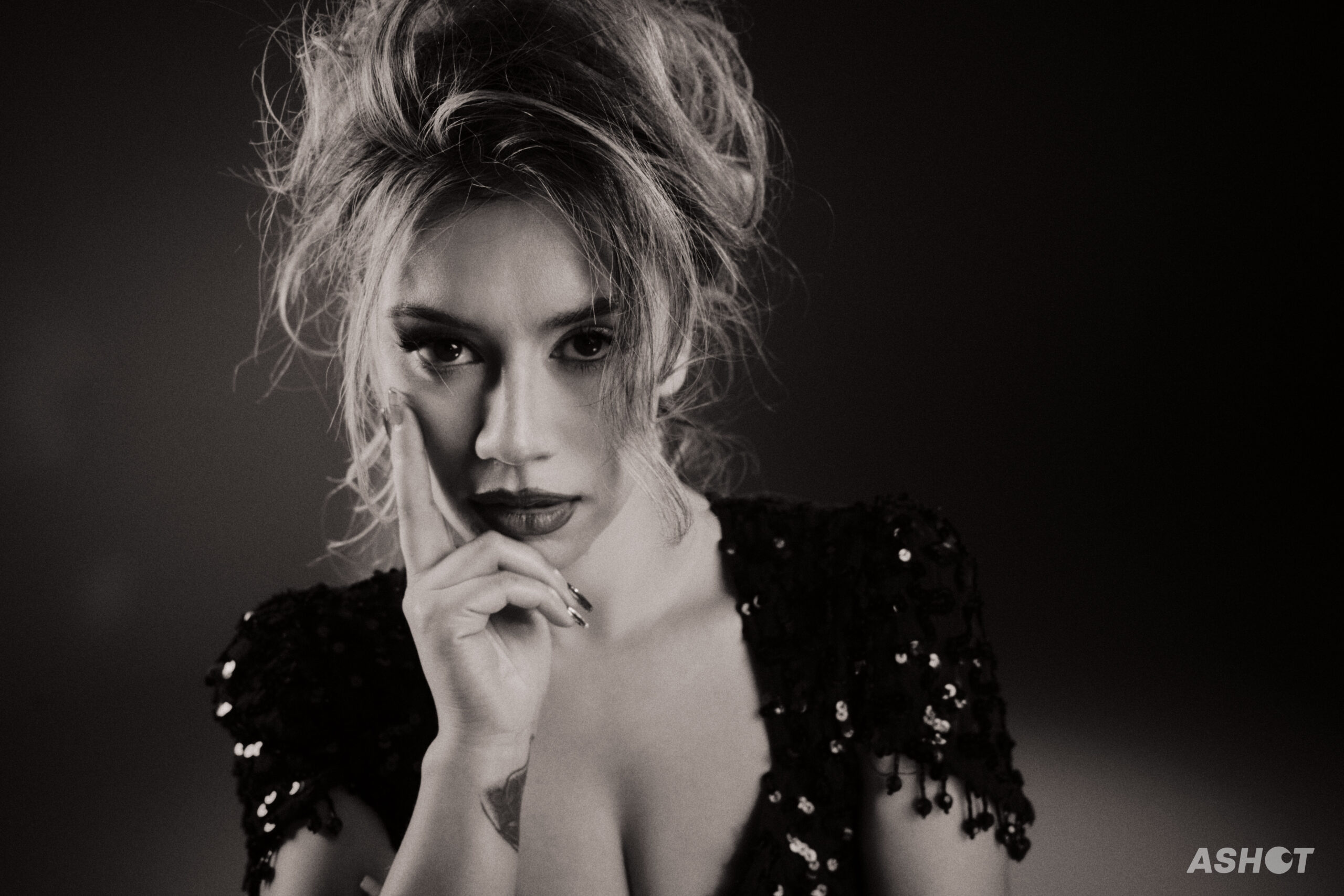
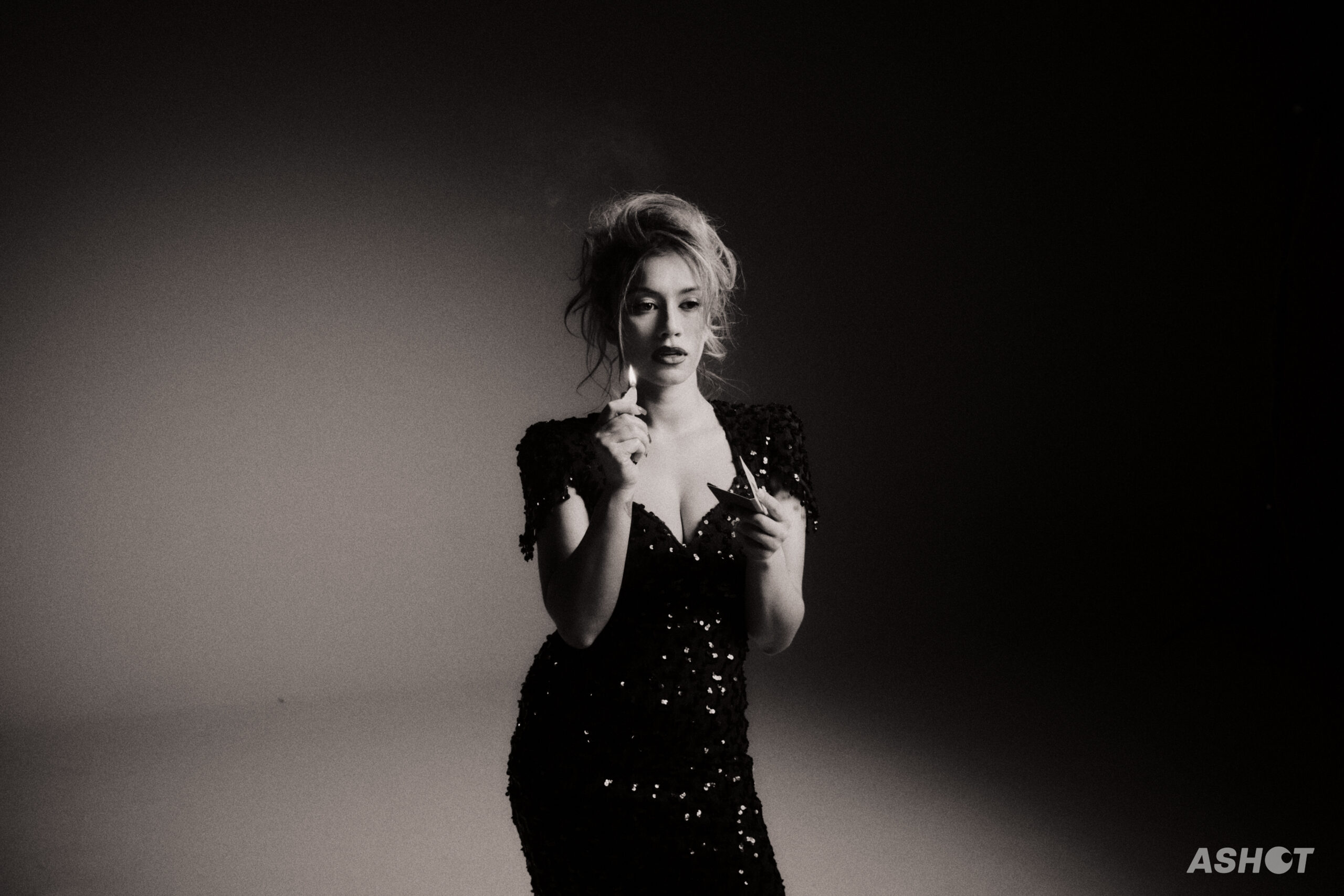
To build that departure, she went back to the films she grew up loving. She studied Alyssa Sutherland’s Ellie in Evil Dead Rise, including that iconic smile, which she insists no one can replicate, and Jane Levy’s Mia in the 2013 film, Evil Dead, stealing small things, like what they did with their eyes. She took Thya’s costume home and walked around Auckland in the character’s Doc Martens, hunting for her stride. “I think we’ve all got a little crazy somewhere deep within us,” she says. “We just don’t have opportunities to play it out.”
“So I’m glad I got to be a little bit of a freak in this one. It was a challenge, but it was so fun. There was never a day that we weren’t laughing.”
But that fun had to be earned daily. Evil Dead remains a temple of practical effects, and every morning an art department worker named Tom would meet her with the day’s assignment: today it’s the candle, tomorrow the headrest, then a corkscrew. The candle had been carved into a donut shape, wick still burning real fire, while a thin smoothie was poured through it and Vaniček shouted directions from the monitors. Stick your tongue out. Do this. “On film sets, I’m like, I know they can’t hurt me here,” she says. “So I’m just really trusting. It was so fun. So silly.”
The headrest was another story. That stunt, in which the headrest ends up somewhere a headrest should never be, took sixteen takes, the frame so tight that a few millimeters of drift ruined the shot, Buchanan resetting from nothing to screaming again and again. Horror, she was learning, is a deeply technical genre: scenes shot in fragments, out of order, with no runway. “Learning how to go from nothing to crying and screaming in five seconds of what’s going to end up in the film was really tricky,” she says. She watched Souheila Yacoub and Doohan do it effortlessly and studied them the way she’d studied the lionesses. The stunt team, who she’s known for years, prepared her the way they always do; test the harness first, see if she can actually do it, and then rehearse endlessly. “I was in a broken car, constantly.”
Even shooting at home offered little relief. The homecoming was no holiday: the moment she landed, she went a month without a day off, weekends swallowed by recovery, friends’ kids’ birthdays promised and missed. Pickup at four in the morning, in the chair until seven thirty, and by ten a.m. her body insisted it was midday, with eight hours still to shoot. “There’s a certain amount of stamina and patience you have to have,” she says. “The physical aspects were very tiring, but I’m happy I did it. We survived.”
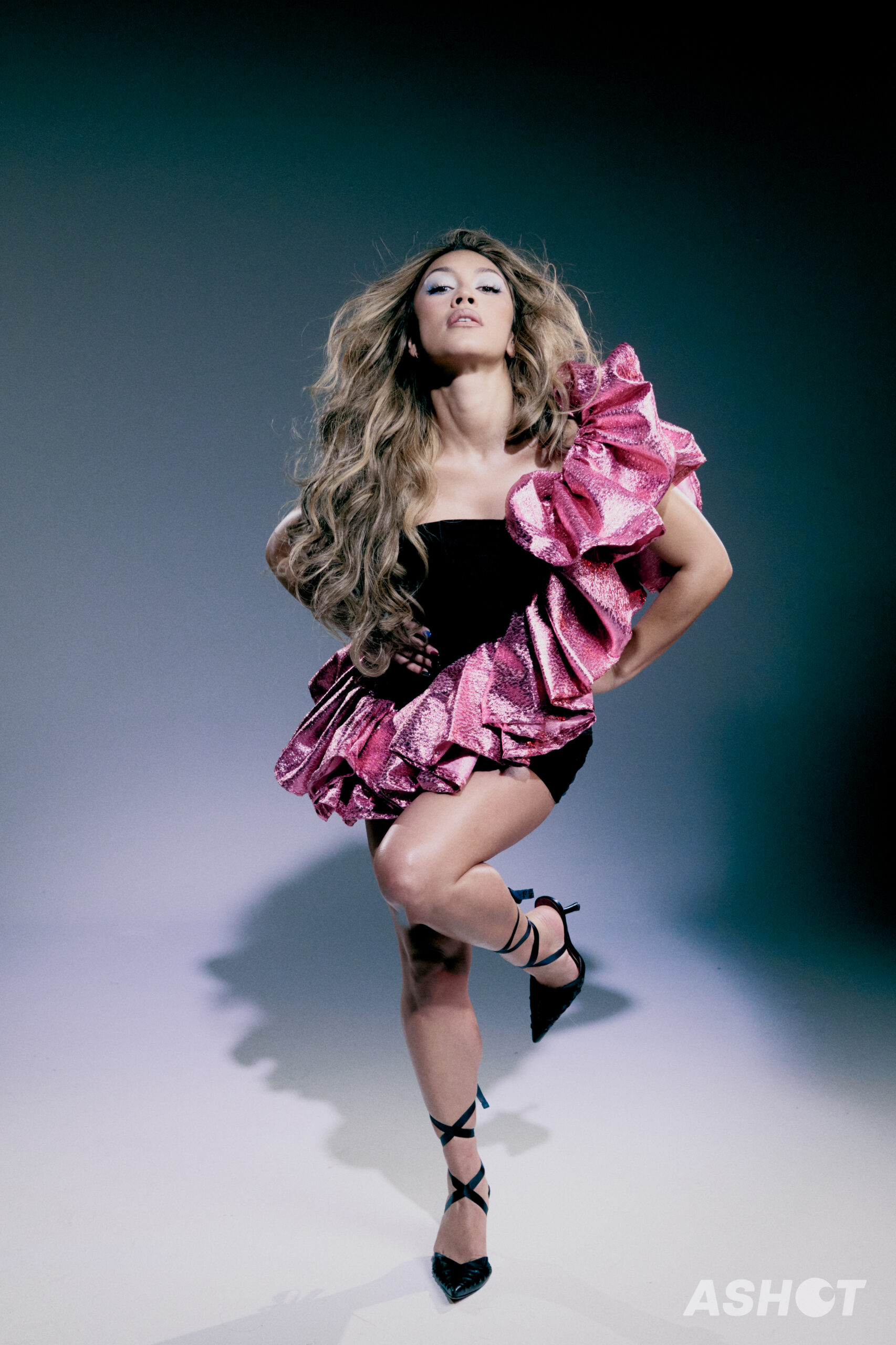
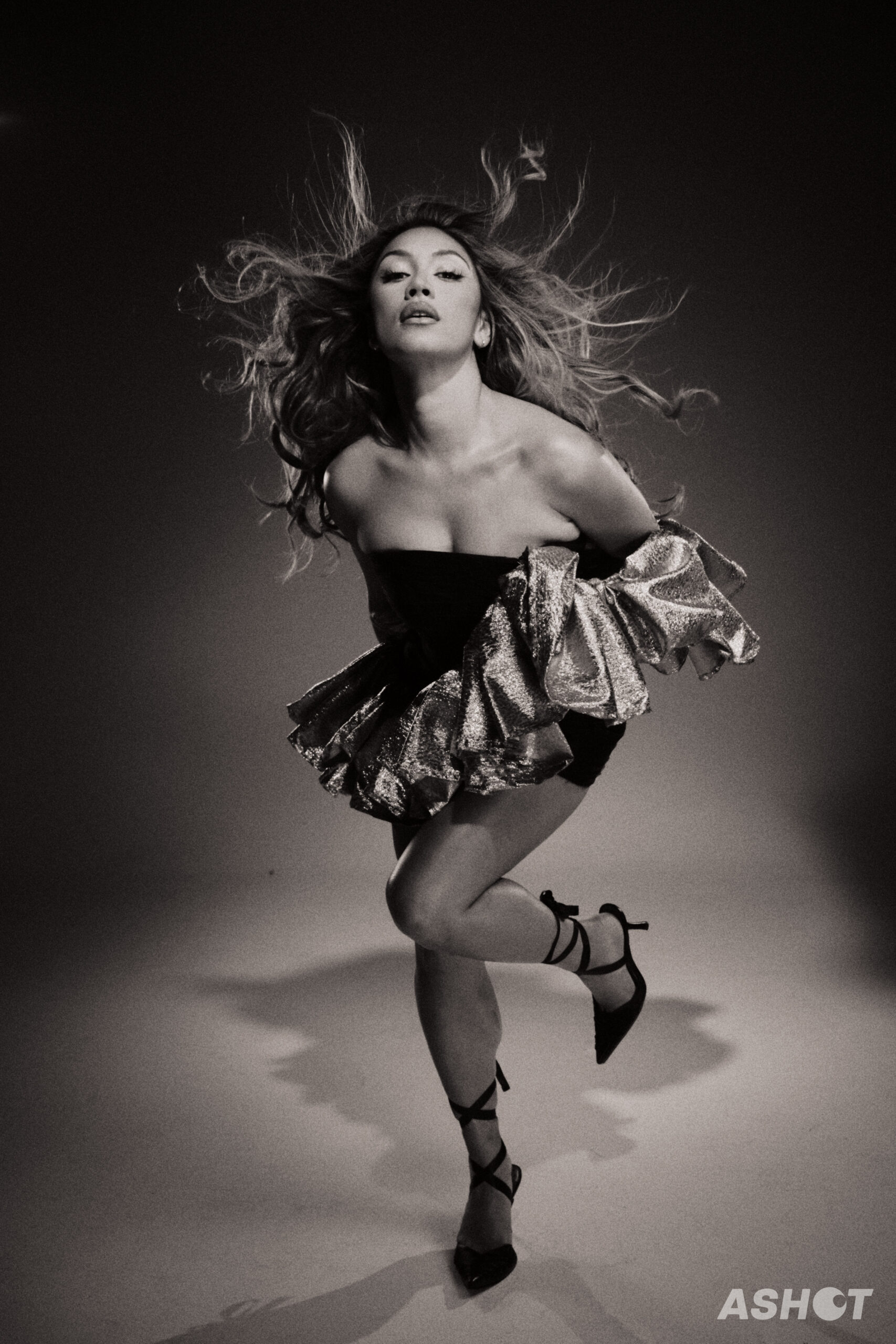
Some of the film’s grossest inventions, though, happened without her entirely. Watching the finished cut, she kept discovering what the crew had built on her days off — including a bathroom scene involving a razor that finally made her flinch. Her own limit came at her character’s grand finale. “I was literally sitting at the monitors, and a bunch of the crew were like, ‘Are you okay? Is this weird to watch?’ I was like, ‘I’ve got a little bit of a headache watching that. A little migraine.'”
When asking Buchanan where she thinks this chapter sits in the franchise, she doesn’t hesitate. “This is the most brutal one, with a dash of humor.” This era of Evil Dead is darker in its themes, and Vaniček and cinematographer Phillip Lozano shot it in ways the franchise has never been shot before. That, to Buchanan, is the secret of its longevity. The identifiable constants remain: the Book of the Dead, the question of who survives until dawn, while everything around them keeps reinventing itself. There’s no Bruce Campbell this time, no Ash, but she believes audiences will root for Souheila Yacoub’s Alice just as hard. Even the title card reinvents itself: this one literally blows up, which she ranks proudly on the brutal end of the franchise’s scale. (Her favorite title card of all time, for the record, isn’t horror at all, it’s the way Atlanta folded its titles into the shot, with Star Wars as the eternal runner-up.)
If she seems unusually at peace with all this destruction, credit her parents. The first Scream was the first horror film she ever watched, at home, with them. “Bad parenting on their end, but I guess I’m desensitized now as an adult.” Her cousin once bought tickets to a PG film and snuck her and her brother into The Grudge. She and her brother begged to watch The Ring and won on one condition: no running into their parents’ room afterward to sleep in their bed. She’d seen every Evil Dead long before joining one. But when asked to pick a favorite, she lands on a draw, naming the 2013 film as the spookiest, but Evil Dead 2 as the most fun. “It’s always had a special place in my heart,” she says of the genre. “I wouldn’t go as far as calling myself a connoisseur, but to me, it’s one of the most creative genres of film.”
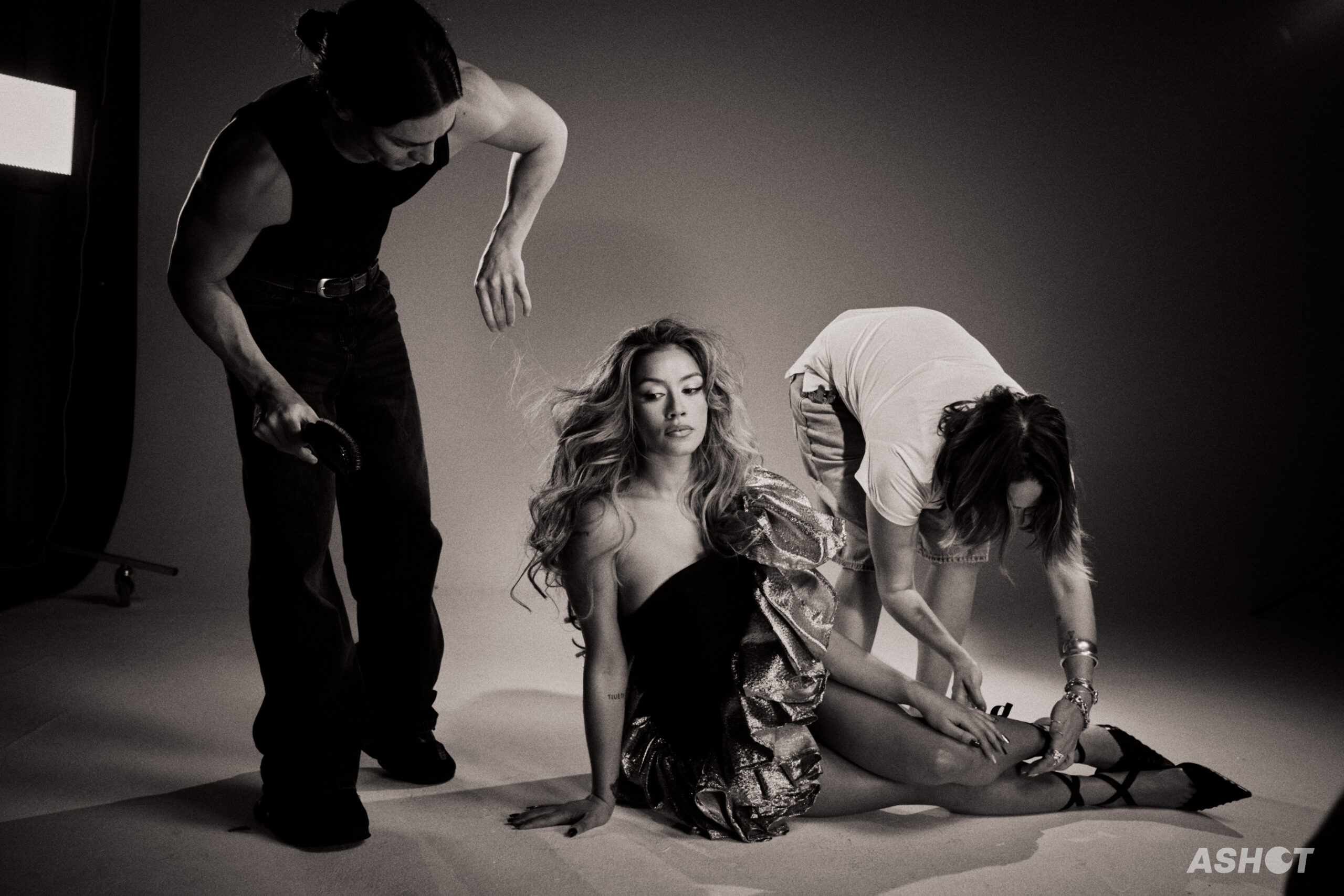
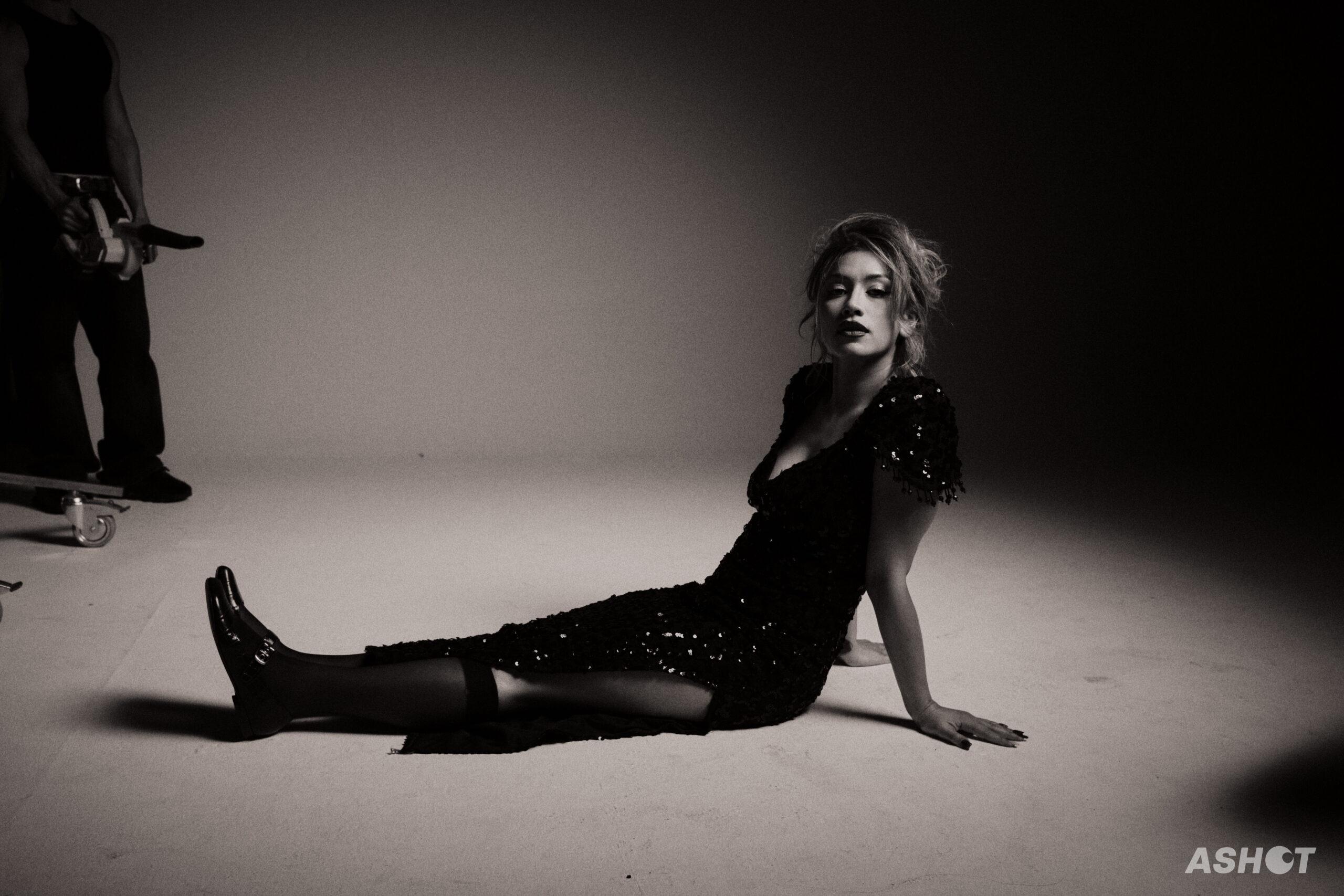
That creativity, she thinks, is what’s pulling audiences back into cinemas, young directors finding new things to be afraid of. This year alone, Kane Parson’s Backrooms made liminal spaces terrifying, and Curry Barker’s Obsession turned modern dating into a curse. Buchanan has seen this payoff from both sides of the screen, remembering a fan screening in Los Angeles that was so loud it felt “like a concert,”, while a Paris audience sat quiet and respectful, taking it all in. “You cringe together. You scream together. You laugh together. Kudos to the horror fans who keep this cinema experience alive.” Now, the young girl that was snuck into The Grudge is the reason cinemas erupt, sometimes at her expense. When Thya meets her end, Buchanan has witnessed whole audiences erupt into cheers. “That’s enough,” she jokes. “Calm down!”
But this whirlwind reaction has done little to scare her off. She wants more horror, and she’s already scouting the territory. Mid-shoot, she and Doohan slipped out to a cinema to watch Zach Cregger’s Weapons, the demon and the deserter on a horror-movie date. Cregger tops her list of dream collaborators, and when she starts naming franchises she’d join, she talks herself into terror in real time: she lists The Exorcist, before wondering if that’s too terrifying. Hereditary is next, which is equally as terrifying. But Buchanan is fearless. She’s in anyway.
Beyond the blood, there’s one more thing she wants. Buchanan is proud of her Tongan heritage, and she takes a moment to highlight the progress she’s been seeing in genre casting. Yacoub, her lead, is Tunisian, Swiss, and French. But she makes a point to clarify that she chooses her roles for the work, not to tick a box. “I love my culture, and I love where I’m from,” she says. “But I also just want to play a woman who gets to be in a horror franchise, where her culture is not explained. She’s just there. I want to do sci-fi where maybe those elements aren’t explored as well. If I get the opportunity to represent my culture, that’s the coolest. But I don’t want to be bound to just that.”
Five years ago, she was the one keeping a child safe from the chaos of an Evil Dead set. Now she is the chaos, boots on, blood-soaked, and in the running with everyone else.
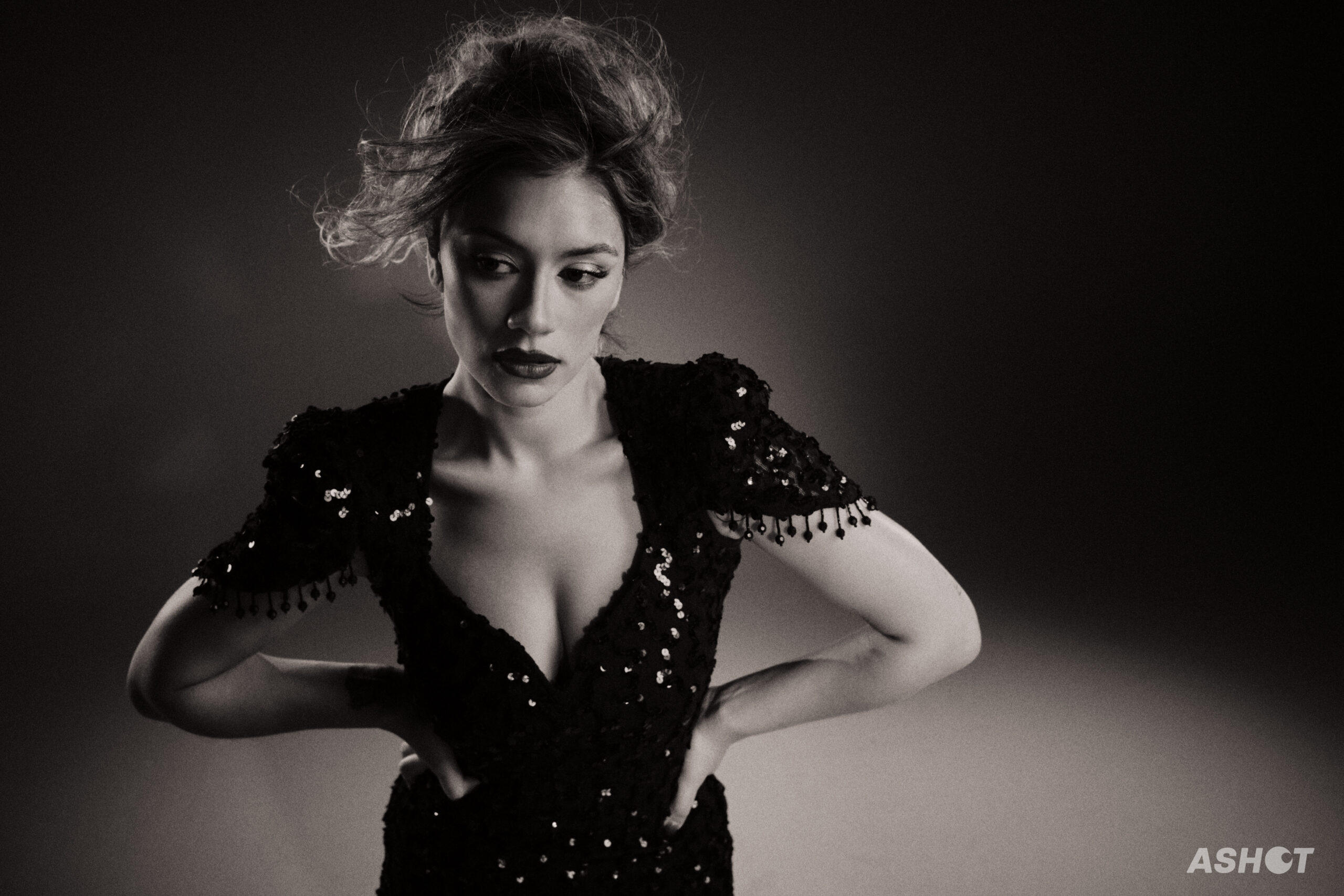
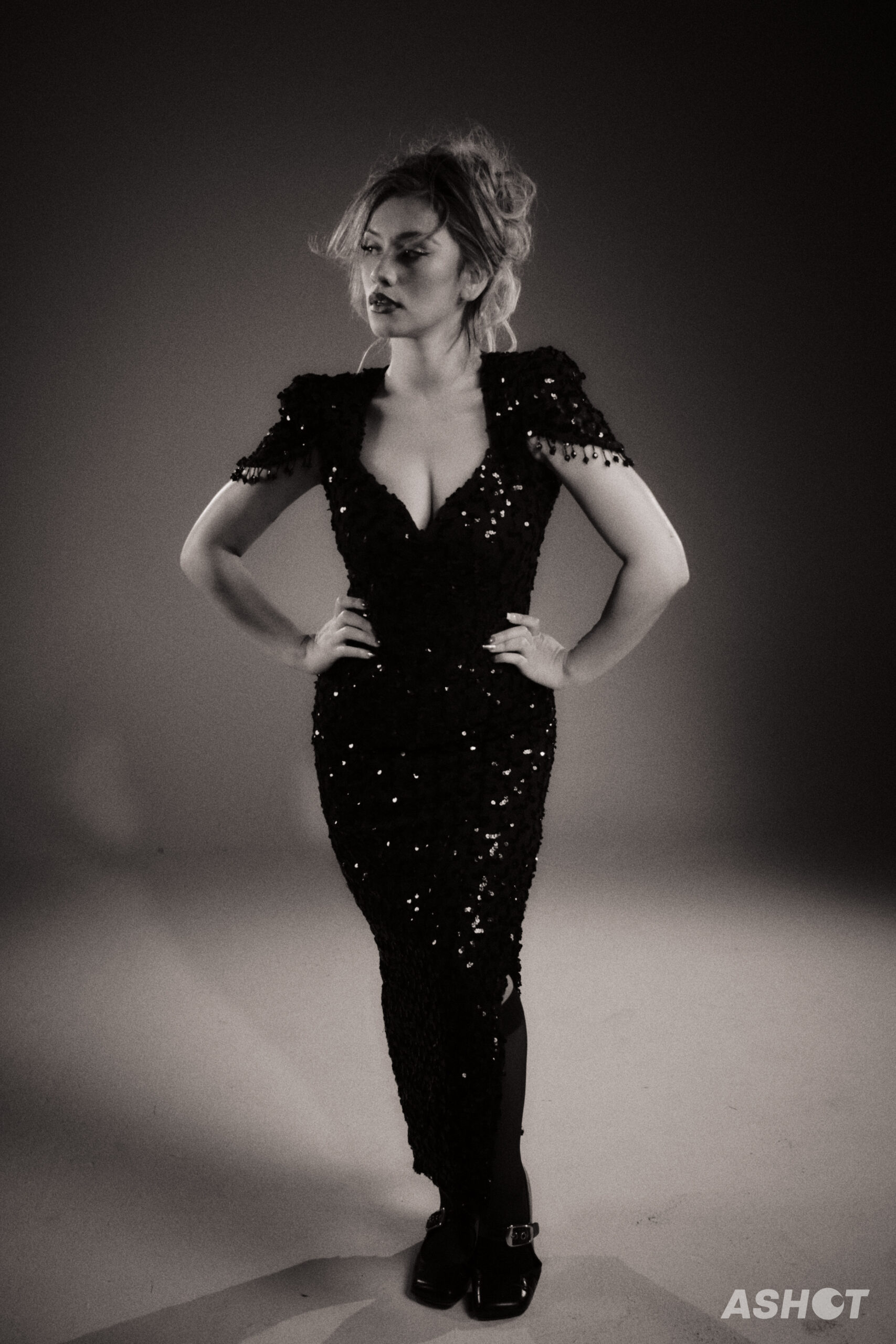
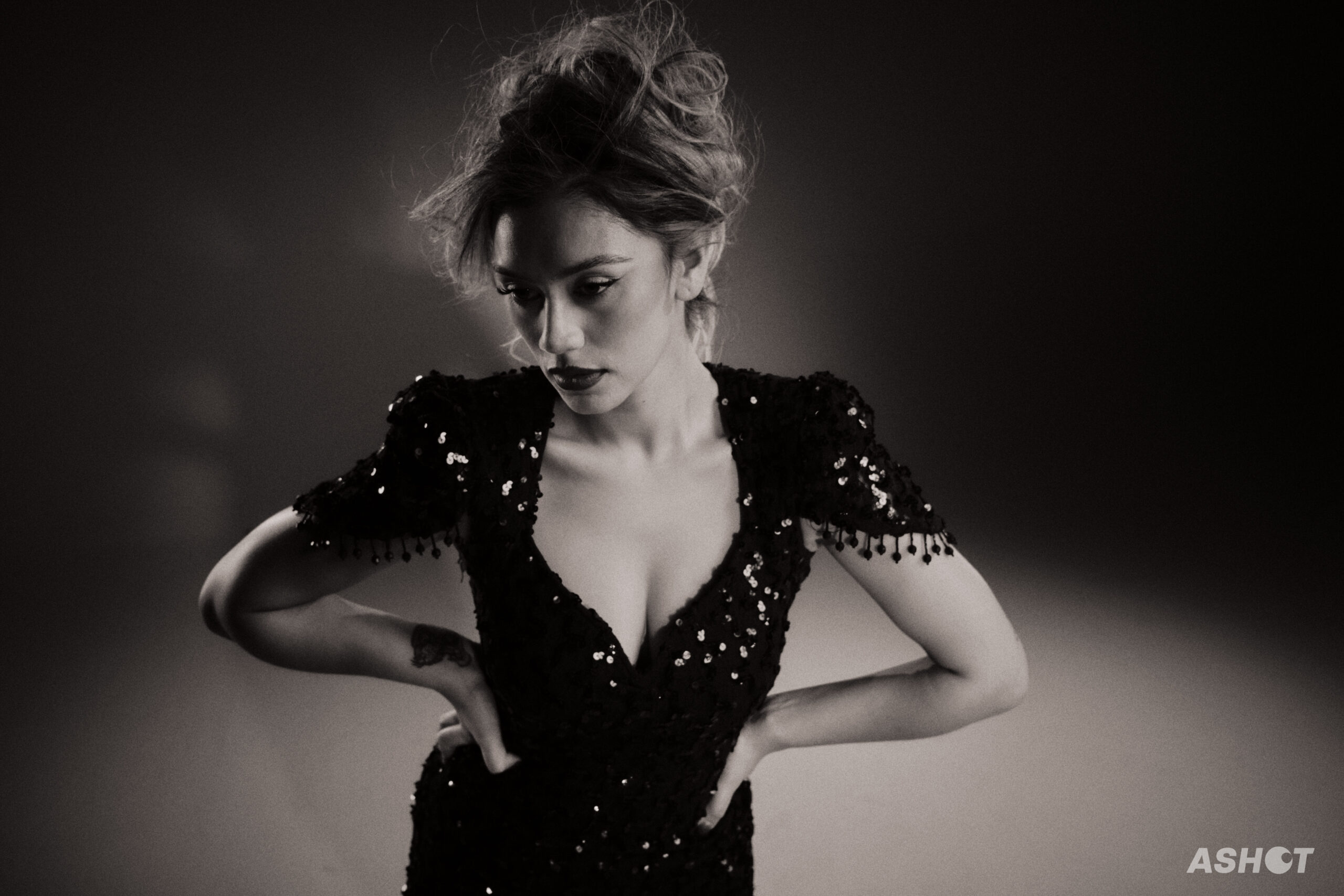
- Photography. @ohreallywowthatscrazyyy
- Styling. @monigarate
- Hair. @jayb.hair for @sharkbeautyuk / @colorwowhair
- MUA. @jordangiang for @armanibeauty
- Studio. @hypestudios.la