By
Few creators have managed to capture the volatility of modern culture quite like Eric Kripke. With The Boys, he didn’t just deconstruct the superhero genre, he reshaped it into something raw, confrontational, and uncomfortably honest. The series thrives in extremes, but what gives it weight is the idea that every violent, absurd moment is rooted in something real.
Over the years, the line between satire and reality has only grown thinner. What once felt exaggerated now often feels like a reflection, forcing the show to constantly evolve its voice and language. From the psychological complexity of Homelander to the shifting visual identity of the series, The Boys has become a study in how power distorts everything it touches. Looking ahead to Vought Rising, Kripke opens up about building new worlds, pushing creative limits, and finding meaning beneath the madness.
Q: The show often feels like it is reacting to the real world in real time. Has writing satire become harder now that reality can sometimes feel more absurd than fiction?
Yeah, it’s really hard to write satire in this world. The world has gotten so crazy — and markedly crazier over the last seven years since we started.
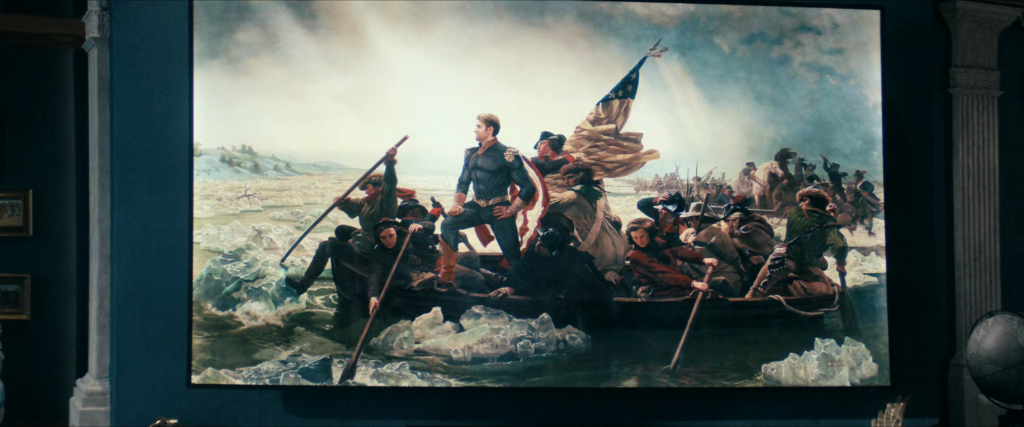
Good satire is reality pushed into the absurd, but the world keeps out-crazying us. Last Wednesday was a perfect example. We had Homelander calling himself God, which we thought was insane — even for us. Then, 48 hours before, Trump posted that photo of himself as Jesus. Apparently, he thought it was a doctor, but still.
People ask me, ‘Isn’t that amazing? Aren’t you excited by the coincidence?’ And I’m like, no. I’m just tired. I’m tired of the world being crazier than the show.”
Q: What does it mean to you that the most emotionally human character in The Boys is also the least human one, Homelander?
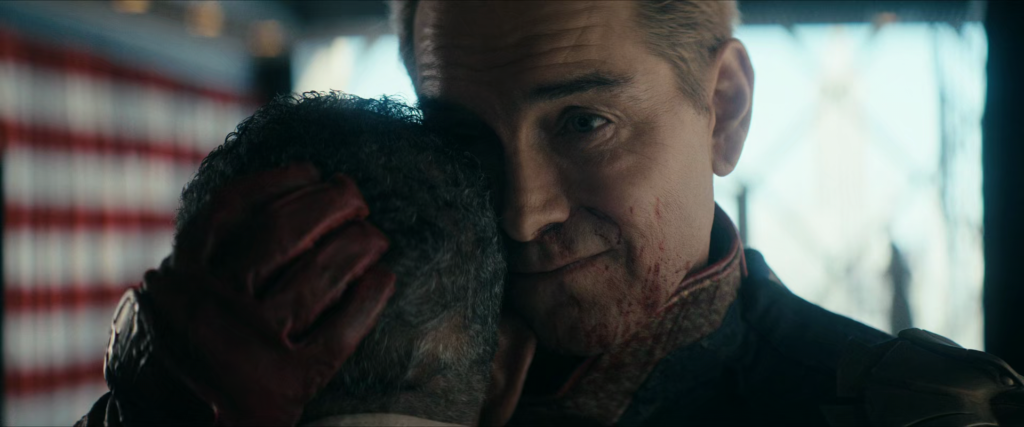
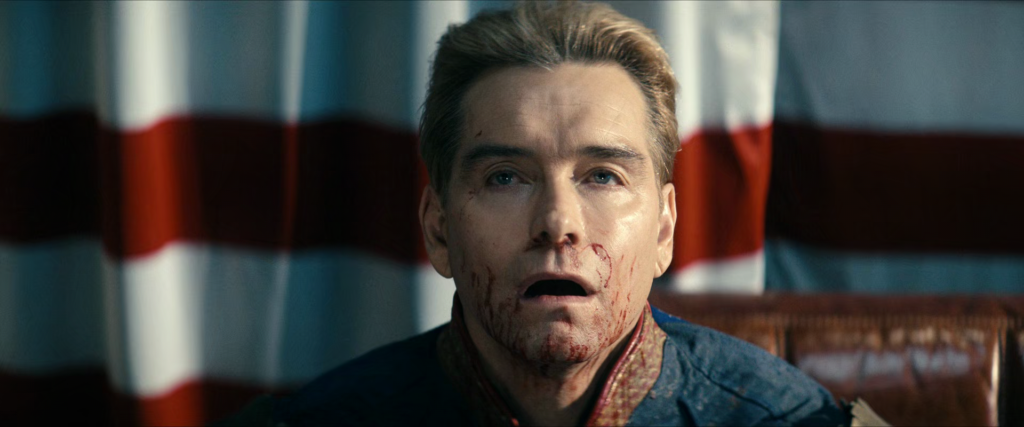
Homelander is a snake’s nest of insecurity, thin skin, and way too much power — and that’s a deadly combination.
We’ve always said that if Superman existed in the real world, he would eventually start to disassociate from humanity; from the people he’s supposed to protect. But Homelander is human. He’s a human being who hates the human part of himself. He hates his neediness, his insecurity, and his very human desire for love. He sees those things as disgusting, beneath him, and lesser — but because he’s human, he can’t escape them.
That’s what’s driving him mad. It’s this vicious circle: the more human he is, the more he hates himself, and the more he hates himself, the more inevitably human he becomes.
This season, he thinks that if he can rise above his own biology, his own mortality, and become this immortal god, that will finally make him happy. But the point is, nothing will make him happy. He’s a black, gaping hole of neediness, and the more power he accrues, the more miserable he’s going to be.
Q: Were there any body horror films in particular that influenced the way you approached The Boys visuals?
Sam Raimi is a huge influence on The Boys, especially in terms of the violence. But early on, when we were building the visual language of Vought, we talked a lot about Stanley Kubrick — that sterile quality, the balanced frames, the precision.
In Season 1, we created a contrast where The Boys’ world was handheld, dirty, and grimy, while Vought Tower was clean and geometric. As the seasons went on, that all started to get messier. As Homelander’s world began collapsing, those visual languages started blending together, and we leaned into this idea of the whole world collapsing.
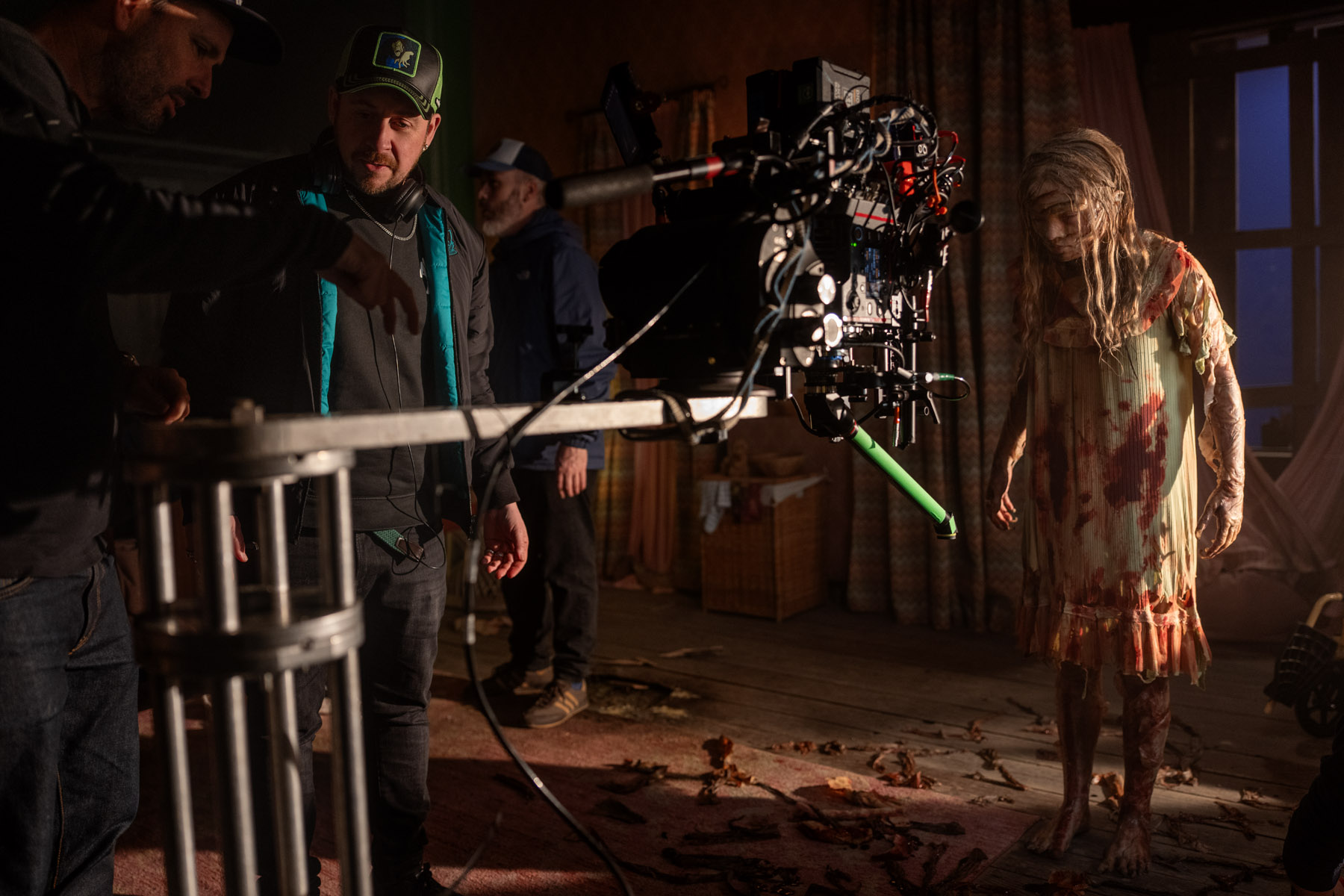
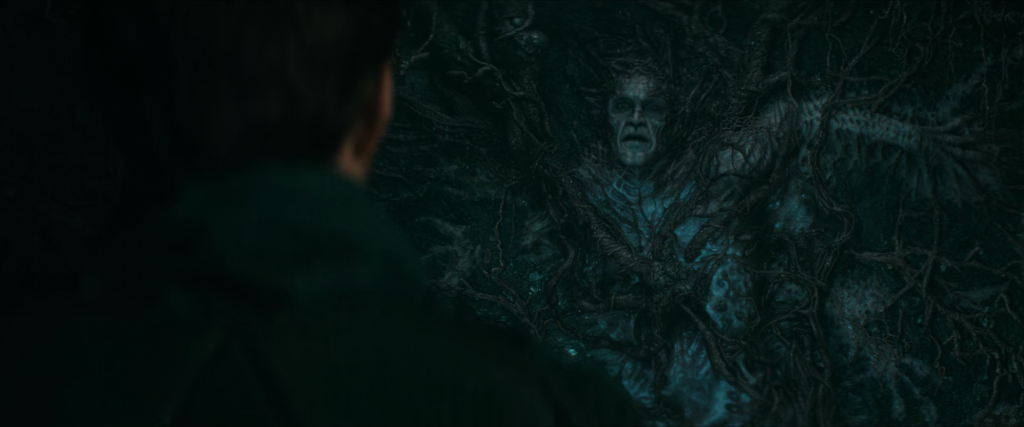
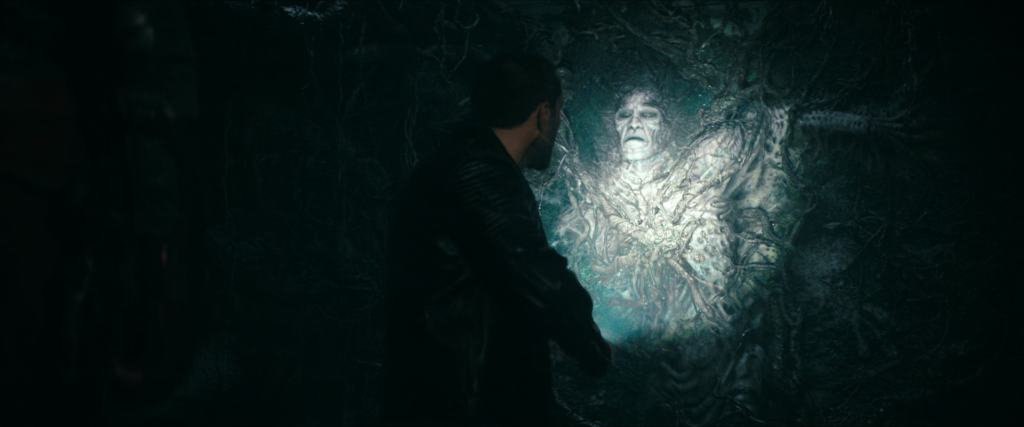
But we’re always pulling from different places. I use Sam Raimi-style violence all the time. Then just this past week, when we had Angel Stilwell appear, that was Terry Gilliam. Stefan Fleet, our VFX supervisor, and I were asking, ‘What should this angel look like?’ And we landed on this very Baron Munchausen version of an angel — stagey, with clouds that look like theater flats, animated elements, a curtain rising, and that impossible, beautiful theatricality Terry Gilliam does so well.
So yes, we’re grabbing from things all the time
Q: Will Vought Rising be as insane as The Boys, or are you taking it in a more restrained direction?
It’s definitely going to be insane, but in a very different way. The language of the show is much more film noir — L.A. Confidential, James Ellroy novels — with a gritty detective-story vibe that really fits the 1950s. But it’s not that sterile version of the ’50s you usually see. It’s heroin dens, gay bars, violence… and I really love that.
It plays like a mystery that slowly unfolds, and we still get to do some really shocking stuff. One thing I love, which I don’t think I’ve talked about before, is that with The Boys, if you want to use a famous person or character, you often need permission — especially if you’re going to say bad things about them. That’s not necessarily the case when someone is dead.
So, because Vought Rising is set in the 1950s, we’re able to bring in real-life figures like J. Edgar Hoover, Harry Truman, Ronald Reagan, and have them interact with our characters. That’s been really fun.
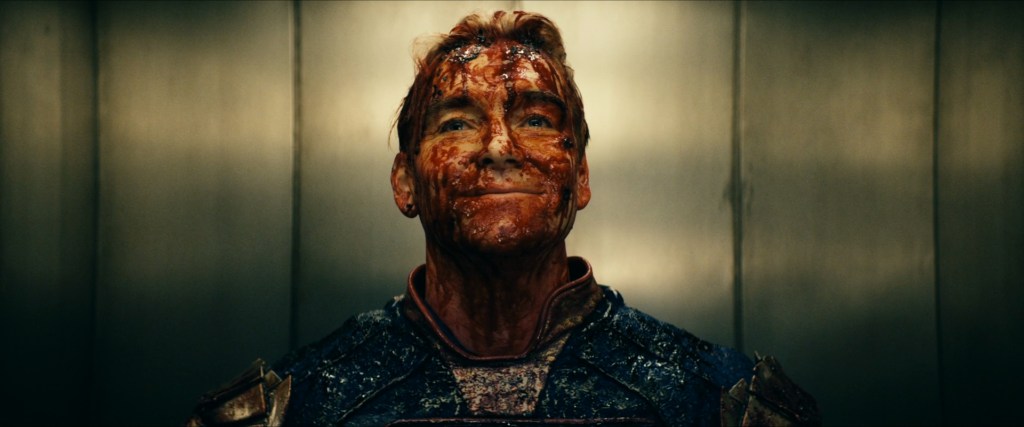
Q: The Boys constantly push boundaries, but it never feels shocking just for the sake of it. How do you know when something is provocative in a meaningful way versus when it is too much?
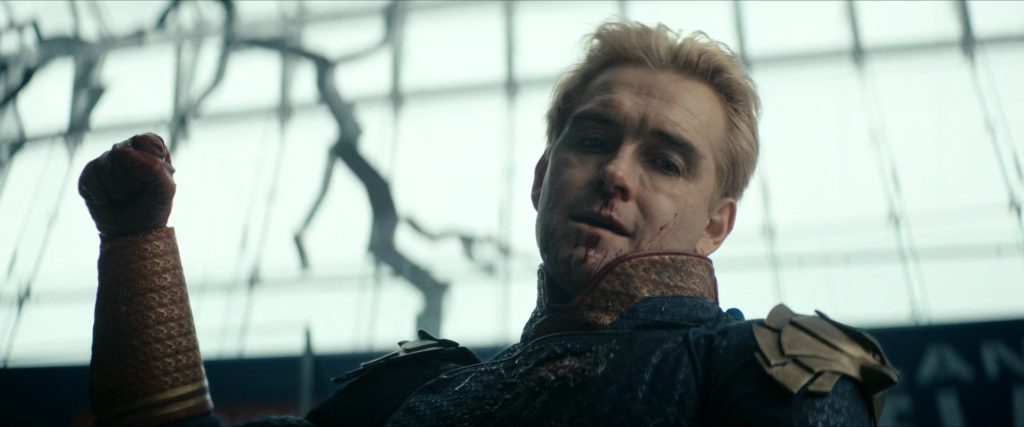
In my mind, it always comes down to whether it’s about more than what you’re seeing on screen. It can be shocking, bloody — all of that — but does it have thematic depth? Is it revealing something about the character, or saying something meaningful about the world? If there’s a deeper layer to it, then the violence isn’t just surface-level — it gives the audience something to dig into. That’s usually the sign that it’s worth doing.