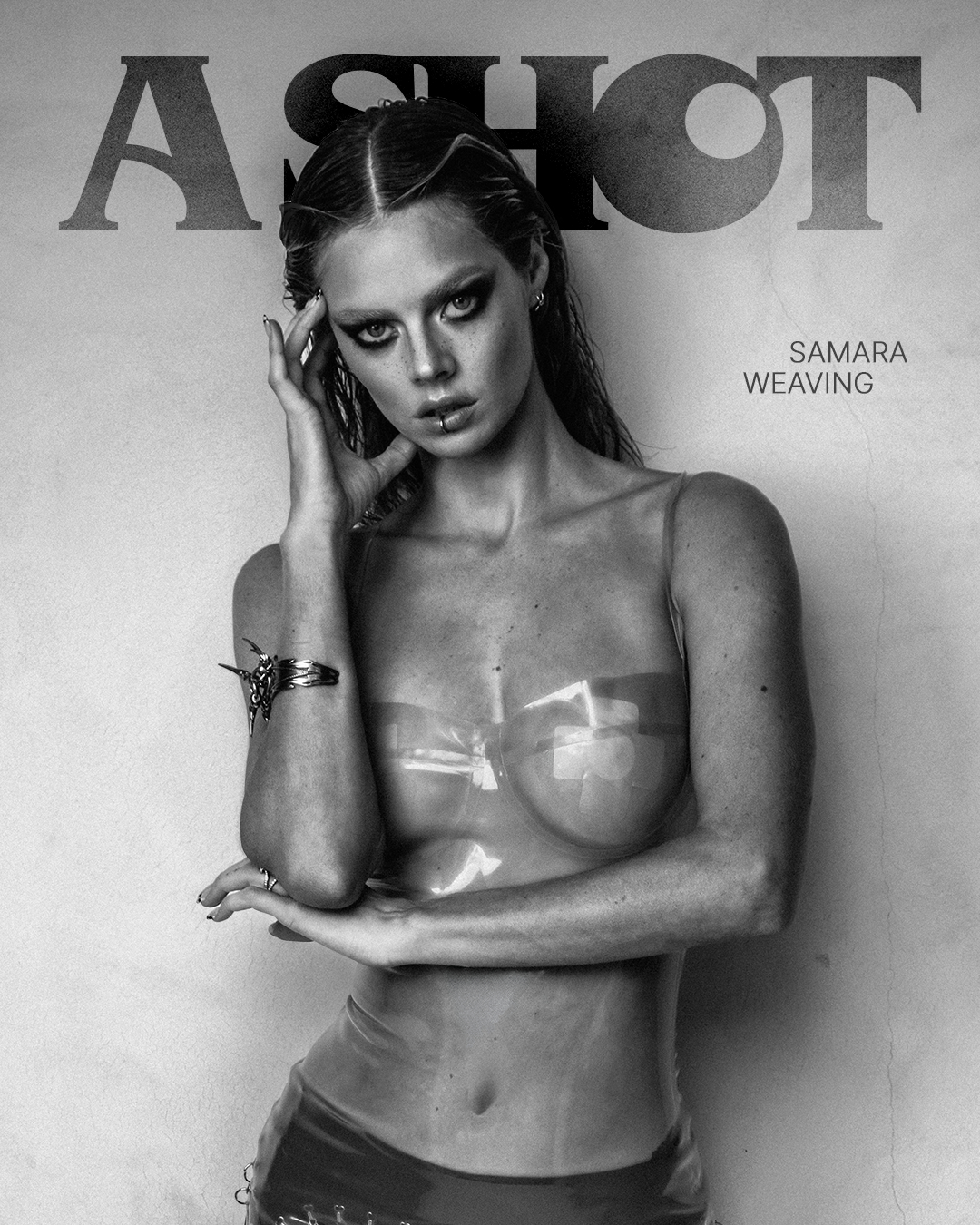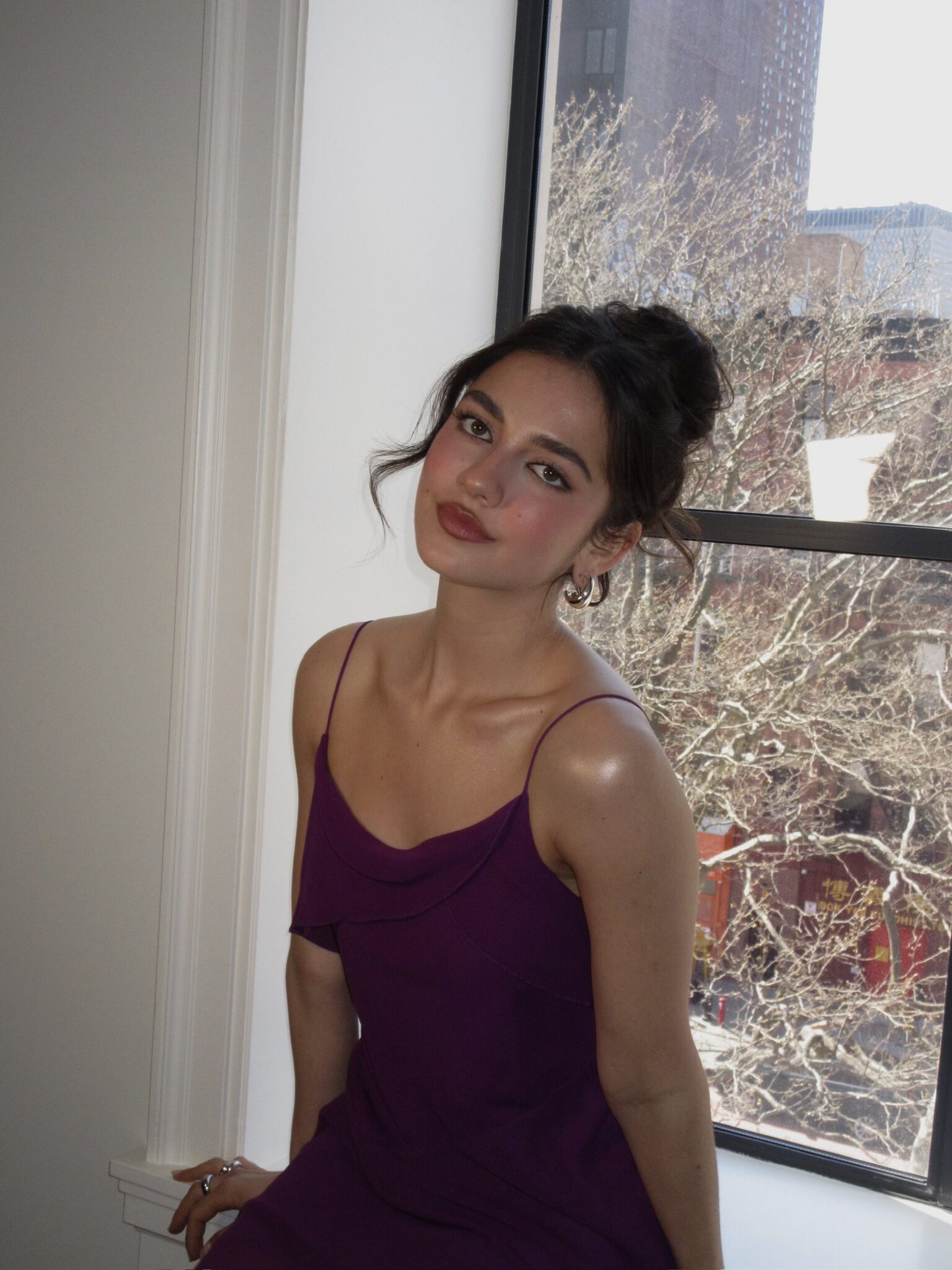
By
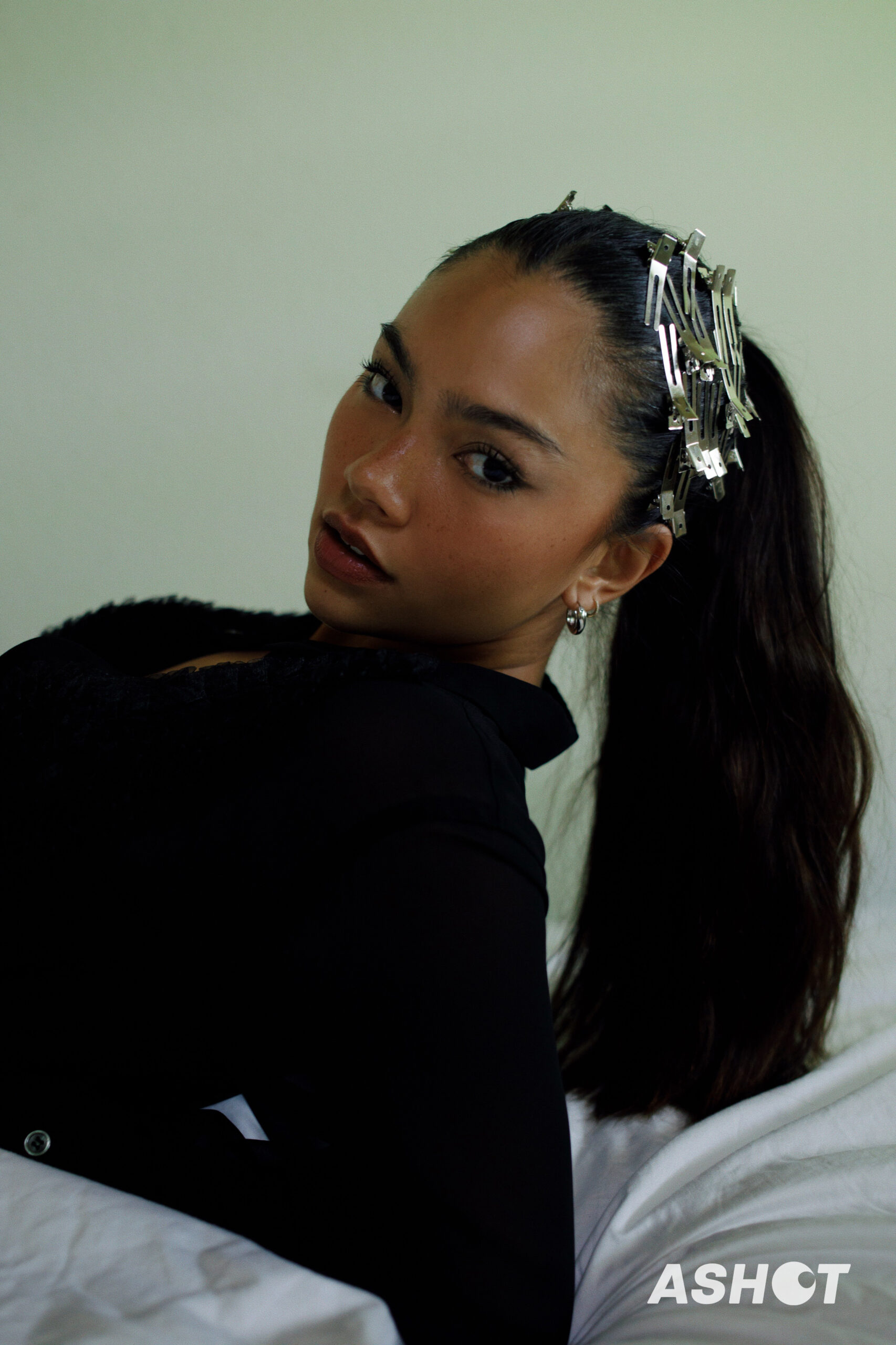
In the span of a single year, Myra Molloy has found herself inhabiting two dreams she once considered wildly out of reach. First came Broadway, where she made history as the first Thai woman to lead a Broadway production as Eurydice in Hadestown. Then came Girls Like Girls, Hayley Kiyoko’s long-awaited feature adaptation of the iconic music video that became a cultural touchstone for an entire generation of queer audiences.
For Molloy, the timing still feels surreal. Growing up in Bangkok while consuming a steady diet of American films, coming-of-age stories, and romantic dramas, she spent years imagining a future that often felt professionally (and geographically) distant. Now, she finds herself leading the very kinds of stories she grew up loving.
Playing Sonya in Girls Like Girls, the Thai-American actress and singer captures the growing pains of first love, self-discovery, and longing. She leaned into the role with compassion, portraying a young woman whose worth isn’t tied to her errors, but by her brave, clumsy attempts to find out who she really is.
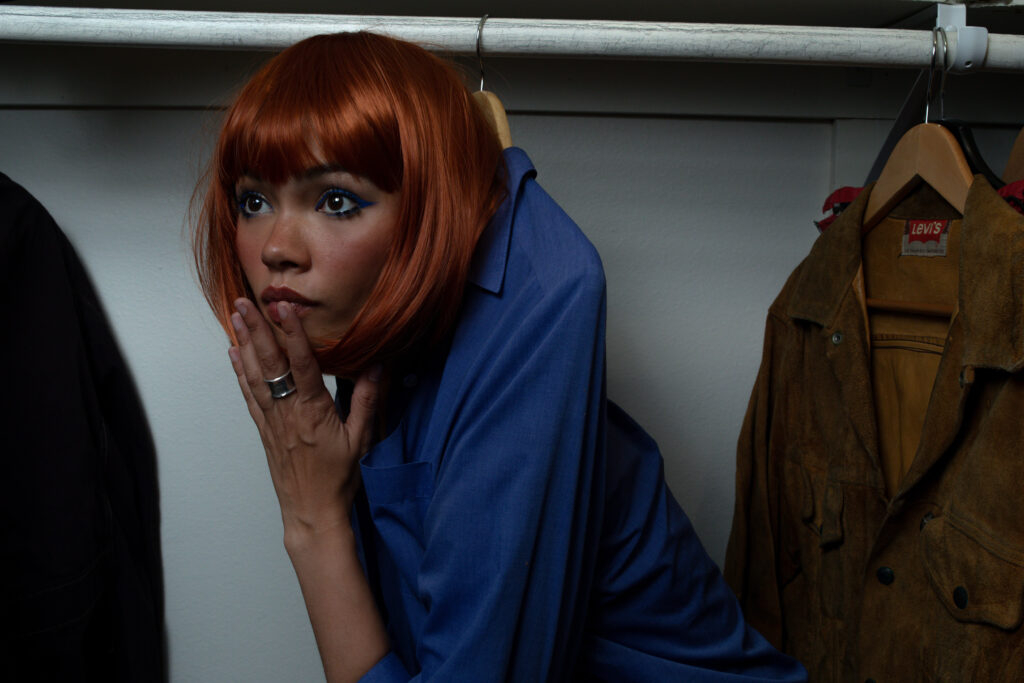
We caught up with Molloy over Zoom, and while I was bracing for the Egyptian heat, she beamed in from Hawaii looking sun-kissed and radiant. When I couldn’t help but call her out on that glow, she just laughed, admitting that she’s feeling so genuinely blessed and happy that it’s apparently starting to show on her skin.
That joy has a tendency to spill over into everyday moments. Recently, after getting a butterfly painted on her face at a farmers’ market, Molloy wandered into a movie theatre with a friend, popcorn in hand, only to be met with the Girls Like Girls trailer on the big screen. She immediately started shaking, filming, and trying to process the fact that the project she’d poured so much of herself into was suddenly staring back at her. “Everyone probably thought I was crazy,” she laughed.
It was the perfect energy to kick off a conversation about first love, working alongside one of her heroes, becoming part of a story that already means so much to so many people, and what it feels like to watch childhood dreams arrive all at once.
Q: You recently said that Broadway and starring in an indie romantic film were both dreams of yours. Does Girls Like Girls feel like a different kind of dream coming true than Hadestown?
M.M: I have chills because I still can’t believe it’s happening. Growing up, Broadway always felt like the pinnacle of the theatre world. My parents used to live in New York, and hearing their stories was part of what first sparked my love for performing. But for a long time, I didn’t think I was qualified enough to be on Broadway. I’m not a dancer, and I certainly never imagined I’d get to play Eurydice in Hadestown. When it happened, it wasn’t even on my bingo card.
At the same time, my favourite genre growing up was always coming-of-age stories. When I read the script for Girls Like Girls, I was completely taken by it. I even wrote Hayley a letter because I loved it so much. I never really do that because I always think, ‘No one’s going to read my letter. No one knows who I am.’ But I was so moved by it.
As an actor, you audition so much that you try to let it go every time, but with Girls Like Girls, it was so hard for me to let go. I couldn’t let this one go. The idea of getting to be part of a coming-of-age film directed by a queer woman of colour, getting to contribute music to the project, and working alongside people who looked like me—it felt like this perfect, divine moment. I genuinely can’t believe both of these dreams came true within the same year.
Q: You’ve mentioned that Before Sunrise is one of your favourite films and that you’ve always wanted to lead a romance. What kind of love story were you hoping to portray through Sonya?
Before Sunrise is in my top four for sure. What I love about Before Sunrise and films like it is that they capture two people falling in love in a way that feels deeply human. They’re fumbling, making mistakes, discovering things about themselves and each other in real time. That’s always been the kind of romance that resonates with me.
When it came to Sonya, I really wanted to keep her grounded and human. Because Hayley was directing and the story is so personal to her, I never wanted to put words in her mouth or overcomplicate the character. My job was simply to stay present, trust the emotions of the moment, and allow Sonya to discover herself in real time. It was such a collaborative process, and that’s what made it special. Rather than overthinking every decision, I tried to experience this love story alongside her.
It felt like having a giant Pinterest board full of visuals, ideas, and stories to draw from. Then I got to bring my own heart, experiences, and perspective to it. At the end of the day, I just hope people can see the humanity in her.
The film being set in 2006 makes it so nostalgic. It already encapsulates such a feeling, and the aesthetic becomes the cherry on top of an already beautiful story.
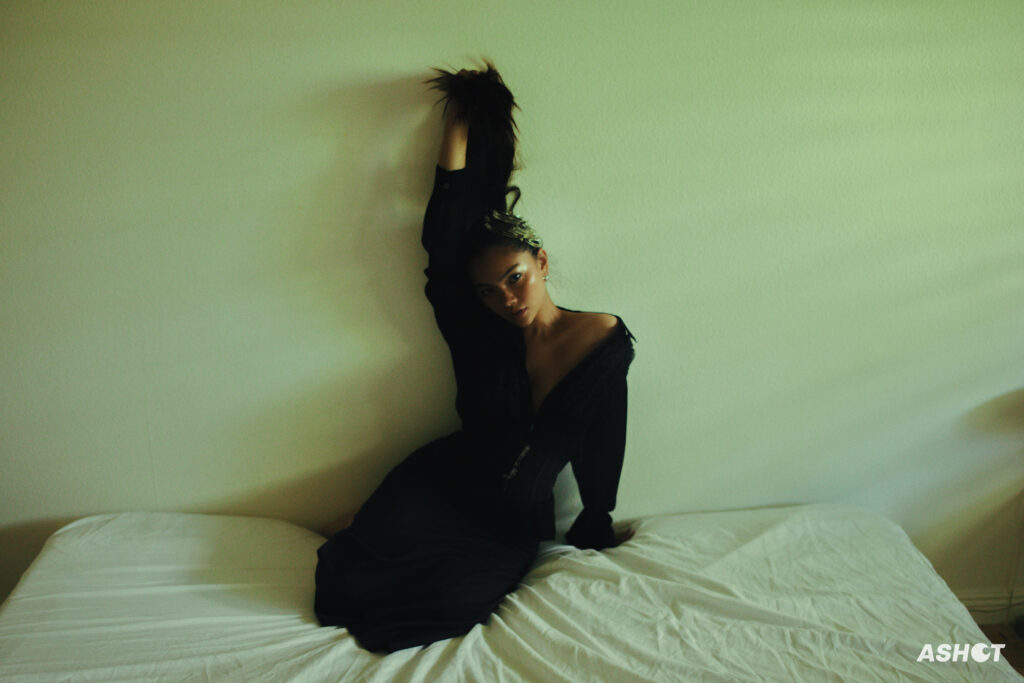
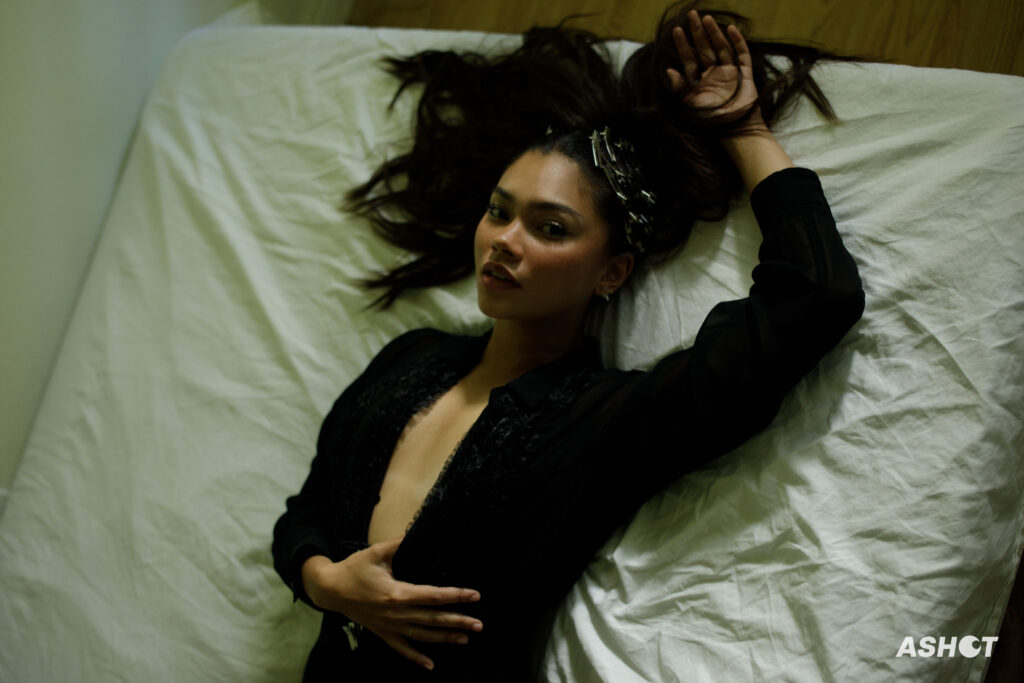
Q: You’ve said you looked up to Hayley Kiyoko growing up. What was it like stepping into a story that came from someone whose work had already meant something to you?
It was completely surreal. I was born and raised in Bangkok, and so much of my childhood was spent consuming American media—romantic comedies, coming-of-age films, all of those stories. Then later in life, seeing Hayley [Kiyoko], as someone who looks like me, occupy space in the industry in a way that felt meaningful and incredibly powerful.
People always say, “Never meet your heroes,” but thankfully that wasn’t true in this case. I loved meeting my hero.
Getting to know Hayley as a person, beyond the artist I admired, was really special. She’s someone who genuinely deserves all of the good things happening to her. This story is her baby. She’s carried it for over a decade, and being trusted with a part of that journey means so much to me.
Q: Girls Like Girls has existed as a song, a music video, a novel, and now a film. Did that history make stepping into Sonya feel intimidating?
Honestly, the opposite. It made it more exciting.
When I joined Hadestown, I was stepping into a role that had already been played by so many incredible women. Instead of seeing that as pressure, I saw it as an opportunity to bring my own version of Eurydice to the stage. I felt the same way about Sonya.
There have been so many iterations of her already—different ways people have interpreted her, connected with her, or imagined her. Having all of that source material felt less like a burden and more like having a giant mood board to draw inspiration from. I could take everything that already existed, add my own experiences and perspective, and hopefully bring another layer of humanity to her. That’s what excited me most.
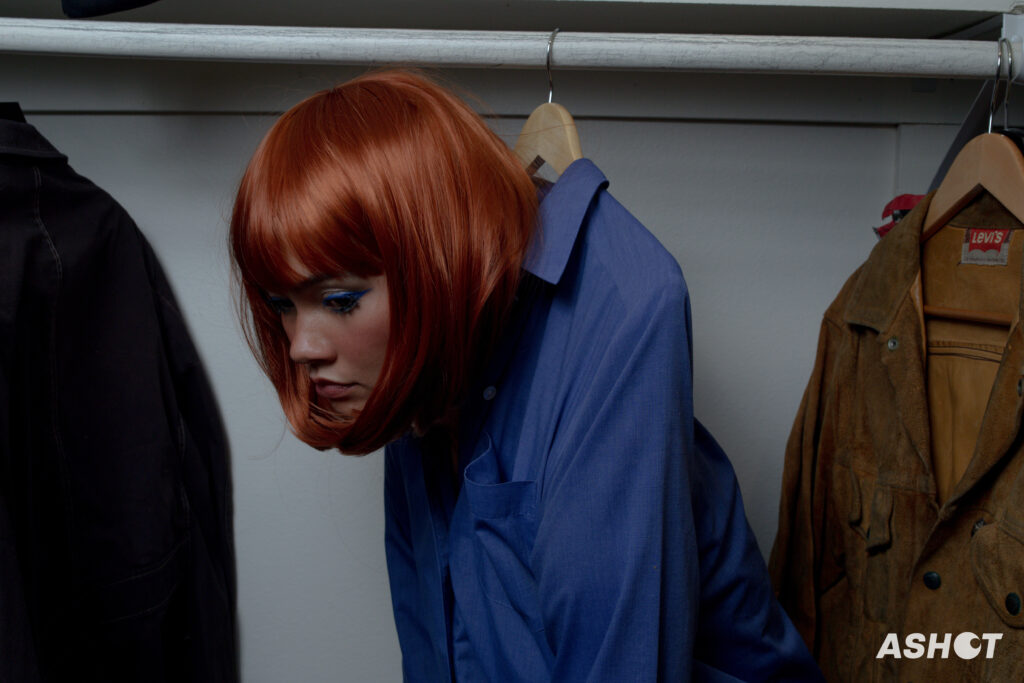
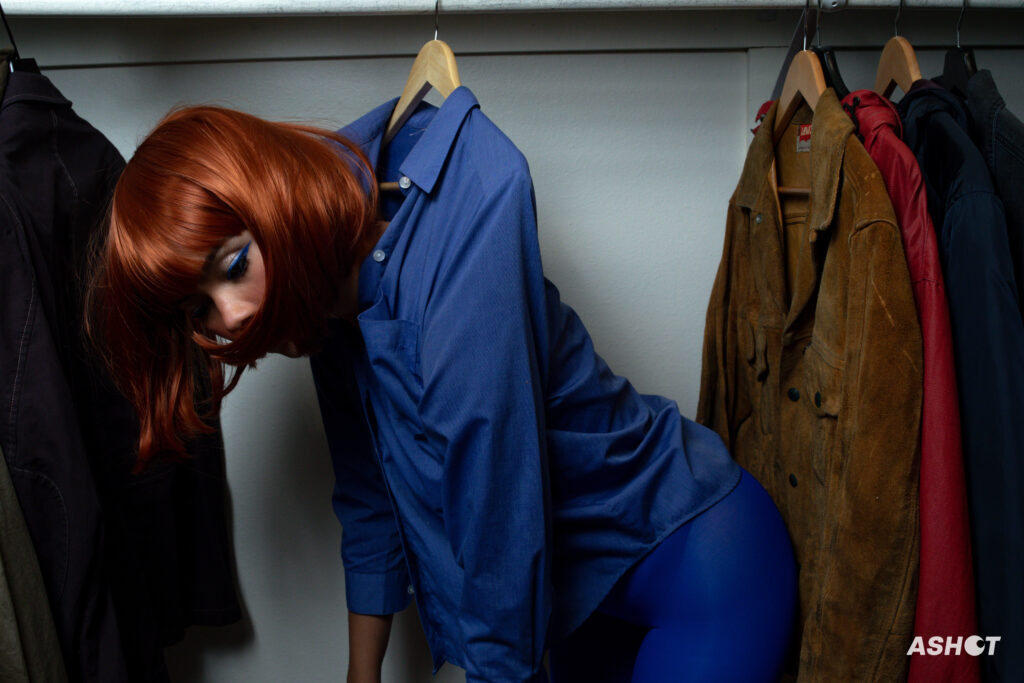
Q: First queer experiences are often portrayed through fear or tragedy, but Girls Like Girls approaches them through tenderness and softness. How did that resonate with you?
I think we need it. To quote Hayley, I think it’s so important to see joy, and specifically queer joy. Not every queer story needs to end in trauma or heartbreak. There’s something incredibly powerful about telling a story rooted in hope, tenderness, and self-discovery.
I’ve always said that to be seen is to be loved, and I think this film perfectly encapsulates that feeling. As women of colour telling a queer story, it feels especially meaningful to be part of something that approaches love with so much humanity and care. It’s honestly surprising that we haven’t seen more stories like this.
All credit goes to Hayley for paving the way. This story began over a decade ago, and seeing her perseverance bring it to life is really special. I’m just honoured to be a small part of that journey.
What excites me most is seeing how audiences respond to it. I know it affected me deeply. The first time I watched the trailer, I was ugly crying. That’s when it really hit me how much this story means—not just to the people who helped make it, but to the people who’ve been waiting to see themselves reflected in it.
Q: What interested you most about Sonya’s inner world?
It’s funny because when I first read the script, I actually auditioned for Coley. I was experiencing the story entirely through her perspective. Then Hayley asked me to come back and read for Sonya, and I reread both the script and the book through her lens. That completely changed everything for me.
Once I started looking at the story from Sonya’s perspective, I realized how deeply I related to her. I could see her humanity, her confusion, and the pressure she was carrying. I saw parts of myself in both characters, but there was something about Sonya that felt especially familiar.
What interested me most was how misunderstood she is. I don’t think she’s a bad person, and I don’t think she’s intentionally trying to hurt anyone. She’s just discovering things for the first time and stumbling, as we all do. We’re all here for the first time. She makes mistakes, she hurts people along the way, but that doesn’t make her cruel. It makes her human.
That became the exciting challenge for me as an actor. How do you portray someone with enough honesty and heart that audiences can still understand her, even when they don’t agree with her choices? For me, that was always the goal. I wanted people to see the vulnerability underneath everything and recognize that, at her core, Sonya is simply trying to figure herself out.
Q: Becoming the first Thai woman to lead a Broadway production is historic, but I’m curious whether moments like that feel empowering, pressuring, or both.
It’s been almost a year, and I still don’t think I’ve fully processed it. It all happened in this strange, beautiful way that felt like divine timing. It wasn’t something I expected at all.
When people tell me I’m the first Thai woman to lead a Broadway production, my reaction is always, “What do you mean I’m the first?” It’s hard to wrap my head around. More than anything, it’s the honour of a lifetime. Getting to represent my community and my culture in that way is incredibly meaningful. I don’t know if it’ll ever fully sink in, but I’m so grateful for it.
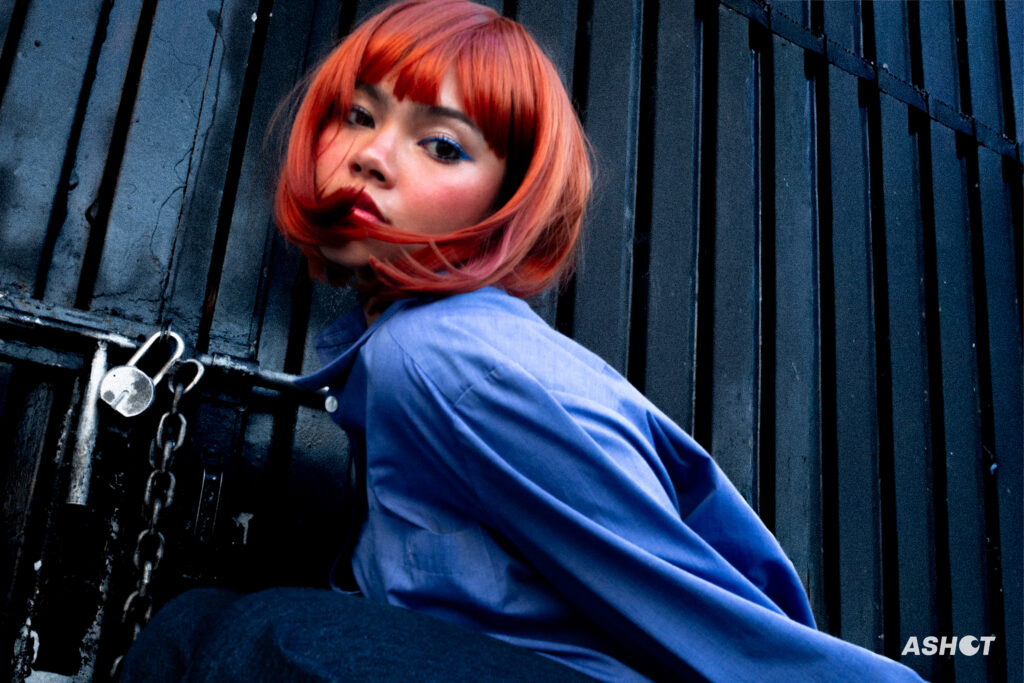
“Not every queer story needs to end in trauma or heartbreak. There’s something incredibly powerful about telling a story rooted in hope, tenderness, and self-discovery.”
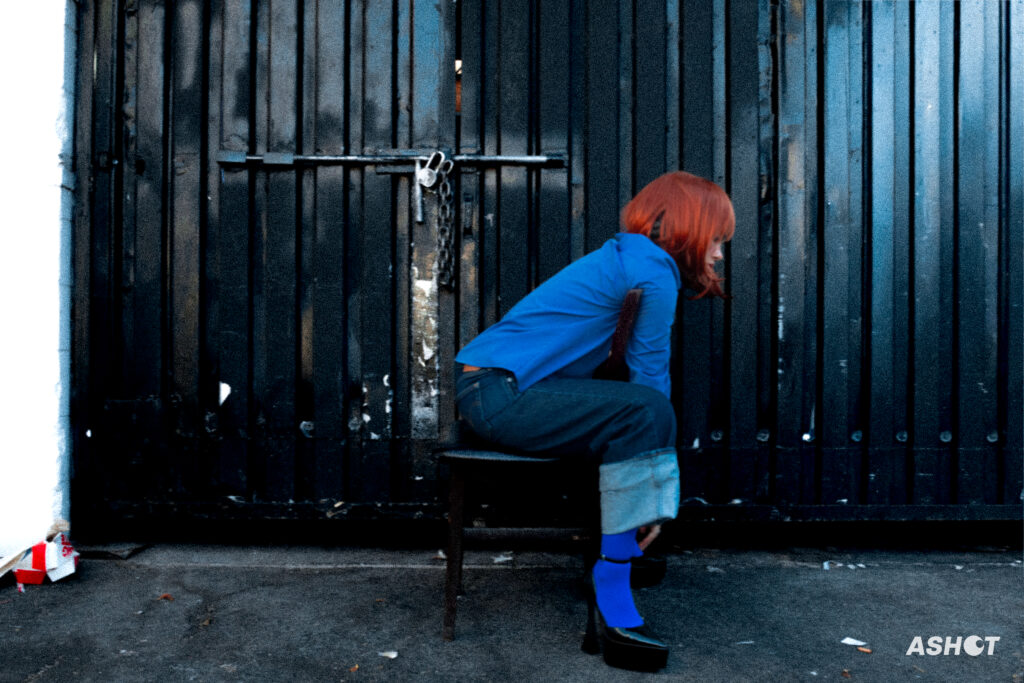
Q: You’ve said movies are “number one” in your heart. What does film give you emotionally as a performer that theatre or music maybe doesn’t?
I’ve always been deeply affected by film. Growing up, I watched so many movies at home, and I loved that feeling of leaving a theatre as a slightly different person than when you walked in. The best films stay with you. They linger in your heart and become part of your life.
One of my favourite films is Close. That movie genuinely altered my brain chemistry. I love the aesthetics of cinema, the visuals, the music, the feeling of sitting in a dark theatre with a Diet Coke and popcorn and being completely transported somewhere else. That’s heaven to me.
I love music and theatre because they allow me to exercise different creative muscles. Producing and songwriting are incredible creative outlets, and theatre teaches you how to live entirely in the present because everything is happening in real time. But film has always left the deepest impact on me.
What’s funny is that life is moving so fast right now that I can barely process any of it. A billion things have happened. Sometimes I still can’t believe Girls Like Girls is actually coming out. I remember seeing a butterfly while I was at a farmers market and suddenly feeling overwhelmed because I thought, “Oh my God, we actually made a movie.” I was shaking. Those are the moments where it suddenly becomes real.
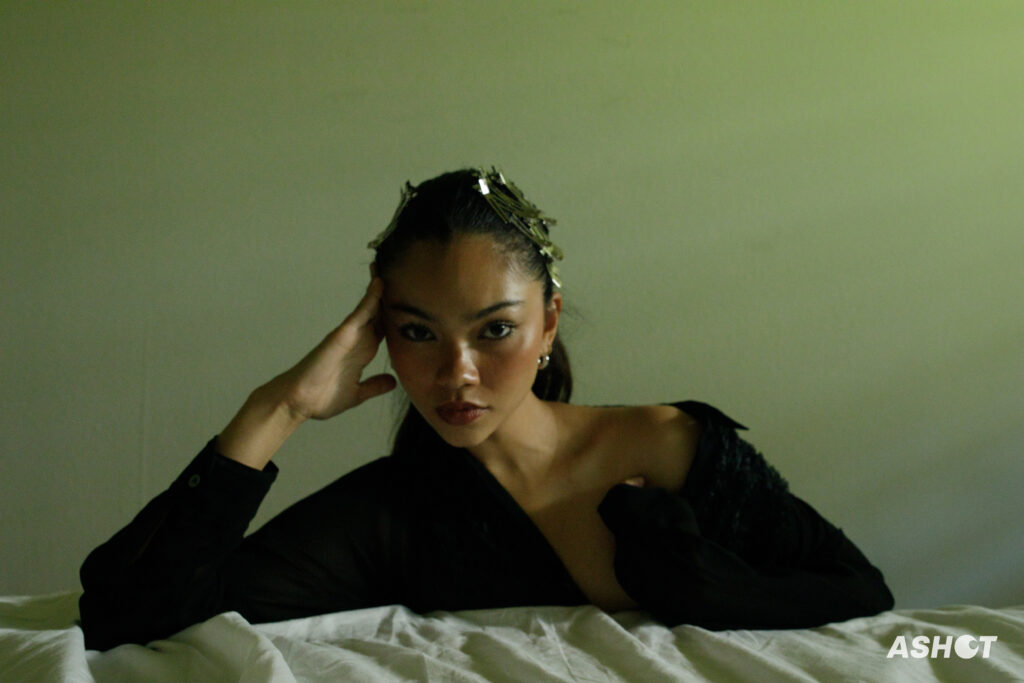
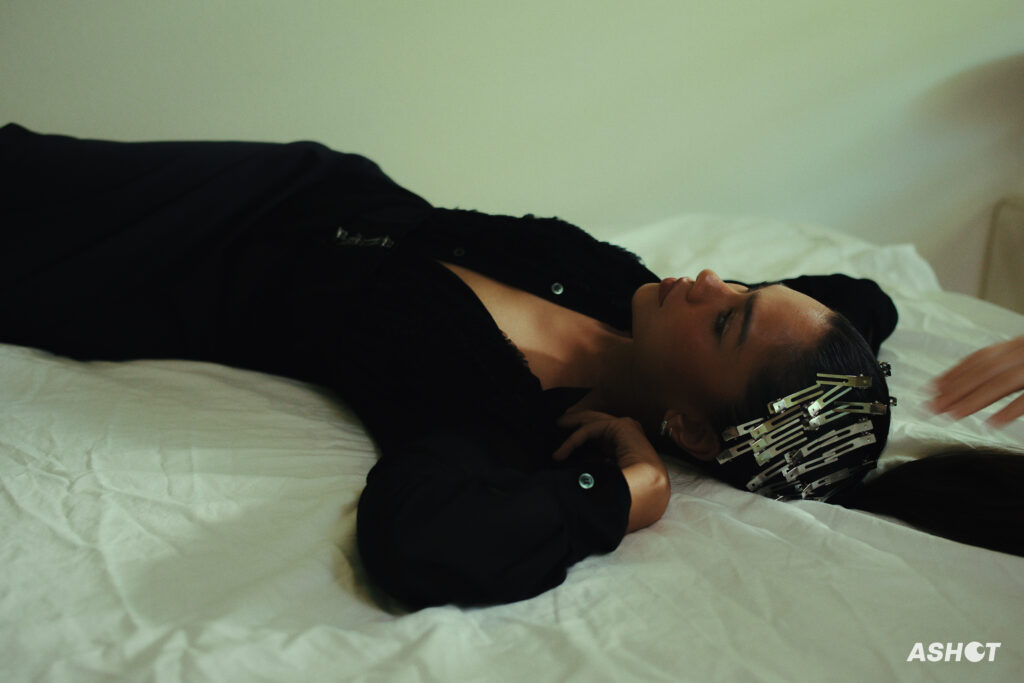
Q: So much of your recent career feels like watching childhood dreams become real in very specific ways. Are you someone who lets yourself enjoy those moments, or do you immediately start thinking about what’s next?
When I was younger, especially in my late teens and early twenties, I was constantly thinking, “What’s next? What’s next?” I was so anxious about work, about my future, about what my career would look like.
As I’ve gotten older, I’ve really learned how to be present. I’ve realised my life is my life, and my career isn’t what defines my happiness. That shift in perspective has changed everything for me.
I’m speaking to you from Hawaii right now, and honestly, life feels really good. I have good health, good people around me, and so much to be grateful for. Girls Like Girls is a dream come true, but I’m trying not to rush past it. I’m trying to actually experience it. The things that matter most are my friendships, my family, and the life I’m building outside of work.
Q: You move between acting, singing, songwriting, and producing, while also growing up between Bangkok and New York. Do those different mediums and places reveal different parts of you emotionally?
Absolutely. I always joke that I have too many pans on too many burners. Growing up between Bangkok and New York shaped me profoundly. They’re such vibrant, culturally rich cities, and having access to different perspectives, art forms, and communities influenced who I became as both a person and an artist.
I genuinely thrive when I have multiple creative outlets. Acting might be my primary focus, but the reality is that actors aren’t working all the time. When I’m not on set, I can write music, produce, direct a music video, or explore another creative discipline. Each medium gives me something different.
Theatre requires complete commitment. When I’m doing a show, I become an athlete. Music allows me to create from scratch. Acting lets me step into someone else’s life. Having all of those outlets brings me so much joy.
Q: You’ve been publicly talented since such a young age (AKA winning the first season of Thailand’s Got Talent). Did you ever feel pressure to constantly live up to people’s expectations?
That’s so funny. Publicly talented. I’m going to steal that. Being publicly scrutinised at such a young age created an enormous amount of pressure. For a long time, that need to prove myself fueled my ambition. But I’ve reached a point where I don’t want to lead with vengeance anymore. I don’t want to lead with proving people wrong.
“I want to lead with love and joy. I don’t want to feel like I’m constantly trying to fill a void.”
That’s part of why I connected so deeply with Sonya. She’s incredibly hard on herself and very conscious of how she’s perceived by other people. I recognised so much of myself in her. In a strange way, playing her allowed me to look at some of my younger experiences from the outside and approach them with more compassion.
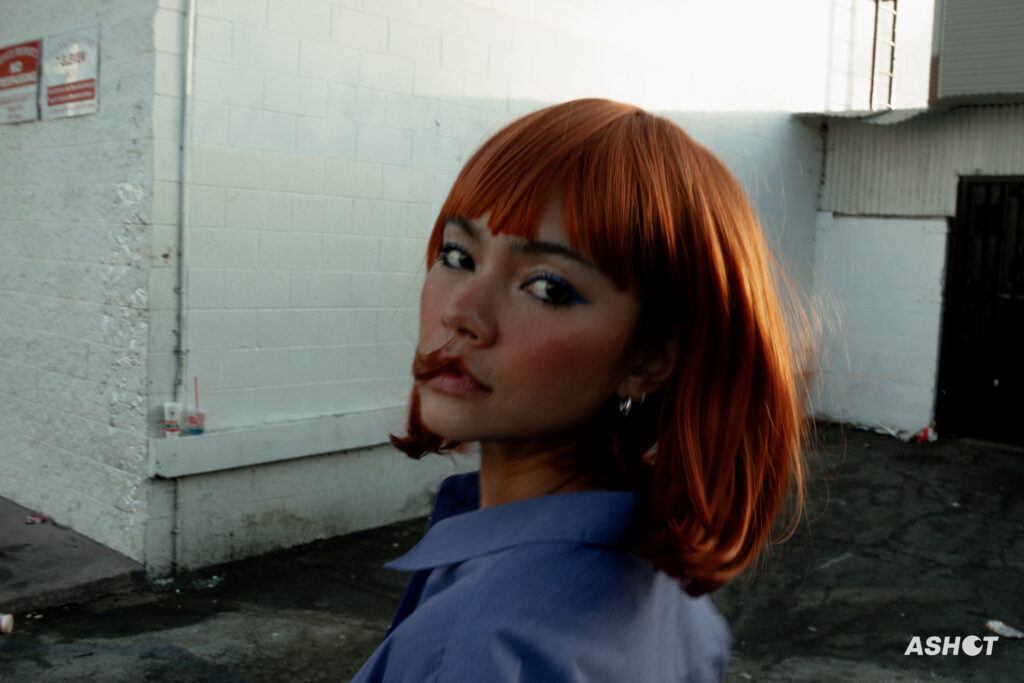
Q: If you were a shot in a film, what would it look like?
The first thing that comes to mind is the final scene of Perfect Days.
It’s just this long take of a man driving while listening to music, and everything is happening in his eyes. You can see every emotion pass across his face without a word being spoken. I love a long one-er, seeing emotion in the eyes, good music, and I love driving a car. I love stillness. There’s something so beautiful about a moment that trusts the audience enough to simply sit with a feeling.