By
I have been telling my friends this for years: there is no art form more interesting right now than horror. And I don’t just mean cinema. I mean everything, games, music, television, literature. Alan Wake 2 contains some of the best storytelling in years, and it’s a horror game.
For much of its commercial history, horror was treated as the lowest rung of culture: disposable, juvenile, pandering to our worst impulses. Today, that picture has been almost entirely reversed. The genre now hosts some of the most formally adventurous, thematically ambitious, and emotionally honest work being produced anywhere in contemporary art.
Part of what makes horror so vital right now is that it remains, almost uniquely, a free form. You don’t need a major studio to make a horror film. You don’t need a boardroom telling you to cut this scene or add that message or soften that ending.
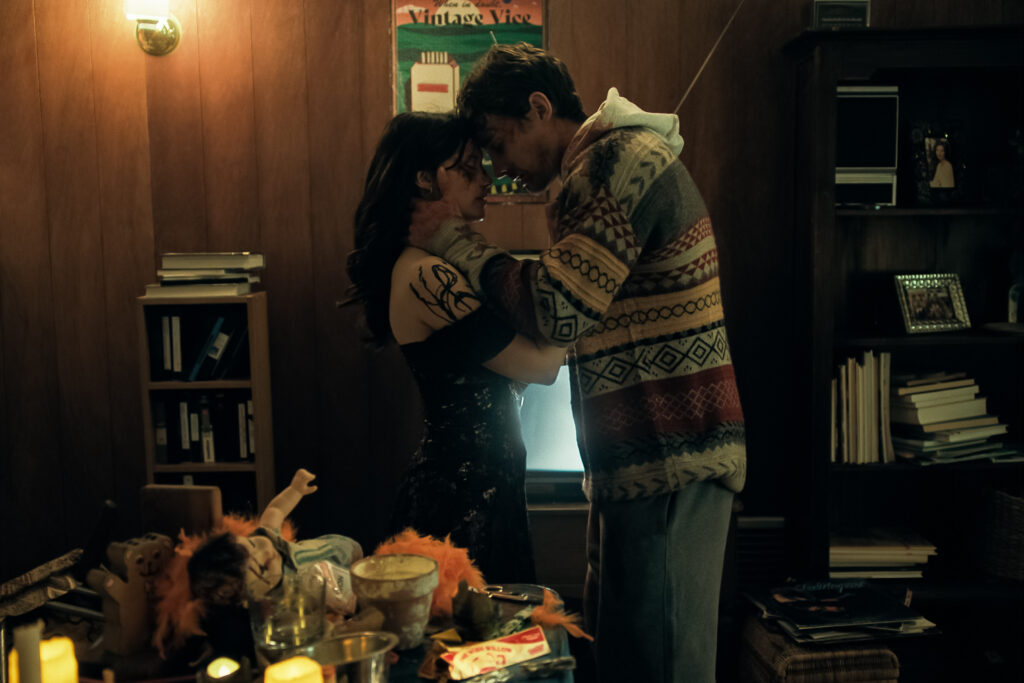
Horror lives at a distance from all the machinery that tends to sand the edges off of everything else. It is one of the last spaces where a filmmaker can retain final cut, real creative control, a genuinely personal vision, and still find an audience. That freedom shows in the work. It’s why horror films can go places that prestige drama cannot, why horror games can take narrative risks that mainstream titles won’t touch, why the genre keeps producing work that feels genuinely dangerous and alive rather than carefully managed.
The most interesting horror today is not about demons, exorcisms, or monsters from another world. That was never really the point, and the films that lean hardest on supernatural threat tend to be the least interesting. What horror has discovered, fully and finally, is that we are the demons. We don’t need a devil. There is something wrong with us, with our communities, with our societies, and horror is the art form willing to say so directly. Think about what horror can do that almost nothing else can.
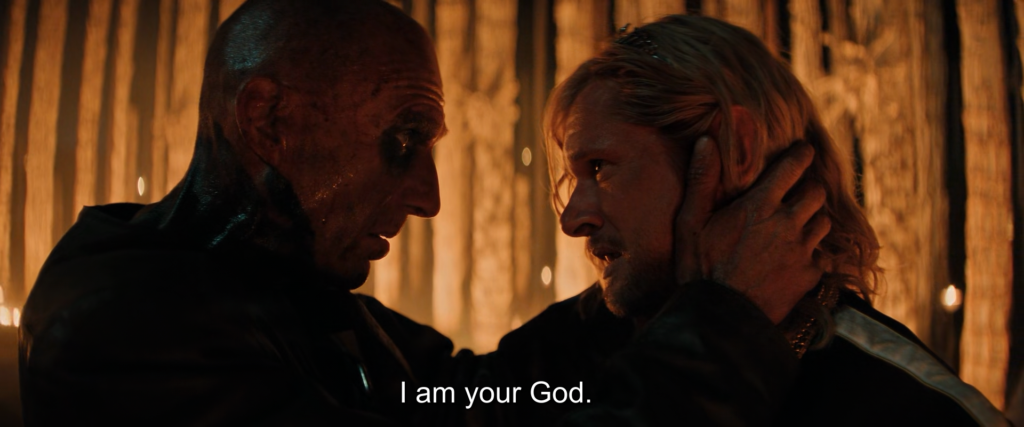
It externalizes internal states, depression becomes a monster, grief becomes a haunted house, racism becomes a literal trap. It makes audiences feel abstract ideas in their bodies rather than simply understand them intellectually. It holds open a space of unresolved terror without the cultural pressure to resolve it neatly. And it does all of this while pointing, unflinchingly, at the thing we least want to examine: ourselves.
We live in an era saturated with anxiety. Climate dread, political instability, the slow erosion of trusted institutions, the existential strangeness of the digital age, these are not concerns that conventional drama or comedy handles well. Horror was built for exactly this. It is the only mainstream form that treats dread as a sustained condition rather than a problem to be solved.
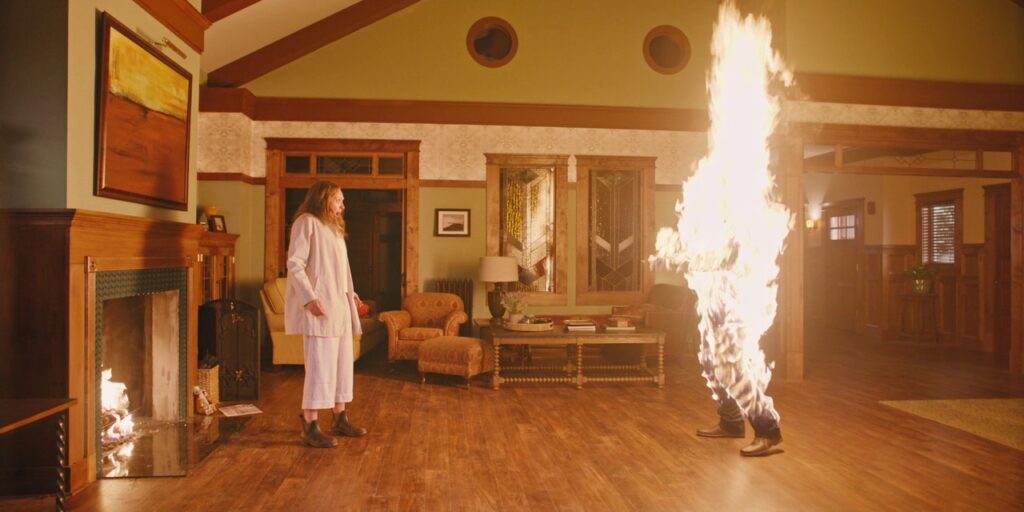
There’s something else horror offers that almost no other form does: permission. In horror, you don’t get judged for being strange. The genre demands strangeness. It has to be creepy, it has to be weird, and inside that permission structure, something remarkable happens.
People use horror to express things they could never say directly. The pain, the violence, the darkness that lives in all of us finds a form. And through that form, something like healing becomes possible. We all want, on some level, to see the clown serial killer walking the street, not because we want that to happen, but because we want to look at the parts of ourselves, we’ve been told to hide.
Horror gives us that. It gives us the safety of knowing we’re not alone, that we’re all a little broken, that it’s okay to be strange and damaged and unresolved. Because this is what life actually is, and horror understands life better than most art that claims to.
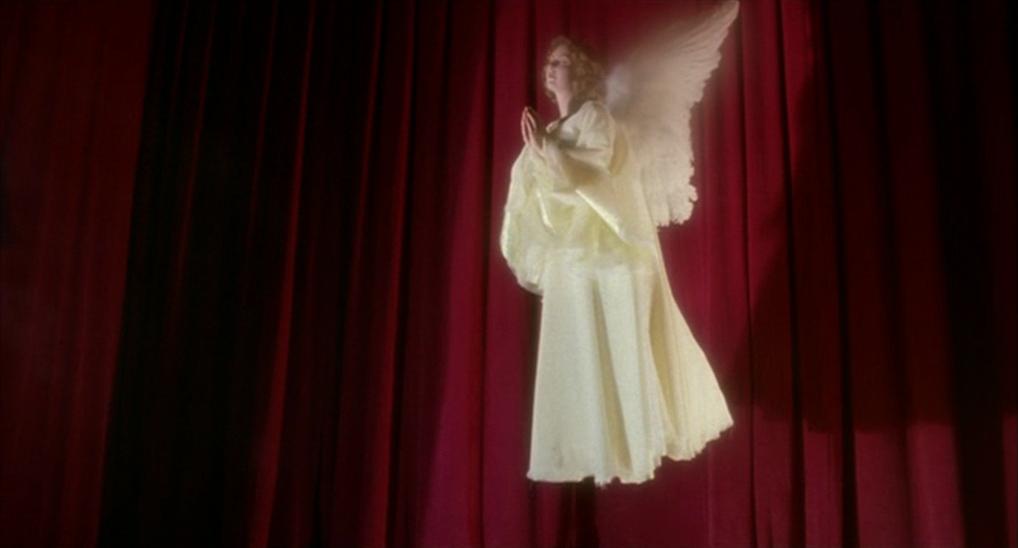
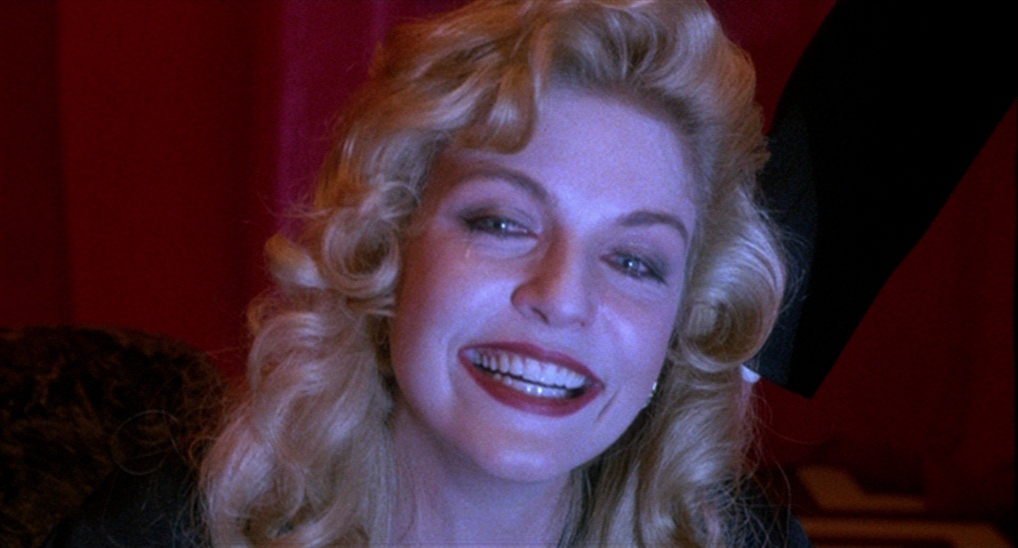
Visually, horror is also the most liberated form, and the work of directors like David Lynch shows why. Twin Peaks doesn’t require you to understand it. You can be obsessed with it, haunted by it, changed by it, without ever fully grasping what it means. Because Lynch himself doesn’t fully grasp it either, and that’s precisely the point. Horror at its best doesn’t explain.
It makes you feel something that has no name yet, something that lives deeper than language. Horror doesn’t limit your creativity. A low budget is not a constraint, it’s an invitation to find new ways to frighten, to unsettle, to move. The greatest horror often comes from the least. That’s not a coincidence. It’s a feature of a form that has always rewarded resourcefulness, imagination, and the willingness to go somewhere uncomfortable.
When historians look back at early 21st century art and try to understand what it felt like to be alive right now, the texture of our fears, our griefs, our particular loneliness, they will find their richest archive in horror. Not because we were dark people, but because horror was the one form honest enough to look at us clearly and say: this is what you are. And that’s okay.