
By
There’s a quiet precision to the way Greig Fraser talks about images, as if every frame already exists somewhere, waiting to be refined rather than created.
Across films like Dune: Part Two, The Batman, and Rogue One: A Star Wars Story, Fraser has built a visual language that feels both monumental and deeply human. His work doesn’t chase perfection, it resists it. Instead, it leans into texture, into imperfection, into the idea that an image should feel lived-in rather than designed.
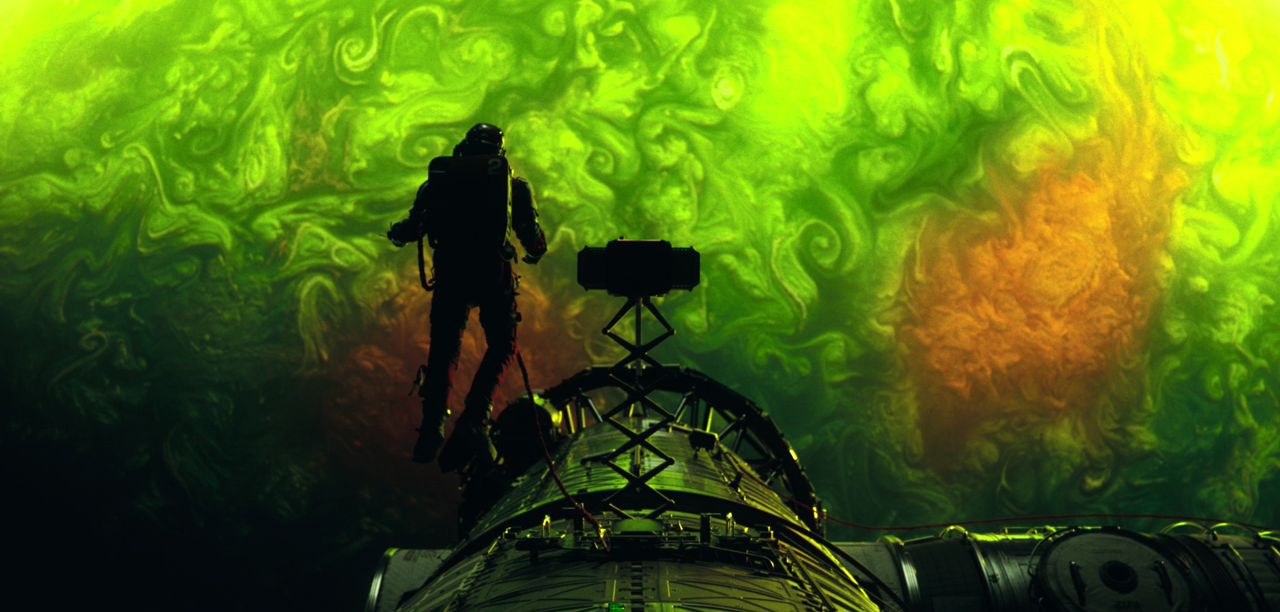
That philosophy sits at the core of Project Hail Mary. A film set against the vast emptiness of space, yet grounded in something tactile, dusty, analog, almost fragile. It’s a world where isolation isn’t just narrative, but visual. Where emptiness isn’t clean, but heavy. Where even the unknown, a faceless, alien presence, has to be shaped into something emotionally legible.
Fraser doesn’t approach cinema through genre. Sci-fi, horror, fantasy, those are just containers. What matters is whether a film can hold you. Whether it can make you feel something. It’s why he can reference The Shawshank Redemption in the same breath as Arrival, not for their scale, but for their ability to fully immerse you in character.
In an exclusive interview with A Shot, Fraser reflects on photographing isolation without repetition, building texture in a digital world, and the challenge of making something with no face feel alive.
Q: You’ve never been to space, so how do you personally imagine it?
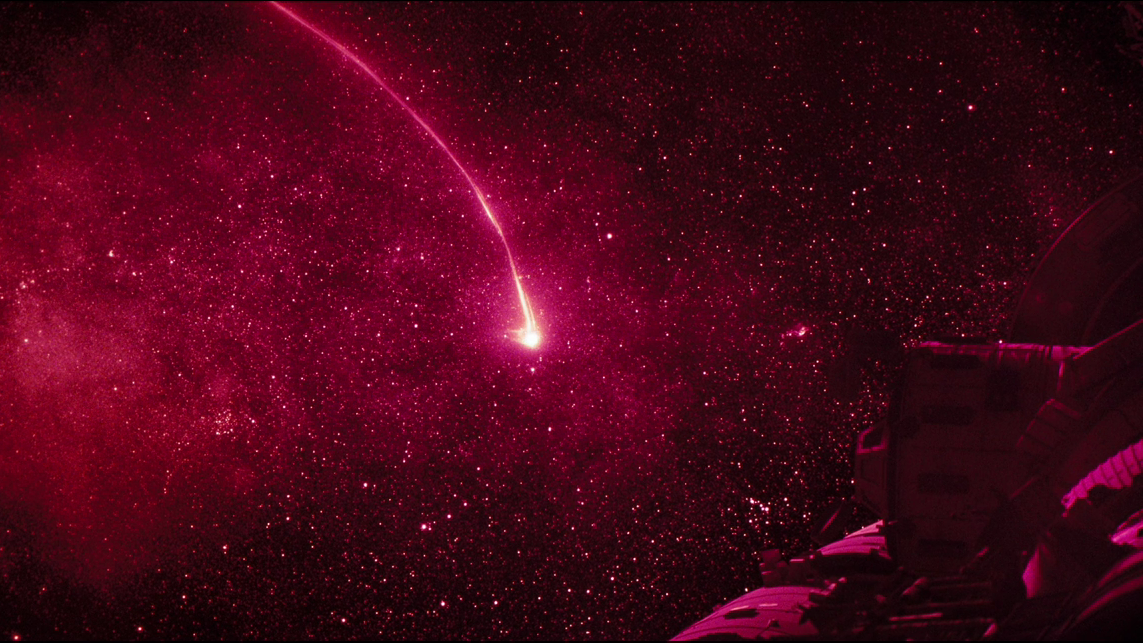
Greig Fraser: I imagine space as something deeply lonely, almost overwhelmingly so. There’s that line from Space Oddity — “Major Tom to Ground Control” — and for me, that captures the feeling perfectly. Space feels like a vast, empty void.
You hear astronauts talk about it too, like those from Artemis II — describing just how much “nothing” there is out there. And that, to me, is the most unsettling part. It’s not the presence of something terrifying, it’s the absence of everything.
If I put myself in that position, you can turn one way and see Earth, your home, everything familiar, everything beautiful. But turn the other way, and there’s just endless emptiness. That contrast feels intense.
I tend to feel anxious in places where I lose a sense of grounding, deep underwater, high in the sky, anywhere I can’t easily return to solid ground. And I imagine space would amplify that feeling completely. It’s not just isolation, it’s the scale of it that becomes overwhelming.
Is sci fi your favorite genre?
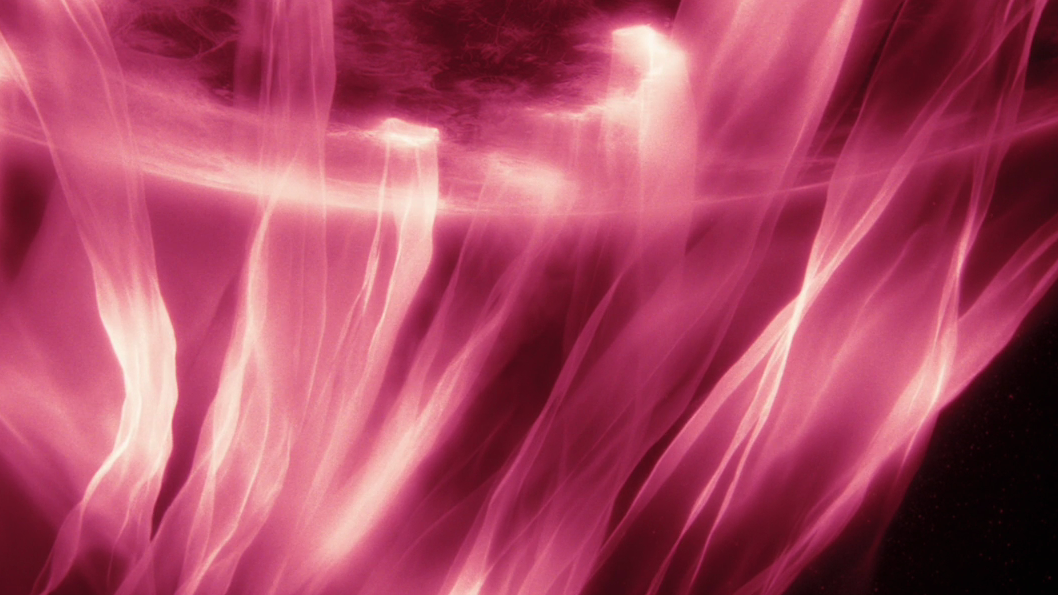
Not at all. I just happen to have worked on quite a few sci-fi projects. But to be honest, I’m not even sure everything I’ve done fits neatly into that category. Project Hail Mary, for example, you could call it sci-fi because of the presence of an alien, but I’d argue it’s closer to a space film, something more grounded, not too dissimilar from Apollo 13 in its approach.
Of course, some films are undeniably sci-fi, Dune is sci-fi at its core. But then something like Star Wars leans more into fantasy, really. So I’m not sure I’d define sci-fi as my favorite genre.
What I’m drawn to is storytelling that fully immerses me in its characters. I want to be captivated, regardless of genre. I was rewatching The Shawshank Redemption on a flight recently, and it completely pulled me in again. It’s a perfect film—truly. It has everything: character, emotion, love, loss, heartbreak. That’s what matters most to me.
Q: Before starting a film, do you watch other works in the same genre for inspiration?
I watch a lot of films, but not necessarily for inspiration in the traditional sense. By the time I come on board, I already understand the script and the directors’ vision, that’s where the real inspiration comes from. What I’m usually trying to figure out is how the film should look.
With space films in particular, there are so many visual languages to draw from—Alien, 2001: A Space Odyssey, Ad Astra, Interstellar, Sunshine, Gravity. Each one approaches space differently, so the challenge is finding a path that feels right for your film.
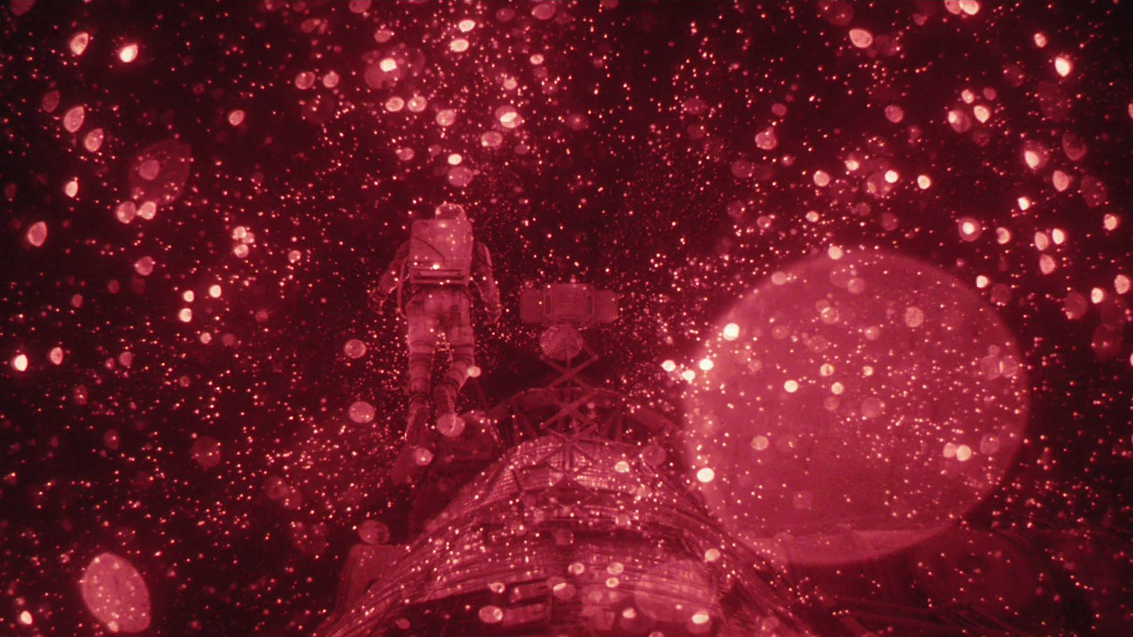
For us, it was about creating something that felt analog and lived-in—something tactile, used, and grounded. I kept thinking about Close Encounters of the Third Kind, even with its advanced technology, it still feels very human and analog. That was important to us, especially in contrast to the more polished, digital aesthetic you often see in modern sci-fi.
We wanted the film to feel like it was shot on film, even though we used digital for practical reasons, longer takes, smaller cameras, more flexibility. So we started building a visual language through references. Alien was a big one for me, the texture, the atmosphere, but we couldn’t go as dark. We needed to capture its spirit without fully replicating it.
In the end, it became an amalgam, borrowing the warmth here, the scale there, the texture somewhere else. It’s about shaping a visual identity that feels cohesive, even if it’s built from many different influences.
Q: Something I really loved about Project Hail Mary is that the image didn’t feel too polished or overly clean. It had this texture that almost reminded me of old videotape films. Was that intentional?
Absolutely, that was very intentional.
We could have shot it on the cleanest, sharpest cameras available, but that wasn’t the goal. We wanted the image to feel a bit older, a bit worn-in, something with texture, not something pristine or overly polished. It needed to feel lived-in, almost dusty, rather than something brand new or artificially “perfect.”
There were different ways to achieve that. Shooting on 35mm film would have naturally given us that texture, but we also wanted the scale and clarity that comes with IMAX. So it became a matter of finding a balance, retaining that tactile, filmic quality while still working within a digital format that allowed for flexibility and scale.
It was about creating an image that feels real and grounded, without leaning into artifice. Something that has depth through texture, even if visually it sometimes feels flatter, almost like a painting, rather than overly sharp or hyper-detailed.
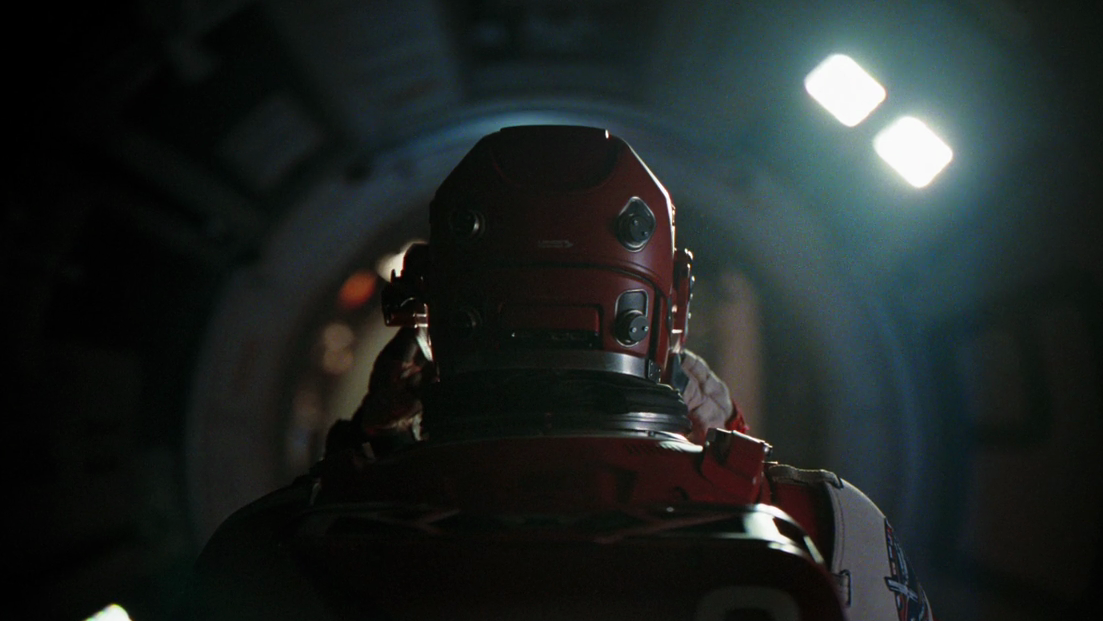
Q: A lot of this film centers on one person alone in space. How did you approach photographing that kind of isolation in a way that stays visually engaging and never feels repetitive?
That was a big concern from the start, how to keep it visually engaging without the audience feeling bored or stuck in repetition.
For me, it came down to building enough visual variety within the environment itself. That’s where color, set design, and composition become crucial. The ship had to feel alive in a way, full of detail, texture, and shifting visual interest, so even within a confined space, there’s always something new to engage with.
We also leaned into moments of activity and contrast. Before he even meets Rocky, there’s a sense of progression—he’s moving through different spaces, interacting with his surroundings, whether it’s something as simple as dancing with a mop or navigating the ship. Those moments help break the monotony.
And then structurally, cutting back to Earth was important too. It gives the audience a reset—a different visual language to contrast with the isolation of space.
Ultimately, it’s about layering enough variation into the visuals so the audience stays engaged, even when the story is centered on a single character alone.
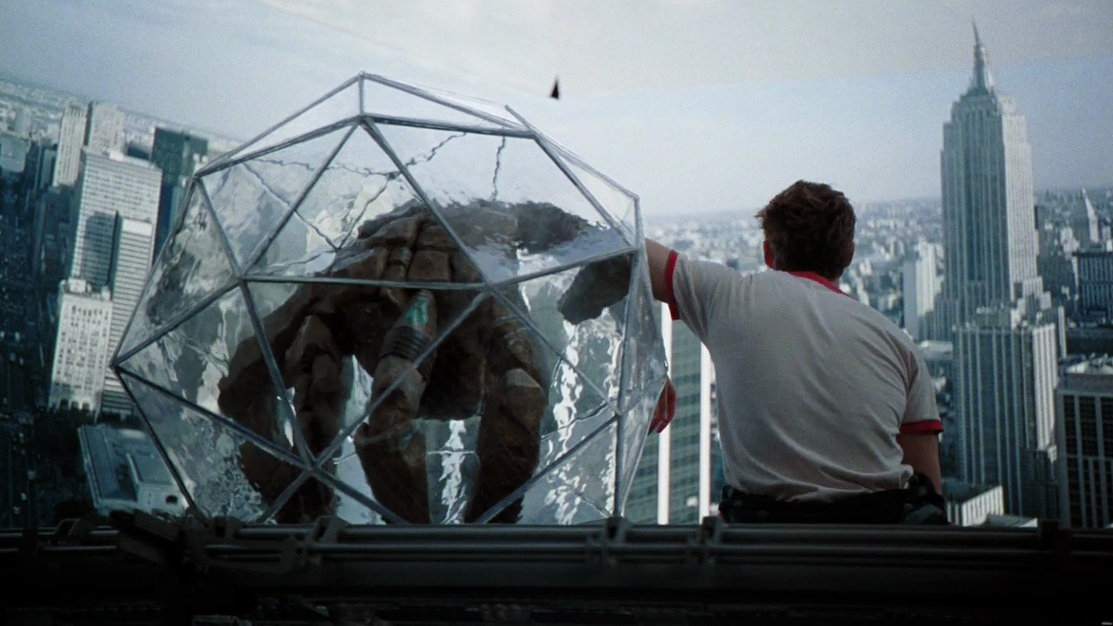
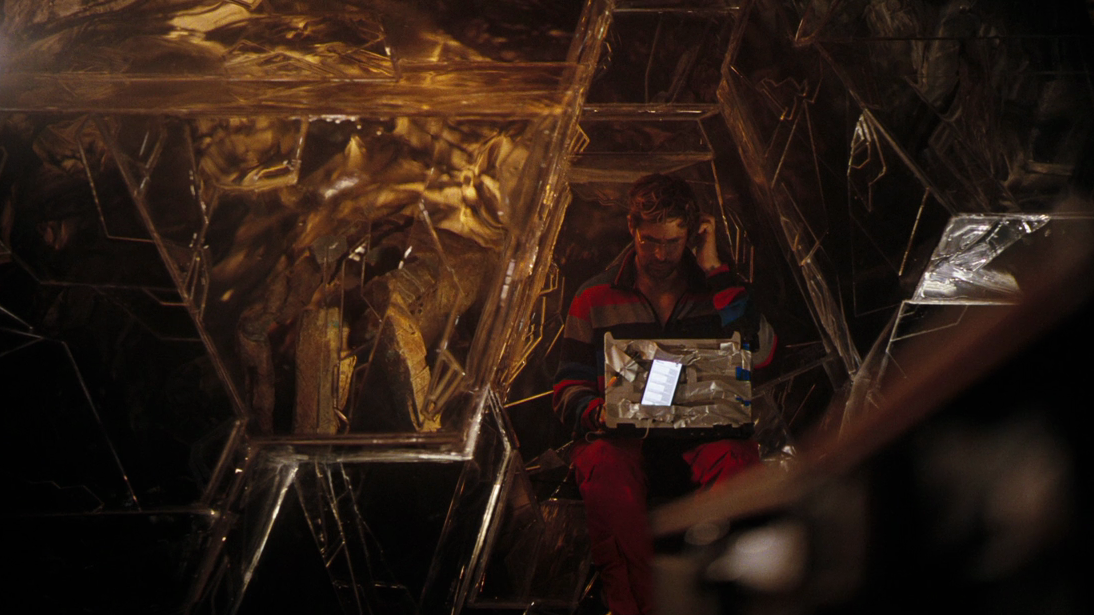
Q: When you first read the script and saw the idea of Rocky, what was your initial reaction? How did you begin imagining how those scenes should look and feel?
Rocky was a difficult character, because he doesn’t have many of the things we usually connect with emotionally. As humans, we’re drawn to faces, eyes, expressions — those are often the things that help us feel close to a character.
But Rocky has no eyes. He has no face. He looks like a rock, with elements that are almost crab-like or spider-like — and those aren’t usually things people instinctively describe as cute.
So my first reaction was: how are we going to make this creature feel lovable?
My job was partly to make sure he never felt scary through the way we photographed and lit him. But honestly, so much of it came down to the puppeteering. James Ortiz and his team did extraordinary work. They managed to give this rock with no face a real personality.
That’s an incredible thing — to make something with no traditional emotional features feel alive, expressive, and deeply lovable.
Q: Is there one shot from any of your films that you always come back to — something you see as your best work, or simply a shot that means a lot to you?
It’s hard to choose just one, there are quite a few moments across different films that I really love. There are shots in Dune: Part Two that I’m very proud of, and I’ve always had a soft spot for the ending of The Batman as well. That final moment really stayed with me.
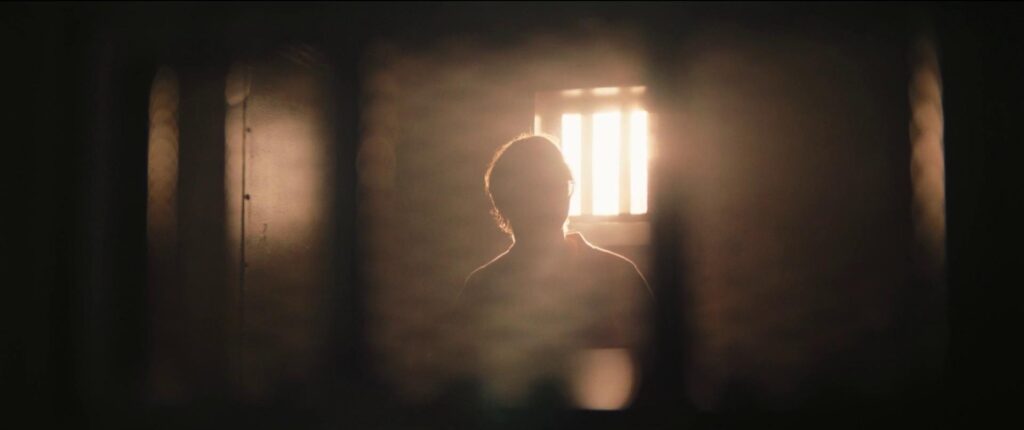
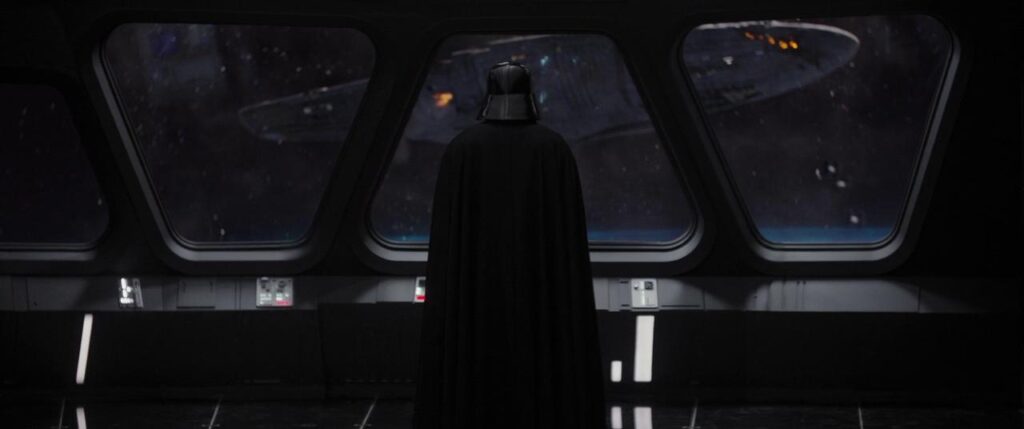
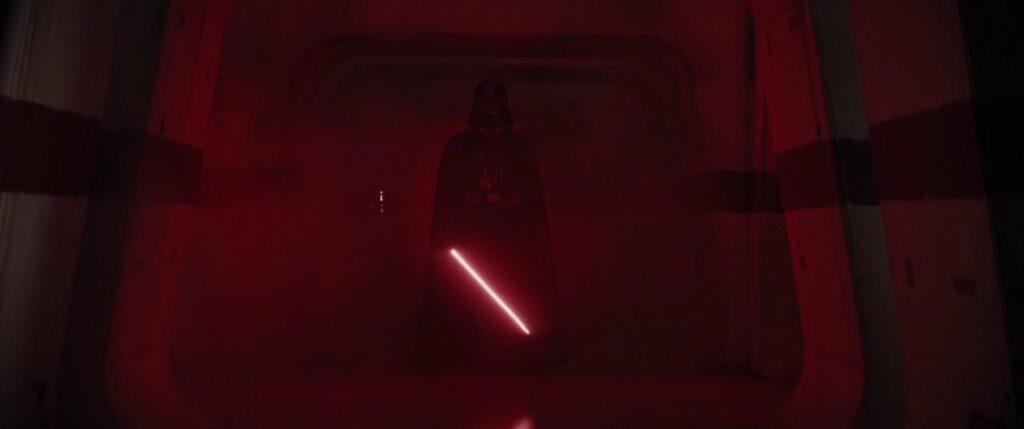
I also love the ending of Rogue One: A Star Wars Story, specifically the moment when Darth Vader emerges. There’s something incredibly powerful about that shot; it’s definitely one of my favorites.
And then there are quieter, more intimate moments too, like some of the work in Mary Magdalene with Rooney Mara and Joaquin Phoenix that I really connect with.
But if I had to pick one, I’d probably go with that shot of Darth Vader at the end of Rogue One.
Q: Let’s imagine there’s an unknown world called Greig Fraser somewhere out there. What do you think it would look like?
A world called Greig Fraser would have a sense of order, but not necessarily be orderly.
Cities are rarely designed with one clear vision in mind. They often grow haphazardly, and sometimes that lack of planning becomes part of their beauty. Matera in Italy, for example, was not built with a strict design intent, yet it has this incredible sense of order within the disorder.
But then there are cities where the lack of design makes them feel chaotic, and others that are so planned they become lifeless, like estates where every house has to be painted a certain color. That kind of control can be horrible too.
So I think the world I would live in would have a degree of disorganization, but fundamentally it would feel designed. It would visually appear considered, without being too controlled. I have a hard time with visual noise, and in my work I’m always trying to cut that out, to distill the world into images that feel more ordered, but not necessarily orderly. That distinction is important: an ordered place is very different from an orderly one.
Q: How would it feel to exist there?
It would feel like a place of visual contentment, but not one that lets you become too comfortable.
There’s a calmness to it, a sense that everything is considered, yet it wouldn’t be the kind of comfort that encourages you to sit still and do nothing. It’s not like being on a porch at sunset after a long day, completely at ease. Instead, it would gently push you forward, encouraging you to get out, create, and achieve.
So while it offers a sense of visual ease, it also carries an underlying energy, a quiet drive that keeps you engaged rather than at rest.
Q: Does the idea of shooting a horror film excite you?
Absolutely. I actually worked on a horror film called Let Me In, which was based on the novel behind Let the Right One In. That experience really stayed with me, I love the horror genre.
That said, I think I’m drawn less to the genre itself and more to the feeling a film gives you. If I’m fully committed to a project, I can fall in love with any genre. One of my favorite films, for example, is Grease. I wouldn’t usually describe myself as a big musical fan, but that film is just pure joy, it makes you laugh, it moves you, it gives you everything.
It’s the same with something like Barbie. I loved it for that exact reason, it delivers emotion, humor, and a full experience.
So yes, horror excites me, but ultimately, what I love most is any film that can completely draw me in and make me feel something.
Q: If you could have shot any film in history yourself, which one would you choose to reinterpret visually, and why?
Honestly, any film shot by Roger Deakins, I would have loved to be behind the camera on those. The same goes for Conrad Hall. Their work is just on another level.
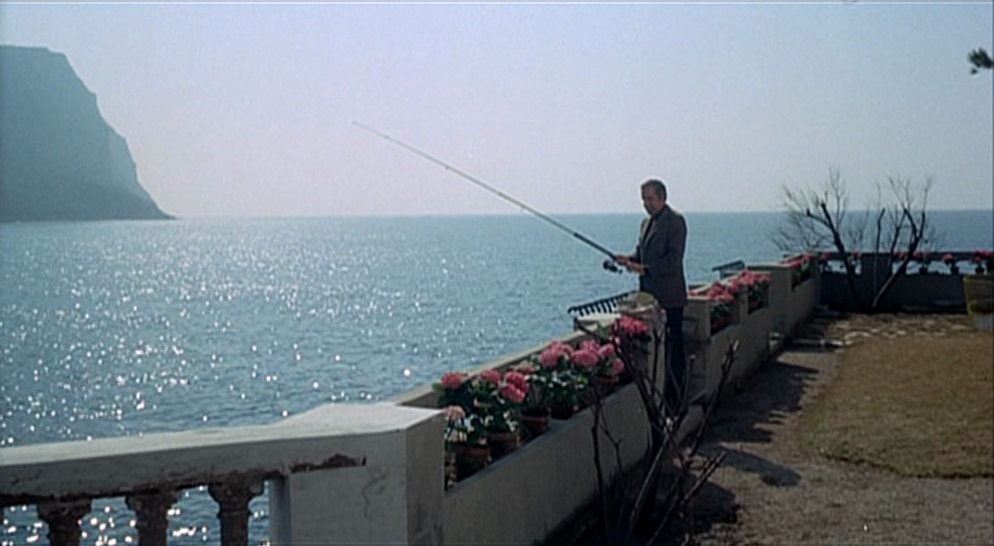
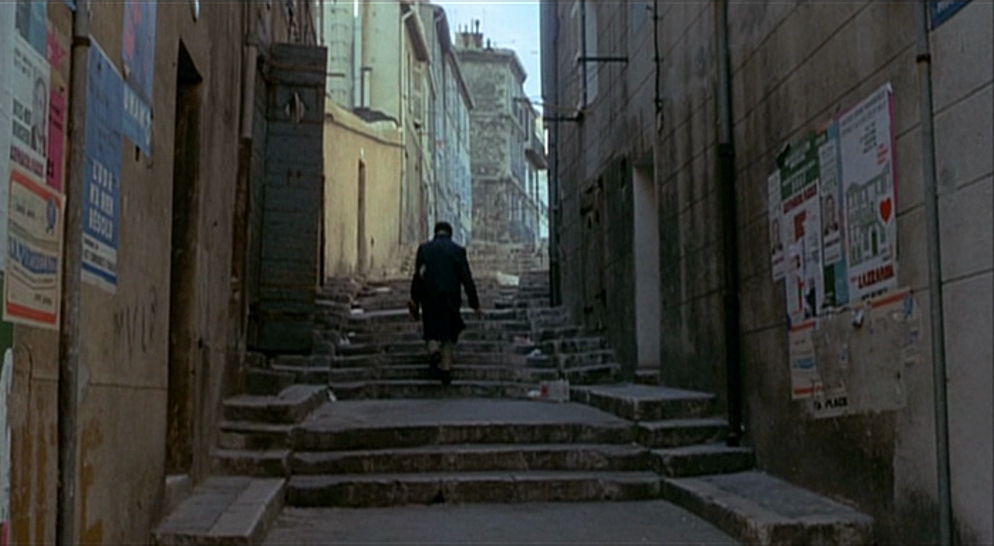
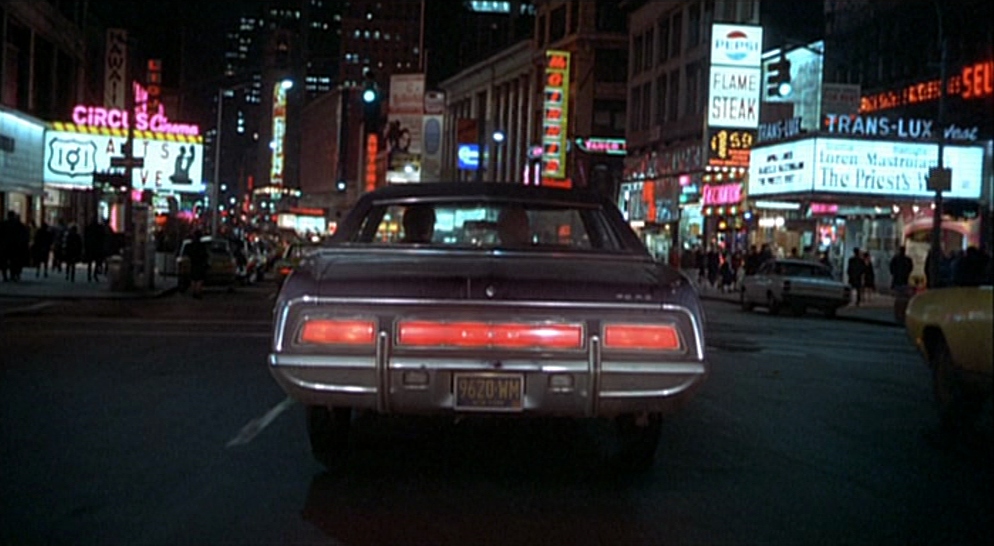
But if I had to choose something more specific, I’d probably go with The French Connection. There’s something about the rawness of it, the energy, the way it captures its world, it’s incredibly affecting.
I also deeply connect with films like The Shawshank Redemption, and I love what Denis Villeneuve has done with Arrival and Prisoners, films that were beautifully shot by Bradford Young and Deakins. Those are the kinds of projects that stay with you.
But The French Connection, that would be the one I’d choose to reinterpret visually.
Q: If you were ‘a shot’ in a film, what would that look like? Describe it for me from your imagination, or reference a scene from a specific movie.
I don’t think I could sum myself up in a single shot. That’s part of what drew me to filmmaking in the first place. I started in photography, but I always struggled with the idea of telling a complete story in one image. Even the most powerful photographs, like those from war zones, capture something profound, but they’re still only fragments of a larger narrative. They give you a moment, not the whole picture.
So for me, I’d probably lean toward a sequence rather than a single shot. That’s where storytelling really comes alive, across multiple images, building something more complete.
But if I had to choose one image, I think it would be a wide shot. I’d be placed at the center, whether it’s me physically or just a presence, and the environment would be very minimal. Not a desert, not a field, but something more abstract and stripped back, like a quarry, dark browns, almost black, very raw and textural.
And I’d be facing away from the camera.
That would be the shot.
All images featured in the article are the property of their respective studios and production companies.