By
Horror has become a defining force in Hollywood over the past few years, with the Academy increasingly recognizing the power of horror performances and films. The genre has helped revitalize the industry, introducing new voices, and showcasing rising stars such as Nina Kiri, an actor whose talent deserves to be seen on the biggest stages and whose presence should make her a fixture on every casting list.
With Undertone emerging as one of A24’s most anticipated films of the year, the studio’s first major horror project in some time, the film has already made a significant mark. Even compared to last year’s Bring Her Back, Undertone stands out, an impressive feat for a horror film competing against blockbusters like Project Hail Mary and Ready or Not 2. To date, it has crossed $15M worldwide on a modest $500K budget.
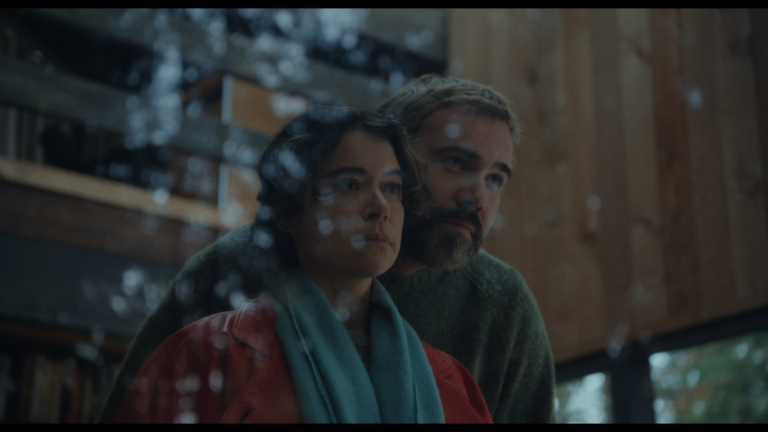
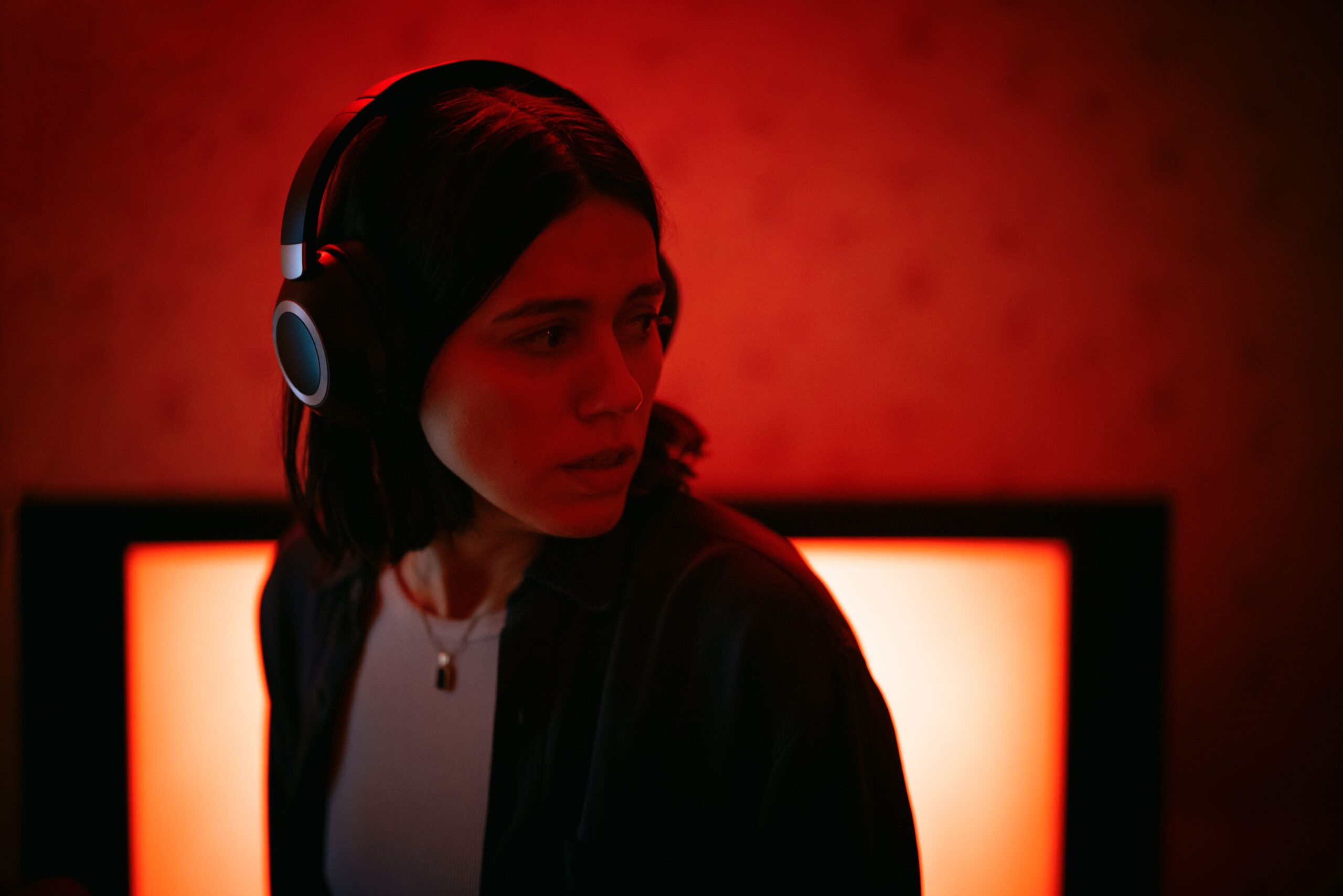
In her latest project, Undertone, Nina Kiri delivers a performance that is both intimate and unflinching, navigating the psychological depths of a character confined within a single location. For Kiri, the experience was unlike anything she had done before: a fast-tracked, tightly contained shoot that distilled filmmaking down to its essentials and allowed the cast and crew to work with rare efficiency.
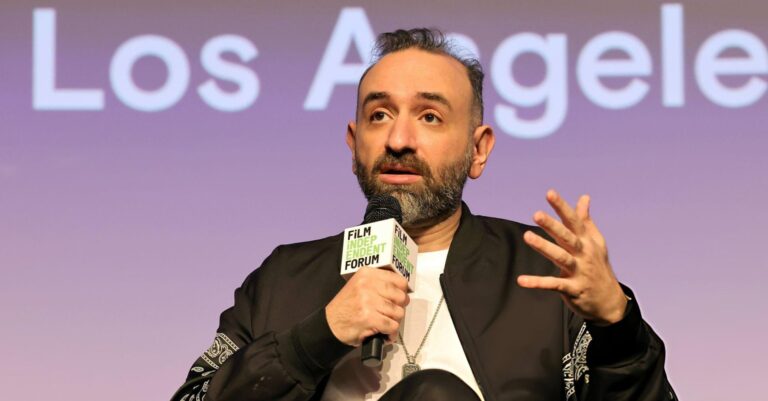
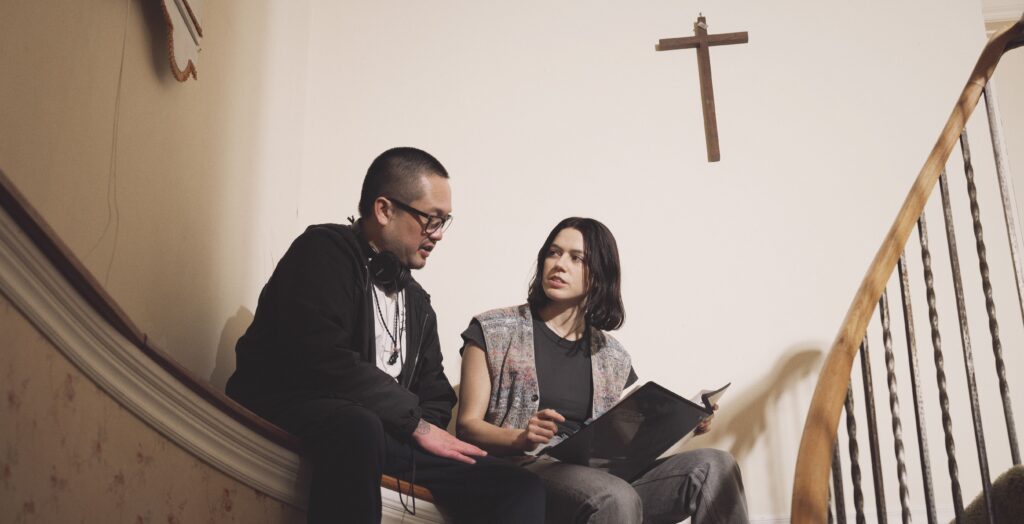
Working with director Ian Tuason on his debut feature proved equally distinctive. Kiri describes Tuason as both precise in his vision and deeply trusting of the actors he assembled. That trust created a space for vulnerability, allowing her to fuse her own darkness with that of the character Evy and explore deeply personal emotional territory. The collaborative dynamic, combined with the film’s minimalist setting, made the work both challenging and rewarding.
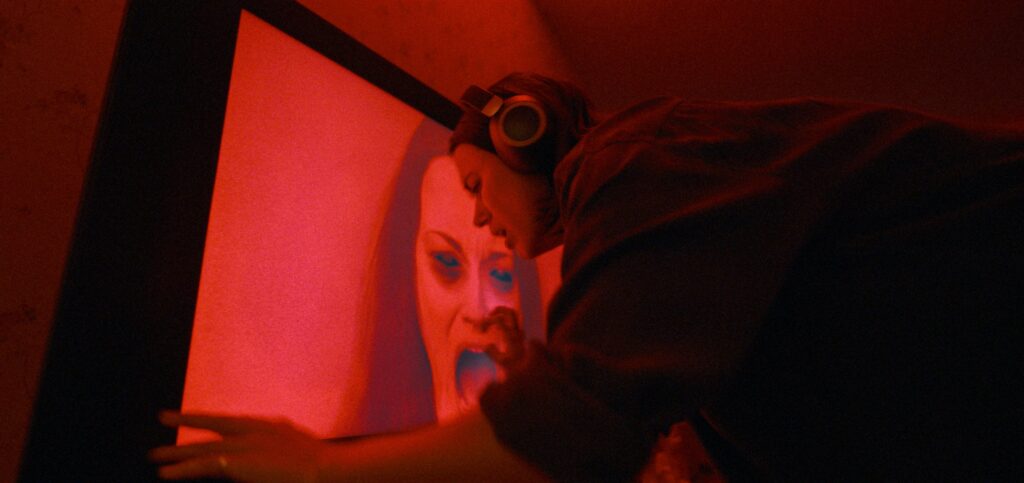
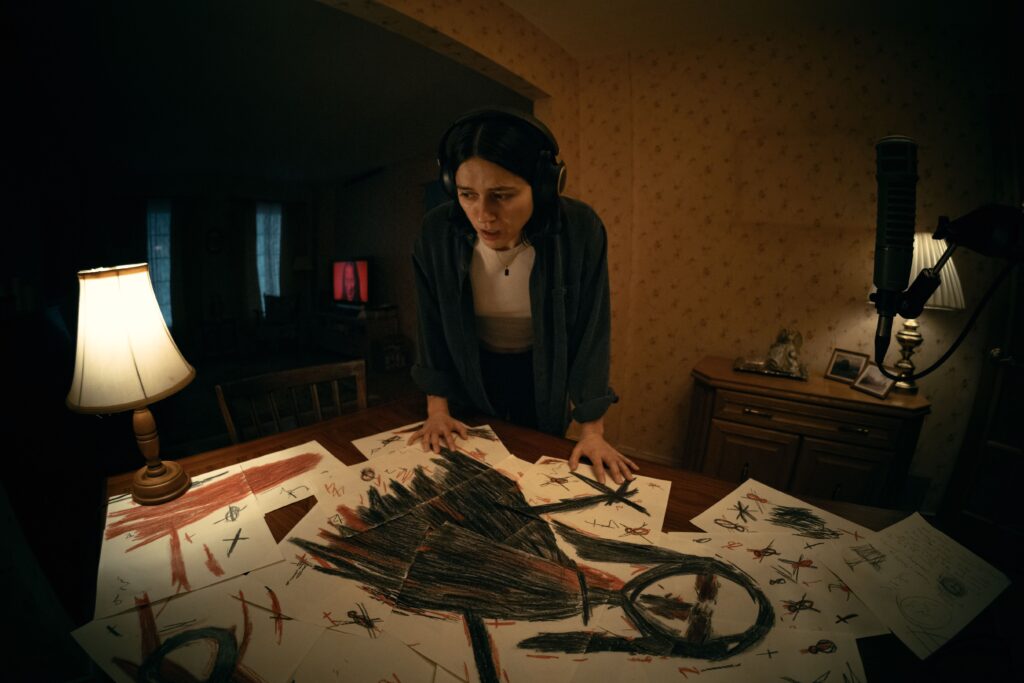
Undertone pushes boundaries in subtle but powerful ways. From using real EVP recordings as dialogue to transforming familiar childhood songs into unsettling motifs, the film plays with fear, memory, and perception. Kiri reflects on how the film’s design, relying heavily on her solo performance in a confined space, demanded both emotional and physical endurance, particularly during moments of intense breakdown. Yet she approached the role with preparation and confidence, grounding herself in the truths she had written about Evy’s perspective on the world.
Q: How was your experience working on Undertone different from anything you’ve done before?
NK: There was a harmony and simplicity because there were so few people, and we were all in this 6 meter radius of the house. Everything was fast tracked and down to the bone, which eliminated a lot of the slog that can happen when making a movie: waiting for everyone, getting everyone to the location, etc. It was all there; we could efficiently do many things in that confined space. It was satisfying in that way.
Q: And what was it like collaborating with Ian Tuason on his directorial debut?
NK: Much of what made the filming process so enjoyable was Ian’s style of directing. It’s a combination of knowing exactly what he wants and trusting 100 percent in the people he chose to be a part of the movie. He’s one of the most trusting directors I’ve ever worked with. That was, I think, very empowering to all of us. He wrote Evy based on himself, so there are some deep and personal things we got into, and ways we fused our darkness. His willingness to be so vulnerable was very moving to me. I felt safe and trusting of him, and I felt he trusted me.
Q: How did the casting process for the film come about?
NK: There were no auditions; I was offered the role because I had done a few indie horrors back in the day with two of the producers, Cody and Chad, so they put my name forward.
Q: The film uses real EVP recordings as dialogue. What was your reaction when you first learned about that element?
NK: I only heard when we were shooting those scenes. I’m so impressed by those recordings and Jeff and Kiana’s performances in them. I’ve heard them so many times by now, and they still give me chills.
Q: Were there any scenes in Undertone that were particularly challenging or emotionally intense to shoot?
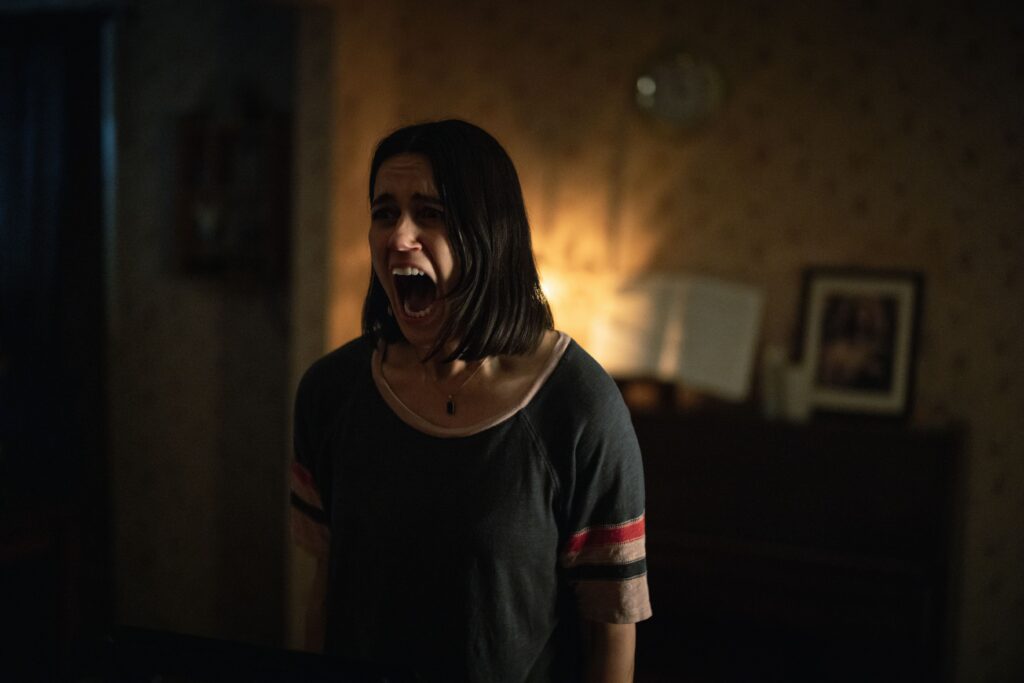
NK: Evy’s breakdown when she’s freaking out towards the end, that was physically and emotionally tiring for me.
Q: Are you drawn to working in horror more than other genres, or do you see yourself exploring different kinds of films in the future?
NK: I think I didn’t understand the power of horror or genre movies in general when I was younger. Seeing incredible horror films has changed my perspective on the power that it can have to affect an audience and deal with real-life issues below the surface. My favorite types of movies, though, are dramas and dramatic thrillers; that has been consistent my whole life.
Q: Was there a specific sound that used to scare you as a child? And what kinds of sounds unsettle you now?
NK: I was very afraid of a witch I called Ljuta Teta (the Mad Lady), and I had nightmares about her. Creaking sounds around the house freak me out, like a door opening and someone coming to get me.
Q: Much of the film relies on your performance alone in a single location. What was that experience like as an actor?
NK: I think because I was so sure of who Evy was, and I felt so comfortable in that environment with everyone, I didn’t feel alone. When I needed to ground myself, I had written throughout the script some truths I knew about how Evy sees the world and operates within it.
Q: The film uses the nursery rhyme Baa Baa Black Sheep in a particularly eerie way. Was there anything from your childhood, songs, stories, or sounds, that used to creep you out in a similar way?
NK: There is a Serbian children’s folk song, ‘Babaroga,’ about a witch who lives in a cave, and I always imagined her in a big hole in the earth. I think that’s where I got Ljuta Teta from, and it really freaked me out.
Q: Are there any horror performances that have inspired you as an actor? What do you hope audiences feel when they watch Undertone?
NK: This isn’t a horror performance, but a particularly thrilling performance is Deragh Campbell in Anne at 13,000 Feet. She falls apart in this kinetic and fervent way; you cannot look away. When I first watched the movie at TIFF and the credits came on, I turned to my mom next to me in the theatre and said, ‘Wait, so we’re watching shorts?’ and she goes, ‘No, that was a feature film??’ It was so good it felt like the movie went by in 20 minutes.
When people watch Undertone, I hope Evy grounds them and they can connect to her situation in some way.
Q: After working on this project, has your relationship with horror, or the paranormal, changed in any way?
NK: I’m a bit more of a believer, I have to admit.
Q: Lights on or lights off when watching a horror movie?
NK: Off if I’m with someone. One small one on if I’m alone.
Q: What scares you more: silence or noise?
NK: Silence.
Q: If you were a single shot in a film, what would it look like? Make something completely up.
NK: I had a nightmare that I was filming one long take where the camera follows me from off-stage, into an audience, then onto a gigantic stage, and I hadn’t even looked at the lines. I had no idea at all what to do, and I kept trying to remember the pages but to no avail. Well, if that wasn’t a nightmare and I did know the lines, I think it would be a fun long single shot.
Q: Are there any directors you would love to collaborate with in the future?
NK: Luca Guadagnino, Maren Ade, and Jonathan Glazer.
Q: What is your all-time favorite horror film?
NK: The Vanishing!