
By
Every few years, we swear we’re done with it. We’ve graduated. We pay taxes. We answer emails. We know better than to romanticize high school hallways or boarding-school scandals. Then, the second another impossibly beautiful cast of teenagers starts making catastrophic decisions in designer uniforms, we’re right back where we started.
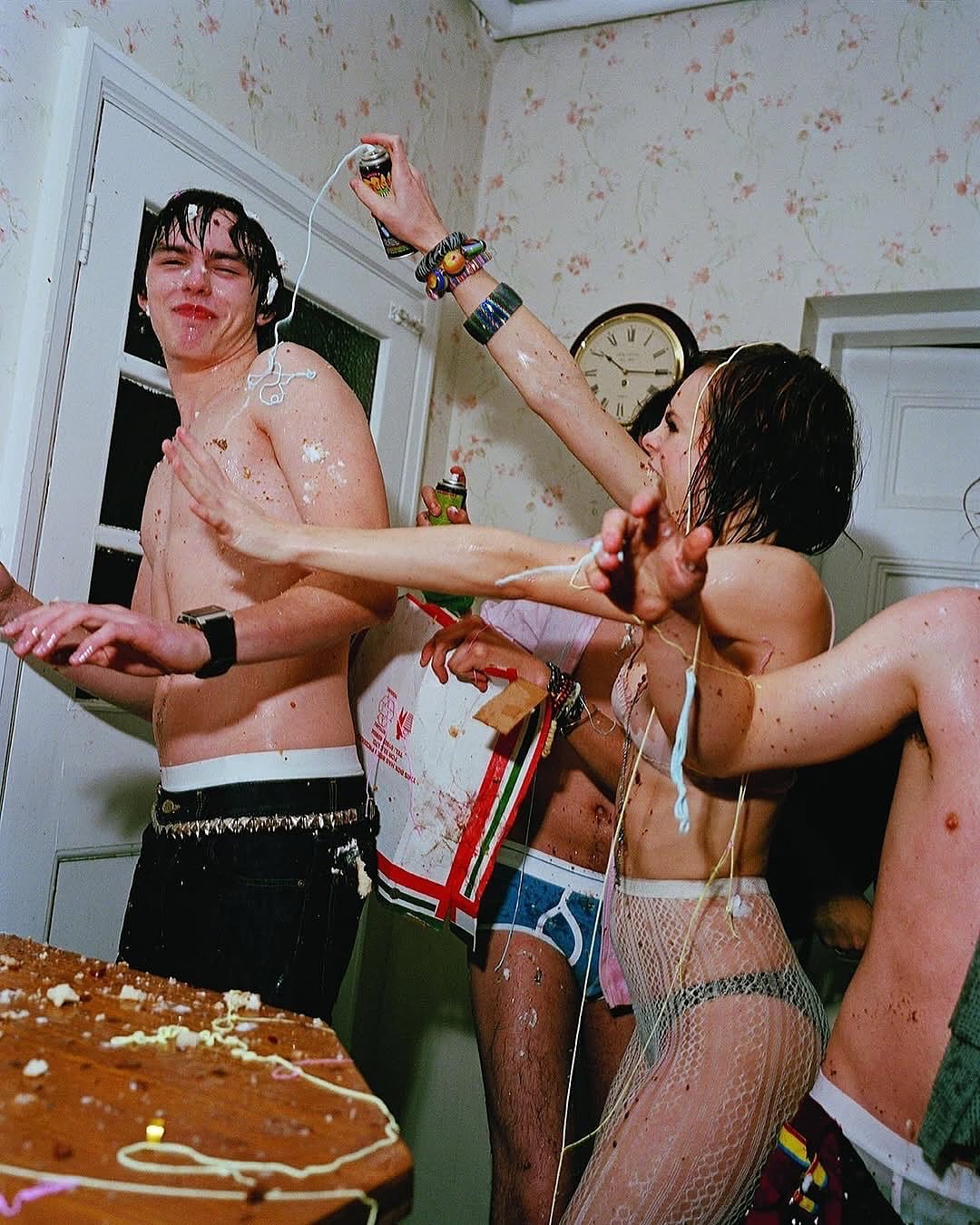
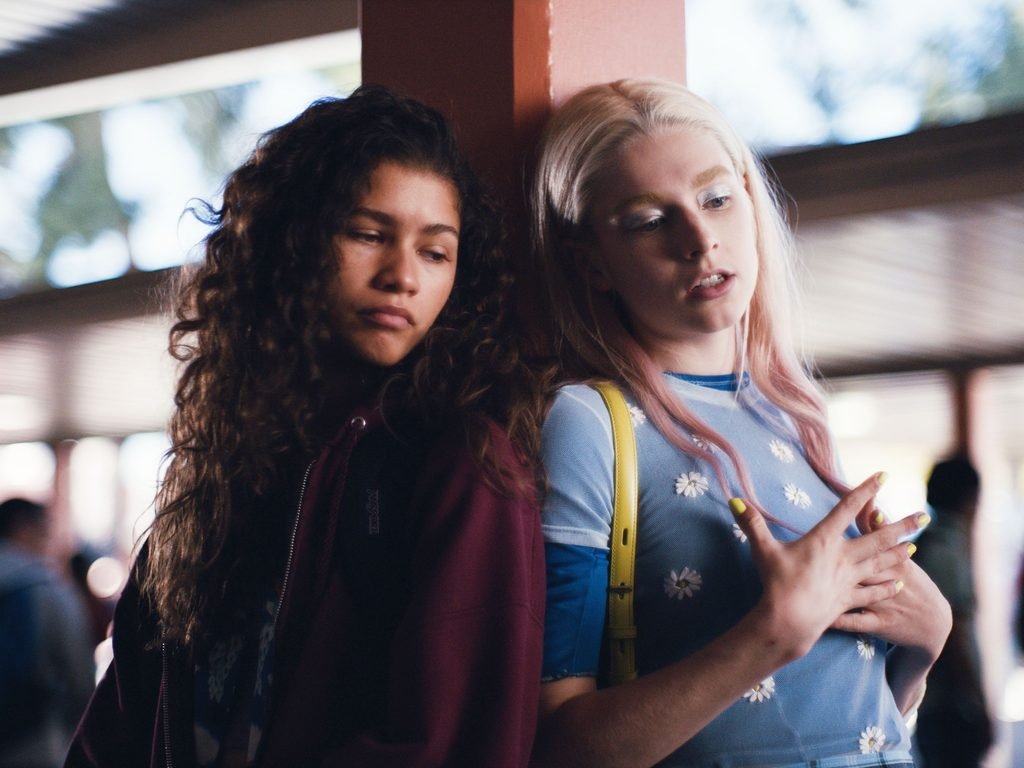
Skins. Gossip Girl. Pretty Little Liars. Cruel Intentions. Elite. Euphoria. Now, with FX’s adapting Bret Easton Ellis’ The Shards, we’re returning to another universe where youth and danger become synonymous. Not every modern hit leans into darkness, though. The recent success of romance-first stories like The Summer I Turned Pretty, Off Campus (albeit, slightly older than teenagers), and Sterling Point proves that audiences remain just as invested in softer versions of adolescence. These stories swap serial killers and psychological breakdowns for first love, summer nostalgia, and emotional longing, but they revolve around the same appeal: the intoxicating feeling that every relationship could change your life forever. Whether the backdrop is a beach house or a crime scene, adolescence remains the emotional hook.
The obvious explanation is escapism. These shows offer a heightened version of adolescence that most of us never actually experienced. The parties are bigger, the houses are grander, the wardrobes are impossibly expensive, and somehow everyone has both the emotional vocabulary and the free time to unravel spectacularly. Reality has very little to do with it.
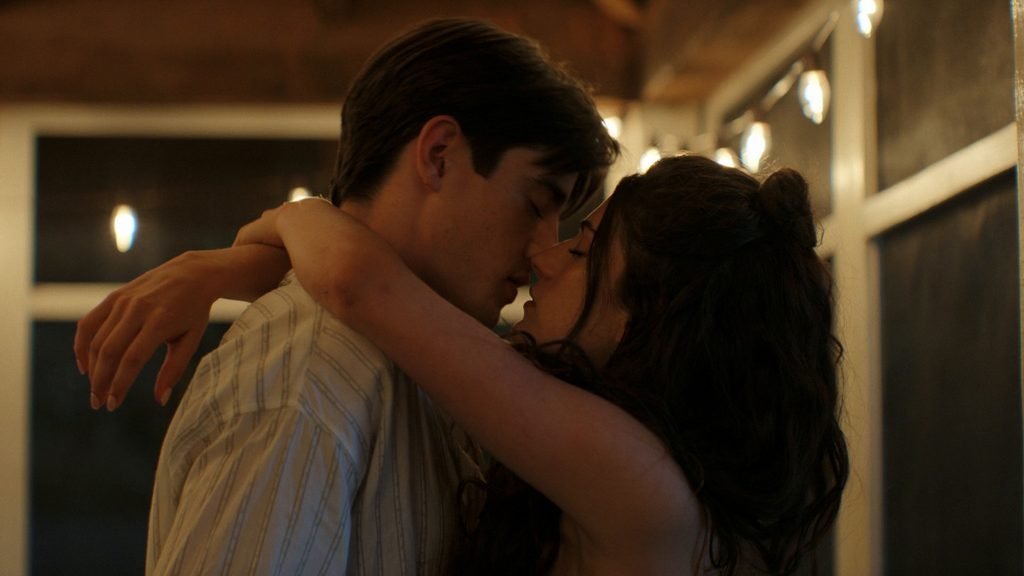
However, the appeal runs deeper than wish fulfillment. These stories get what it’s actually like to be young: everything feels like the end of the world. Your first heartbreak takes over your identity, a single secret feels like it could destroy your entire social circle, and every decision carries an exaggerated sense of consequence because, at sixteen or seventeen, you’re still discovering who you’re going to become. Prime Video’s Sterling Point offers a striking example of this pull. Created by Megan Park and executive produced by LuckyChap, the series follows 17-year-old Annie Jacobson in a posh Manhattan home as she prepares for a prestigious Wharton summer program. When her grandfather Gordon passes away and leaves her a Canadian estate in Muskoka, Annie slips away to uncover the truth about her late mother. Behind the island’s stunning scenery lies a web of family secrets, an unexpected doppelgänger, and deeply buried pasts that hook viewers right back into the intensity of youth.
Teen dramas also externalize that emotional intensity by surrounding it with murder mysteries, sex scandals, betrayals, addictions, cults, and crimes. The stakes are high because that is honestly just what being a teenager feels like on the inside. It’s why Euphoria isn’t really about drugs, Gossip Girl isn’t really about Manhattan’s elite, and Elite isn’t just another murder mystery. Look past the facade, and they’re all driving at the same point: the terrifying freedom of trying to figure out who you are before you actually know.
In a study titled Anxiety, Helplessness and “Adultescence”: Examining the Appeal of Teen Drama for the Young Adult Audience (2009), media scholar Rebecca Feasey argues that these stories resonate because they speak to a generation experiencing what she calls adultescence—a prolonged, uncertain transition into adulthood. As traditional milestones like marriage, home ownership, and lifelong careers become less defining, the emotional questions at the heart of adolescence—Who am I? Where do I belong? What kind of person am I becoming?—don’t disappear once we leave high school. They evolve. Teen dramas allow adult viewers to revisit those questions in heightened, emotionally charged worlds where every feeling still carries enormous weight. In that sense, we’re not watching because we miss being teenagers; we’re watching because uncertainty never really stops following us.
Then there’s the beauty. These settings are designed to pull you in with ambient lighting, massive homes, classic cars, flawless skin, and high-end fashion. The visual aesthetic carries just as much weight as the script, pulling viewers into a fantasy where even pain and messiness look cinematic. It’s a contradiction we’ve grown remarkably comfortable with: the prettier the world becomes, the darker we’re willing to let the story go.
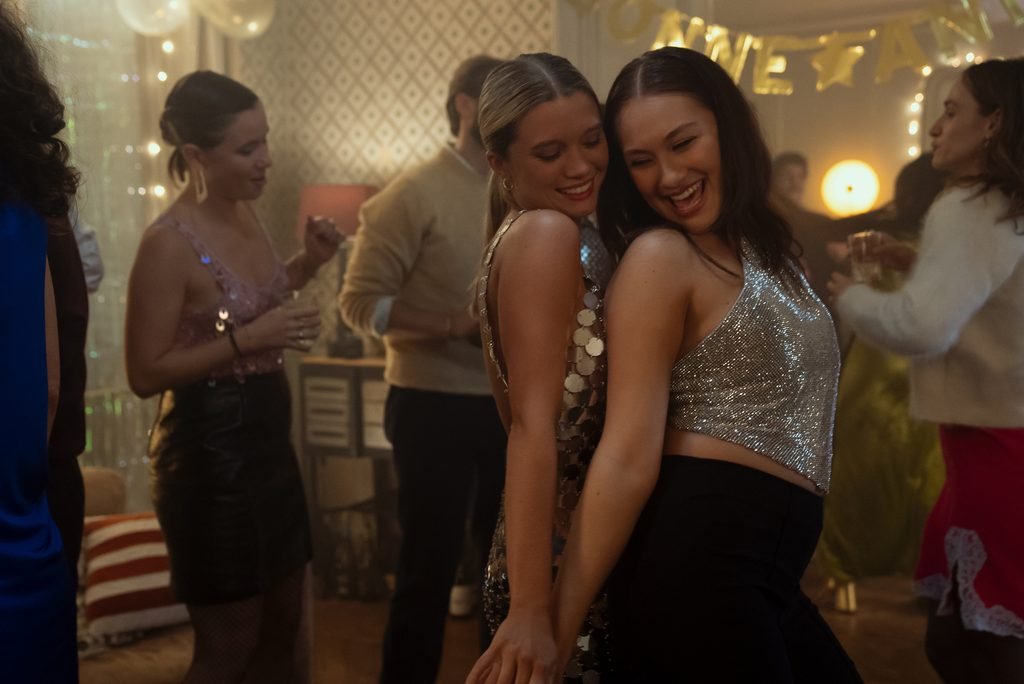
This could just be one of the many reasons why these shows hold up so well. They aren’t trying to be documentaries about actual teenagers; they’re high-end fantasies wrapped in a coming-of-age shell. No one rewatches Gossip Girl and feels like they’re looking back at their own high school experience. We’re usually watching for the drama, the tea, and, of course, the outfits.
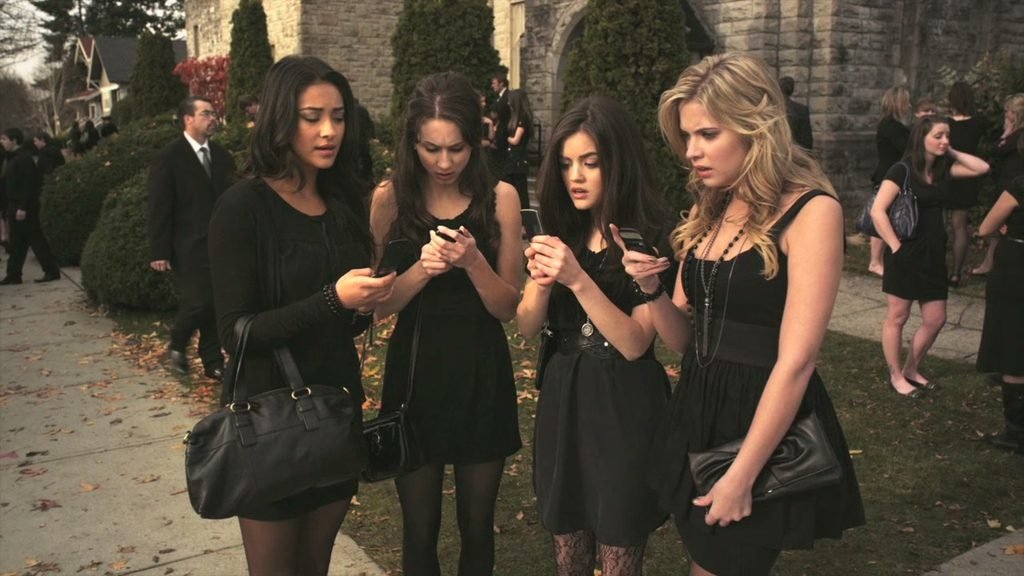
We prefer looking at shows like Pretty Little Liars and films like Cruel Intentions (even its 2024 TV adaptation) and going down their dark, manipulative rabbit holes than looking back at our awkward adolescent memories. Even Skins, which is easily the grittiest of the bunch, managed to turn messy teen years into something raw and larger-than-life. Adults keep watching not because anyone misses high school, but because adolescence represents an emotional intensity that’s difficult to recreate later in life. Studies on nostalgic television suggest viewers often return to these stories for precisely that feeling rather than historical accuracy.
Now, in 2026, The Shards arrives. Set in 1981 Los Angeles, Bret Easton Ellis’s story follows an elite prep-school senior whose privileged world starts cracking under the shadow of a serial killer. True to Ellis’s style, it skips cheap nostalgia to expose what rots beneath pretty-glass surfaces, treating wealth, beauty, and youth as disguises to something lurking underneath.
That makes Ryan Murphy’s television adaptation, which premiered on August 5 with new episodes dropping weekly, a natural continuation of this lineage. The project taps into why audiences keep returning to these stories. Adults keep watching not because anyone misses high school, but because we are hooked on the clash between innocence and corruption, and the fact that gorgeous worlds always hide the ugliest secrets.
Adolescence stands out as one of those rare phases where feelings hit without a shred of irony. You fall completely in love, hate with your entire body, and your best friend is forever until they aren’t. Your future feels like an open horizon of possibilities, far from the list of obligations as an adult. Growing up teaches control, but teen dramas provide the antidote. They let us step back into a version of ourselves that believed every choice mattered, every romance would last forever, and every summer could change everything.
In their 2026 study Blending Genres, Crossing Generations: Contemporary Teen Dramas and Their Audience, media scholars Stefania Antonioni and Chiara Checcaglini argue that the teen drama has subtly transformed into an intergenerational genre. Thanks to streaming platforms and changing audience habits, these series are no longer made exclusively for teenagers; they’re increasingly designed with adult viewers in mind. The researchers point to a growing hybridization of the genre, where coming-of-age stories collide with psychological thrillers, murder mysteries, and crime dramas, expanding their appeal far beyond high school audiences.
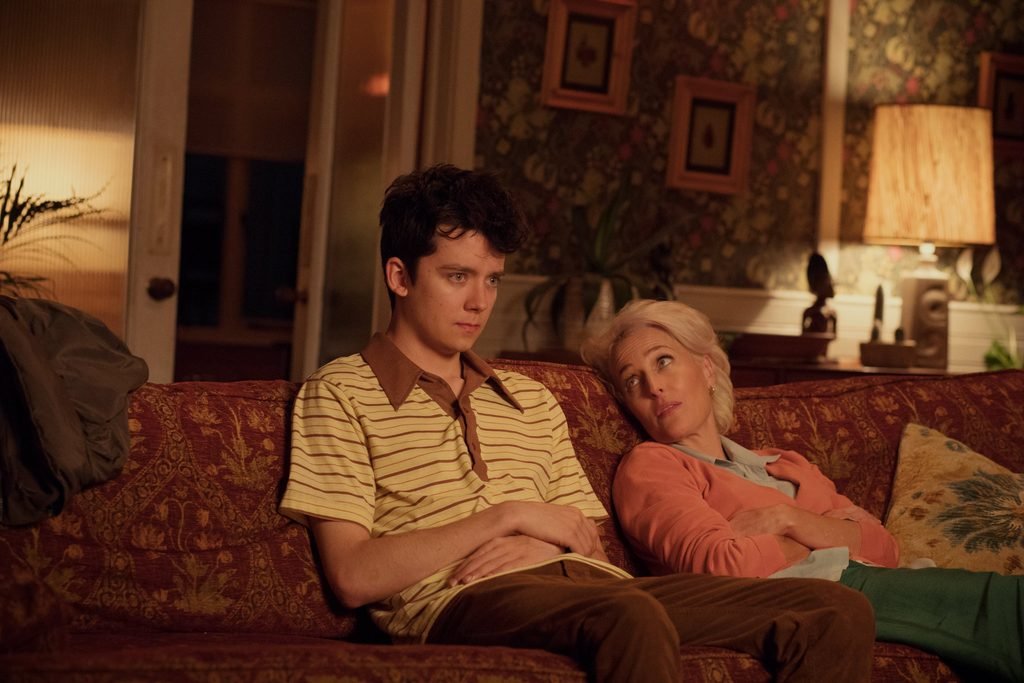
In the process, adolescence itself has become increasingly “adultified.” Teenagers are no longer navigating first crushes and final exams alone; they’re confronting addiction, violence, privilege, power, and moral collapse through narratives that feel distinctly adult. Even teen dramas without a thriller element, such as SKAM, Sex Education, and Ginny & Georgia, explore complex themes including sexuality, sexual assault, mental health, and identity, further blurring the line between adolescent and adult storytelling.
One of the clearest indicators of this adultification is the shift in maturity ratings. Whereas earlier teen dramas produced for broadcast and cable networks typically carried TV-14 ratings, many contemporary streaming series are now released as TV-MA due to explicit depictions of sexuality, violence, substance abuse, and trauma. Shows such as Euphoria and One of Us Is Lying exemplify this transition, reflecting streaming platforms’ greater creative freedom but also signalling a departure from the traditional teenage target audience. As Anna Govert (2023) argues in The Teen Drama Is Dead, the streaming era has increasingly produced teen dramas that appeal as much—if not more—to twenty-something viewers than to adolescents themselves, further blurring the boundary between youth and adult television.
Perhaps most interestingly, Antonioni and Checcaglini found that young viewers themselves recognize this “adult gaze.” Rather than seeing these shows as faithful reflections of their own lives, they’re aware they’re consuming stylized fantasies of adolescence; worlds that are meticulously curated, emotionally heightened, and visually seductive. We recognize those worlds aren’t real. Yet emotionally, they never stopped feeling familiar. Perhaps that explains why we never stop watching gorgeous teenagers make terrible decisions.