
By
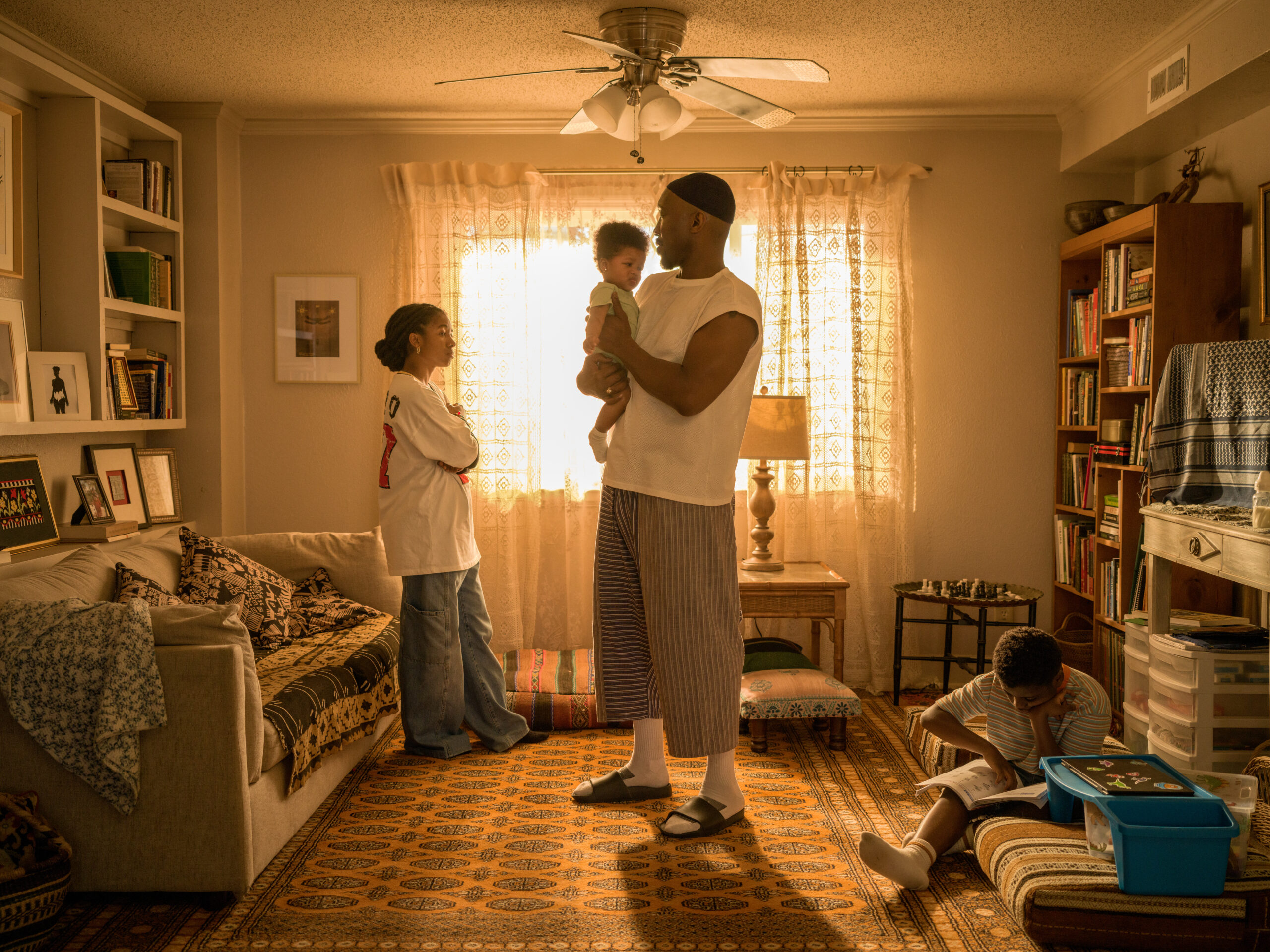
Your Mother, Your Mother, Your Mother is unlike any film you have seen before. An expertly blended tale of quest and questions, there are few films that could successfully balance the brutality of a hitman thriller with the tenderness of family life quite like director Bassam Tariq’s newest venture. Starring Academy Award winner Mahershala Ali as Latif, a devout Muslim and contract killer, the film follows a man forced to confront the contradictions of his faith and profession after the sudden death of his life leaves him to raise their three children alone.
With a newborn in desperate need of breast milk, two children struggling to find their way amidst a whole world of change, and the consequences of his profession threatening to close in around his family, Latif embarks on a journey that challenges everything he believes about integrity, mercy and redemption.
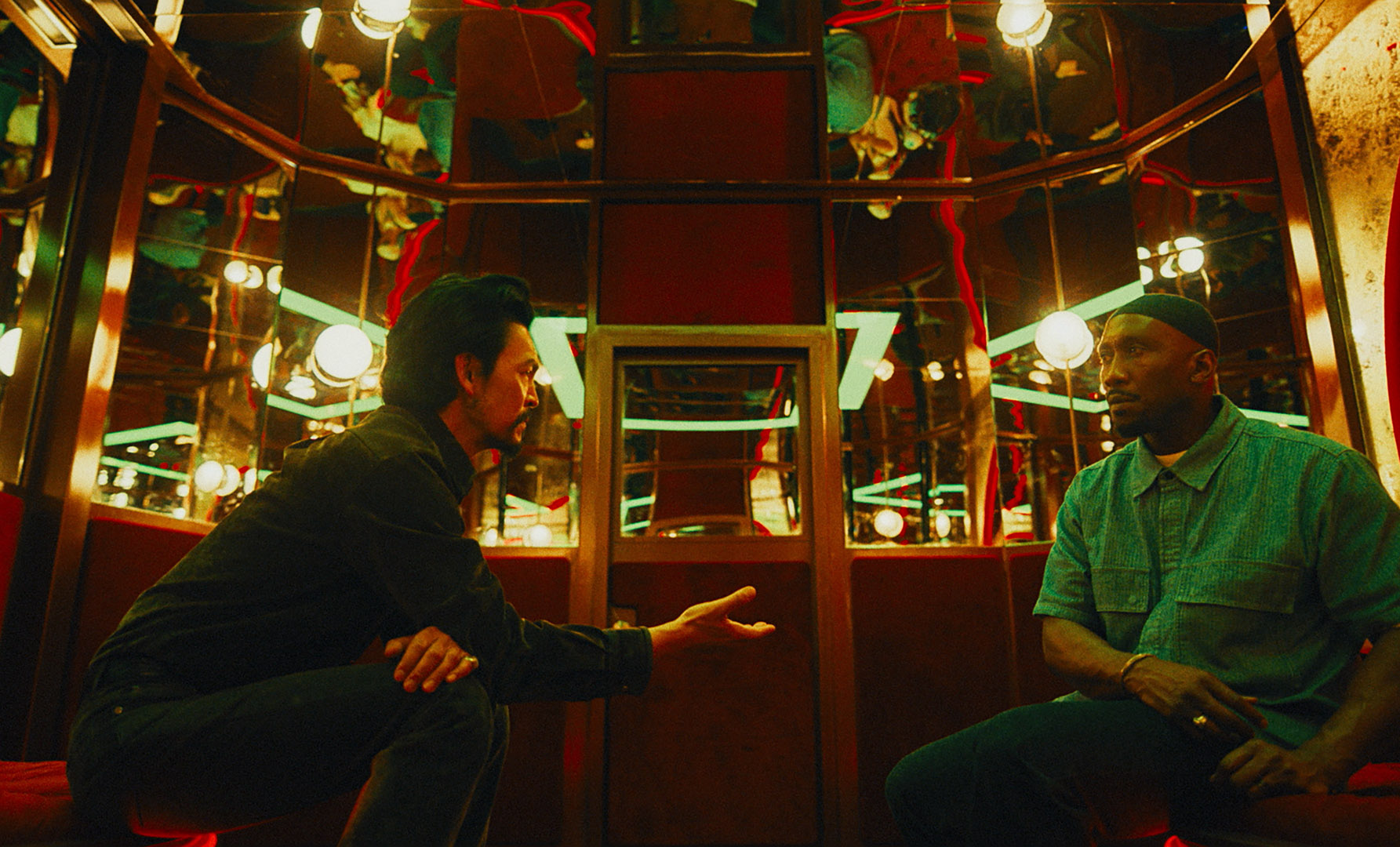
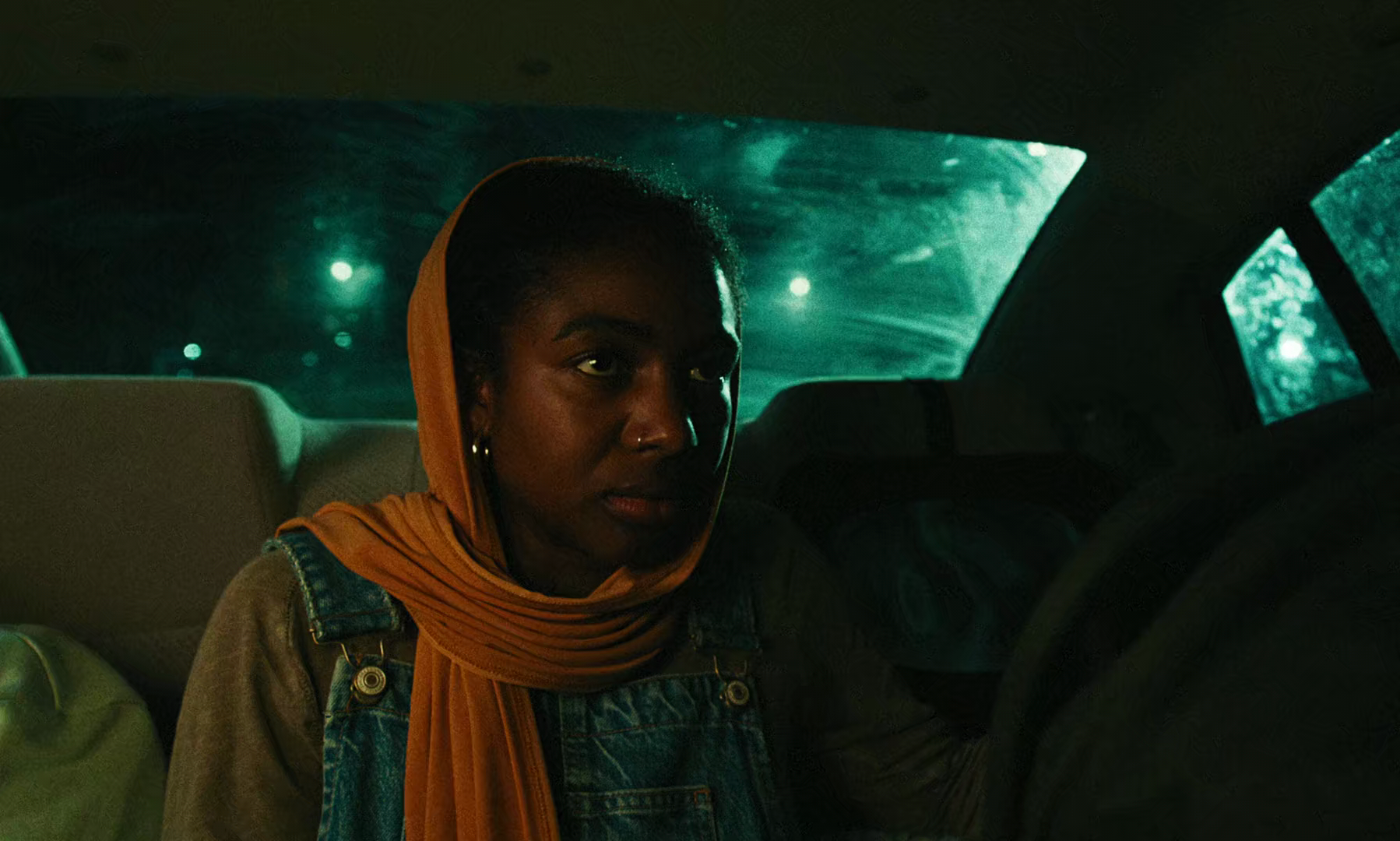
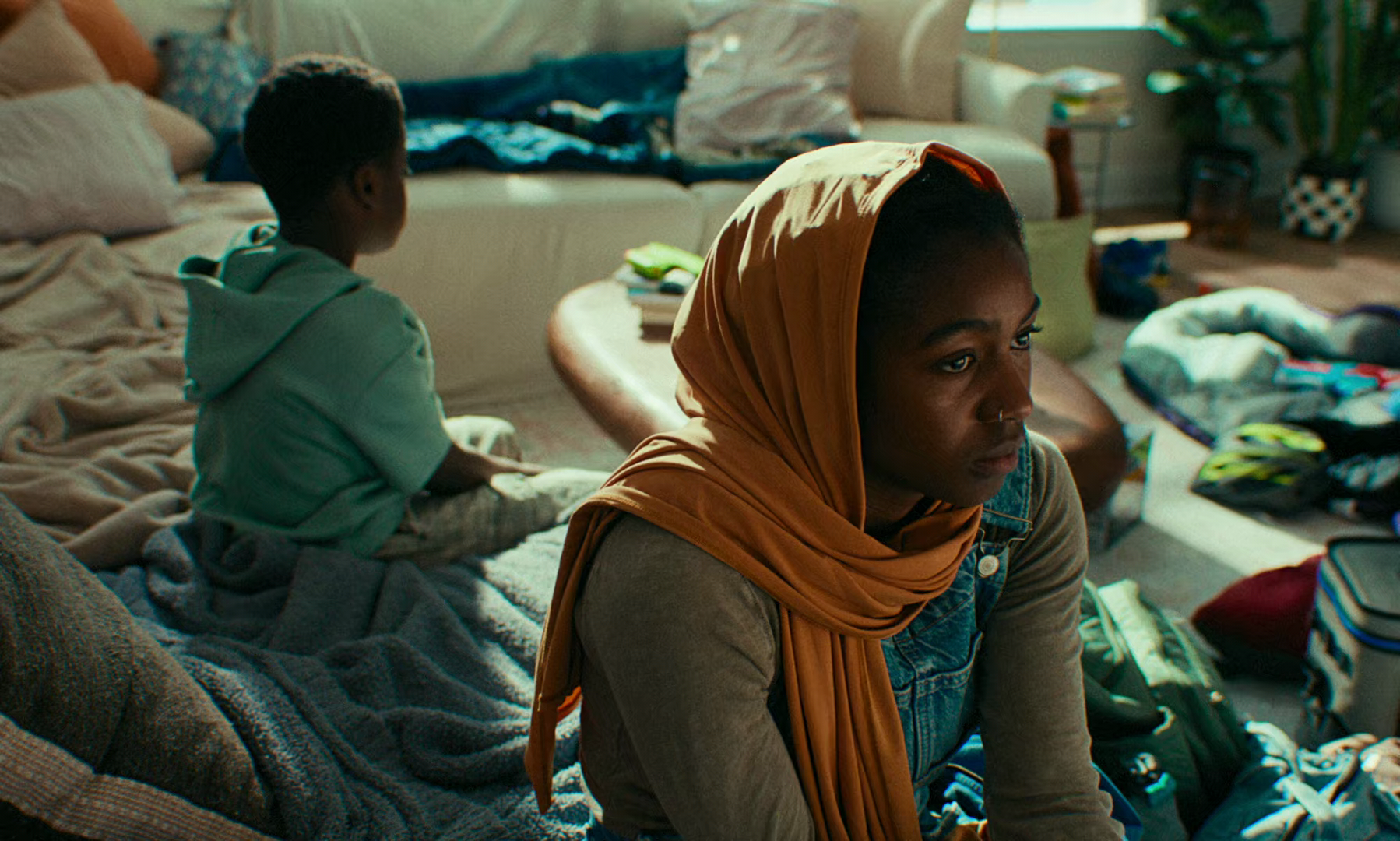
Featuring a stellar ensemble cast including John Cho, Giancarlo Esposito and newcomer Adia, Tariq’s latest posits many questions for both the films’ characters, and audiences faced with this story on screen. Adia is particularly compelling as Fatiha, Latif’s eldest daughter, whose own coming-of-age story is heavily shaped by the loss of their mother. Meanwhile, John Cho takes on the role of Pastor Hwan, a wholly unconventional religious extremist who collides with Latif in a number of physical and spiritual ways.
We sat down with Adia and John Cho to discuss the act of bringing these characters to life, the realities of being the eldest-daughter, and the importance of approaching unfamiliar cultures with an open mind.
A Shot: I absolutely loved this film. It’s gorgeous, and I haven’t been able to stop talking about it. Adia, I wanted to start with you. I overheard you mention yesterday that you’re the eldest child. Is that right?
Adia: Yeah.
A Shot: I wanted to ask how much of that experience you brought to the role. Fatiha is also the eldest daughter in the film, so I’m curious how much of your own experience informed your portrayal of her.
Adia: I think it was a mix. I honestly try to keep my actual life out of the work itself because it can be exhausting to constantly pull from your real-life experiences to inform things. Inevitably, things will come through because that’s just how it works. Your artistry is informed by your real life, but I don’t actively try to draw from it.
That said, I understood that a lot of responsibility falls on the shoulders of the eldest child. The eldest daughter, in particular, tends to have to grow up much more quickly than perhaps the eldest son.
Those things certainly influenced me. I also knew that Fatiha was homeschooled, and I was homeschooled too. I’m the eldest of my siblings as well. But beyond those similarities, our lives started to diverge. At that point, I had to really draw on empathy for the character I was portraying, build her story and get to know her. Whatever comes from me naturally comes through too, but I don’t actively try to pull from my own experiences.
A Shot: I’m an eldest daughter too, and I grew up with a younger brother. I feel like discussions around eldest daughters can sometimes be quite negative, but it’s such a special role. Do you feel the same way?
Adia: Oh, yes. I love the way Fatiha is portrayed because I think it’s such an honest and truthful representation of what being an eldest daughter can really look like. They’re given a lot of responsibility very early on and almost become a second or third parent in the household.
It’s tough because, when you’re growing up, all you want to do is be a kid. But you’re relinquished to becoming a little bit of a parental figure in some ways. I really love that we get to see that through Fatiha and how she’s navigating all those different moving components.
A Shot: It’s a beautiful portrayal. John, I wanted to ask you about something from Bassam’s production notes that I found particularly interesting. He says: “My film explores whether someone can be seen as more than the worst thing that they’ve done.”
We don’t necessarily get to see the conclusion of your character’s story, but there is a reconciliation of sorts at the end. With that quote in mind, what did you learn about understanding and forgiveness through playing a character who comes up against someone like Latif? Has the experience changed your perception of those things?
John Cho: I don’t know how to answer that question, but I enjoyed being in that moment of uncertainty at the end. I wonder what the next day is like, and what the next year is like, for Pastor Hwan. It was such an earthquake in his life to see God, or a god, move in a way that he didn’t think happened in the world.
He’s someone who has seen and benefited from a miracle through his mother. So, I’m not sure exactly what I took away from it. I just knew it was gratifying to sit in that question mark at the end. I love ending on a question.
A Shot: I’m not Muslim, and I went into this film knowing very little about Islam. But it made me want to go away and learn quite a lot. I wondered whether you both had a similar experience. What did you learn from playing these characters and spending time within this community? And what do you hope audiences will take away or want to learn after watching the film?
Adia: I’ve been saying this: an open mind, an open heart and open eyes. Nothing exists in a vacuum.
I’m not Muslim myself either, so it was really about going into the experience asking, “What can I learn?” Maybe there are things I don’t agree with, or maybe there are things I do agree with.
That’s true of everything in life.
I think people should approach this film with an open mind and an open heart. There are going to be things that not everybody likes or agrees with, but I think that’s part of the human experience. That’s a big takeaway I hope people are able to get from the film.
Your Mother, Your Mother, Your Mother releases in the UK on November 20, and is available to stream on Prime Video in the US.