By
Laika’s latest stop-motion animated adventure within Wildwood has finally hit theatres after 16 years in the making, debuting with heavy praise from critics and audiences who cite the adventure as a ‘masterpiece’. After previously speaking with co-leads Jacob Tremblay (Unabomber) and Peyton Elizabeth Lee (Andi Mack), we sat down with one of the brilliant hands behind Wildwood’s visual mastery; 6 time Academy Award nominee and Cinematographer, Caleb Deschanel (The Passion of the Christ).
In this exclusive interview, we discuss cinematography’s importance in delivering Wildwood’s metaphors, Stanley Kubrick’s mastery of visual language within The Shining (1980), and the awe-inspiring final battle that has sparked Academy Award conversation…
Q: So much of Wildwood’s scenes were shot around ‘Golden Hour’ or in really dark blacks. Can you talk to me about the emotion you tried to infuse into Wildwood through this?
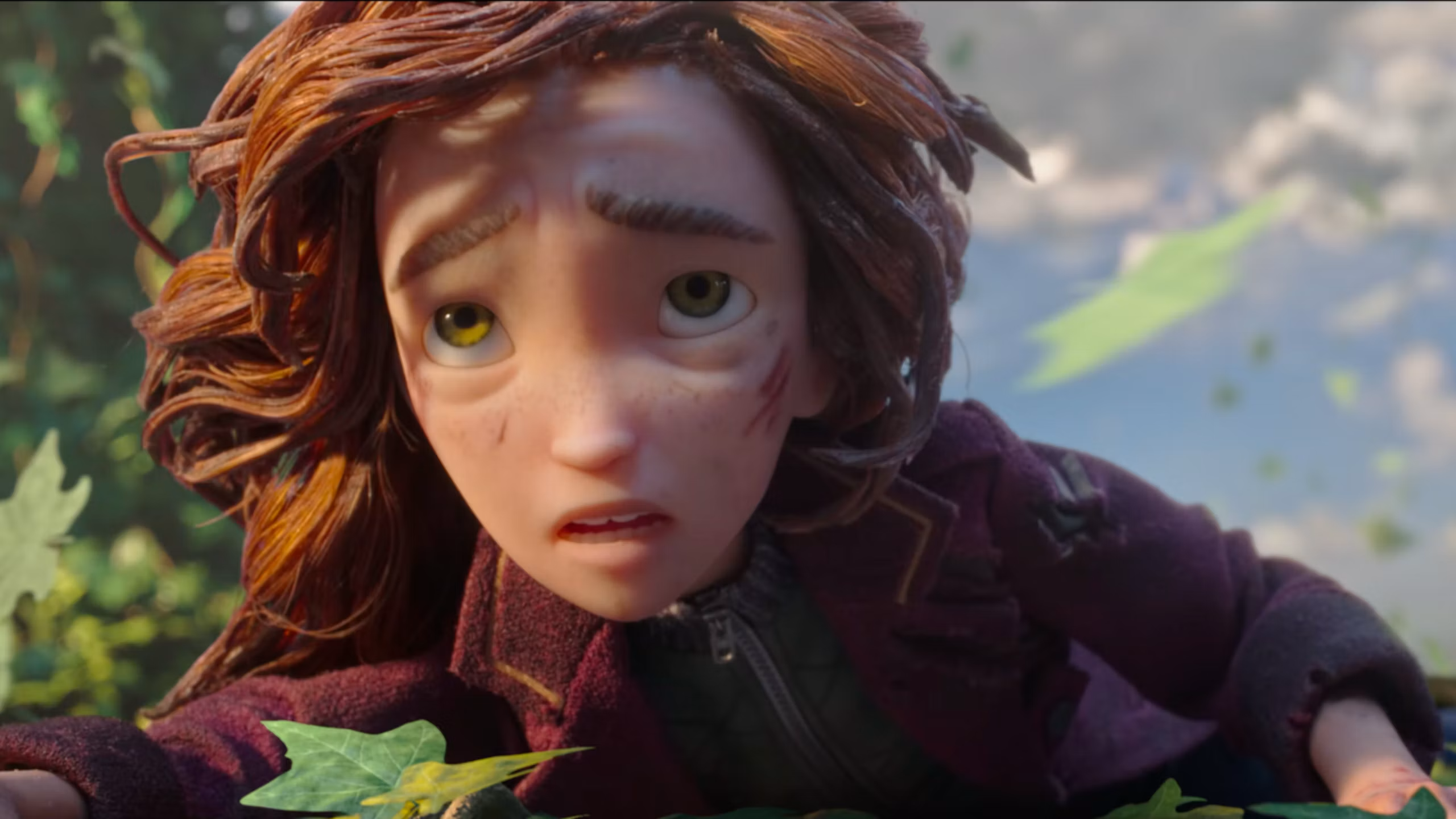
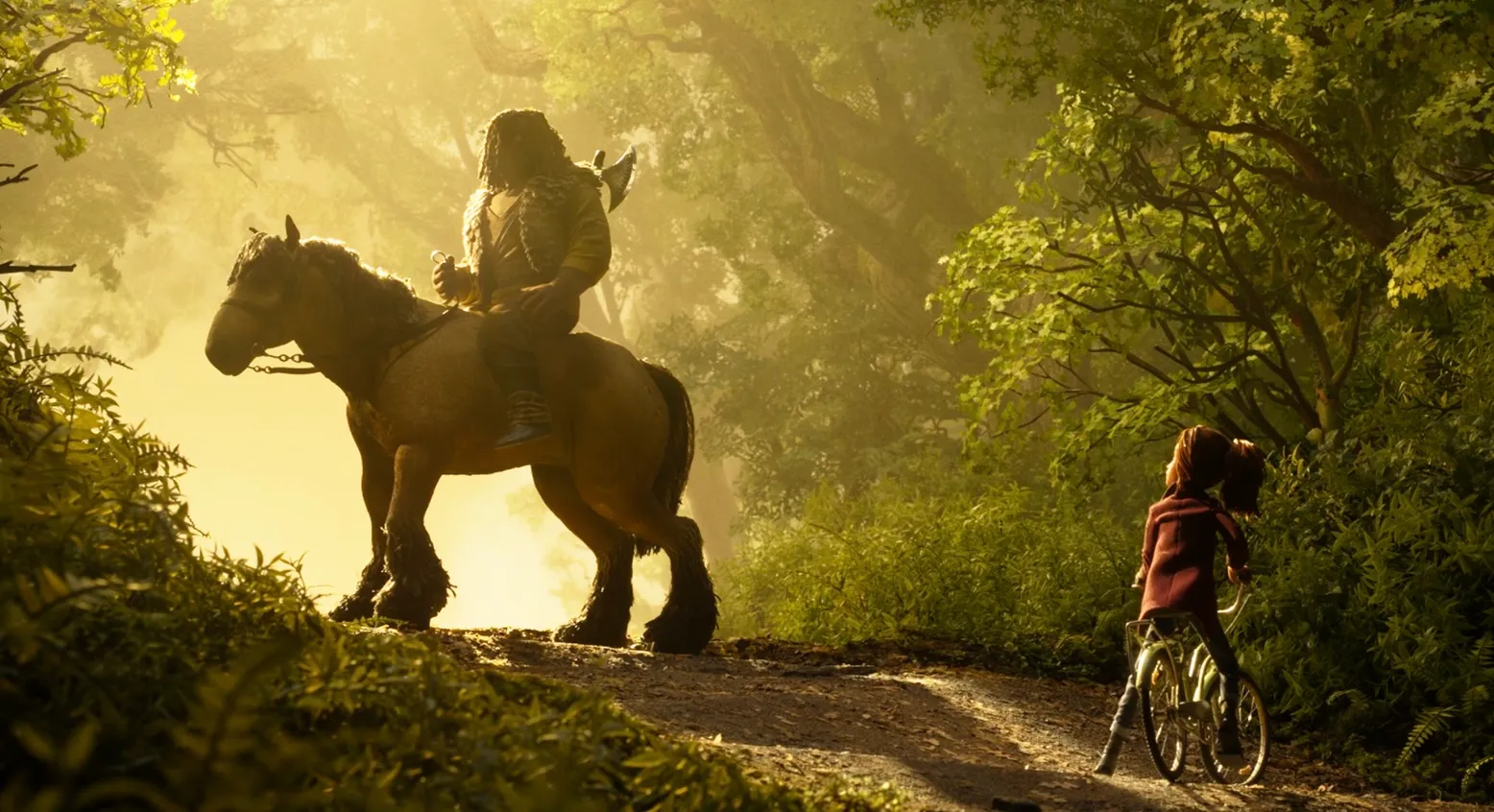
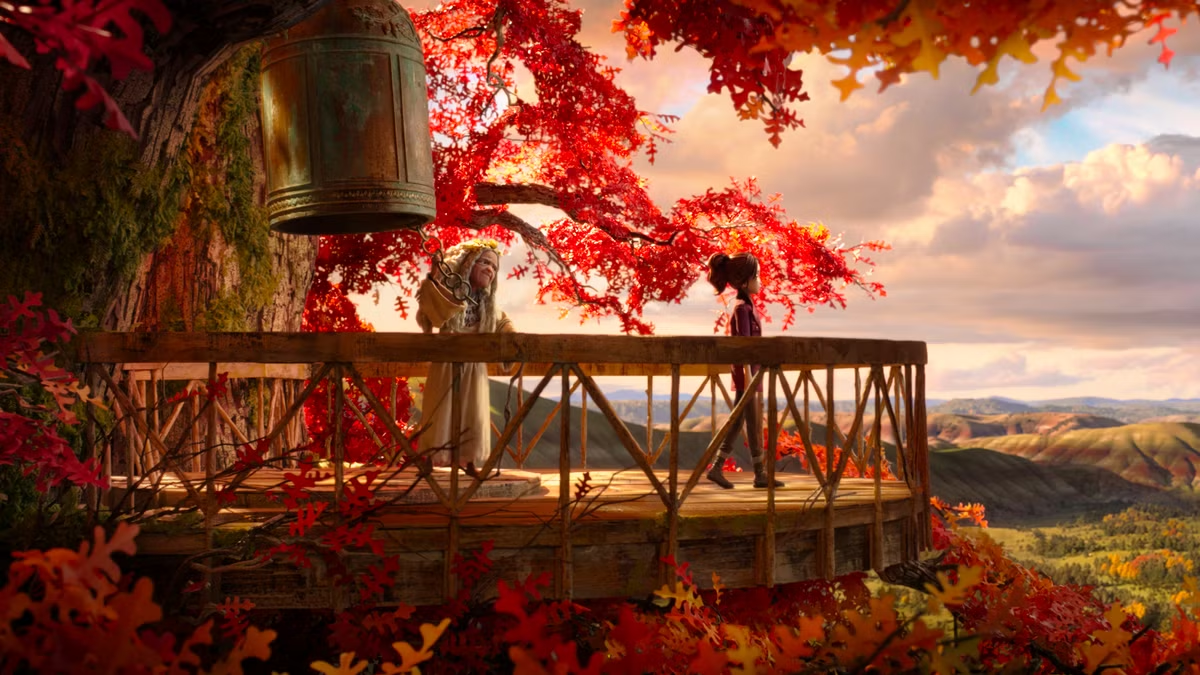
Caleb Deschanel: You know, the thing for me that was really interesting is that when you go into the forest, the time changes. You arrive in the forest and you’ve suddenly gone from this kind of foggy atmosphere, cold light and everything. And when you break in the forest, suddenly it’s almost like sunset, a beautiful warm light coming in. As Prue and Curtis are being chased by the coyotes, it goes through a transition into night. By the time she gets in front of the van, and the van hits the coyote, you’re in nighttime, so it’s almost as if the world spins faster when you get into the forest.
That was thought out because, there’s another scene later, when she’s a prisoner inside the room in the Pittock mansion, and she’s escaping from that and by the time she gets out onto the window you’re in nighttime. So it was the idea of time speeding up. It’s a different, it’s subconscious. It’s not really something you want the audience to really think about, but it’s something that emotionally carries you through and makes you feel like something is going on that’s different than what you see when she’s not in the forest, and she’s with her parents, and you have regular time happening.
Q: Laika have been advertising Wildwood as perhaps the biggest stop-motion animation film ever. The final battle is crucial in this perception with all the moving pieces and countless soldiers there, can you tell me about the visual direction here?
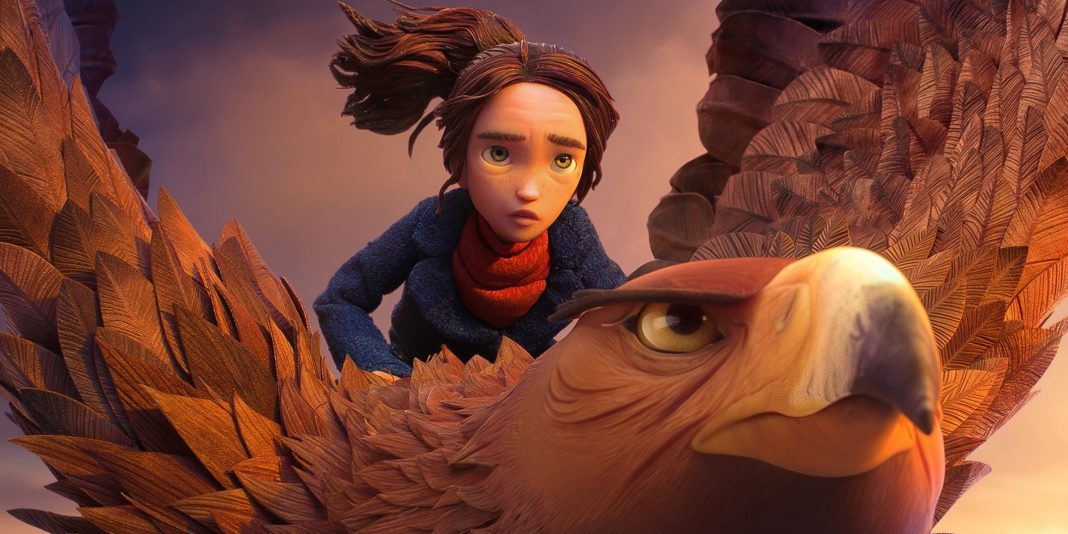
Caleb Deschanel: All the main characters in there are stop motion and then the backgrounds are created with digital computers and all that kind of thing. But your experience of it is really coming from the foreground, from all those characters. There’s a point in the battle where the fires start happening, where you end up in this sort of hellscape, so it’s almost nighttime again. So even though you didn’t really go to night, you’re going into the dark and then at the end, she, [Prue], climbs up out of that, above the smoke clouds, and into the sunlight where the finale happens of the movie.
The main thing was really concentrating and putting the effort into the main characters because you didn’t want to lose them. Sometimes when you see a big battle sequence in a movie, you’ll lose track of your main characters and it sort of becomes a little generic. The thing we wanted to do was make sure that we understood how each one of the characters participated in that battle sequence and what the conflict was; where Prue (Peyton Elizabeth Lee) was being chased by a coyote, and where she was in danger and what Curtis (Jacob Tremblay) was up to and would Curtis come up? Would he survive? Would Septima (Awkwafina), the little rat on his shoulder, survive? Would Prue be able to save her younger brother? That was the key, that was all you concentrate on.
I mean, you don’t want people to think about it, but there’s a scene where Prue is on the other side of the hillside and she looks across and she sees Alexandra (Carey Mulligan) and the horse and she sees her little brother there. It’s in a close up, and clearly from that distance you couldn’t see that, but we’re telling the audience she sees her little brother.
Q: A Shot‘s signature question is perhaps a question made for you as a cinematographer, and that question is; If you were shot in a film, what shot would you be?
Caleb Deschanel: That’s tricky because I don’t think of things in terms of shots. I think of things in terms of sequences and in terms of a hole and how a sequence fits into the hole, that’s the most important thing to me.
What I’m contributing is basically a visual metaphor for the emotions that are going on in the scene. So I’m always trying to find a way to express that. Whether it’s sunlight or moonlight or practical lighting or candles or whatever it happens to be, it’s finding the right mood In a scene that really all it’s doing is amplifying the drama that’s going on. That, to me, is really the key. I would say [of] all the films that I’ve worked on, I’ve always sort of tried to do that. Stanley Kubrick always talked about wanting a novel where they just talked about what’s going on in somebody’s head and he would find the visual way of telling it. It’s like in The Shining (1980), where Jack Nicholson has been writing “all work and no play” and his wife thinks he’s writing a novel, and she goes and it’s a perfect visual metaphor for his insanity.
The same thing in this movie, the time changes from sun and late sun into night and the idea that the world’s spinning faster in the forest than it does than in her regular real world. All those things are trying to find visual equivalents of what the drama is in the story.
Q: When having conversations with Travis Knight about approaching Wildwood‘s cinematography, what did you discuss?
Caleb Deschanel: When we started the movie, we weren’t quite ready to shoot. So Travis and I spent a lot of time together looking at movies and things that we like together. Then we put together a whole kind of visual stylization in terms of colors moving through the movie. Then I ended up finding lots of photographs and stills from movies and paintings and everything that represented every single scene in the movie. There were thousands and thousands of visual images, and that became kind of our Bible for how we wanted it to flow. You know, the tricky thing was always [that] these movies go together in bits and pieces, like putting a mosaic together, but not having a complete scene at any one time. You use that as kind of your grounding for putting the film together.
Q: Stop motion is such a meticulous task, how long were you working on this film for?
Caleb Deschanel: I was on it for two solid years and then would come in every six weeks or something to sort of check on things. Then would be sent things to look at and we’d always go up and check on all the scenes that were done and then work with the visual effects team in terms of what they were doing for all the backgrounds and that kind of thing.
Q: Opposed to live action, what would you say the biggest challenge in filming animation stop motion is?
Caleb Deschanel: It was really not having the experience of a whole scene being finished at the same time, because each one of those scenes becomes kind of a linchpin for where you are in the story. Whereas with this movie, you’re just getting maybe one shot or two shots from one scene, and then it’d be put aside because you’re waiting for a puppet to finish, that wasn’t ready. It was really a crazy way to make movies! Clearly the 500 people at Laika are just sort of amazing artists and craftsmen who put together such incredible puppets and sets and props and everything, and it was just sort of a delight to see them come in. An exciting moment was always when they had finished a set and they’re wheeling it out onto the stages and you watch it go by and go “oh, boy, can’t wait to get to this scene”.
Wildwood is Out Now in Cinemas