
By
“Enjoy handmade art before it’s gone!” store signage pleads as Peyton Elizabeth Lee’s (Pizza Movie) protagonist, Prue McKeel, cycles towards the playpark where her brother’s unconventional crow-arranged kidnapping will occur. Opening with a less-than-subtle acknowledgment to the threat of generative AI, Laika, the studio behind Wildwood (2026), suggests the art of animation faces an uphill battle in maintaining relevancy amongst studio heads who only recognise the genre through box office success.
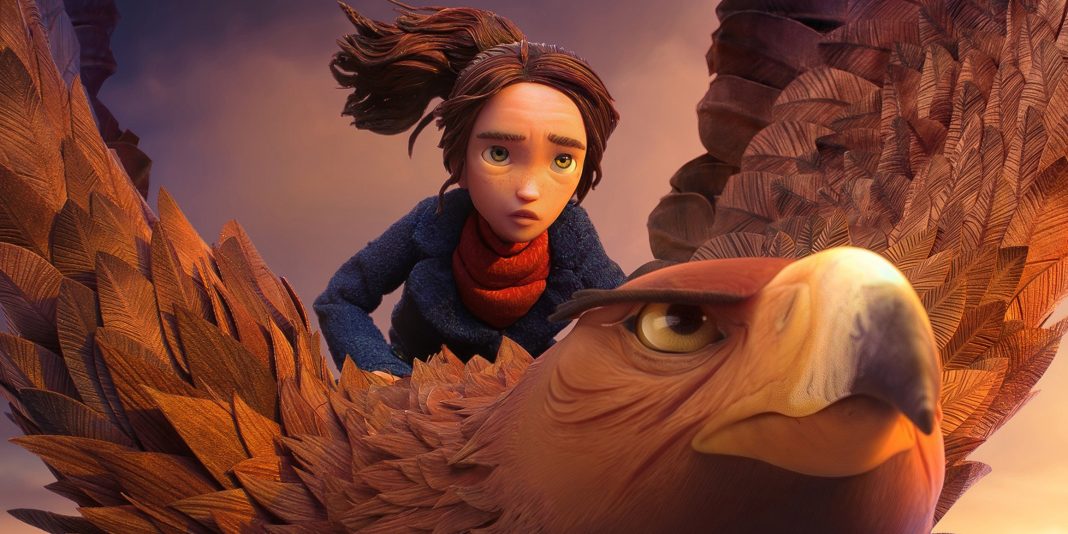
16 years in the making, Travis Knight’s (Masters of the Universe) stop-motion fantasy-adventure is the Oregon based studio’s most ambitious project yet. An adaption of Colin Melloy’s 2011 novel of the same name, Laika bring the 541-page paperback to life through incredible visual flair, a star-studded cast and a dreamscape world of talking animals. Despite these delightful flavors, fantastical magic struggles against a muddled screenplay tasked with adapting far too much, leaving Wildwood’s highly anticipated debut a conflicted entry into Laika’s catalogue.
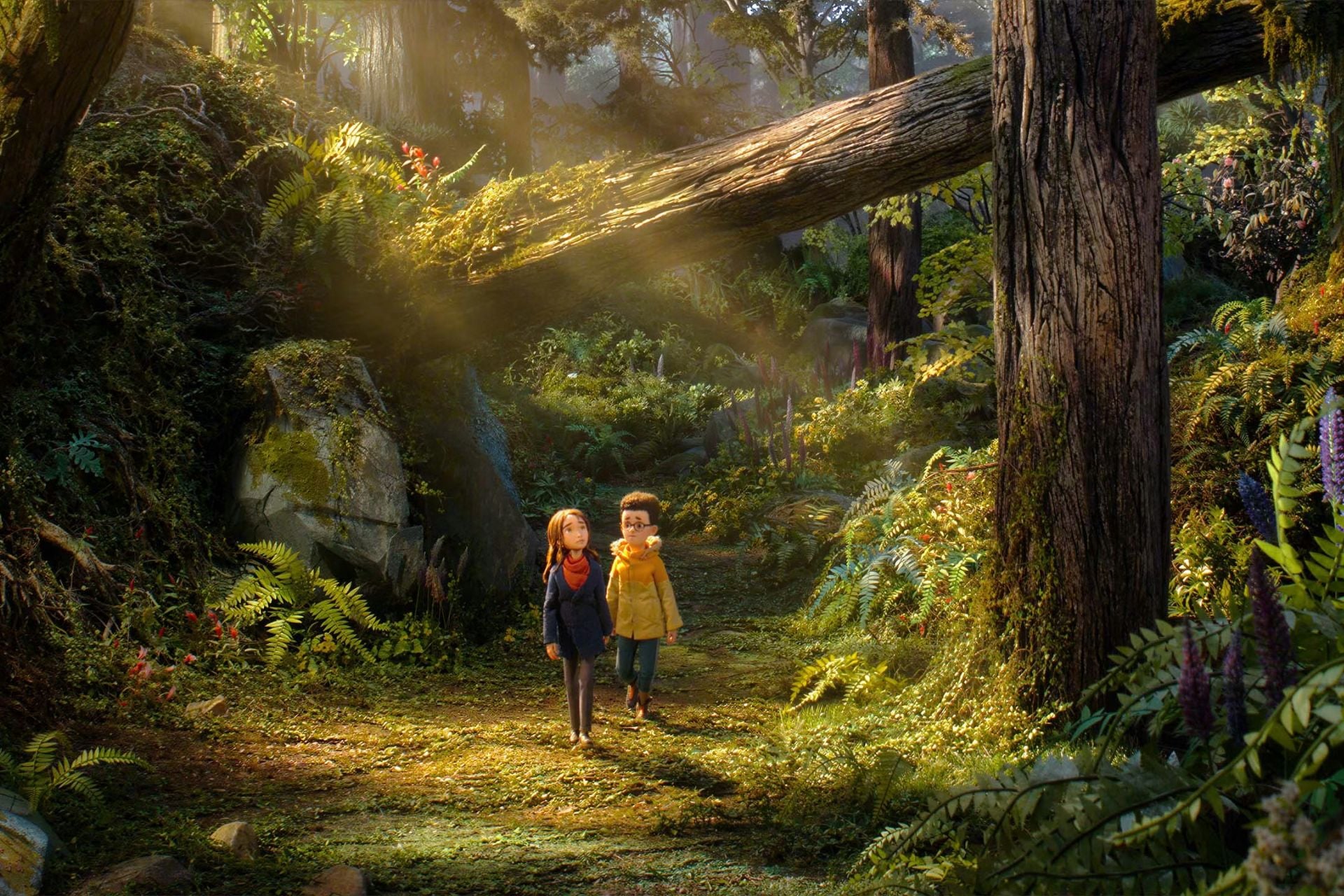
After Prue explores her hometown with her brother, Mac, she finds herself cycling behind a flock of crows on an unexpected rescue mission into the fabled ‘Impassable Wilderness’. Accompanied by an unwanted adventurer, Curtis, played by Jacob Tremblay (Unabomber), they embark on a mission to save Mac from mysterious forces and conquer foes of near-indescribable nature. Exploring beyond the dangerous veil of fog that hides this wilderness, the magical realm known as Wildwood.
In this realm exists everything thought impossible; talking animals cohabiting with humans, elements of magical origin, baby-stealing crows, and even wolves wielding bayonets. Those familiar with Wildwood’s novel are likely prepared for the sheer vastness of this world, but for those not, it quickly becomes overwhelming. Prue and Curtis’ rescue mission begins guns blazing within the film’s first act, a tempo only momentarily easing throughout the film’s entirety. Ambition to maintain this energy may be an admirable endeavour, if it weren’t simultaneously where Wildwood’s cracks begin to form. Rather than leisurely introducing audiences into the fantastical world, allowing them to revel in Melloy’s inspiring tapestry of imagination, Travis Knight bounces between events, each denied opportunity to breathe.
Frustratingly, Knight’s creative intention is recognisable, but occurs rushed in execution. There is simply far too much content to adapt; timely geopolitics concerning rightfulness of ancient land, implied governmental idiocy, a sinister witch hellbent on reversing her grief, an eagle army, an imprisoned rebellion, themes of growth and heroism, conflict between tribes of crows and eagles, an overbearing secrecy with Mac from Prue’s parents, why Wildwood is considered forbidden and its existence alongside an otherwise normal Portland, to name just a few.
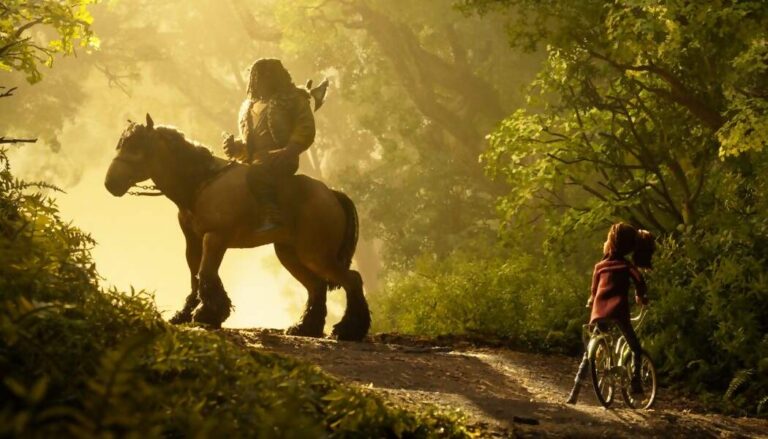
Attempting to imbue a rollercoaster-like energy, the screenplay, written by longtime Laika collaborator Chris Butler (ParaNorman), trades the narrative’s child-like wonder for a plethora of unnecessary characters and events that distract from Wildwood’s absorbing atmosphere. Playing as an amalgamation of different franchises; Lord of the Rings, Narnia and arguably elements of Peter Pan, the film fails to establish a singular identity that utilises a unique direction. Audiences enter already familiar with snippets of these iconic masterpieces, and Wildwood doesn’t implement a distinctive enough touch from their inspiration. By attempting to discuss so much, Wildwood wraps having said nothing.
Yet against the backdrop of a snappy story terrified of losing audience’s focus, a meticulous blend of traditional and 3-D printed stop-motion techniques unveils yet another visual spectacle from Laika, who continue to reinvent the wheel of animation’s possibility. A pronounced stand against generative ai, advocating for the irreplaceable emotion that stems from human craft, proves righteous. And their delightful charm cements them as masters of their stop-motion artistry. One defining sequence, in which Prue races through a battlefield brimming with explosions and countless moving soldiers, should be rightfully lauded as genre-leading exceptionalism. By possessing a split-narrative through Prue and Curtis, theatre-goers are spoiled with visually creative flair infusing zest into their separate journeys, with the paired voice actors excelling where granted freedom.
Peyton Elizabeth Lee colors Wildwood’s protagonist Prue with a vibrant optimism uplifting moments of stagnation and, rightfully, poking snarky fun at self-aware generic beats in Alexandra’s (Carey Mulligan) nefarious villainy. Fighting against an irritatingly blunt personification in Wildwood’s script, present for little clear reason, Lee utilizes her given material with magnificence. Also being complimented by Jacob Tremblay’s quivering fear in sidekick Curtis, who is admittedly the more likeable of the duo. Yet its in Carey Mulligan’s (Beef) Alexandra where Wildwood adopts a temporary brilliance. Her alluring magnetism forces the viewer into a chokehold of depraved wickedness, but never succumbing to overly-humanizing or justifying her actions. Mulligan is Wildwood’s standout performer, a flick that heavily relies on her evolving vocal splendor to sell intended atrocity in a battle to stay interesting.
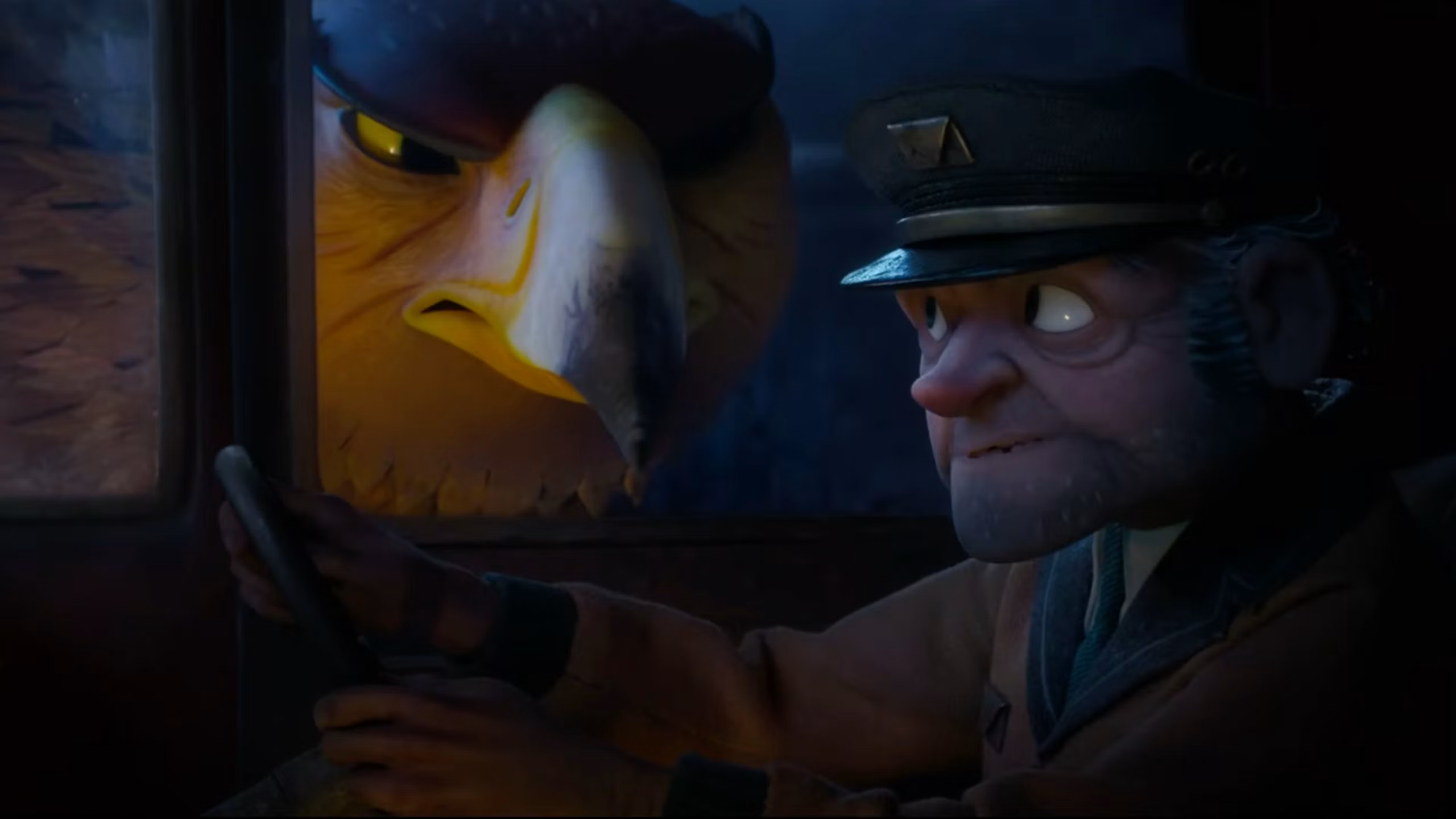
Wildwood is bursting with unrealised potential, but a supporting cast within Angela Basset (Black Panther) and Mahershala Ali (Your Mother, Your Mother, Your Mother) suffer significantly as Iphegenia the Eagle and Brenden the Bandit King respectively. Both relegated to the background, they simply exist to move the story towards the finish line, baring no greater purpose of self-discovery for Prue. Knight’s accuracy to source material is respectful, but for a singular cinematic outing proves this to be the wrong call. Streamlining Prue’s journey, or better yet adapting it into a duology or trilogy, would allow for the rich coverage this film deserves, rather than feeling forced to hit specific talking points. Ultimately, Wildwood’s roots bond characters with surface level personalities, unable to explore their deeper mystical relevancy and growth amongst darker themes that stretch the boundaries of the attached PG-13 rating.
This actually begs an important question: who is Wildwood for? Navigating themes of grief, and accompanying them with a fully-fleshed out age rating depicting violence and genocidal desires, Laika’s latest adventure teeters too far into cruelty for younger audiences. At the same time, debuting too narratively basic for adults, leaving Wildwood stranded between target audiences. Narnia’s whimsical influences serve as nostalgic branches to grow from, but Knight fails to capitalise upon these elements, similarly with Lord of The Rings inspired creatures, or Peter Pan motifs of child-like amazement. Parents risk inundating children with terror, whilst adults risk being bored by Wildwood’s restless pattern of danger, new location, new characters, rinse and repeat.
Wildwood has so much going on, and it’s not quite clear how much sticks. The adaptation sows the seeds for a richer exploration of the world’s divide and magical presence, but barely justifies existence. Unfortunately, Laika’s passion project of Collin Meloy’s achievement is the lesser iteration, unable to succinctly expand upon his work. However, their outstanding accomplishment in animation shouldn’t go unrecognised. Once again, Laika provide a visual marvel to audiences, proving that human creativity will forever remain the only vessel for animated achievement.
Wildwood Releases in Theatres October 23rd