By
In Pascal Plante’s Red Rooms, Juliette Gariépy barely speaks. As Kelly-Anne, a Montreal model by day, an obsessive courtroom spectator and dark-web sleuth by night, she carries the film with a stillness most actors would be terrified to attempt. The camera holds on her face, lit by a monitor, and asks the audience to do what she does: watch, and keep watching, past the point of comfort. The film never shows its atrocities. It doesn’t need to. Gariépy’s eyes do the showing.
Red Rooms arrived without a marketing machine behind it. It built its reputation the old way, festival by festival, critic by critic, one whispered recommendation at a time, until it became a defining work of contemporary Quebec cinema and one of the most unsettling films of its decade. For Gariépy, it changed everything. Since then, she has picked up a Special Jury Prize at Sundance with Two Women in Gold, premiered Mile End Kicks at TIFF and SXSW back to back, and crossed into American territory with Play Dead, Jaume Collet-Serra’s upcoming thriller for Ghost House Pictures, opposite Noah Jupe.
She is also, it turns out, nothing like Kelly-Anne. Where the character is sealed shut, Gariépy is warm, funny, and disarmingly candid, about her phone addiction, her fear of ghosts, and the quiet cost of becoming someone people write about. We spoke with her about all of it.
Q: Kelly-Anne in Red Rooms spends most of the film in near-silence, staring at a screen. How do you build a performance around obsession when you have so little dialogue to work with?
Even though Kelly-Anne goes through a good part of the film in silence, I feel like we were able to make her inner dialogue really loud. She’s definitely focused and often conflicted. Doing research on internet communities in general, and how some people really find a sense of belonging in them, helped me create an inner monologue that guided me. Having deep relationships with people anonymously online can be really powerful. Even though you might never meet them, you do feel like you exist and that you matter.
Kelly-Anne’s involvement in the dark web raises the stakes because she’s constantly sleuthing or trying to figure out her next move. In all of those actions, there’s a lot of inner monologue. I also feel like the audience’s own inner monologue while watching the film — questioning her motivations — almost takes the place of the dialogue that isn’t present in the movie.
Q: Two years on, does Kelly-Anne still visit you? Is there a scene or moment from that shoot you still think about?
After two years of Red Rooms being out, Kelly-Anne doesn’t really visit me anymore, but the impact the film had on me is definitely something that will stay with me forever.
I’m also really enjoying discovering new horror films and seeing so many young, emerging artists taking the floor with horror. Even though the genre has been around forever, it feels like there’s a new mainstream wave of interest in it. Seeing how Obsession did at the box office is really surprising and inspiring, but I’m also thinking of so many underground artists, especially women, who use horror to defy the male gaze.
I once read that horror is the only genre that has never lied to women — that no one is coming to save them, they’re not safe, and they can only fight for their lives. I thought that was a really interesting way of looking at it, and I think that’s part of what makes the genre so compelling.
Red Rooms definitely changed my life. I could only have dreamed of one day having a lead role in a project like this, but being able to take part in such a cultural moment — for cinephiles and for Quebec — fills me with an overwhelming sense of pride.
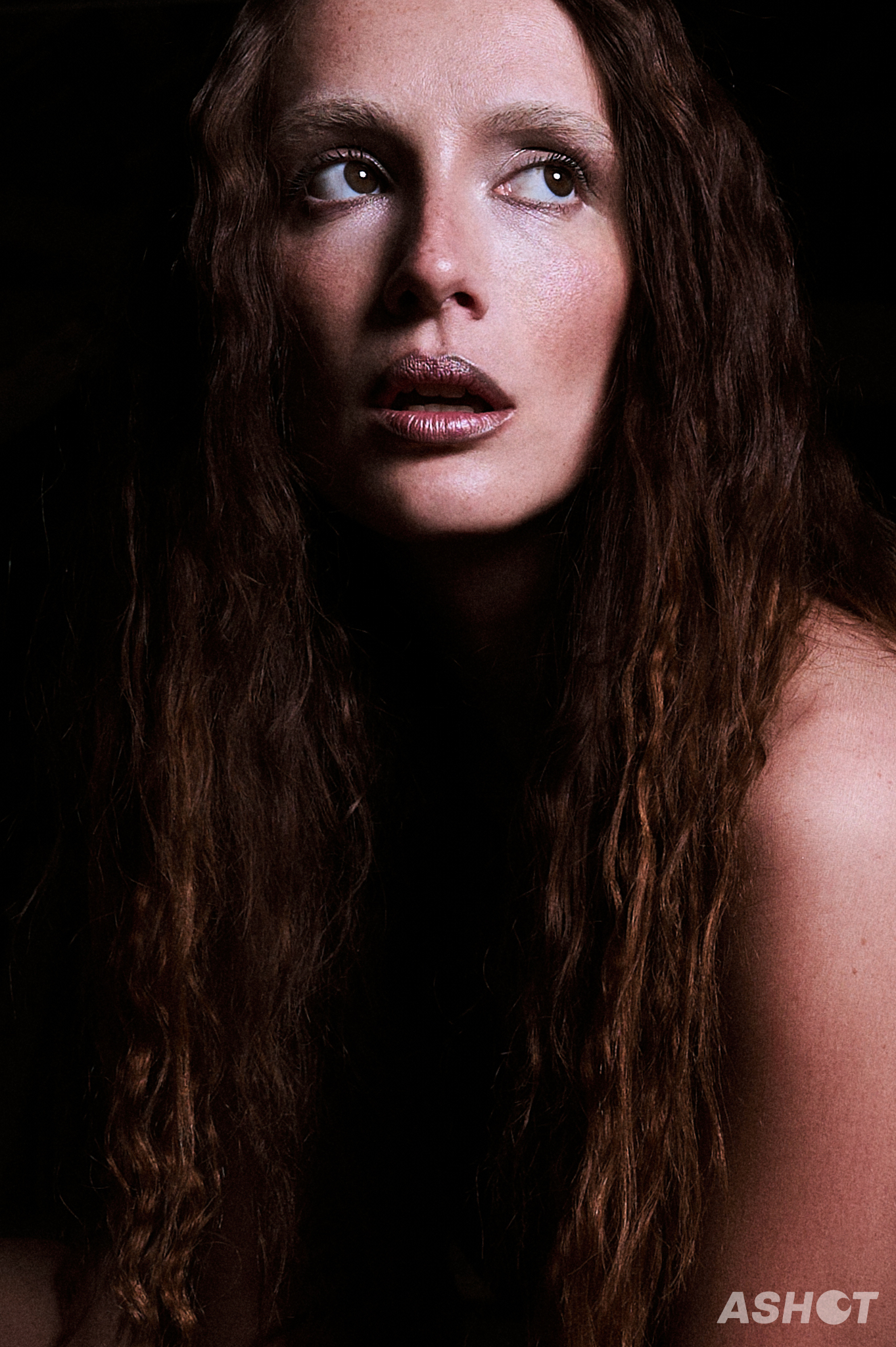
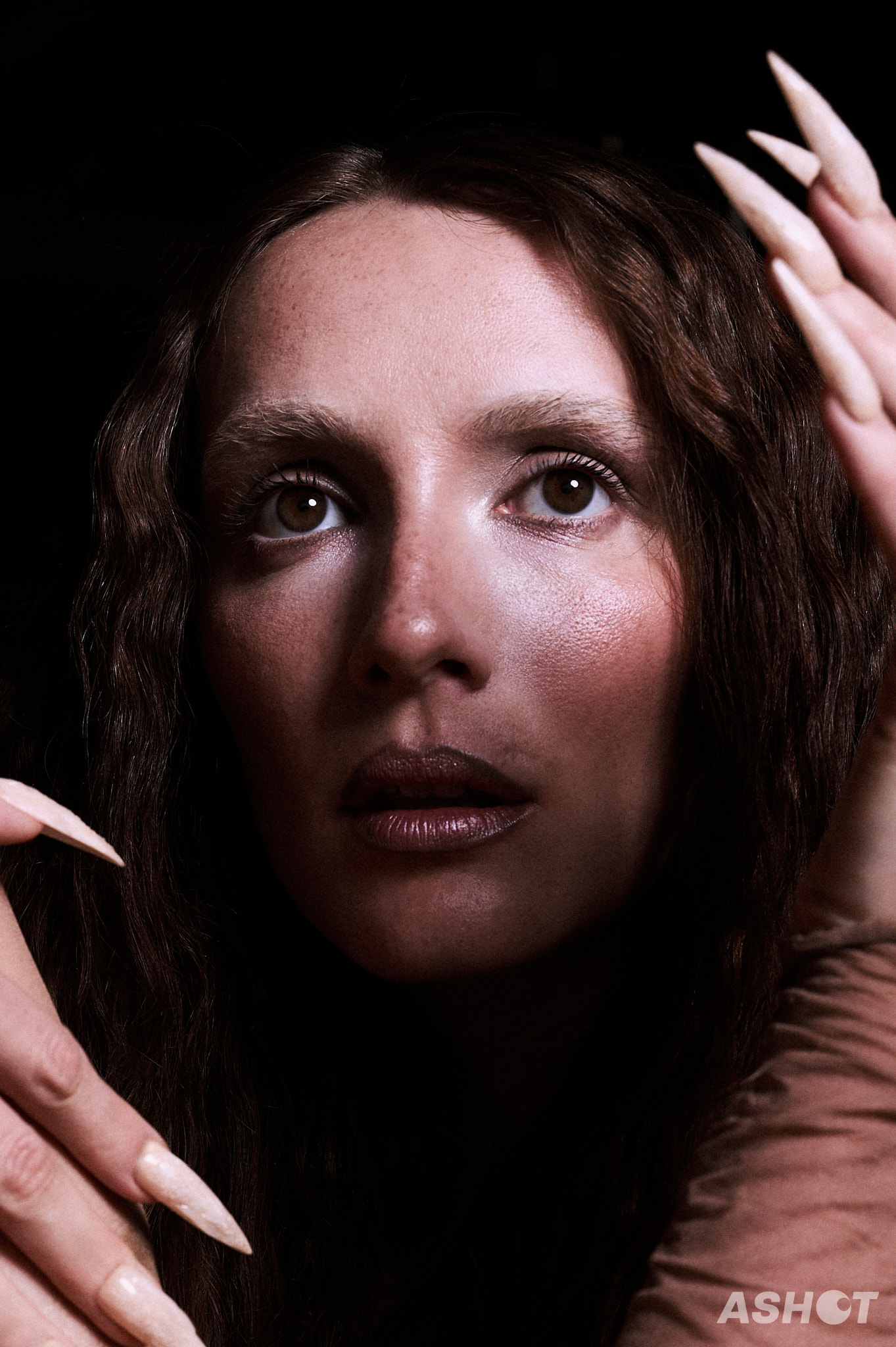
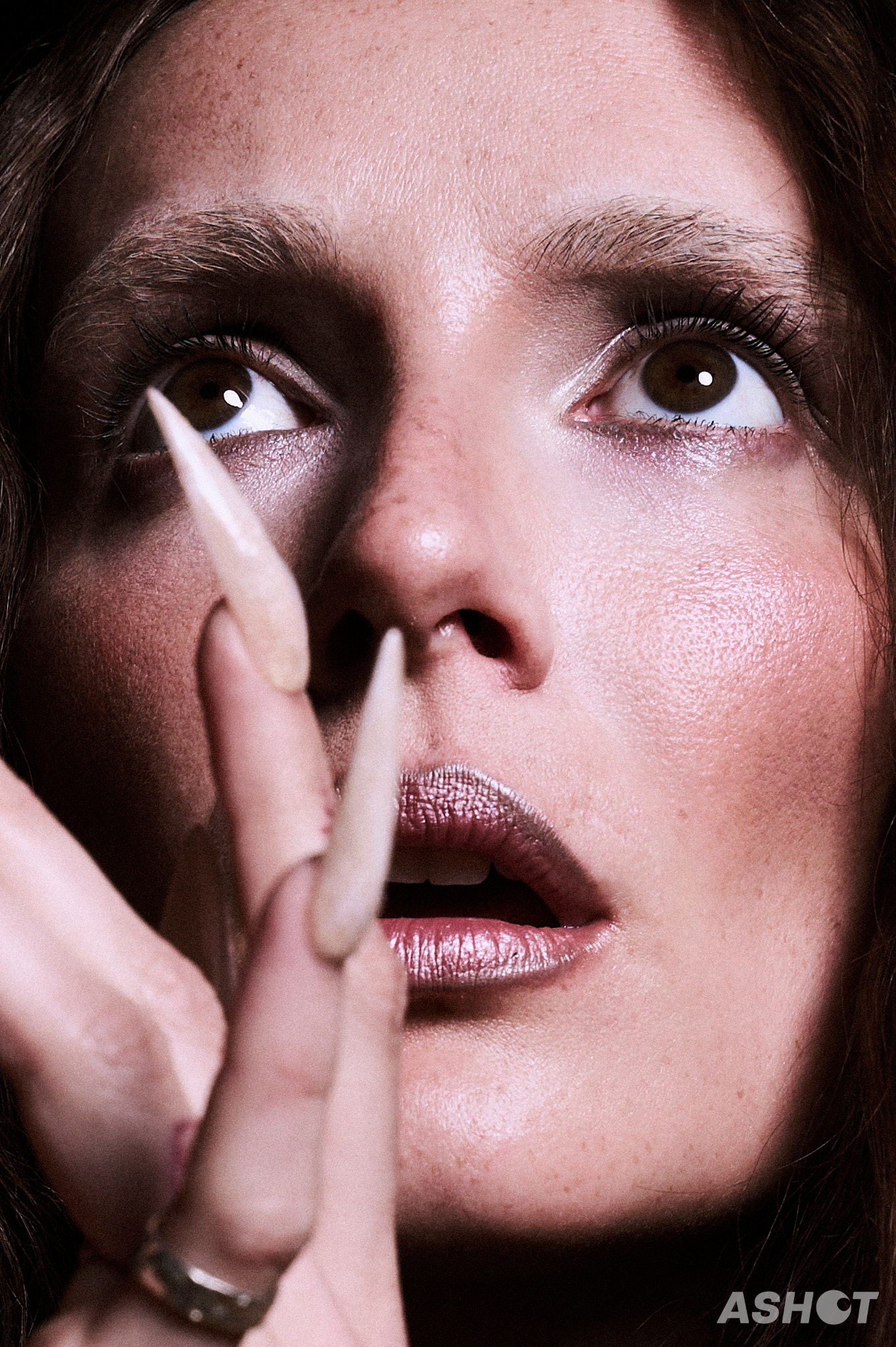
Q: Red Rooms is about obsession, with a killer, with a screen, with looking. What’s the most dangerous obsession you’ve ever had?
The most dangerous obsession I’ve ever had — and probably still have — is definitely with my phone and social media. Looking at Reels all the time, waking up to my phone, falling asleep to it… I think it’s really bad for me, for everyone, and for my anxiety. At the same time, I sometimes have so much fun watching reels. I genuinely laugh out loud, and I discover things about the world that give me hope. But other times, I end up feeling depressed, anxious, and even physically drained after spending time scrolling.
So I do feel like I’m addicted, and I can’t believe this is what we’ve become. Seeing everything that’s happening with surveillance, not always being able to tell what’s real and what’s not with AI, is really scary to me. I think I was very lucky to be born before the iPhone existed, so I got to experience a little bit of boredom, you know?
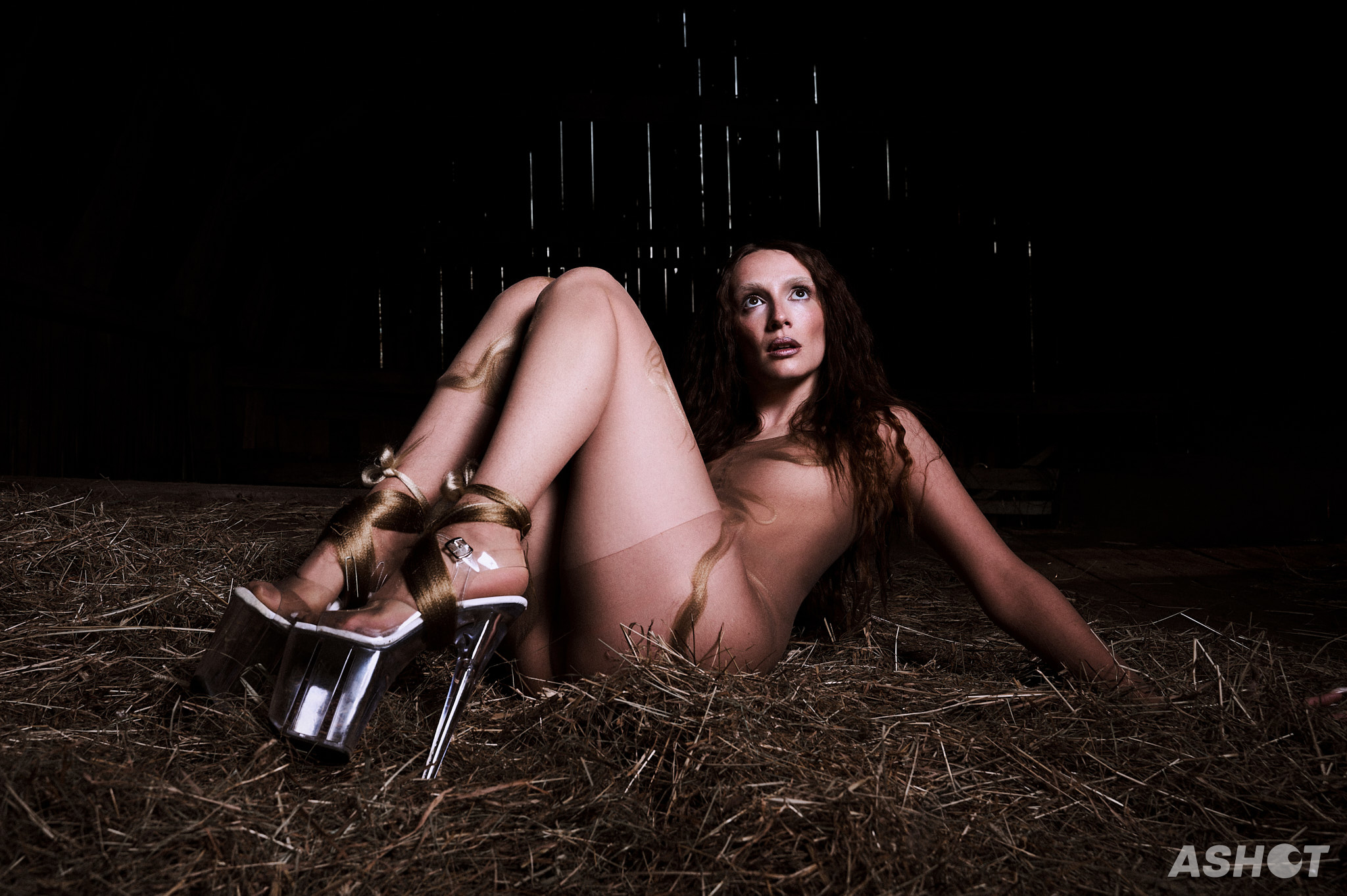
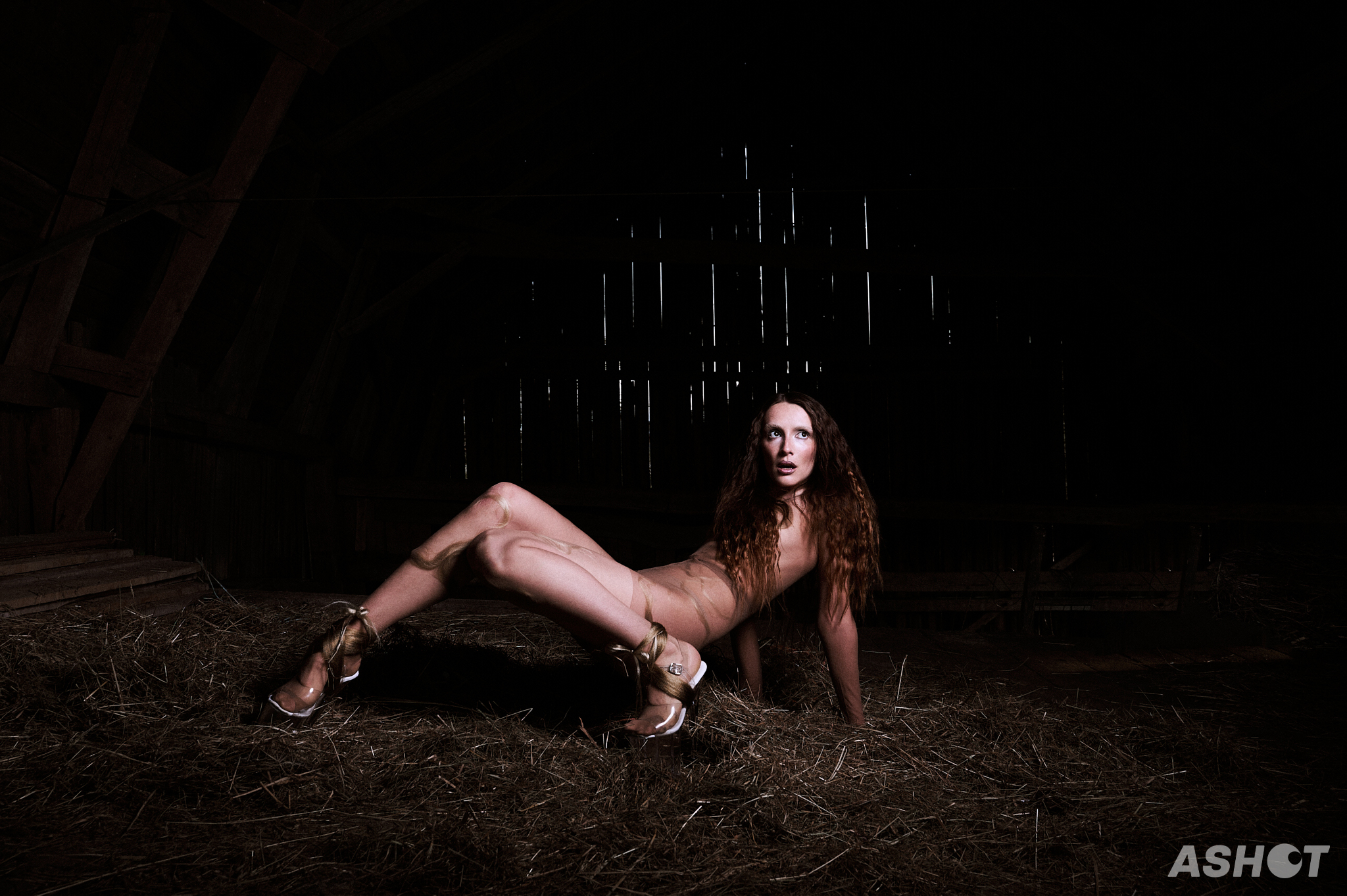
Q: Kelly-Anne spends the film behind a screen, watching. When was the last time you caught yourself watching something you knew you shouldn’t?
I don’t know… I feel like we know way too much about everyone. I can’t think of a specific moment where I saw something I knew I wasn’t supposed to, but I do feel like knowing what everyone is doing all the time isn’t normal. I feel like we’re stepping into this dystopian reality where, on one post, we see children being murdered in cold-blooded wars, and on the next, it’s some random joke or a beautiful breakfast. Everything feels so absurd, and I think we’ve become desensitized to violence.
That’s something Red Rooms is trying to tell us by never actually showing the videos. I think the film is asking the audience — who might be waiting to see them — “Why do you even want to see it?”
Q: She’s a fashion model by day and something much darker by night. Did you play those as two performances, or one person wearing different amounts of armor?
I think modeling can sometimes be a very dark job and a really difficult environment to be in. I did my fair share of modeling jobs when I was younger, and I found it really hard. I think people imagine models having an easy life — that they just have to smile for the camera, wear designer clothes, and look cool. But honestly, I think modeling can be a very strange, intimidating, and short-lived career. It’s still a really weird place to grow up and a very hard one in which to stay relevant. I feel like Kelly-Anne being a model is a good foundation for her character. In some ways, that emotional distance feels like something the industry can demand of you.
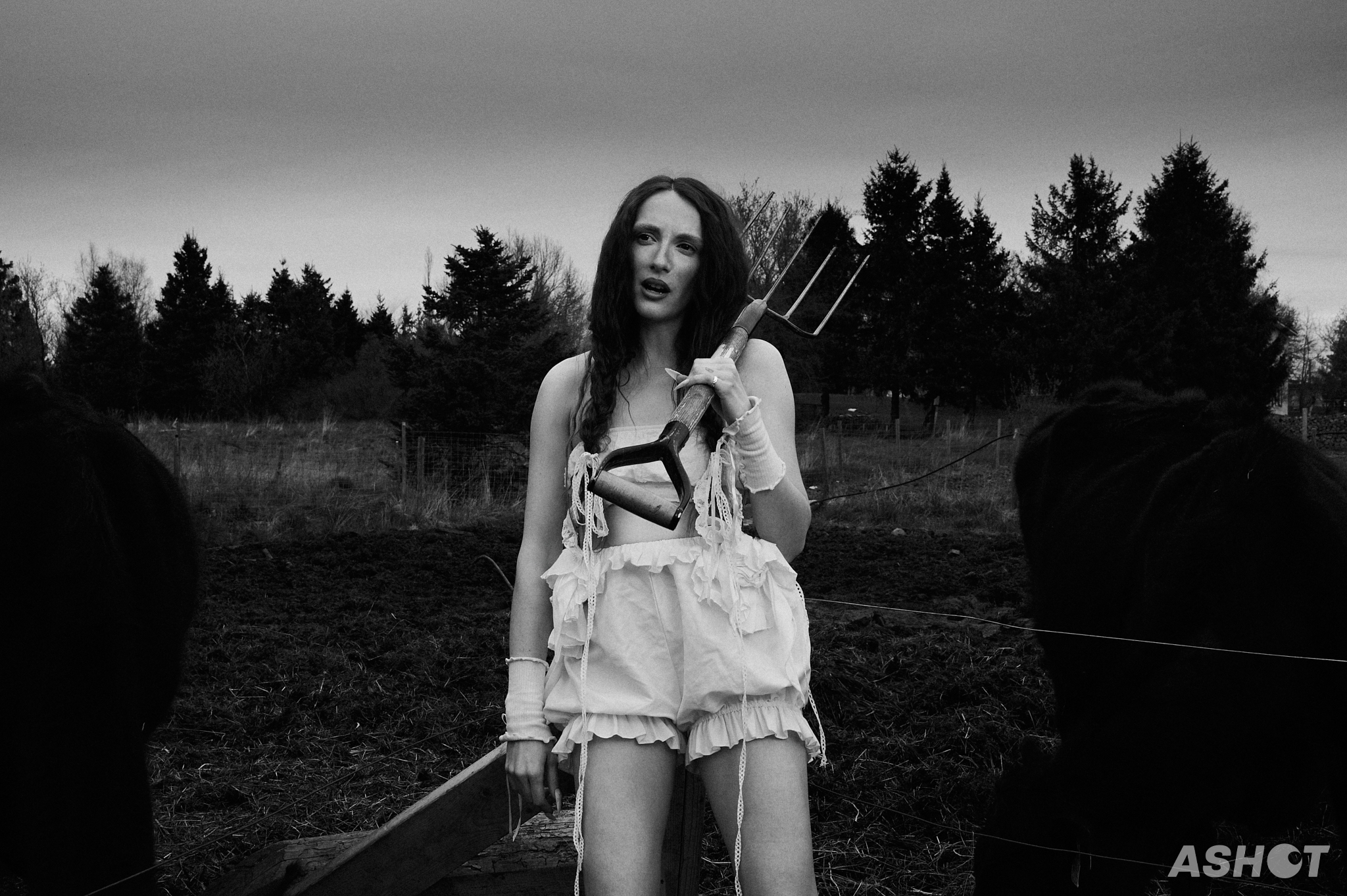
Q: You did Autobiography of Red on stage — Anne Carson, myth, desire, a red-winged boy. What did theatre give you that a camera can’t?
Theater is amazing, and honestly, I think taking theater classes at university is what taught me everything I know about acting. I feel like every actor should do at least a little bit of live performance. I love being on stage. I also do stand-up comedy sometimes, and I think the rush of adrenaline is incomparable to anything I’ve ever experienced. I really enjoyed working on this play because I got to meet some amazing performers who became friends. Nothing compares to the sense of camaraderie you find in a room full of people who are about to step on stage, be vulnerable, and risk it all.
Theater is the truest form of acting to me, even though I also find it the most difficult. It brings us back to what it means to play, the way children do. It’s like being naked — completely vulnerable — and somehow, that vulnerability also makes you feel incredibly strong.
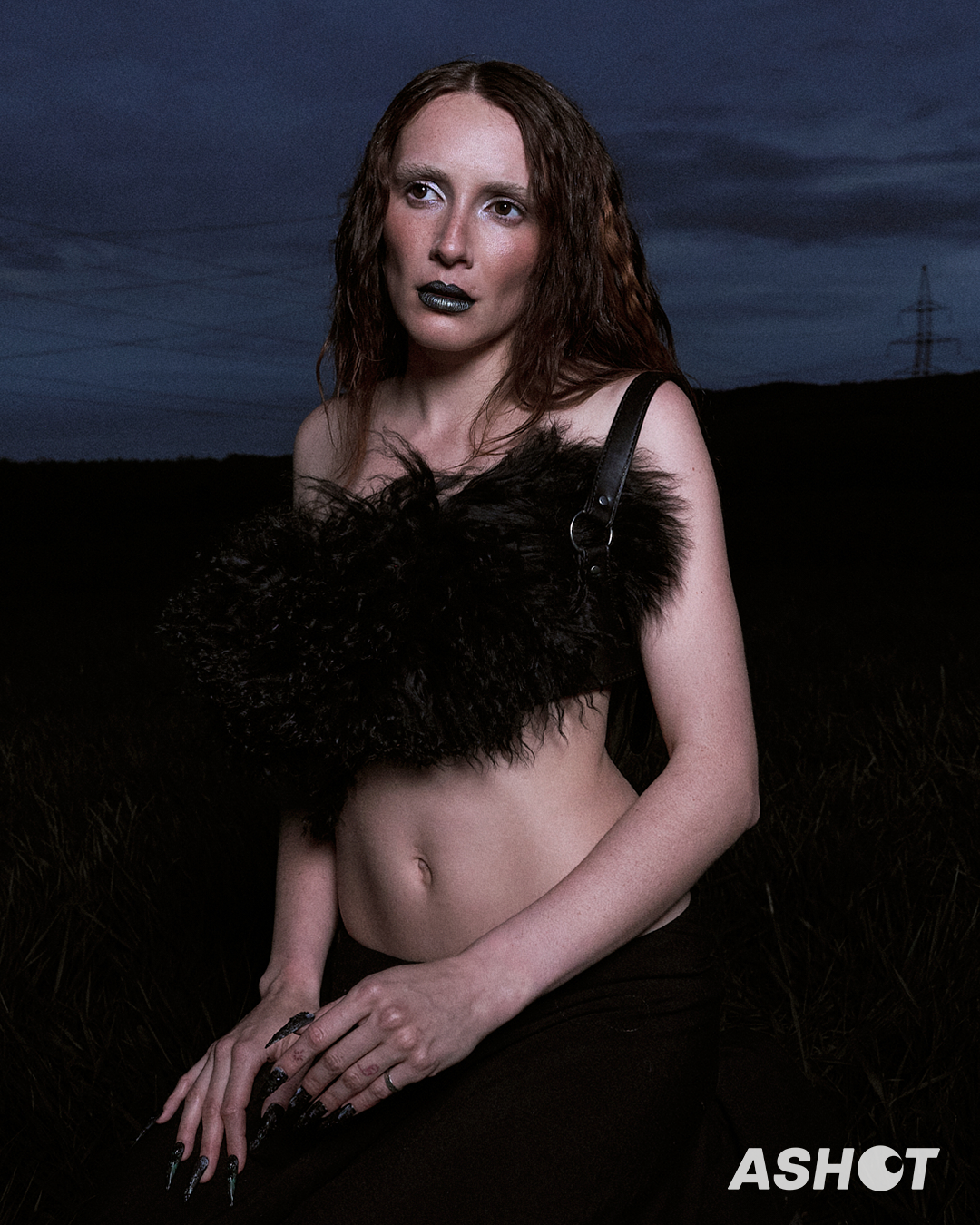
Q: You’re also a director, and you coach other actors. When you watch your own performances now, whose eyes do you use — the actress’s or the director’s?
When I watch my own performances, I don’t really watch them as an actor or as a director. I watch them as a very critical viewer. It’s easier for me to tell whether I believe the performance or not. Obviously, it’s me, so it’s hard to lie to myself. I can tell so quickly when something doesn’t feel right, and it just hits me like a truck.
I actually enjoy watching my mistakes because I learn from them — as long as I get the chance to do another take, obviously. It can be pretty harsh when you watch something you thought you nailed and realize it feels fake. Thankfully, that doesn’t happen too often, but I do think it’s really important for actors to watch their own work and learn from it.
Q: Quebec cinema has this reputation: small budgets, total artistic freedom, zero compromise. What does it protect in you that Hollywood might not?
Quebec does have very small budgets, which brings a lot of limitations, but I think working around those limitations can actually be a good thing. Having total freedom with a bigger budget isn’t always better, because you don’t necessarily question your ideas as much. I think the Quebec industry has made me very aware of how reputation works. It’s such a small industry that everyone knows each other, and you kind of have to make sure that you are appreciated, which can be very tricky.
As an actor, you shouldn’t be in a people-pleasing mode. When you come onto a set, you should just be ready to open up, be vulnerable, and do the work. But at the same time, there is also this expectation to be pleasant and kind, and often people become friends with coworkers. I do feel like the smaller the industry is, the more you end up overthinking every little interaction.
Honestly, I think that can also be a good thing. With the Me Too era, I feel like people are now being more mindful of how they behave at work, and I think that’s a positive change.
Q: From the clinical dread of Red Rooms to the messier, funnier world of Mile End Kicks, how differently do you prepare for a character whose damage is quiet versus one who wears it loud?
Obviously, preparing for Mile End Kicks was a very fun process. I got to learn how to DJ, and I got to spend a lot of time with the rest of the cast to build those authentic connections and relationships that helped nurture the characters. I also did some research by talking with friends who are part of the underground, emerging music talent scene. Learning about Montreal’s musical era of the 2010s was really fascinating.
I was just very happy to be part of such an amazing project, especially considering how rare it is to see Montreal put on the map in a mainstream project.
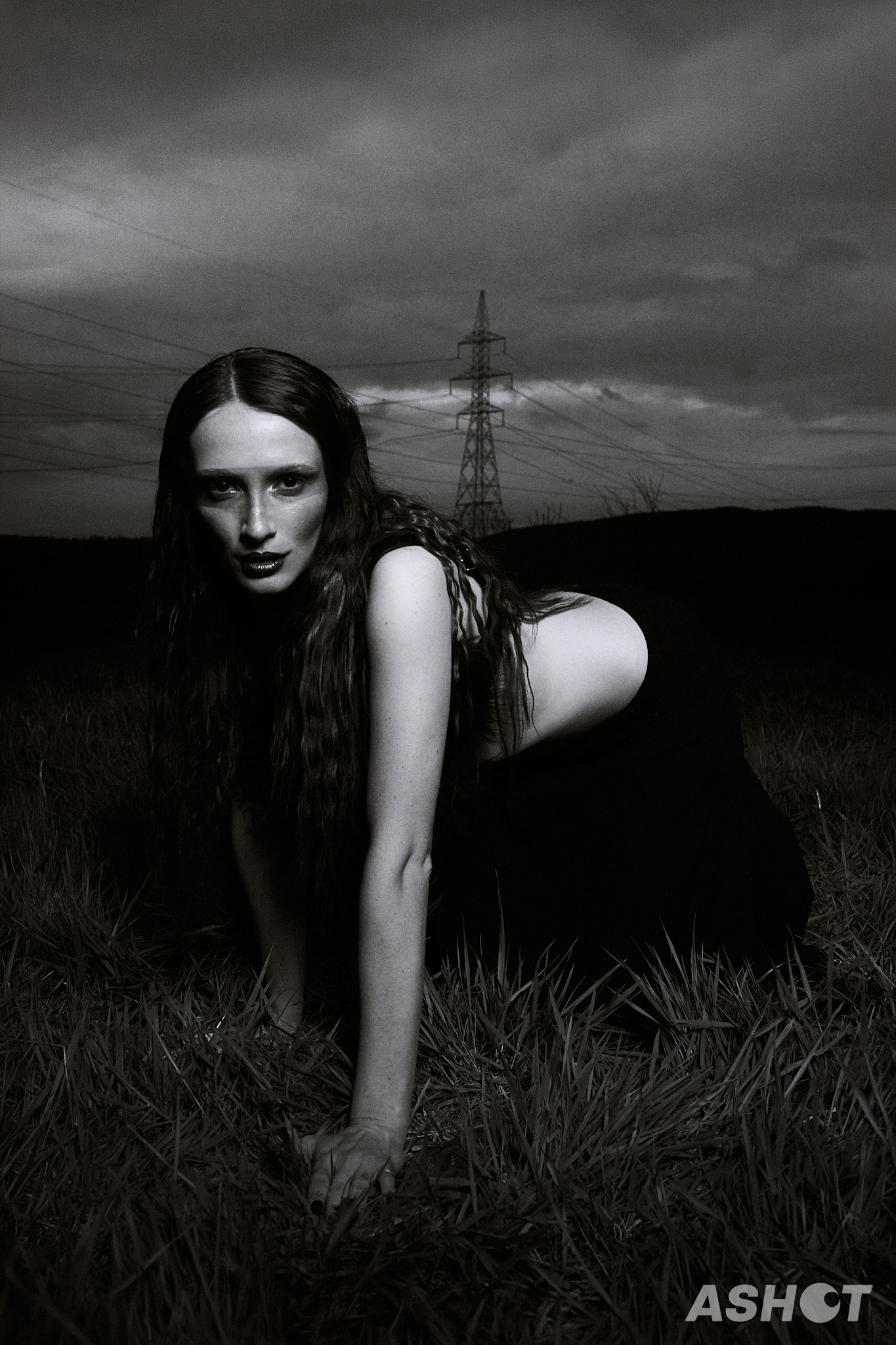
Q: Kelly-Anne watches without flinching. Audiences watch her without flinching. Did making the film change how you personally consume true crime content?
Working around true crime content for Red Rooms definitely made me more aware of what we’ve turned such graphic content into. I think there is a limit to what we can find entertaining, and that limit can only really be defined by ourselves.
I want to be careful about what I normalize my nervous system to consume. After doing Red Rooms, my career definitely took another step forward, and things became a little more serious. At the same time, my anxiety grew stronger, and I had to become more mindful of the content I was exposing myself to.
I definitely had to step away from things that made me uneasy and move toward more soothing podcasts, TV shows, and even reading. I’m having a harder time being scared, although I will always enjoy a good horror movie — which is a bit ironic.
Q: Red Rooms plays as horror without a single supernatural element. What makes something horror to you?
I feel like horror is definitely changing, and we might be scared of completely different things than we used to be. I see horror constantly on social media and in the news, and sometimes it feels like it’s actually much less frightening to watch a ghost story than to see the reality of an active shooter killing children in schools, you know what I mean?
Q: Red Rooms built your reputation almost entirely on festival buzz and critical word-of-mouth rather than a marketing campaign. Now that you’re closer to bigger studio machinery, do you feel a difference in how a film gets sold to audiences versus how it gets made?
There is absolutely a difference now in how movies are marketed, and I do sometimes fear that studios will prioritize performers who have a bigger reach online and whose audiences will follow them to theaters. It’s something I’ve definitely seen happening lately, where we’re looking for performers who already come with their own audience.
But I also want to believe that projects like Backrooms, Obsession, and other smaller, more original films from unique creative teams will continue to take up space and prove everyone wrong.
Q: You’ve watched Two Women in Gold pick up a Special Jury Prize at Sundance and Mile End Kicks premiere at TIFF and SXSW back to back. Does festival success change the calculus of what scripts land on your desk?
I’ve been very lucky to not only be working, but to be working on features that are good and that make me really proud. I wouldn’t say that I’m receiving a ton of scripts and having to turn down projects, because that’s definitely not the case. But for the first time, I was approached by an amazing U.S. production team called Ghost House Pictures to star in the upcoming thriller by Jaume Collet-Serra called Play Dead. I got to work alongside the absolutely incredible Noah Jupe. This was the biggest project, budget-wise, that I’ve ever been a part of, and I’m immensely proud and grateful that I got to experience it.
Q: You’ve played women who watch, women who hide, women who perform. Which one is closest to who you are when no one’s looking?
I feel like the role of Madeline in Mile End Kicks is the closest to me — as a Montrealer, as a performer, as a lover girl, as a people pleaser, and just as a girl who likes to dress up and party.
Q: You’ve spoken about the “complicated role of external validation” in your career. How has that relationship changed since Red Rooms put you in the spotlight?
Yes, for sure. Even more so after getting to experience audiences’ reactions to Red Rooms. I feel like we’ve been really lucky because, for the most part, people have really connected with and appreciated the film. So obviously the bar feels higher now. Everything I do after Red Rooms feels like a challenge, because I don’t want to lose that little spark of attention and support that I was lucky enough to receive.
It’s a constant conflict, wanting to stay relevant and be appreciated by the industry while also trying to keep it real and focus on simply being a good actor, without getting caught up in all he said, she said. At the end of the day, you have to stay true to the work, keep being curious about art and about yourself, and try to quiet that voice that’s always wondering what other people think of you.
Q: Is there a film that scared you so deeply it changed something in you permanently?
I can’t watch any Paranormal Activity movies. Like, that stuff will drive me crazy. One thing I do not mess with is ghosts. I can handle a lot, but paranormal activity? Hell no. Keep that away from me. That’s just loco.
Q: What’s a shot from someone else’s film that you wish you were inside of?
I wish I could live a little bit inside of The Princess Diaries, when she discovers her grandmother’s castle. I just remember it being one of my favorite movies when I was younger, and I thought it was so cool to discover that a castle was actually yours.
Like, what do you mean I get to live in a castle? So yeah, I think that would be pretty amazing. I like pretty things, horses, pink rooms and jewelry.
Q: And finally — if you were a single shot in a film, what would it look like?
Oh my God. I hope I would be a sequence without any cuts, shot on film, with those beautiful teal and blue colors. I would be handheld, and then eventually the camera would be put on top of a crane and finish up in the sky.
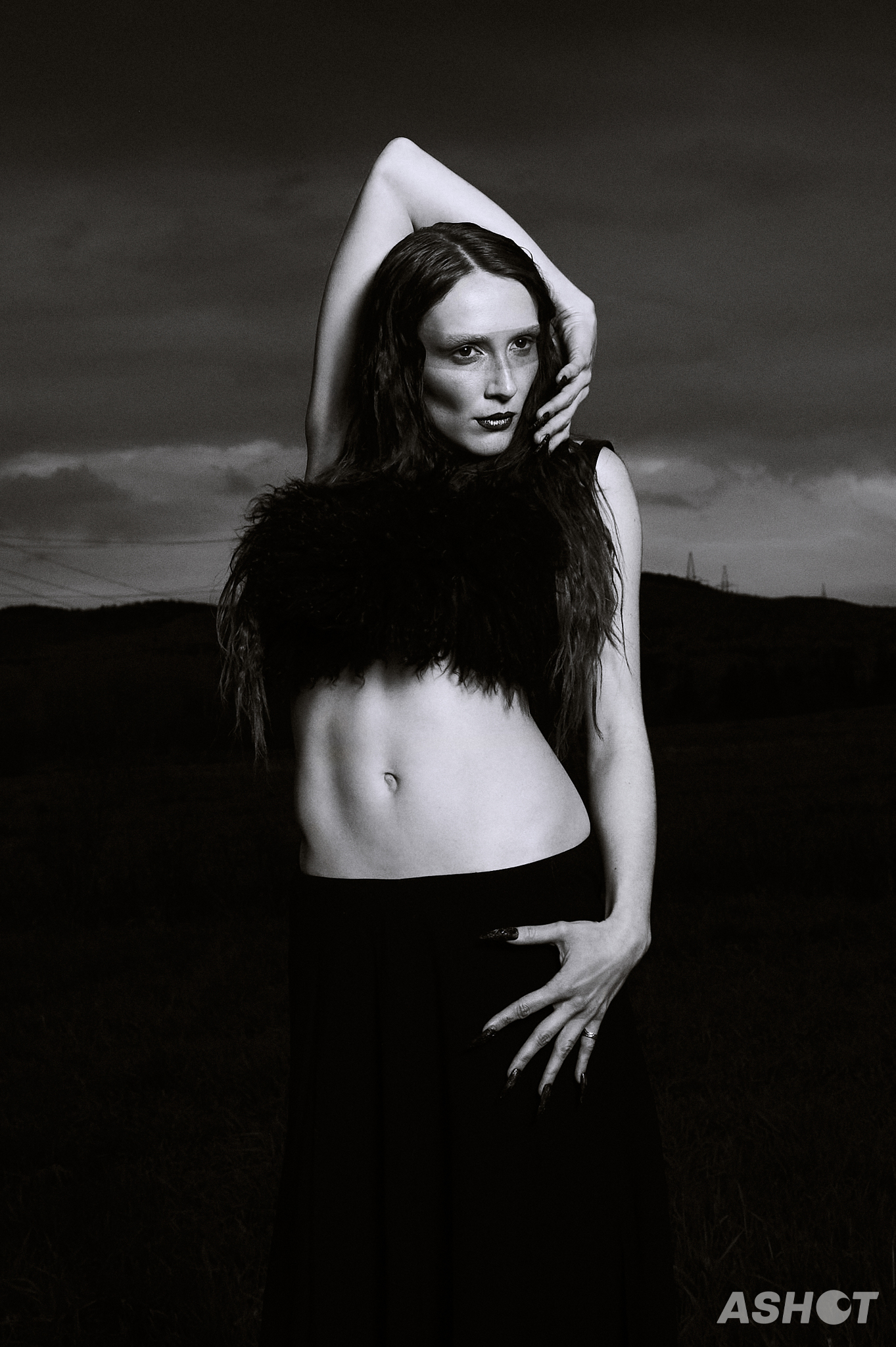
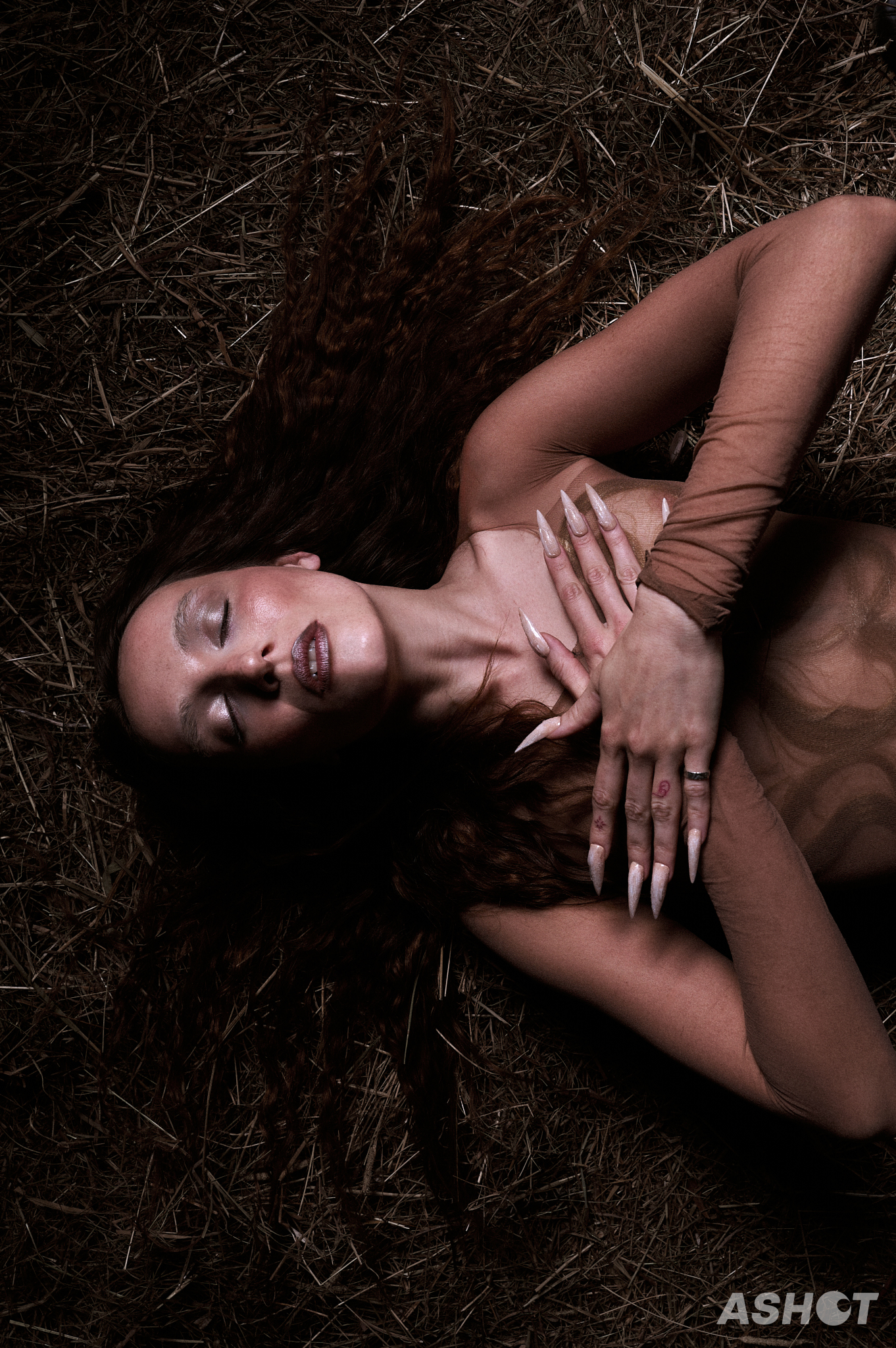
- Photographer: Oceane Auclair @oceane_auclair
- Creative direction: @juliette_gariepy & @oceane_auclair
- Hmua: Hannah Dodenhoff @hannahdodenhoff_mua
- Styling: Marie Joëlle Gariepy @atchhoum & Emya Saint-Germain @emyasg
- Assistant: Élia Mathieu @_eliamathieu
- Location: Ferme 40 Arpents @40arpents