
By
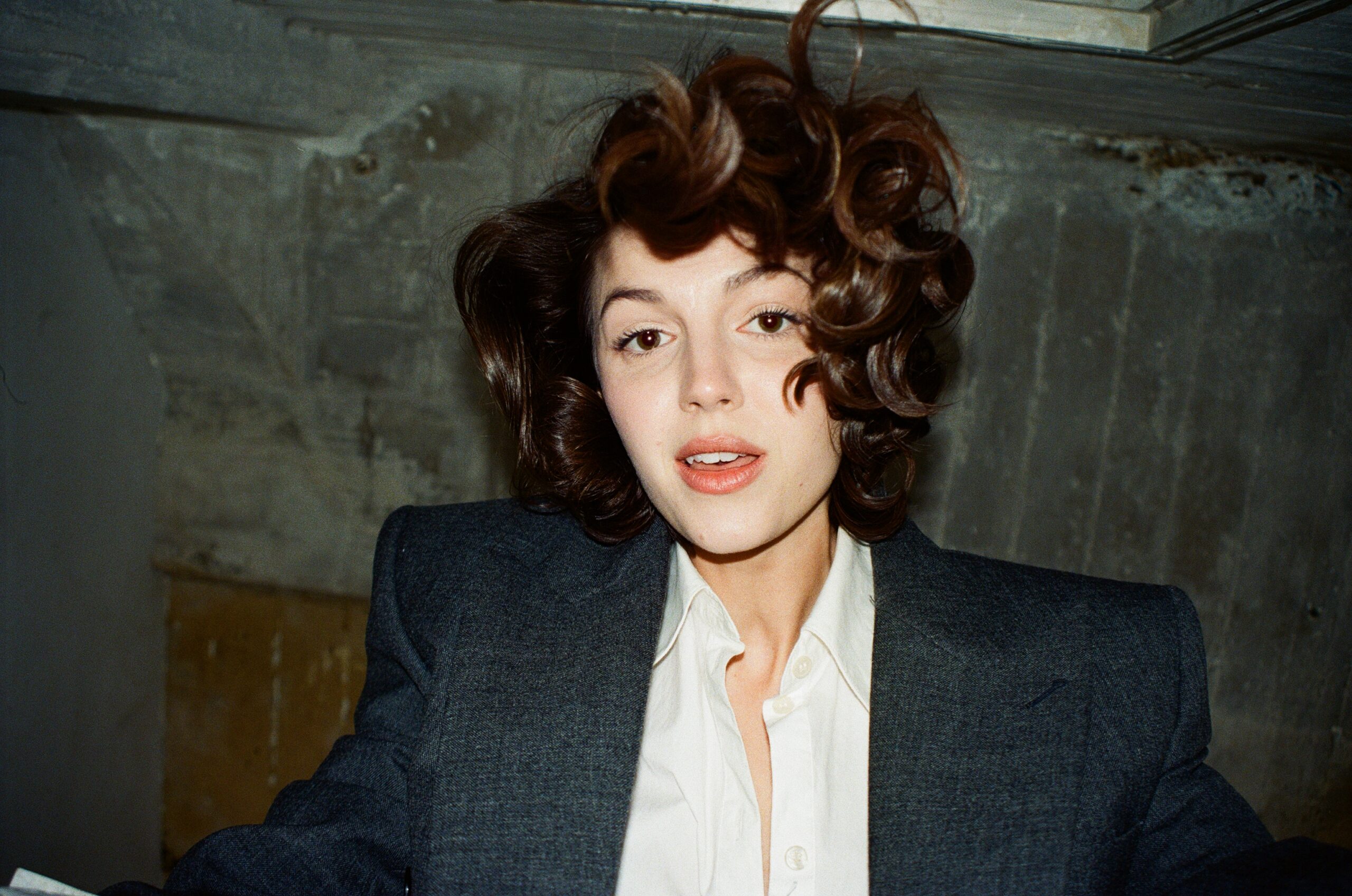
Ella Hunt has spent much of her life becoming other people. As an actress, she is a professional shape-shifter, moving between 19th-century New England in Dickinson, Lady Chatterley’s Lover, and Horizon: An American Saga with a sense of practiced ease. But in her music, the mask slips. With her debut album arriving June fifth, and Blindspot leading the way with a music video out April sixteenth, Hunt’s creative worlds feel closer than ever, folding into one another in ways that no longer require distinction.
The British actress and musician is on the cusp of a particularly charged moment. “I’m writing about my experience as an actress,” she explains. “Shape-shifting and the idea of being a person who can be lots of different things for people—that’s been a central theme in my music.”
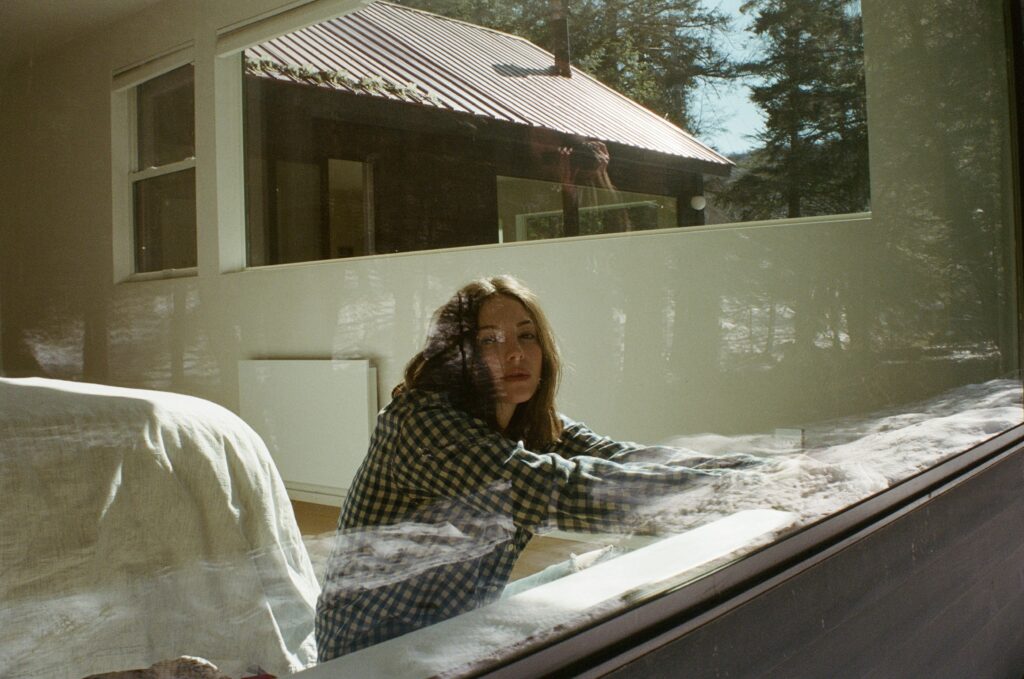
Growing up surrounded by visual art—raised by artist parents and alongside creative siblings—Hunt developed an early fluency in image, tone, and feeling, one that continues to shape how she approaches her work today. Just as importantly, she was encouraged to trust that internal compass from the outset, a mindset reinforced by the support system she’s built around her, from close collaborators to her inner circle. “I’ve always had a strong gut feeling, and my parents encouraged me to trust it,” she shares.
As she puts it, songwriting exists in a space that resists logic altogether — what fellow English singer Florence Welch once described as a kind of “impractical magic.” “You don’t always consciously know what you’re writing about, or quite the spot that it holds in your life,” she reflects. There is an unvarnished quality to her upcoming debut album, a sound she describes as the result of a sudden surge of energy drawn from a place of deep, personal reckoning. “I’ve never struggled with vulnerability as a lyricist. It came naturally, and I never felt much fear about oversharing,” she tells A Shot.
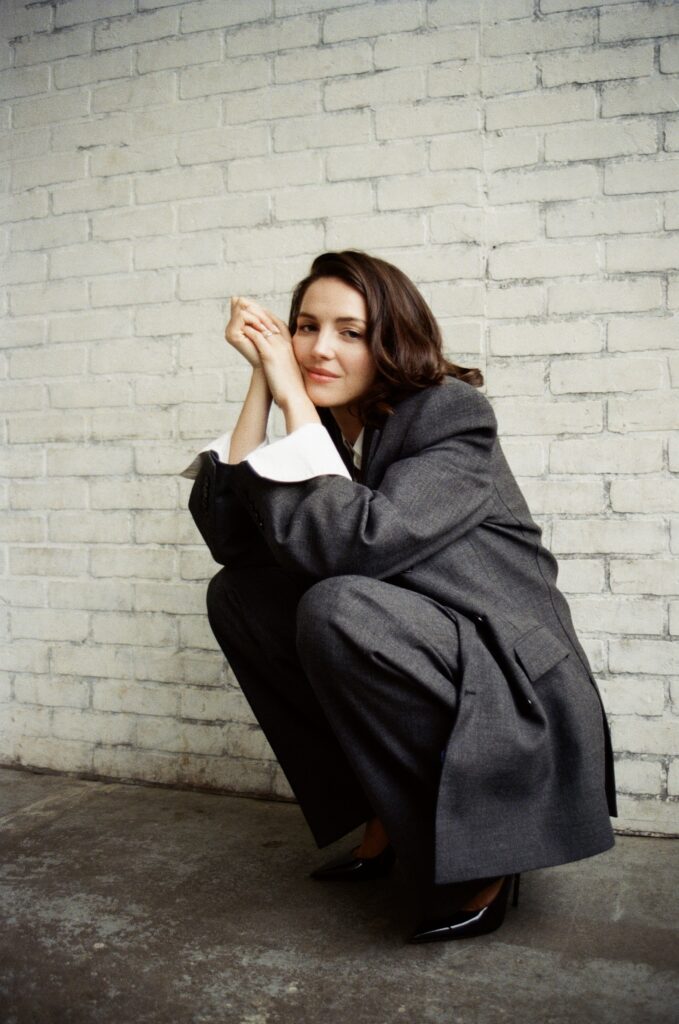
In her earlier days, however, that openness didn’t always come as easily. She approached the studio with a certain self-consciousness—shaped, in part, by the pressures of being young and still figuring out her voice. There was an underlying desire to make music that would resonate outwardly, to create something people would like, which left her feeling slightly restrained, testing ideas and navigating what felt right as she went.
Subway Trash emerges from that same tension—between performance and self, between who she is and who she is asked to be. Much of the 2025 single was shaped in the aftermath of personal loss, catalyzed by what she describes as a period of “rageful introspection” following her sister’s passing.
With the song, that process became a form of release—an articulation of something long held beneath the surface. But it is in her newest single, Blindspot, the point where everything finally clicks; between the grief she’s been carrying, the music she’s making, and the person she’s becoming all meet right there. The track moves through absence as if it were something tangible, something that lingers just out of sight but never quite leaves.
Written from within what she describes as a “grief cloud,” the song traces those fleeting moments of clarity that surface within disorientation, offering a vocabulary for the dissociation of loss—the unsteady, vertigo-like sensation of trying to locate yourself within it. “We all anticipate grief,” she says, “but you can’t anticipate it. You have no idea how it’s going to feel until you’re in it.”
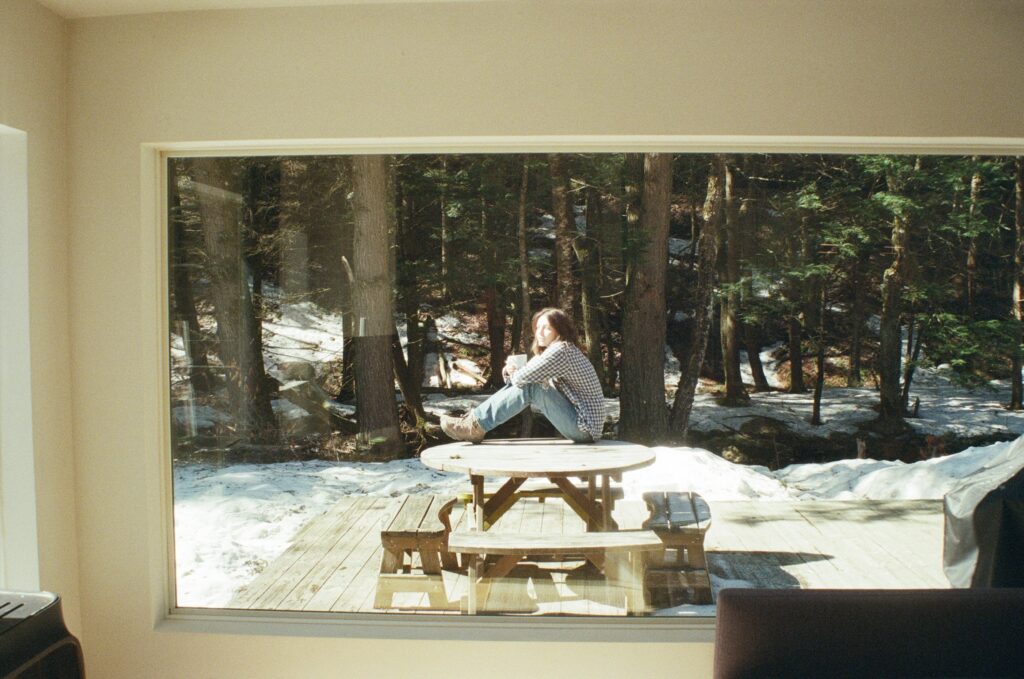
Hunt describes it as a metaphor for that feeling: the presence of something that isn’t there, but insists on being felt. It’s a dislocation she captures not just lyrically, but sonically— refusing the safety of auto-tune or a single overdub, as though anything more would interrupt the honesty of it. “It’s that feeling of something just out of reach or over your shoulder. When you turn to look for it, it isn’t there—but it feels like it is.”
For her, grief isn’t a thing that happens and then ends; not as a singular moment, but as a state of disorientation. It’s a physical weight that stays in the room, making the familiar suddenly feel out of reach. “I think a lot of the time when I am writing something, you don’t always consciously know what you’re writing about or quite the spot that it holds in your life,” she explains. “Sometimes songs can end up feeling prophetic, like they predicted something that comes to be. With Blindspot, I think I was in such a foggy place that strands of clarity became very comforting. They gave me words for the dissociation of grief and that feeling of being unsteadied.”
Grief, she notes, stripped away the need to overthink. “It gave me this kind of ‘I don’t give a fuck’ energy,” she says, almost matter-of-factly. “I wasn’t overthinking things that I would have previously overthought.” The track, she explains, holds the emotional nucleus of the record—encapsulating her experience of grief while opening outward into its broader themes, from girlhood to motherhood. “It felt very clear to me that Blindspot needed to be the lead single.” It functions as both an entry point and a throughline, setting the tone for the layered exploration that unfolds across the debut album. “The record is an exploration of grief in its widest sense—the end of love, the end of a chapter, personal evolution, palliative care.”
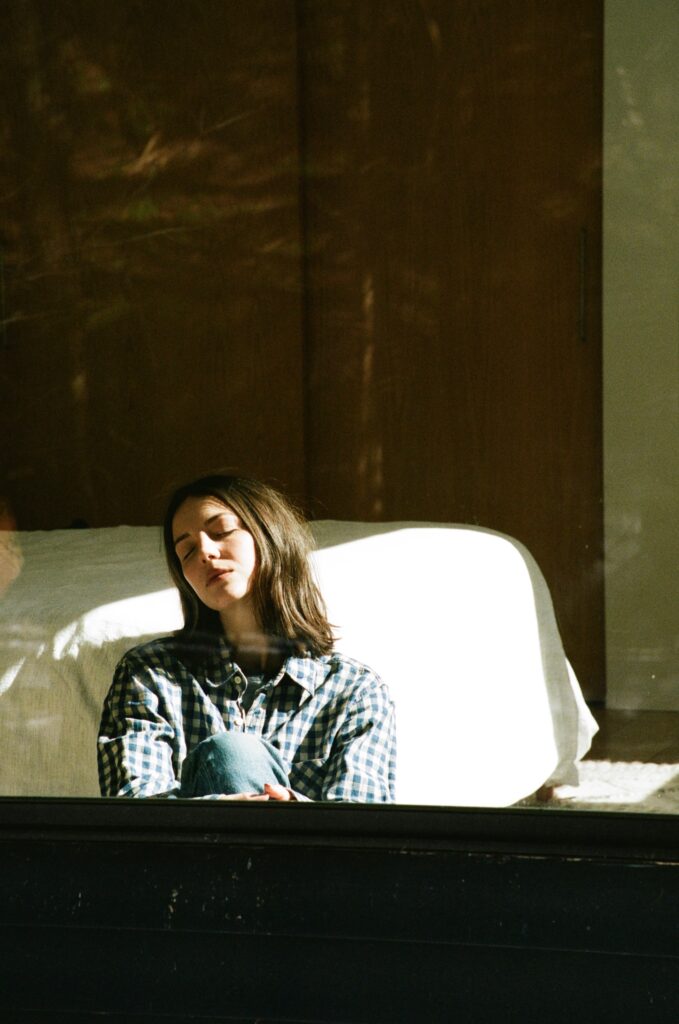
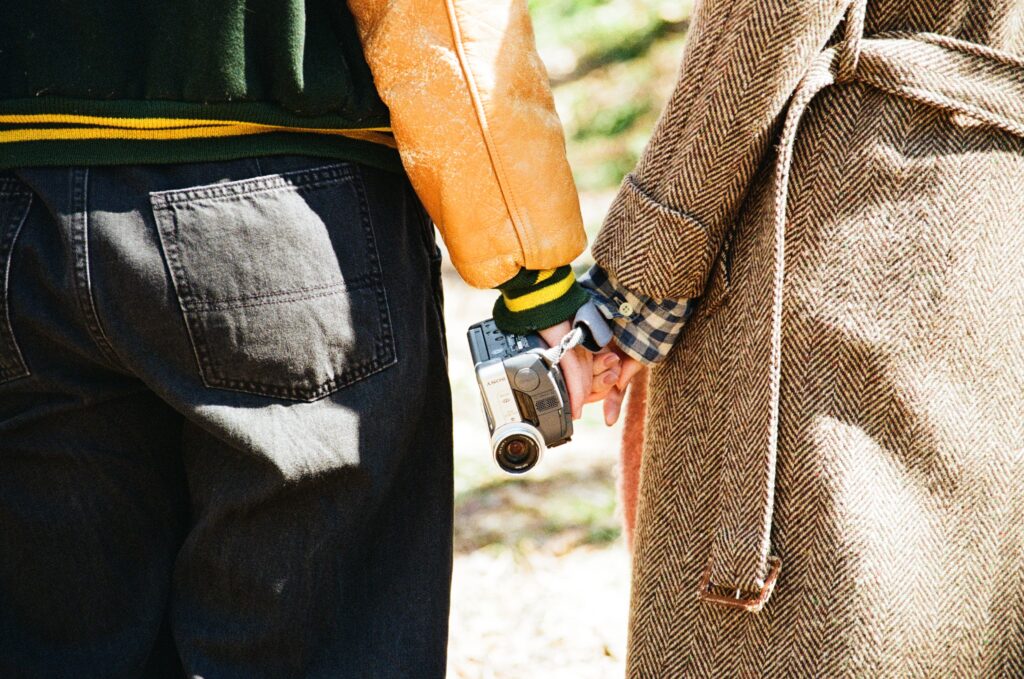
There is a kind of pressure that comes with releasing music, a set of expectations that Ella admits feels more than a little daunting. To counter that, she wanted the visuals for Blindspot to feel like they were actually moving, shot on Super 8, camcorder, and a small digital camera. The record itself is full of that sense of forward motion, which feels like a strange contradiction to the stillness that comes with grief. It’s that chronic conflict of time refusing to stop even when you feel completely stuck in place.
Most of the record was tracked live, and you can hear it—there’s no gloss, no auto-tune, just the actual sound of her at the piano. It doesn’t feel like she sat down and decided to make a raw-sounding album for the sake of an aesthetic. It feels more like she just ran out of the energy it takes to over-curate. After losing her sister, she hit a point where she simply stopped overthinking the things that used to make her self-conscious in the studio. “It felt enough for it just to sound like me at the piano, with my friends in the room,” she says. “There’s hardly any overdubs… it just sounds like you’re sitting in a room with me.”
Playing live, she describes, offers a kind of reciprocity that feels impossible to replicate elsewhere—the shared energy of a room, the exchange between artist and audience. While acting, particularly on stage, can echo that feeling, it remains fundamentally different. There, she is channeling someone else’s words; in music, she is speaking entirely in her own.
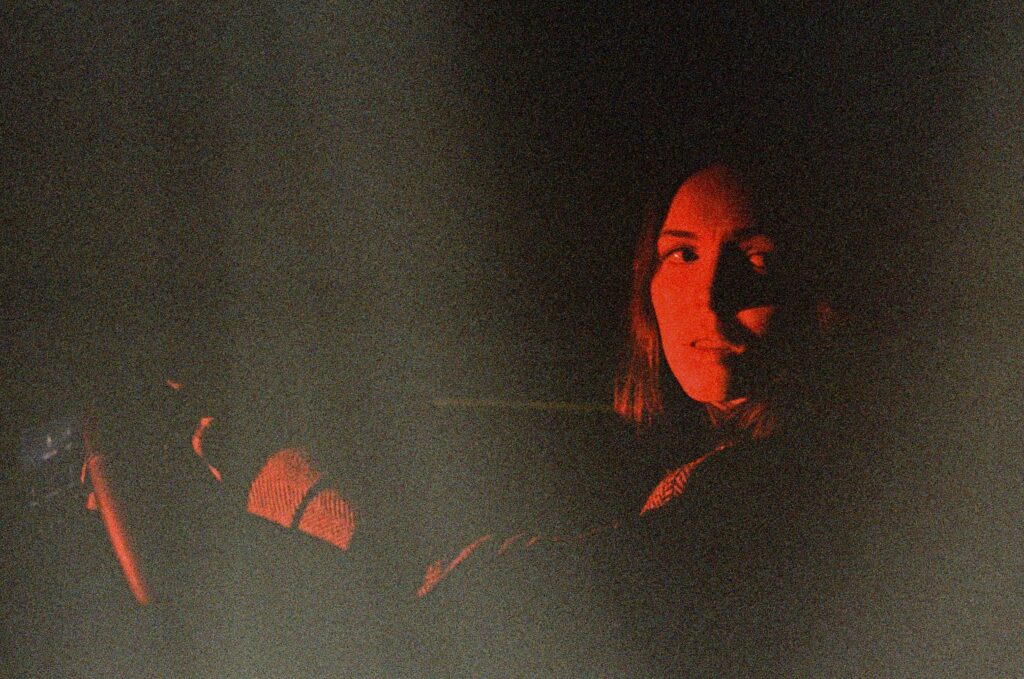
For Hunt, music occupies a space in her life that feels entirely singular—something she describes as both unknowable and instinctive. The act of writing is about discovery; she often finds herself sitting down without a clear direction, only to understand what she’s created weeks later. It’s that element of surprise—the delayed clarity—that continues to draw her back to the process.
She’s stopped trying to map out a specific path and started just following whatever excites her. Where there was once a tendency to separate disciplines, she no longer feels the need to divide them. “As I’ve gotten older, they’ve become less and less separate entities,” she says of acting and music. “I’m keen not to compartmentalize my artistic practices—they do inform one another.”
Both, in different ways, orbit around the same question: what it means to exist in flux. The difference is that music allows her to answer it in her own voice. Lately, everything she does seems to come back to a need for real connection. She’s started putting her community at the center of everything and surrounding herself with people she loves—recording with her friends and husband or just driving upstate with a Super 8 camera and her inner circle. “I’m more and more focused on making things that feel intimate and tactile for the audience,” she explains. “Trying to make things where we can feel close to each other… fills my cup a whole lot more than distance.”
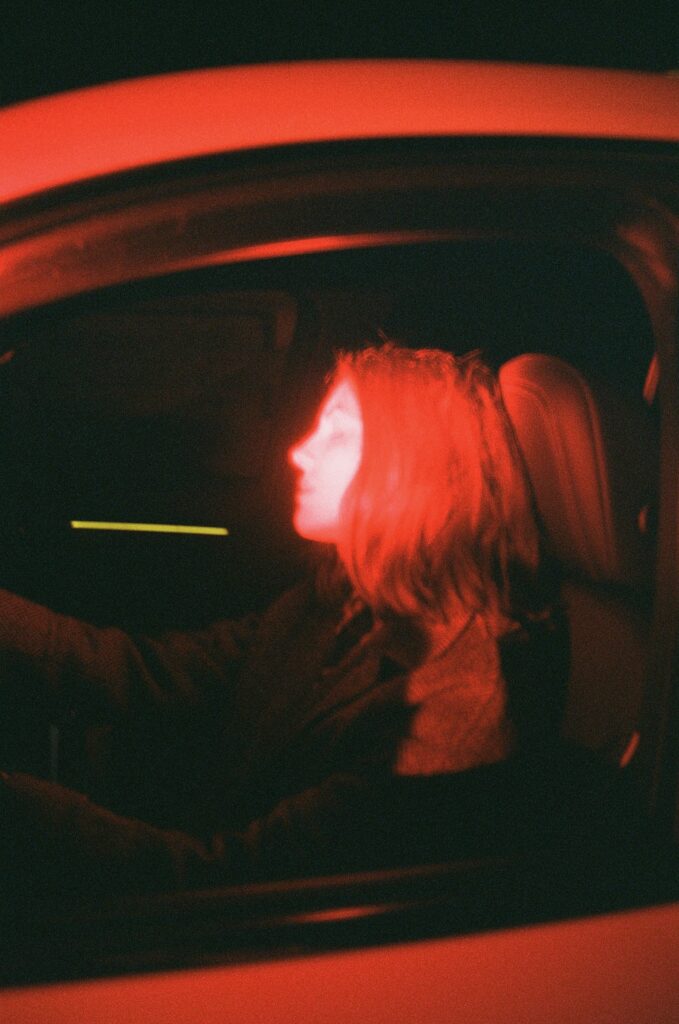
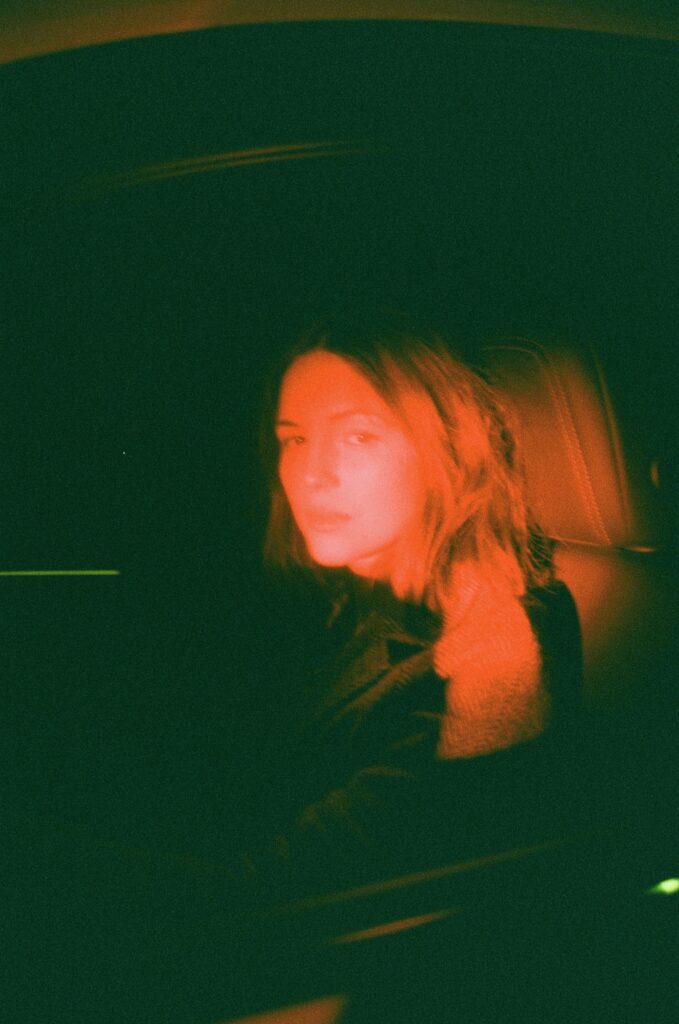
Ella isn’t interested in mapping out her career too far in advance. She’s found that setting strict expectations for herself usually just ends up feeling like a cage. Instead, she’s following whatever surprises her—projects that pull her in a different direction rather than just keeping her in the same lane.
That’s likely what keeps pulling her back toward horror. She talks about the genre with a real sense of freedom, like it’s a playground where she can dig into “juicy” or difficult topics without things getting too heavy. Her next project, Bella, which dives into the messiness of beauty standards and family dynamics, is still in the works, but it’s clear she’s already deep in that headspace.
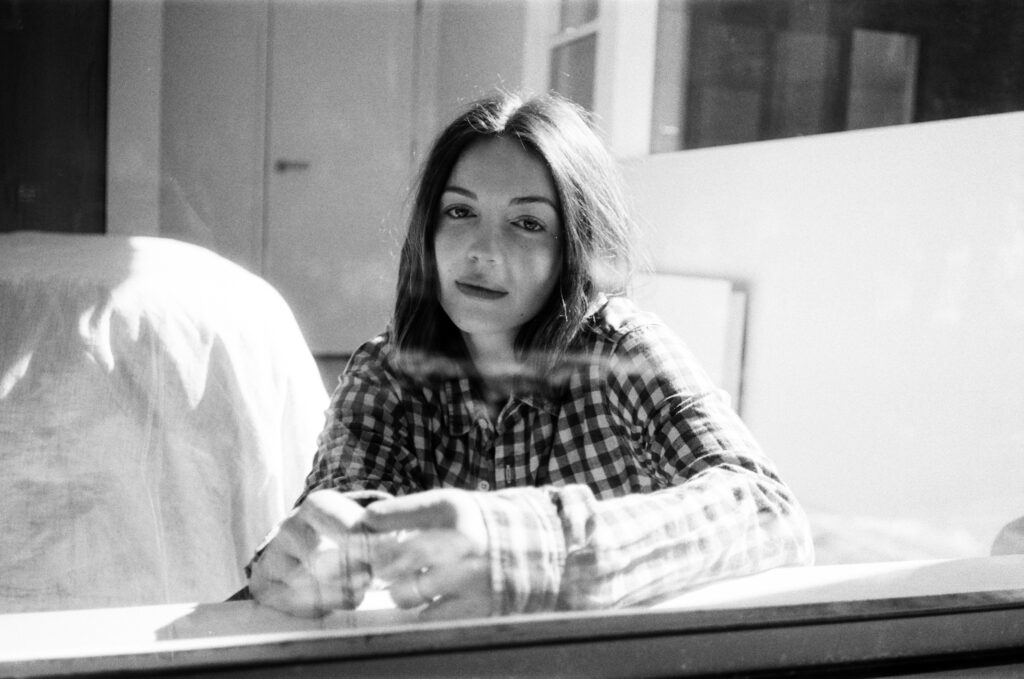
Her path hasn’t been a straight line. She started in horror with Anna and the Apocalypse, then drifted toward the wit of Dickinson and the comedy of Saturday Night and Not Suitable for Work. But for Ella, these aren’t separate worlds. She sees them as overlapping. “I love comedy, but I think there’s a really interesting intersection between comedy and horror that I’d love to explore more.”
You can feel that sense of play in her upcoming series, Not Suitable for Work. “We had so much fun making it,” she says, her face lighting up when she talks about her co-star, Avantika. “We just kind of fell in love instantly.”
Playing a “Red Sox-loving Boston girl” in a Mindy Kaling comedy was a total shift for her—a different rhythm than anything she’d done before. But she stepped into it with the same ease she brings to her music. “Mindy is such a great creator,” she says. “She really gave me a treat of a character. I just hope people enjoy hanging out with these characters as much as I did.”
There is, throughout it all, a sense of looseness—not in the work itself, but in the way she allows it to take shape. Hunt speaks often about resisting control, about letting meaning reveal itself rather than forcing it into place. “I didn’t go into it with all that much intention,” she says of the album. “I was just making it because that’s where I was at.” It’s this willingness to follow instinct—rather than impose direction—that defines where she is now. “I’m very instinctive,” she says simply. “I’m just being led by what excites me.”
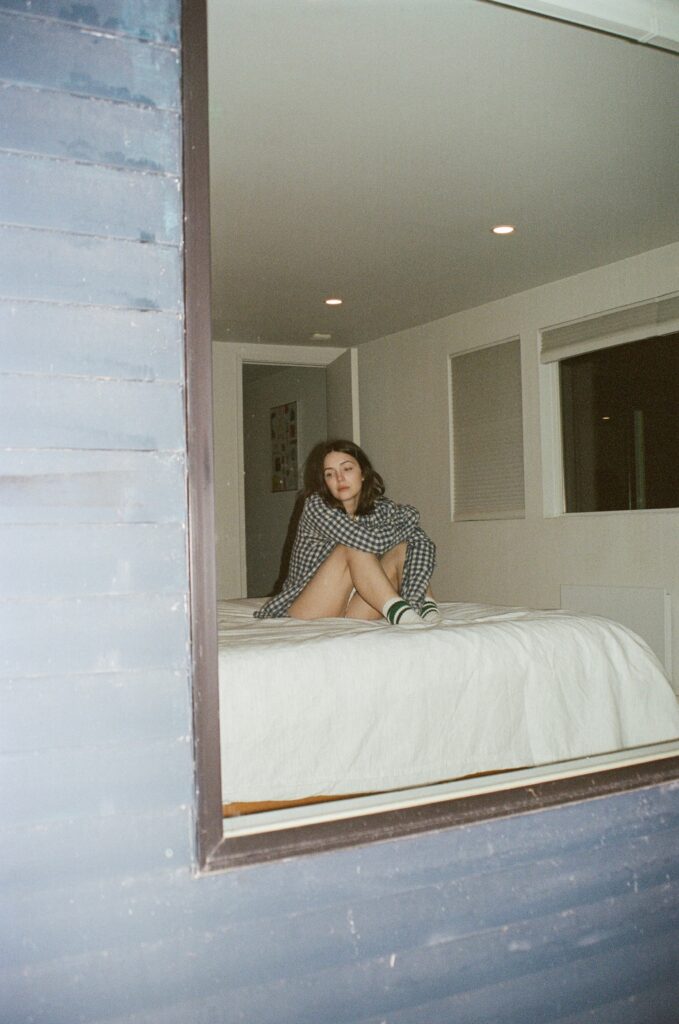
When you ask Ella what she would look like if she were a single frame of film, her mind goes straight to the surreal and the atmospheric. She points to the dream sequence in Rosemary’s Baby—Mia Farrow adrift on a mattress in the middle of the ocean—as an image she carries close to her heart.
It’s a moody aesthetic that spills over into her music, too. She used a shot from Antonioni’s L’Avventura—a woman standing on a rugged rock face with the sea and wind whipping behind her—as a direct reference for the record’s visuals.
That comfort in the slightly distorted or the vast comes from a childhood spent surrounded by photography. Growing up with the work of Bill Brandt and Henri Cartier-Bresson, she found herself drawn to those stark, high-contrast images of figures on beaches where the perspective feels a little bit off.
In the end, maybe the best way to understand where Ella is right now is to look at the world she’d build for herself if she could. It’s a place she describes with a mix of sincerity and self-deprecating grit: a wilderness full of cats, an infinite supply of Negronis, and Joni Mitchell playing on a loop. It sounds like a strange, beautiful world—a bit like the music she’s making and the life she’s navigating. She is simply existing in the “raw,” letting the “impractical magic” of her instincts lead the way, and finally inviting the rest of us to come and wail along with her.
Head to Ella Hunt’s official store to pre-order the vinyl and discover exclusive merch.