By
Going into The Love Hypothesis, there is a familiar kind of apprehension that comes with any adaptation of a hugely popular romance novel. Ali Hazelwood’s books already have a devoted readership, particularly within the BookTok community, and that kind of built-in expectation can be difficult to translate to the screen without flattening what made the books work in the first place. Romance, in particular, is unforgiving in that way: chemistry can’t be faked, and fans of the source material tend to know instantly when a film is simply chasing the plot without understanding the feeling.
Thankfully, The Love Hypothesis feels like an adaptation that understands exactly what its audience wants. Prime Video has been putting a lot of faith into book-to-screen adaptations lately, and this is another example of why that can work so well. If you’ve read the book and loved it, there’s always the fear that the adaptation will stray too far from the source material or lose the little things that made you fall in love with it. Thankfully, there’s no need to worry here. The film clearly understands the assignment.\

The Love Hypothesis follows Olive (Lili Reinhart), a brilliant Ph.D. candidate focused on her future in academia. But when she realizes her best friend Anh (Rachel Marsh) has fallen for her crush Jeremy (Nicholas Duvernay), Olive impulsively kisses intimidating professor Adam Carlsen (Tom Bateman) to prove she’s moved on. What begins as a desperate act of friendship spirals into a fake relationship with rules, boundaries, and a mutually beneficial agreement. When their arrangement begins to blur the lines between performance and reality, Olive is forced to test her most daunting hypothesis yet: that love might actually be worth the risk.
A huge part of the film’s success comes down to director Claire Scanlon, the filmmaker behind Set It Up, which is still, to this day, an all-time favourite of mine. Scanlon understands exactly what makes this genre work. As she said during the London premiere of The Love Hypothesis a few weeks ago, a good rom-com needs good comedy — something that a lot of romance films unfortunately forget in their rush to get to the swoony parts. And oh boy, did she deliver.
The room was filled with laughter from beginning to end. There were so many moments where the entire audience was absolutely losing it. The comedy never felt forced, and that is such an important part of making a rom-com actually work. The film knows when to let the romance breathe, but it also knows when to lean into the ridiculousness of the situation. Scanlon seems to understand instinctively when a scene needs a punchline and when it needs to sit in the quiet.
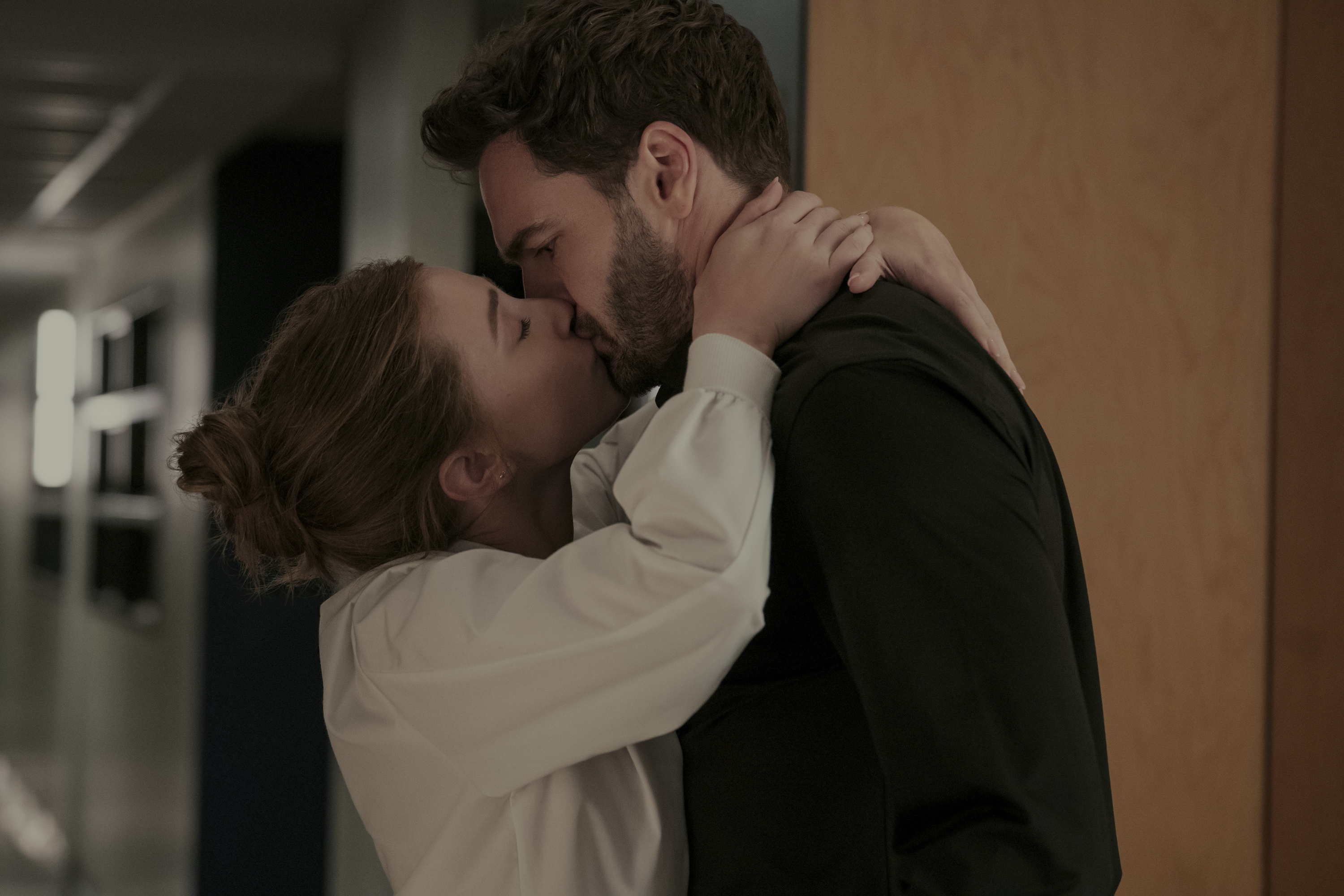
But most importantly, the chemistry between Lili Reinhart and Tom Bateman was chemistrying.
That was probably my biggest concern going in. After watching the trailer, I had pretty low expectations. Some moments looked awkward and potentially very cringe, and I genuinely went in expecting the film to be a total flop. I am very happy to say I was wrong.
philippebosse.com
The chemistry between the leads works, and the romantic tension actually translates to the screen. There is a genuine sense of fun between them that makes you want to watch their relationship develop, rather than simply waiting for them to get together. A lot of that comes down to the way Reinhart and Bateman play against each other physically. The fake-dating premise could easily have felt like a gimmick stretched too thin, but there’s enough specificity in the little glances, hesitations and awkward pauses that the relationship earns its slow build.
The film also knows exactly how to play into the little moments romance fans are waiting for. Lines like “How tall are you?” followed by “Tall enough” immediately had the audience giggling. It’s silly, flirty and completely aware of the kind of romance it is trying to deliver.
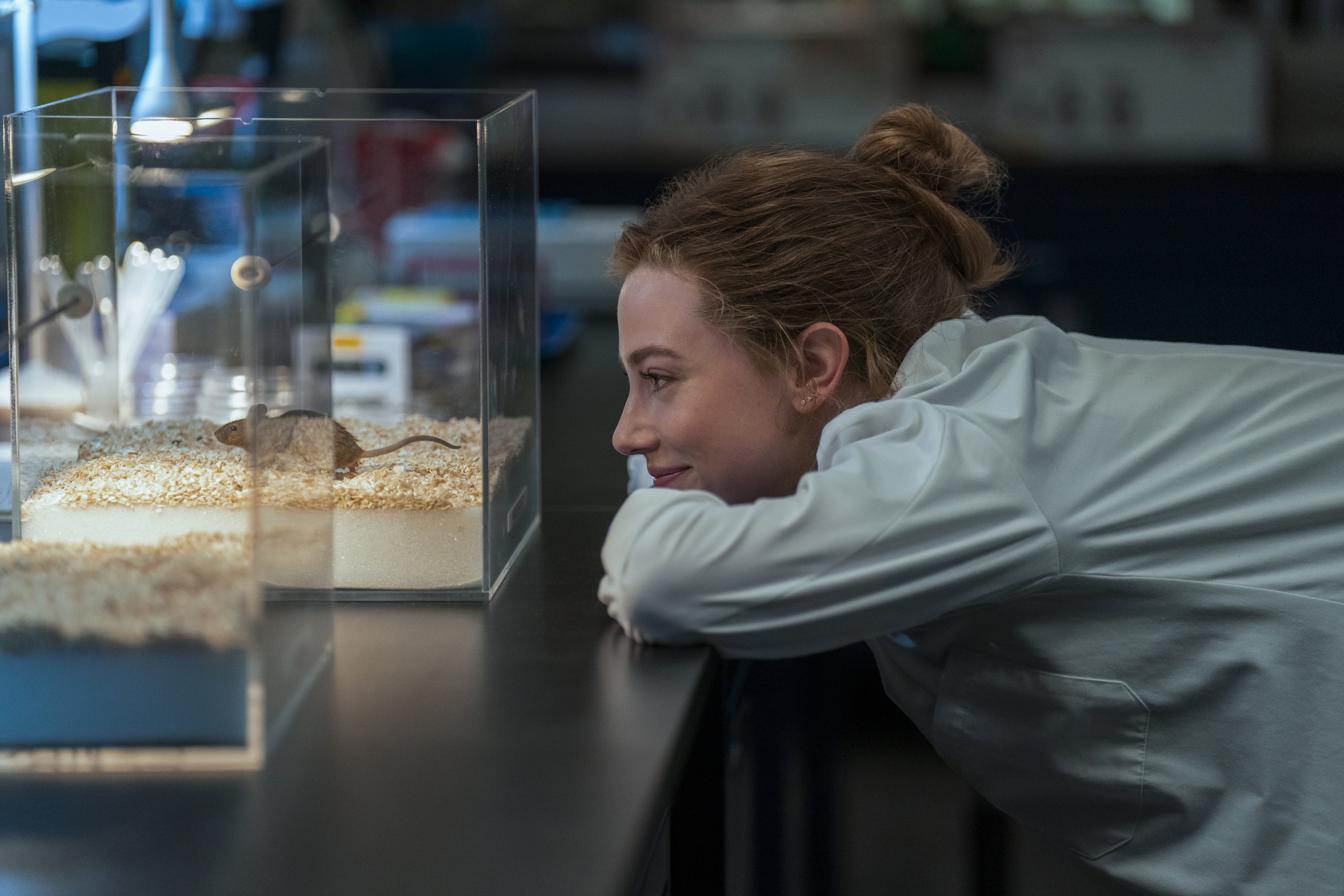
Reinhart is quite simply the perfect Olive. There is so much warmth to her performance, but she also brings a real depth to the character that makes Olive feel like more than your typical rom-com protagonist. Her intelligence, awkwardness, fierce loyalty and tendency to get completely inside her own head all translate beautifully from book to screen.
Tom Bateman is just as well cast as Adam. Initially stoic, awkward and almost impossible to read, watching those walls gradually come down around Olive is one of the film’s greatest pleasures. There are little smiles, softer looks and increasingly natural moments between them that reveal everything Adam would probably rather not say.
There is also something particularly amusing about the casting considering Bateman’s partner is Daisy Ridley, who plays Rey in Star Wars — the character whose romance with Kylo Ren helped inspire Hazelwood’s original novel. The connection feels almost too perfect.
Unfortunately, the film isn’t entirely without its stumbles. There are a couple of stretches in the middle where the plot leans a little too heavily on convenient misunderstandings to keep the pair apart, and anyone familiar with the genre will see those beats coming from a mile off. It’s a minor gripe in the grand scheme of things, and it never derails the film, but it’s the one place where the pacing sags slightly before picking back up for the final stretch.
Additionally, I did find myself missing some of the yearning. A key component of any fake-dating story is that delicious moment when the characters realise they may have actually developed real feelings. Cue the yearning, and with it, the angst that comes from knowing that acting on those feelings could irreparably damage the genuine connection they’ve developed. The film gives us the chemistry, but it doesn’t always give us enough of that agonising emotional limbo that makes the fake-dating trope so addictive in the first place. As a reader, you want to suffer a little. You want the longing, the hesitation, the “we absolutely cannot do this” while both characters very obviously want to do exactly that. The Love Hypothesis gets very close, but it doesn’t quite linger there long enough.
What is really surprising though, are the side characters. Side characters in romance adaptations can sometimes feel like they’re only there to move the plot along, but here, they genuinely add something to the film. They make the world feel bigger, funnier and, most importantly, more lived-in.
The friendship between Olive and Anh is particularly beautiful. Anh isn’t simply Olive’s funny best friend existing on the sidelines of her love story. She is her family. Marsh and Reinhart make that relationship feel genuinely lived-in, and the emphasis on found family throughout the film gives the story an emotional warmth beyond the central romance. The film understands that Olive’s relationship with Anh is just as important to her emotional journey as her relationship with Adam. There is a real sense of sisterhood here, and it gives the story something to fall back on whenever the central couple needs a breather.
You can also really feel Lili Reinhart’s involvement as an executive producer. There is a certain awareness of the online fandom surrounding the book, and the film feels very conscious of what the BookTok audience actually wants to see on screen. It doesn’t feel embarrassed by its own romance or try to be something it isn’t. It fully embraces the tropes, the humour, the chaos and the fantasy of it all.
And honestly, that is probably the biggest compliment the film can get. The Love Hypothesis knows exactly what kind of movie it wants to be. It’s funny, romantic, full of chemistry and packed with side characters who actually matter. For an adaptation carrying this much fan expectation on its shoulders, that is no small feat. Everyone involved in this film understood the assignment — and, thankfully, they absolutely delivered.