
By
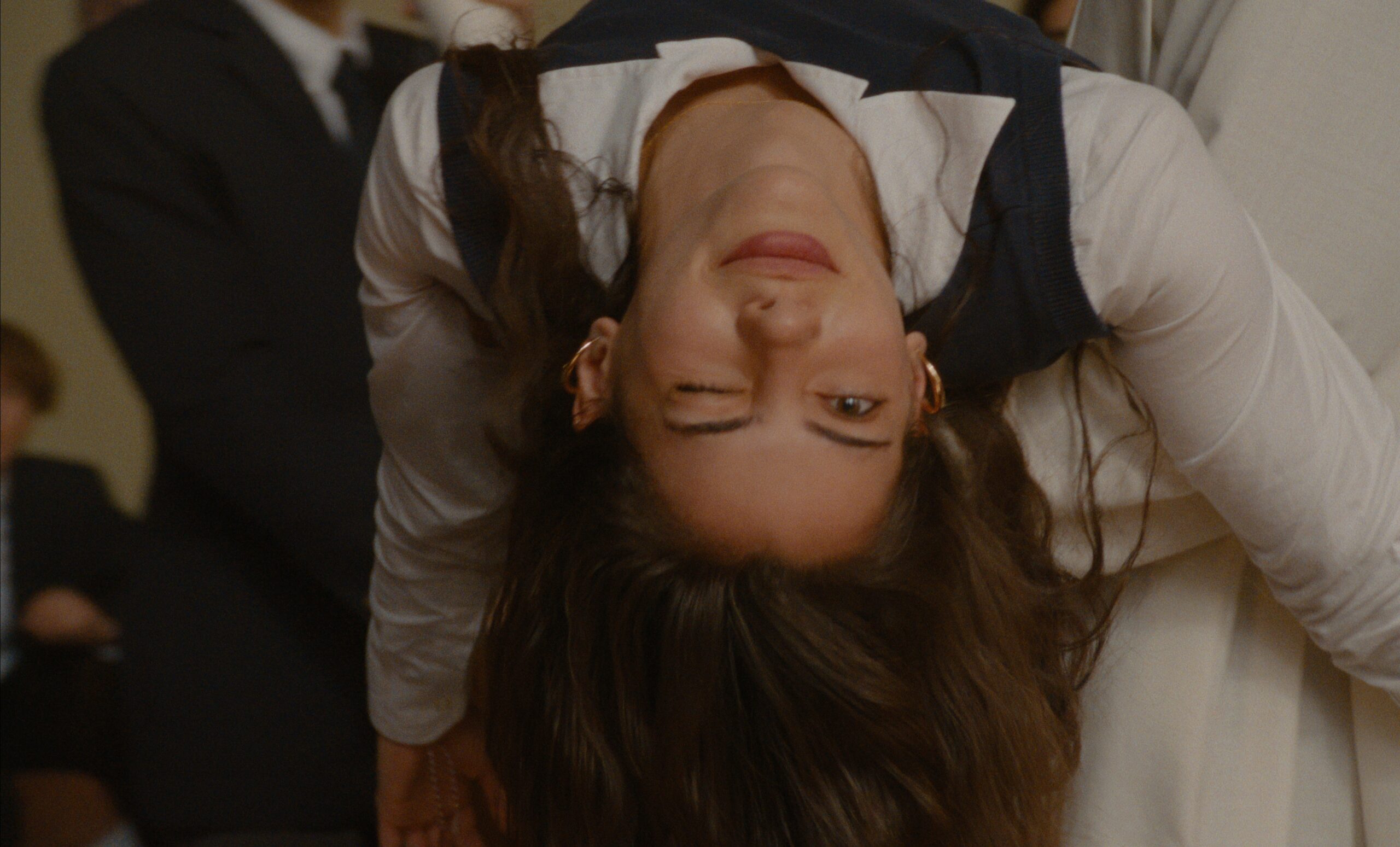
Wildly entertaining, wickedly funny and unexpectedly heartbreaking, Quinn Shephard’s The Body is a bold, brilliantly acted exploration of teenage girlhood, queer desire and religious repression, anchored by two extraordinary, star-making performances from Kristina Bogic and Sara Boustany.
Quinn Shephard’s The Body is one of the most exciting new shows of the year. A deliriously entertaining, darkly funny and deeply unsettling exploration of teenage girlhood, queer sexuality and religious repression, the eight-part Netflix series effortlessly navigates between comedy, psychological horror and tragedy, often within the same scene, delivering an incredibly smart, frequently hilarious and surprisingly devastating portrait of young people struggling to make sense of themselves in an environment that offers them very little room to do so. It’s an extraordinary achievement from Shephard, who previously wrote and directed the acclaimed films Blame and Not Okay, and one that is made all the more impressive by its phenomenal young ensemble, led by two remarkable newcomers in Kristina Bogic and Sara Boustany.
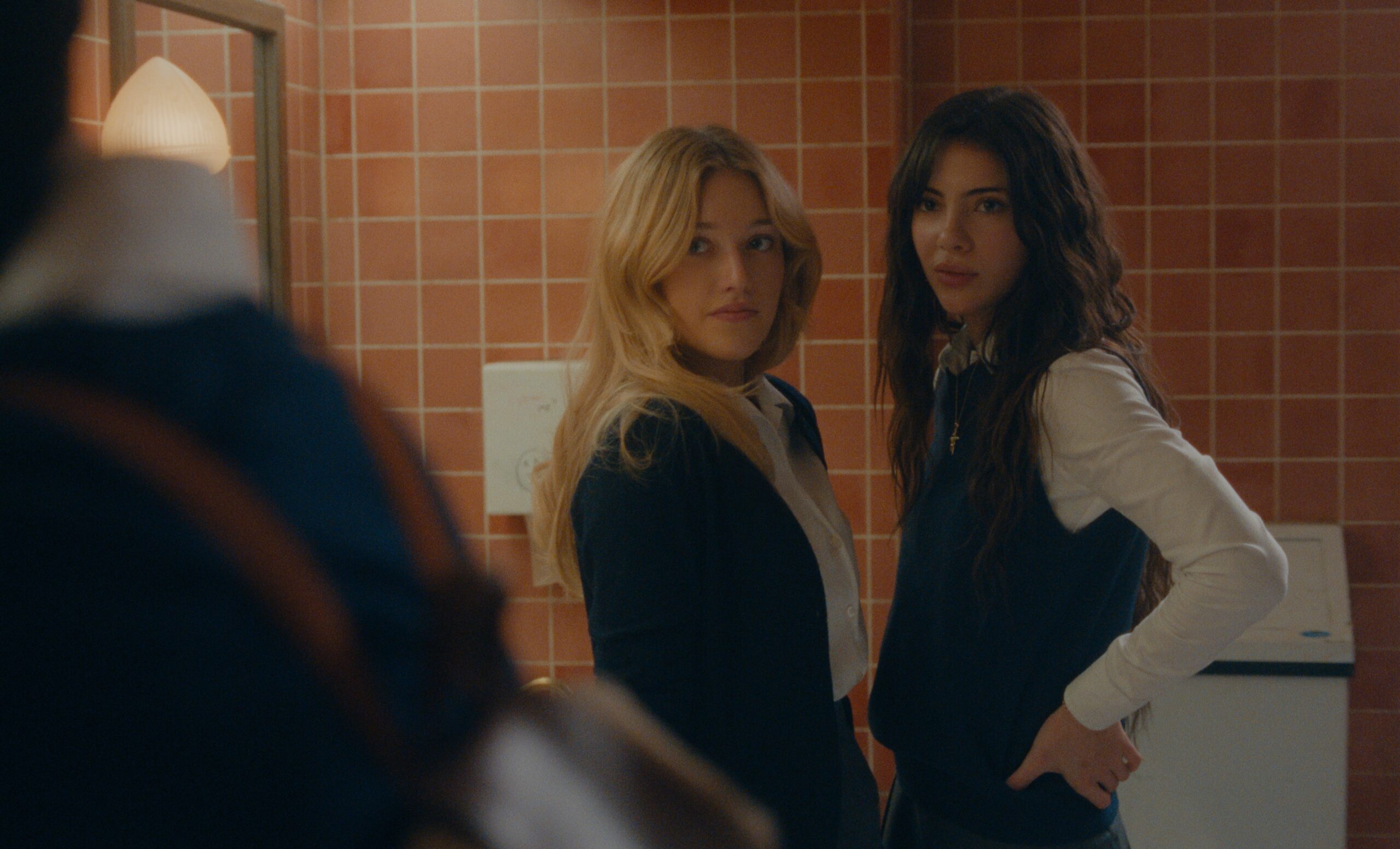
Set in the early 2000s, The Body centers on Anya Butler (Bogic) and Elise Zakaria (Boustany), two popular girls attending a Catholic high school who seemingly have everything going for them. They’re beautiful, confident and well-liked, occupying the very top of their school’s social hierarchy as the leaders of its coveted dance squad. But underneath their carefully maintained public personas lies a much more complicated relationship, with the two secretly harboring romantic feelings for one another, something neither is particularly comfortable acknowledging, let alone acting upon. Anya, the kinder and more sensitive of the two, is dating Steven Maxwell (Orlando Norman), a popular swimmer who clearly adores her but has begun to notice that her feelings for him aren’t quite as strong as his are for her. Elise, on the other hand, is more abrasive, unpredictable and occasionally downright cruel, often lashing out at those around her in ways that make her both incredibly entertaining and deeply frustrating to watch.
The girls’ lives take a dramatic turn when their dance squad begins holding auditions for a new member, eventually settling on Grace Franklin (Sofia Wylie), a sweet, good-natured girl who is thrilled to have been selected. Their decision doesn’t sit particularly well with Lisbeth Anderson (Geena Meszaros), an awkward, deeply religious student who also auditioned and desperately wants to be part of the group. After a chance encounter involving a school test brings Lisbeth and Anya closer together, the latter invites her to a Halloween party, where the girls will also be initiating Grace into the squad.
What initially begins as a night of fun and harmless teenage debauchery quickly spirals into something far more sinister when Elise pressures Grace into taking drugs as part of her initiation. Grace suddenly begins having seizures before falling into a coma, leaving the girls terrified of what might happen should anyone discover their involvement. But when medical tests reveal no traces of drugs in Grace’s system, questions begin to emerge about what really happened that night, and what follows is an increasingly bizarre series of events that gradually plunges the entire community into a state of mass hysteria, with the girls becoming convinced that Grace’s condition may have something to do with a supernatural or religious phenomenon rather than anything medical.
It’s an incredibly compelling premise, one that Shephard and her writing team explore with an abundance of wit, intelligence and a deliciously wicked sense of humor, never allowing the show’s more outrageous developments to overshadow the very real emotional turmoil experienced by its characters. There’s an almost absurd quality to the hysteria that gradually consumes the school, with rumors, accusations and increasingly outlandish explanations spreading like wildfire, but the show is also acutely aware of how frightening and damaging that kind of collective paranoia can be, particularly when it involves young people who have been taught to associate their most natural desires and impulses with sin.
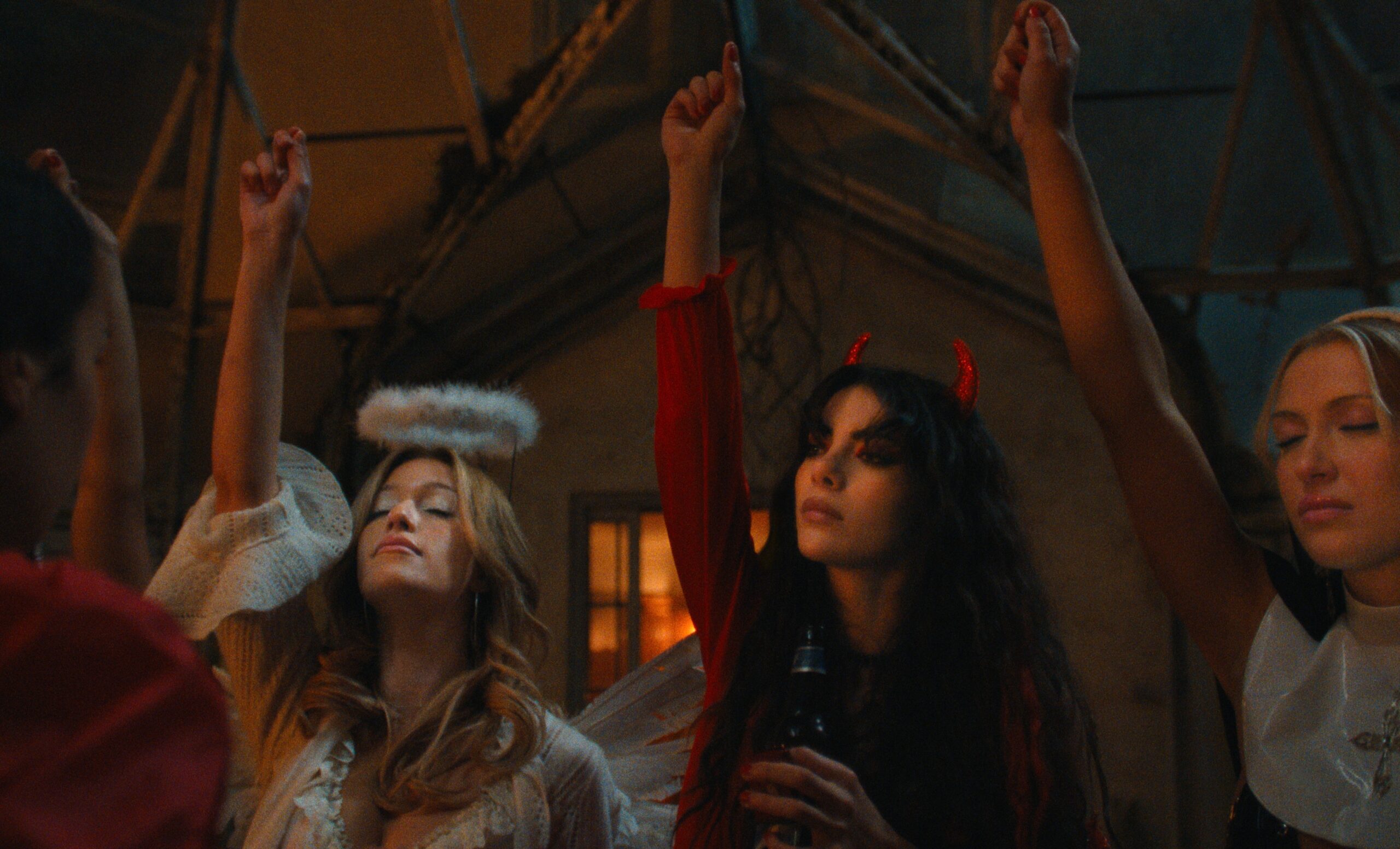
Much of the show’s success rests on the shoulders of Bogic and Boustany, who deliver two of the most impressive breakout performances in recent memory. As Anya, Bogic is absolutely wonderful, bringing an enormous amount of warmth, tenderness and vulnerability to a character who could have very easily been reduced to the familiar archetype of the nice popular girl. Anya is compassionate and generally well-meaning, but she’s also incredibly conflicted, struggling to reconcile the person everyone expects her to be with the person she actually is. Her relationship with Steven is a particularly affecting example of that internal struggle; he’s handsome, popular and genuinely devoted to her, essentially everything a girl in her position is supposed to want in a boyfriend, but Anya simply cannot bring herself to reciprocate his feelings, no matter how hard she tries.
Bogic is especially impressive at conveying that discomfort, imbuing Anya with a quiet sadness and uncertainty that occasionally threatens to overwhelm her otherwise cheerful disposition. There’s something incredibly heartbreaking about watching someone so desperate to do the right thing continually find herself in situations where she ends up hurting the people she cares about, often without fully understanding why. And while Anya may be the more sympathetic of the two leads, Shephard wisely refuses to make her entirely innocent, allowing her to be selfish, dishonest and occasionally complicit in the very behaviors she finds herself questioning. It’s a complex, beautifully realized character, and Bogic proves herself more than capable of navigating her many contradictions, delivering a phenomenal performance that should ideally open countless doors for her.
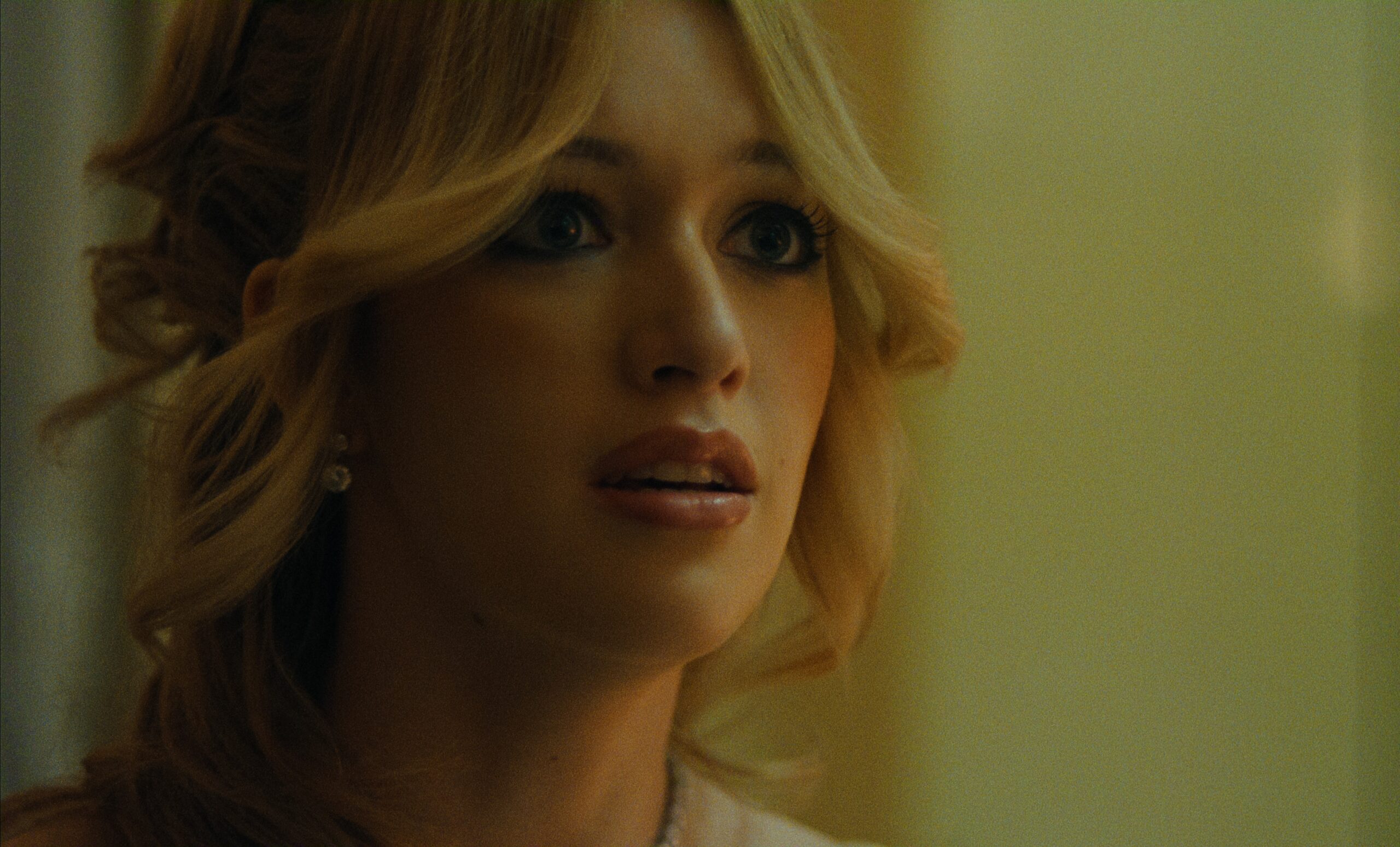
Boustany, meanwhile, is nothing short of a revelation as Elise, easily the more chaotic and morally questionable of the two girls. Mean-spirited, impulsive and seemingly incapable of going more than a few minutes without making an inappropriate remark or antagonizing someone, Elise could have easily been an insufferable character in the hands of a less capable actress, particularly given her role in the events that ultimately leave Grace fighting for her life. But Boustany brings such an abundance of charisma, humor and emotional complexity to the character that it’s almost impossible not to become invested in her, even when she’s behaving absolutely terribly.
What makes Boustany’s performance so effective is her ability to hint at the vulnerability lurking beneath Elise’s abrasive exterior, gradually revealing a young woman whose cruelty often feels like an extension of her own insecurities and frustrations. She’s frequently hilarious, delivering some of the show’s funniest moments with a wonderfully biting sense of humor, but there’s also an underlying sadness to her performance that becomes increasingly apparent as the series progresses. Elise is clearly someone who wants to be loved and understood but has very little idea how to go about achieving either, often resorting to behaviors that only serve to push people further away. Boustany never attempts to excuse her actions, nor does she need to; instead, she makes Elise so wonderfully human that we find ourselves rooting for her to become a better person, even when she gives us very little reason to believe she’s capable of doing so.
Together, Bogic and Boustany are electric, their chemistry providing the show with much of its emotional weight. There’s a palpable tension between Anya and Elise that extends far beyond their unspoken romantic feelings, with the girls constantly navigating a complicated dynamic of affection, jealousy, resentment and desire, often without fully understanding the emotions they’re experiencing. Their relationship is as tender as it is destructive, and Shephard handles it with remarkable sensitivity, never reducing their sexuality to a convenient source of conflict or allowing their feelings for one another to define them entirely. These are two complicated, deeply flawed young women trying to figure themselves out, and the fact that they’re queer is an integral part of that experience without being the only thing that matters about them.
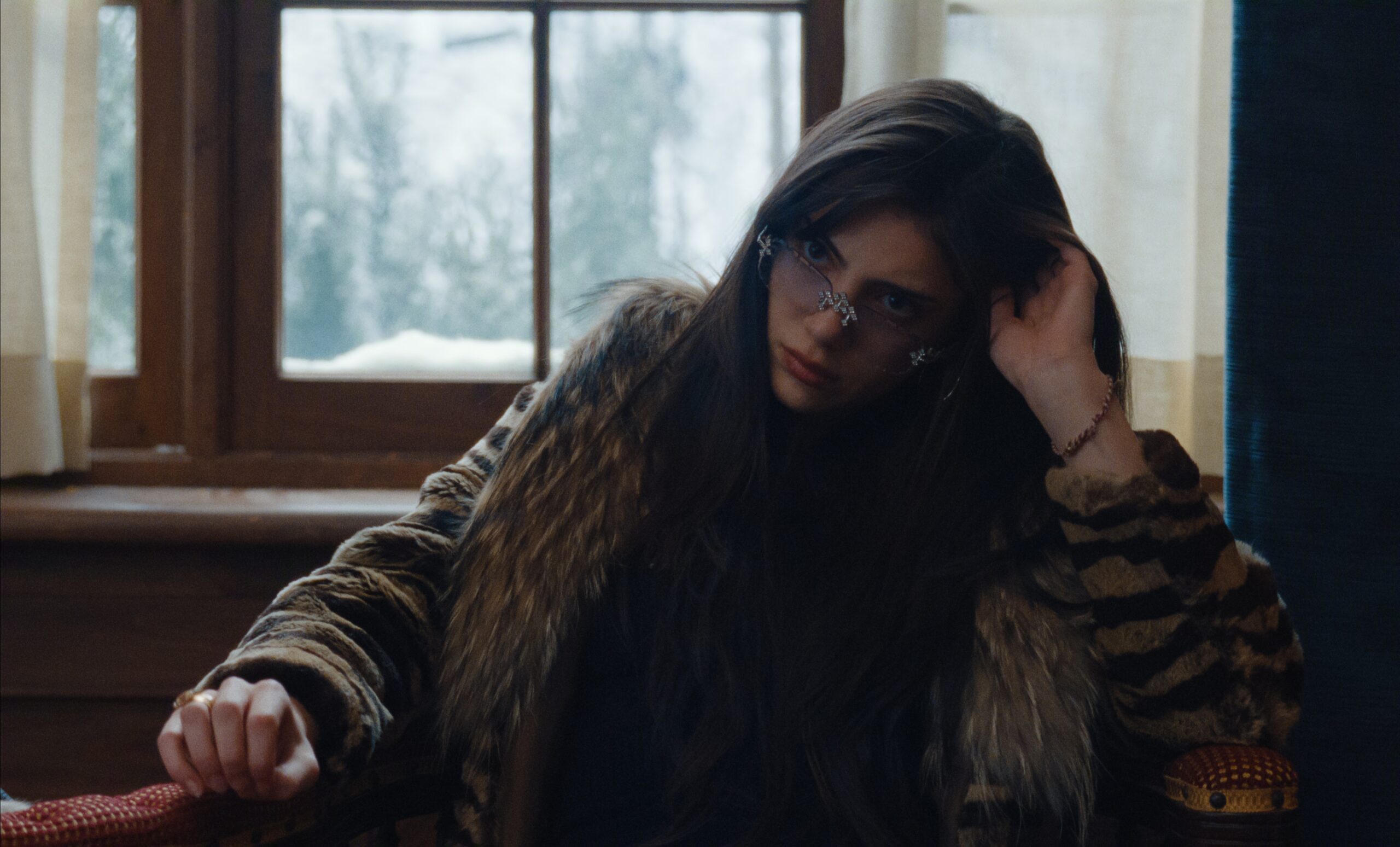
Elsewhere, Sofia Wylie delivers a beautifully understated and deeply affecting performance as Grace, who, despite her relatively limited screentime, emerges as the closest thing the show has to a moral compass. Sweet, earnest and genuinely excited about the prospect of joining the dance squad, Grace is an incredibly endearing character, and Wylie brings such an abundance of warmth and sincerity to the role that it’s impossible not to feel for her when things take such a devastating turn. In many ways, Grace represents the innocence that the other girls have either lost or are desperately trying to preserve, and her presence looms large over the entire series even when she isn’t physically on screen. It’s a testament to Wylie’s performance that she manages to make such a lasting impression in relatively little time.
Geena Meszaros is equally impressive as Lisbeth, a socially awkward young woman whose desperation to be accepted by the popular girls gradually draws her into a world that stands in direct opposition to the values she’s been raised to believe in. Unlike Anya and Elise, who have already established themselves within the school’s social hierarchy, Lisbeth is firmly on the outside looking in, desperately searching for a way to escape the suffocating environment of her deeply religious household. Meszaros is impeccable in the role, initially portraying Lisbeth as a painfully awkward young woman who seems completely out of her depth among the girls she so desperately wants to befriend, only to gradually reveal that there’s far more to her than first meets the eye. It’s a wonderfully layered, increasingly unpredictable performance, with Meszaros expertly navigating the character’s many contradictions and keeping us constantly questioning just how much of Lisbeth’s apparent innocence is genuine. Her younger brother Leo (Jackson Kelly), however, is far more devoted to their parents’ beliefs, approaching his faith with a sincerity that occasionally borders on fanaticism.
Kelly delivers a particularly interesting performance as Leo, an isolated and socially awkward boy whose infatuation with Grace gradually takes an uncomfortable turn when she discovers that he’s been drawing explicit pictures of her. It’s an unsettling development that could have easily rendered Leo an unsympathetic character, but Kelly manages to bring a surprising amount of depth and vulnerability to the role, capturing the confusion and loneliness of a young man whose understanding of sexuality and relationships has been almost entirely shaped by the restrictive religious environment in which he was raised. As the hysteria surrounding Grace’s condition intensifies, Leo increasingly finds himself at the center of events he has very little control over, becoming something of a scapegoat in the process.
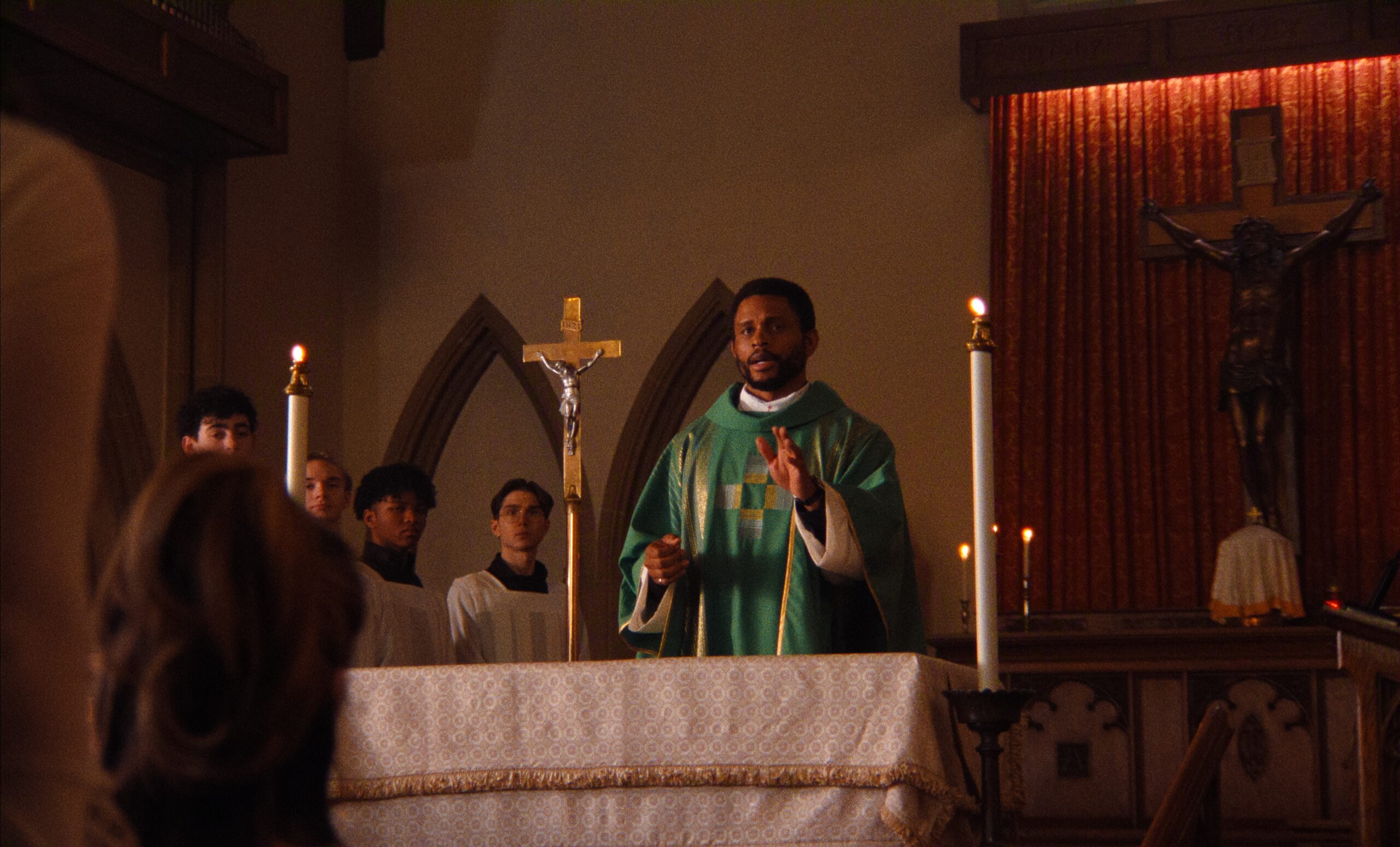
The supporting cast is equally strong, with Norman bringing an abundance of charm and likability to Steven, whose genuine affection for Anya makes their increasingly strained relationship all the more heartbreaking. Marcel Ruiz is wonderfully charismatic as Tyler Santos, the school’s resident class clown, providing some much-needed comic relief, while Shirley Chen is terrific as Maddie Delaney, Grace’s close friend who initially encouraged her to audition for the dance squad and subsequently struggles with feelings of guilt over what happened to her. Nnamdi Asomugha also delivers a particularly warm and empathetic performance as Father Samuel Franklin, Grace’s uncle and the school’s parish priest, bringing a much-needed sense of adult compassion to a story largely populated by young people who have been left to navigate increasingly frightening circumstances on their own.
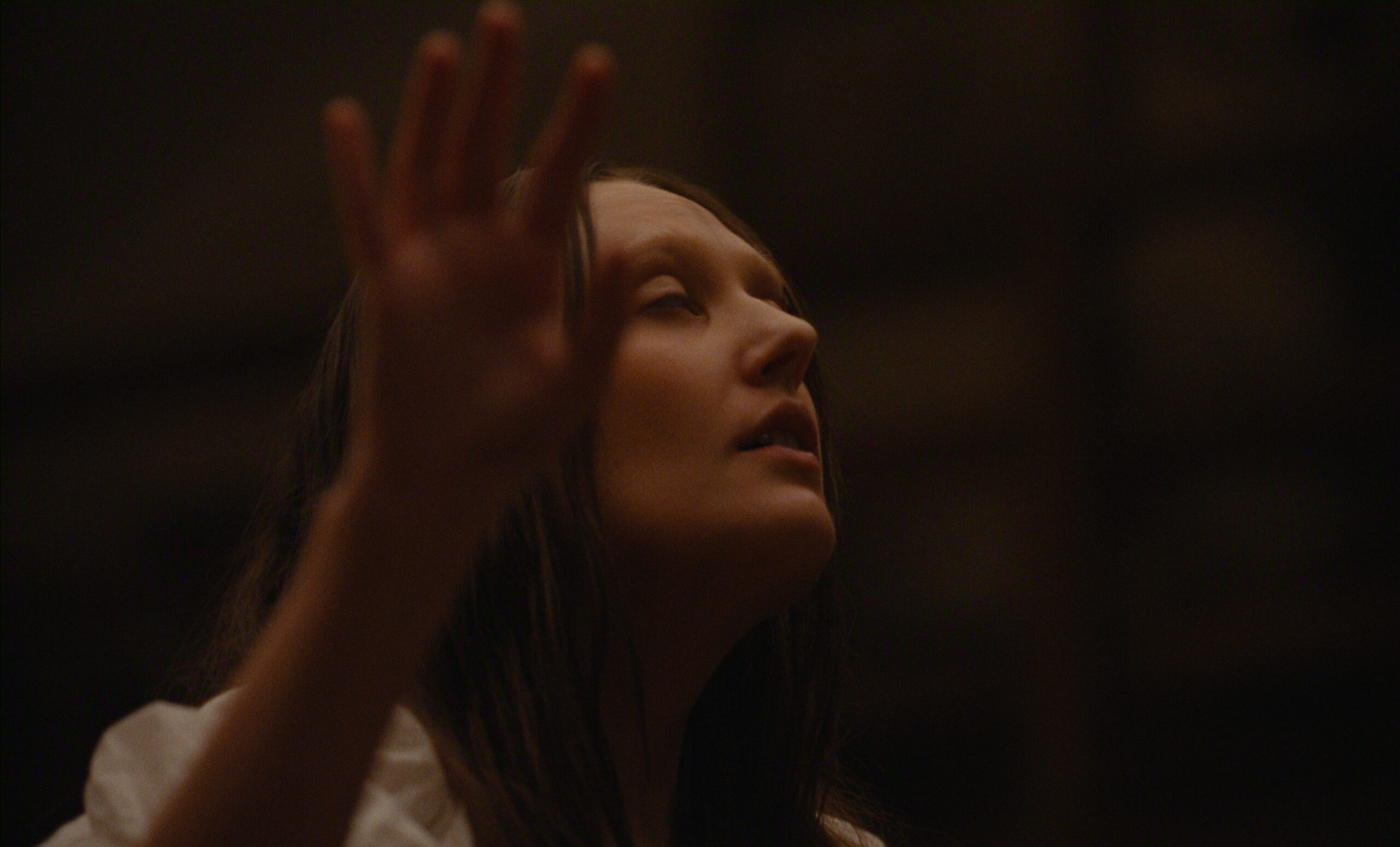
One of the most impressive aspects of The Body is how intelligently it incorporates religion into its narrative, refusing to treat the Catholic school setting as little more than an aesthetic choice or a convenient excuse to introduce supernatural elements. Religion permeates practically every aspect of these characters’ lives, shaping their relationships, their understanding of themselves and their perceptions of the world around them. It’s particularly evident in the way Anya and Elise struggle with their sexuality, having been raised in an environment where even acknowledging their attraction to one another feels like a transgression, let alone acting upon it.
But Shephard is careful not to vilify religion itself, instead examining the devastating consequences that religious extremism, repression and the weaponization of faith can have on young people who are still trying to understand their place in the world. The distinction is an important one, particularly as the series begins exploring how easily fear and guilt can be manipulated into something far more dangerous. As the community becomes increasingly convinced that Grace’s condition is the result of some kind of divine or demonic intervention, the line between genuine religious conviction and collective hysteria becomes increasingly blurred, with characters interpreting even the most ordinary experiences through a lens of sin, punishment and spiritual warfare.
There’s an overwhelming sense of tragedy to it all, made even more affecting by the fact that so much of the suffering experienced by these characters could have been avoided had they been raised in an environment that encouraged understanding rather than shame. Shephard never loses sight of that underlying sadness, even when the show ventures into its most outrageous and darkly comedic territory, making for a viewing experience that is as emotionally exhausting as it is enormously entertaining.
The early-2000s setting also proves to be a particularly inspired choice, one that Shephard incorporates with a level of subtlety rarely seen in contemporary period pieces set during that era. Rather than constantly reminding viewers of when the show takes place through an endless parade of nostalgic references, The Body allows the period to reveal itself naturally through the characters’ clothing, the technology they use, the music they listen to and, perhaps most importantly, the way they speak to one another. Casual homophobia is so deeply ingrained in their everyday conversations that describing something as “gay” is practically interchangeable with calling it stupid or embarrassing, a small but incredibly effective detail that speaks volumes about the environment in which these girls are attempting to understand their sexuality.
It’s a setting that feels authentic rather than performative, with Shephard demonstrating an impressive understanding of the social attitudes and cultural anxieties that defined adolescence during that period. And while the show is firmly rooted in the early 2000s, many of the issues it explores feel just as relevant today, particularly the relationship between conservative religious values, bodily autonomy and the policing of young women’s behavior.
That sense of authenticity is hardly surprising when considering how deeply personal the material is to Shephard herself. The filmmaker, who is queer and has spoken openly about her experiences growing up in a conservative environment, initially began developing The Body in her early twenties, around the same time she was coming to terms with her own sexuality. Having since revisited the material with co-showrunner Gina Gammell, Shephard discovered a sense of humor within what had originally been conceived as a much more serious drama, allowing her to approach the experiences that inspired the series with a greater degree of perspective.
The result is a show that feels incredibly personal without becoming overly introspective, drawing from Shephard’s own experiences to explore much broader questions about identity, desire, faith and the often-painful process of growing up. There are shades of everything from Carrie and Jennifer’s Body to Heathers and The Crucible throughout the series, but Shephard never allows those influences to overwhelm her own distinctive voice, instead using them as a springboard to create something that feels entirely her own. It’s a wonderfully assured piece of storytelling, one that manages to be outrageous, provocative and frequently hilarious without ever sacrificing its emotional sincerity.
And perhaps that’s what makes The Body such a remarkable achievement. For all its supernatural intrigue, religious hysteria and increasingly bizarre developments, the show is ultimately a deeply compassionate exploration of young people who have been taught to fear the very things that make them human. Shephard approaches their experiences with an abundance of empathy, allowing them to be selfish, cruel, confused and occasionally downright awful without ever losing sight of the vulnerability that lies beneath their behavior. Anchored by two phenomenal, star-making performances from Bogic and Boustany, and supported by one of the strongest young ensembles in recent memory, The Body is a wildly entertaining, wickedly intelligent and profoundly moving series that deserves to be seen. It’s easily one of the best new shows of the year, and further proof that Shephard is one of the most exciting voices working in television today.
Rating: 5/5
THE BODY premieres on Netflix on November 11, 2026.