By
The corridors of a large European house could feel vast and overwhelming on a young girl walking between its walls and taking up little space, and so can individuals feel small and insignificant navigating the corridors and labyrinths of time, history, and collective memory. A person’s dark thoughts, the uncomfortable feelings crawling under their skins, hiding under their eyes and attempts to smile, could feel so tiny, almost invisible, as compared to the span of time itself.
There’s a lot to be said about the fact that in 2026’s Academy Awards’ Shortlist for best international film, stand three different movies from three different countries, each telling the story of multiple generations in the same family, where past and present converge, traumas are inherited, and places become witnesses to shared experiences: Jordan’s All That’s Left Of You, Norway’s Sentimental Value, and the subject of this review, Germany’s indescribable Sound Of Falling. The most formally adventurous, arthouse-ish and abstract out of the three (you need no further proof than the fact that Mascha Schilinski was unsure of the medium to tell this story, thinking of a novel or a museum “art installation” as options first). It’s a film so narratively and emotionally challenging that you’d think The Academy Voters didn’t even watch it and based the selection on Award Hype.
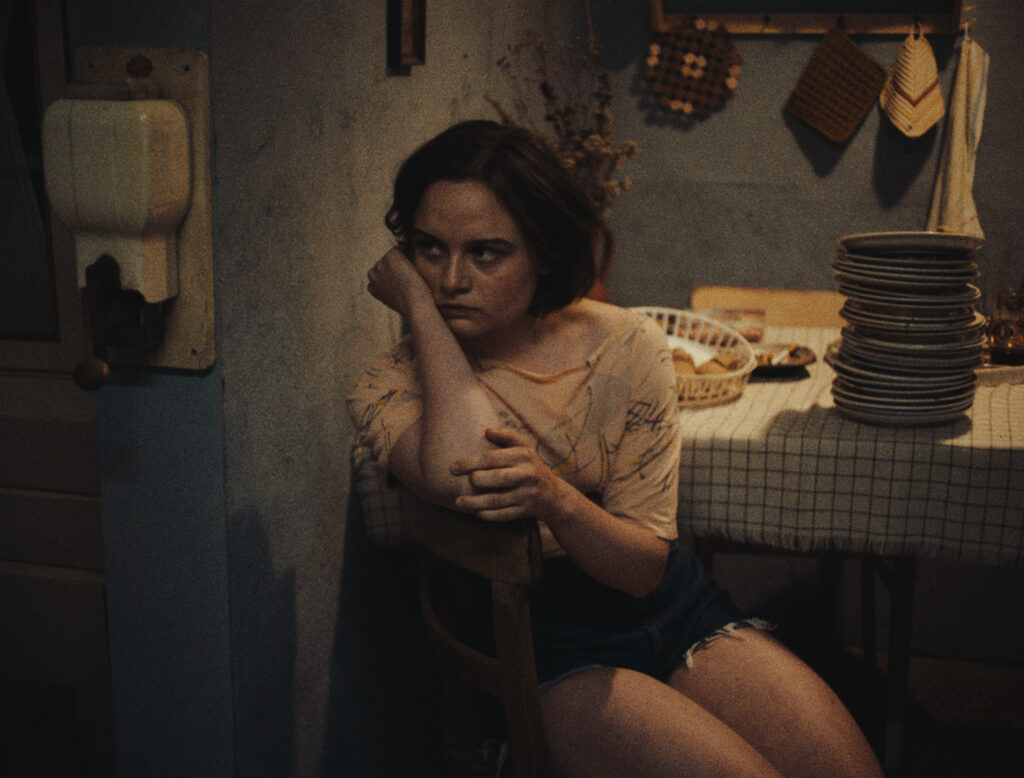
This isn’t a diss on this incredible film, but rather an unprofessional joke on the Academy’s taste (as unprofessional as calling the film “incredible” and “indescribable” that early on in the review, I promise that the rest may be worth reading). But while the film is indeed mysterious, uncomfortable and unconforming, that is it hard to recommend to impatient viewers, there’s an easy to spot catch. Between the multiple families and multiple decades the film goes through, the film’s gaze is focused on the thought, dreams, faces, emotions, and bodies of a large female cast, and the air of oppression and suppression is so thick, so overwhelming, that it’s obvious and easy to assume that this is a film about the hardships of being a woman.
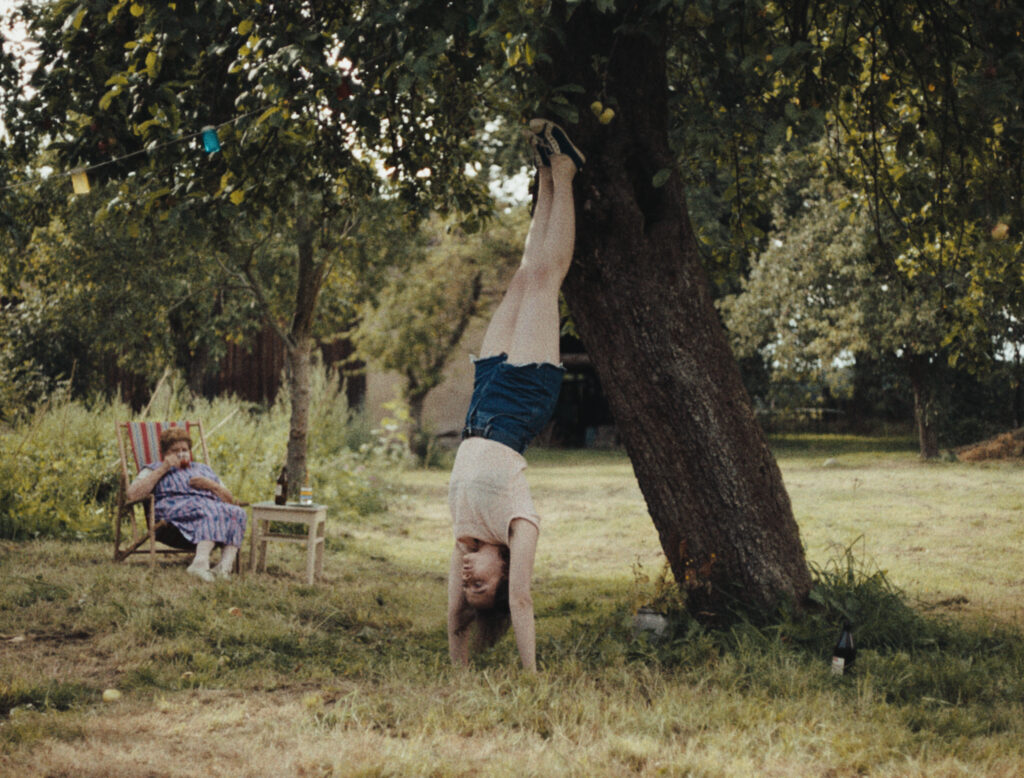
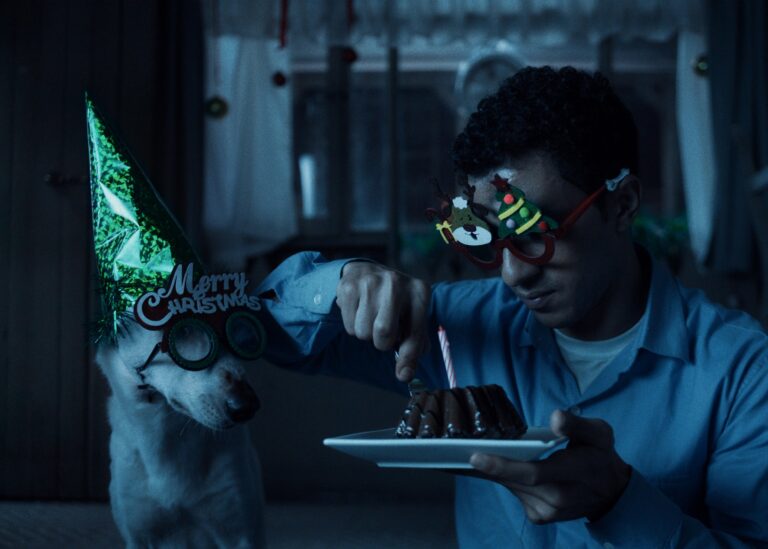
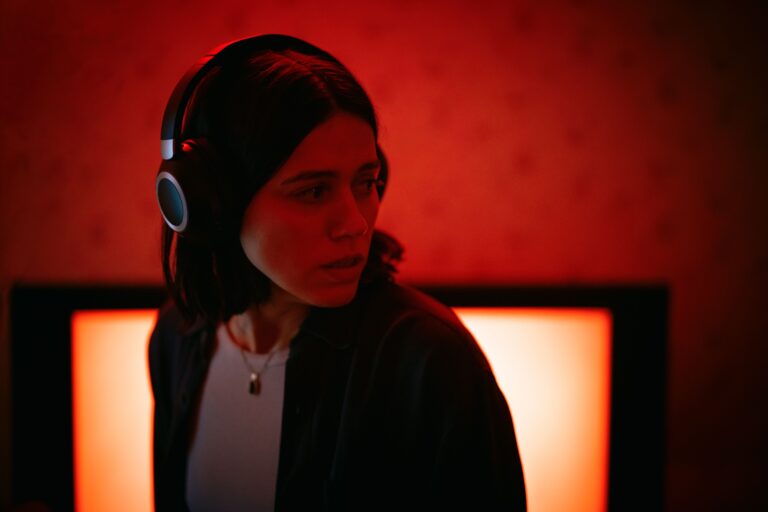
Those women are captured (paradoxically) both vividly and hazily. Fabian Gamper (director Mascha Schilinski’s husband) as a DOP captures their lives and faces, and the scenery that surround and shape them, with such delicacy and emotional intelligence, while also keeping an ominous, intangible sense of unease to even the most innocent of scenes. If you compare this film to Silent Friend, another film that tells the story of one place in different time periods with different characters, you’d find that while Silent Friend used distinct shooting styles for every timeline, Sound of Falling intentionally doesn’t. This, alongside editors Billie Mind and Evelyn Rack fragmented editing, make sure the timelines mix together (which makes for a confusing and frustrating first hour until you adjust yourself to the film), to become just one unified experience.
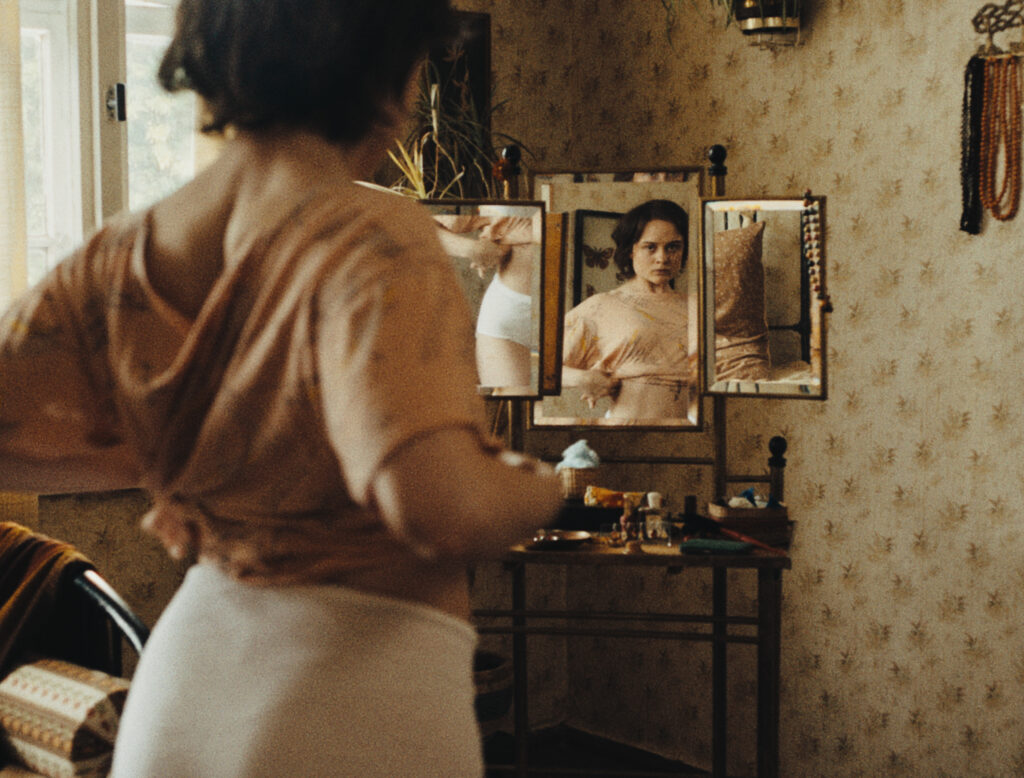
This is because this non-linear structure makes emotional and musical sense. The lives of multiple women, visible and invisible, dead and alive, are intertwined into one sonata that builds tension and eeriness, as if constantly on the edge of bursting into an operatic, loud chorus but never actually going there. It lets the Gothic mood of the older sections water and bleed into the “modern” sequences of a seemingly cozy summer vacation by a lake. While Sentimental Value is about how we connect to the past, understand it, and heal from it, Sound of Falling is about how we forget it and ignore it, turning it into a wall of sound making up a maze of echoes and spectrums, a poison killing a patient who looks asymptomatic.
This non-linearity, and the circular motion around the normal narrative structures of climax and catharsis, giving different scenes of different levels of mundanity or dreaminess equal emphasis, and eroding the difference between “Main character” and “side Character”, “Main storyline” and “Side plotlines”, like rust erodes walls and doors, and rot erodes flesh. This un-structure plays into the film’s main theme of “Invisibility”. What does it mean to see? Or be looked at? To be seen? To be observed? Or photographed? Remembered? Or be unseen? Forgotten? Turning into a side character is the first step in becoming totally invisible, and invisible is a step on being non-existent.
In other words, a child’s jealousy from another child, a family prank, a real devastating death, an imagined death, a hazy photograph, a real event, the exploitation of one woman, the boredom of another, the invasion of a body, a scream, an old song, a glance, a taste or a sound, are all equally important and unimportant.
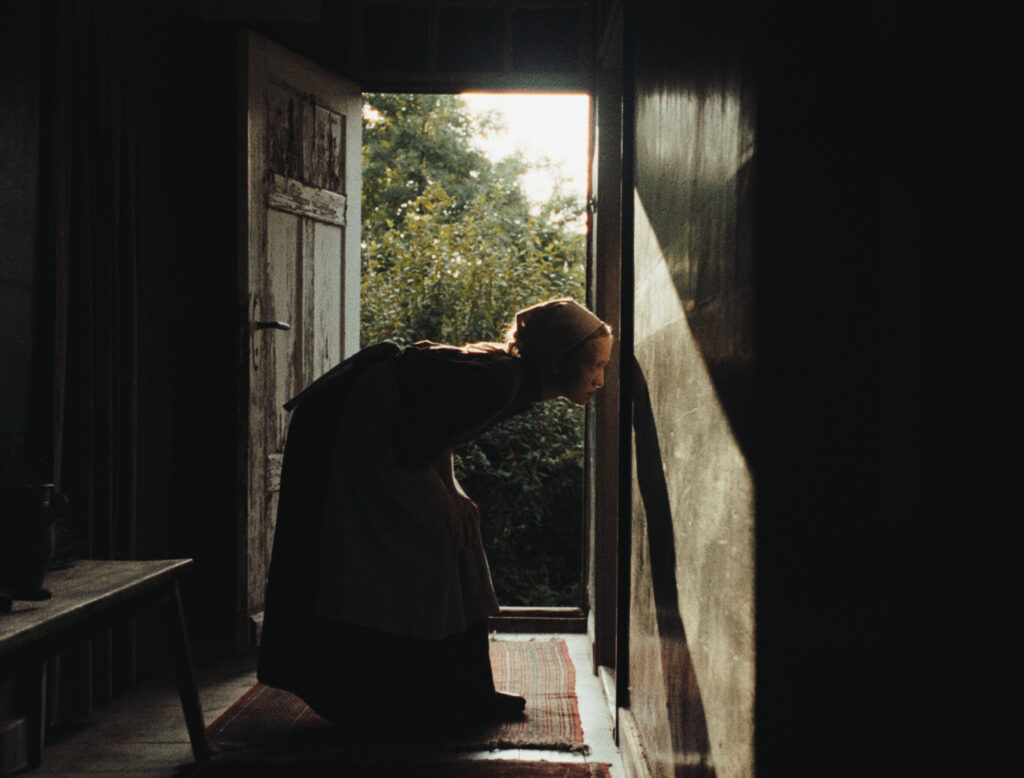
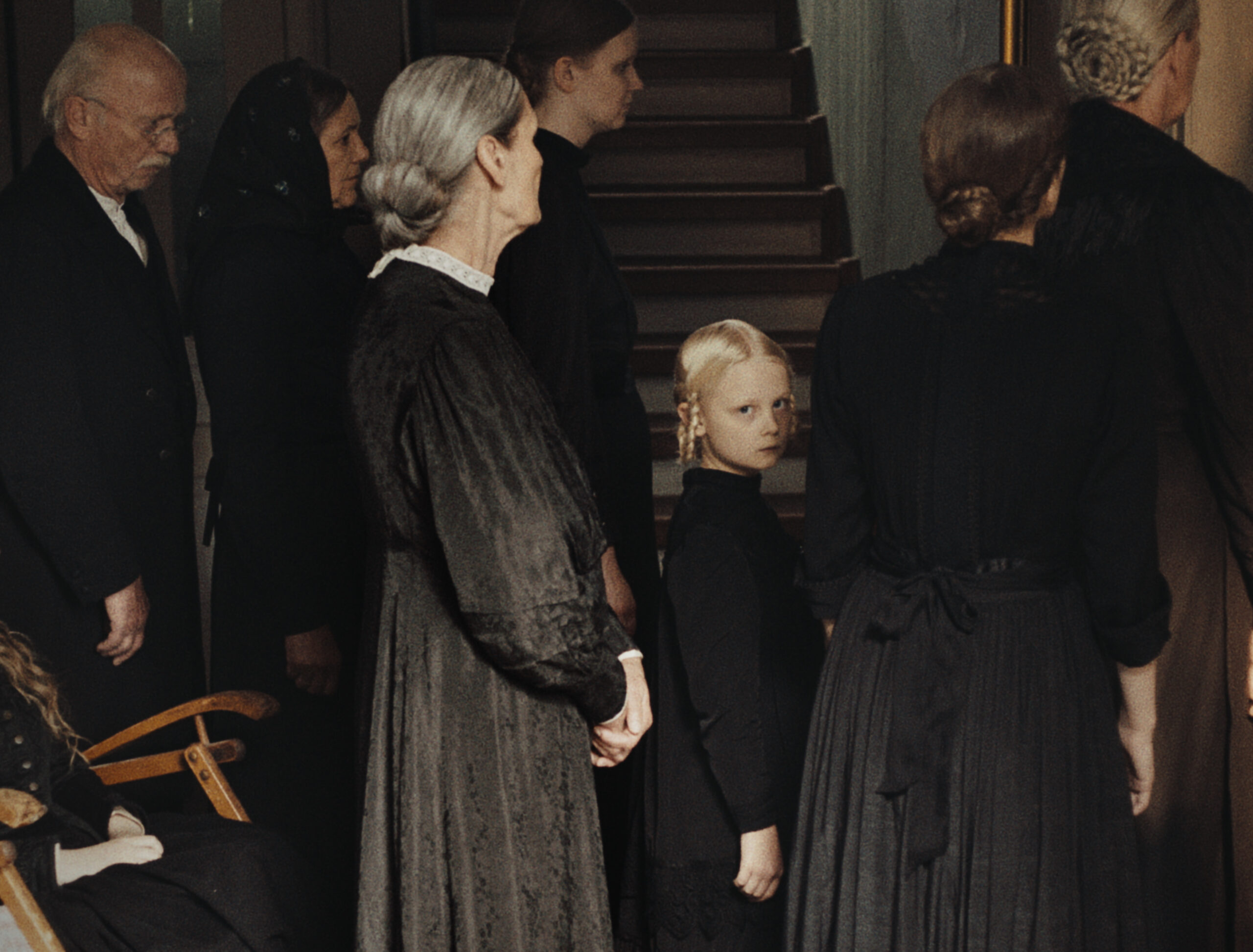
Hanna Heckt’s Alma isn’t necessarily the main character. The film’s worst events are reserved to other characters around her. The film doesn’t begin or end with her story, but she dominates the film’s striking poster and stands out between a rich cast of characters because she is a nosy kid. She looks at everything: at old photographs, at the adults around her. She peeps from keyholes, from the cracks between the woods of a door, and even looks directly to the camera. She is the one who sees in a world of blindness and dead eyes. To see, to actually see, not merely look, not gaze superficially at a body or a face, is to face, to confront, to know, to remember, to understand. To see, to acknowledge, is to fight the winds of oblivion, to save something from flying away, getting lost.
But nothing is truly lost, nothing is truly forgotten. Even a lost limb, an amputated limb, causes Phantom Pains.