
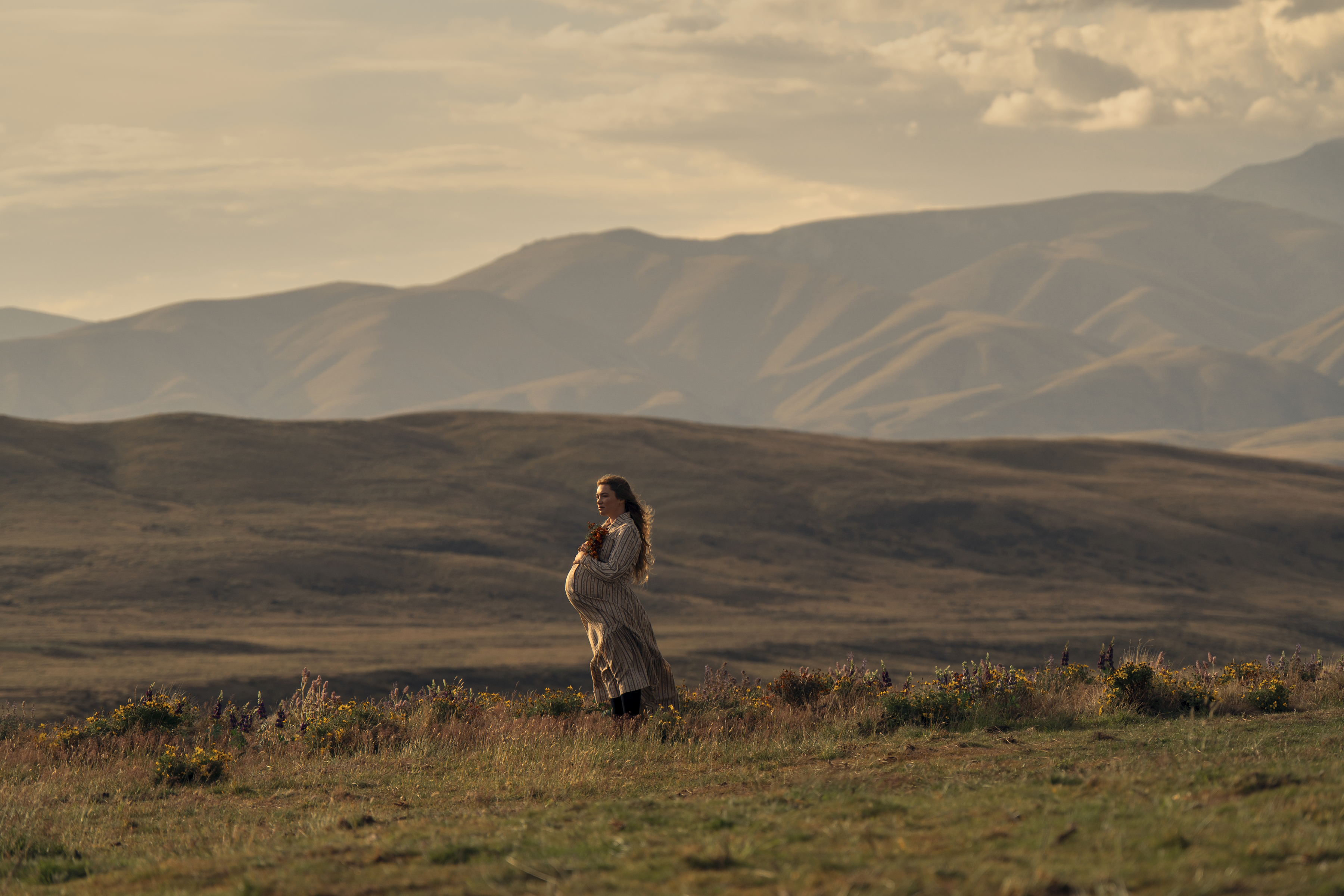
By
John Steinbeck’s 1952 novel, East of Eden, is often cited as an intergenerational masterpiece tackling a plethora of hard-hitting subjects. Rich in biblical influences, Steinbeck’s magnum opus ingeniously reimagines the religious scripture’s Book of Genesis, and most notably, the story of Cain and Abel; a metaphor for unchecked jealousy. In the midst of a classical literature renaissance – see Emerald Fennell’s controversial Wuthering Heights (2026) and Daisy Edgar-Jones recent Sense and Sensibility (2026) adaptation – it’s no surprise Netflix commissioned co-showrunners Zoe Kazan (The Big Sick) and Jeb Stuart (Die Hard) to bring a fresh post-war drama to their platform.
Circling themes of manipulation, love and self-destruction like a vulture, Netflix’s fictional drama carries more sting than audiences may be typically accustomed to. Teasing an unpredictable thrill that revels in Cathy’s sadistic tendencies, the series has been marketed under the punch tagline; “You are what you choose”. With this in mind, East of Eden’s spirit is commendable. Not just because of commitment to exploring mature themes, but due to an unwavering depiction of Cathy Ames’, played by Florence Pugh (Avengers: Doomsday), infectious villainy that continuously plagues the Trask family.

Introduced bloodied and beaten, Cathy is discovered on the doorstep of half-brothers Adam and Charles Trask, played by Christopher Abbott (Catch-22) and Mike Faist (Challengers) respectively. After tending her wounds, albeit to Charles’ reluctance, Adam falls for her, and the pair elope with the birth of their twins soon following. But Adam’s inherent goodness blinds him to Cathy’s manipulation, one that scars the army veteran for decades to come.
Zoe Kazan – whose grandfather, Elia Kazan, inspiringly directed the novel’s first adaptation in 1955 – introduces the Trask brothers, Adam and Charles, through captivating flashbacks to their (and then later Cathy’s) youth, adolescence and adulthood. Here, scathing jealousy blinds Charles in a fight with Adam for their father’s admiration with a fascinating display of emotional betrayal unfolding. One unpacking misplaced obedience, deceit and a cycle of violence seemingly genetic – all cleverly playing into Cathy’s orchestrated chaos.
Such narrative themes continually couple depravity with coercion. And Pugh’s Cathy explores a sexually-charged domination over the male population after discovering how easily deceived lustful men can be. From a young age she weaponizes her exploited nature for individualistic gain, denouncing her innocence through bohemian rebellion. It’s here that her malevolence, but Zoe Kazan’s unwillingness to romanticize female abuse, imbues a brilliantly meditative character study in the series’ earlier episodes.
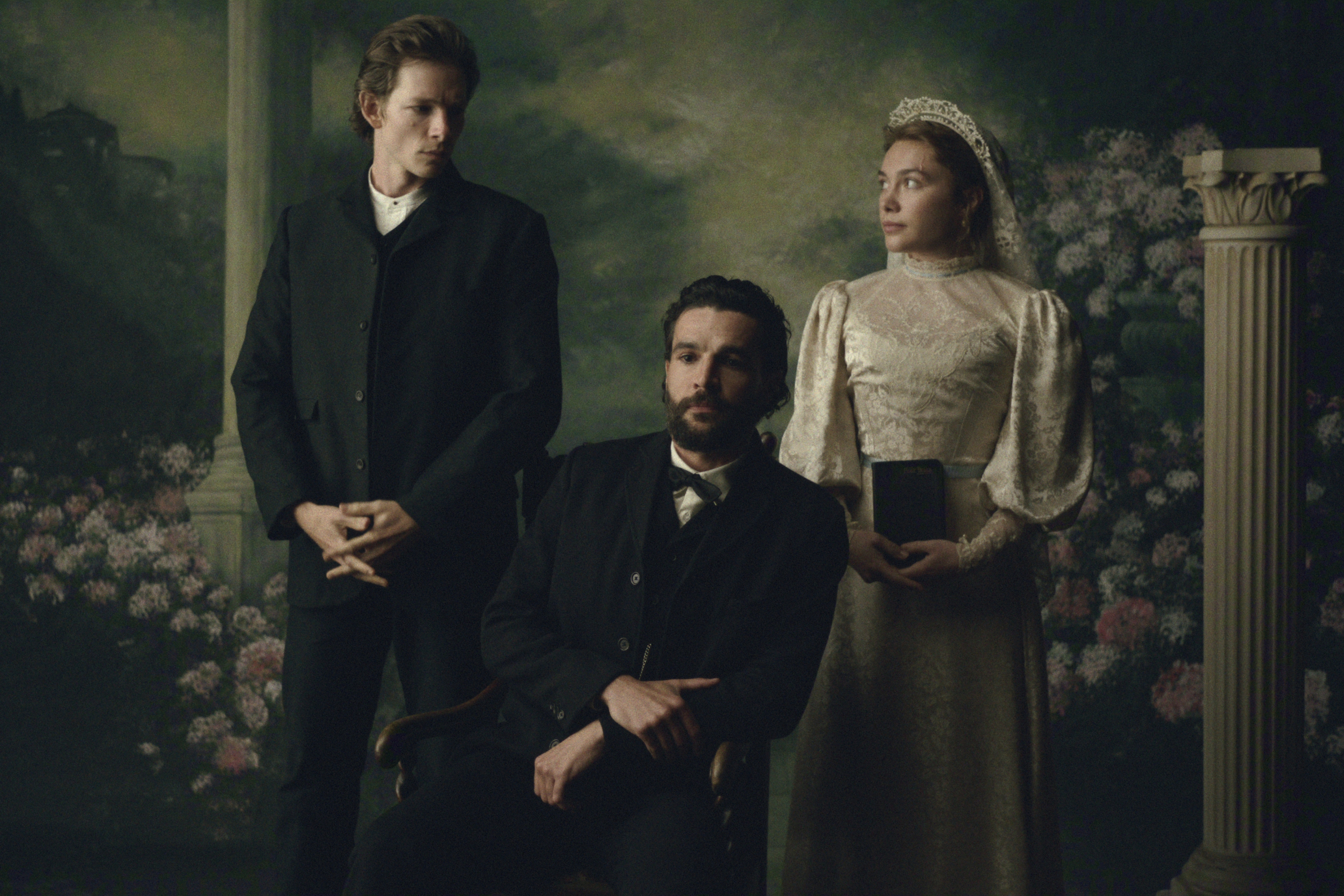
East of Eden broaches lingering subjects of manipulation with a slow-burn mentality, an occasionally inconvenient decision due to the sheer plethora of source material to adapt. Yet, thanks to Florence Pugh’s captivating personification of sociopathic abuse, the first half of the series remains riveting. Self-destructive tendencies inherent to the Trask’s bloodline are mastered by Cathy, who emotionally tortures her new husband by rejecting era-influenced motherly stereotypes. How such trauma is passed down between generations, and attempting to break this cycle through acceptance, is gripping, even if later episodes can’t quite match this nuance of this cruelty.
Florence Pugh is simply exceptional throughout. Expertly twisting Cathy’s coming-of-age torture and then restructuring this young girl’s fear into meticulously organized predatory acts. Through utilizing an unreliable narrator-styled deliverance, the truth of her circumstances are revealed to unsuspecting audiences, and the deliberateness of these actions becomes a jaw-dropping revelation setting the tone for Cathy’s heartbreaking story.
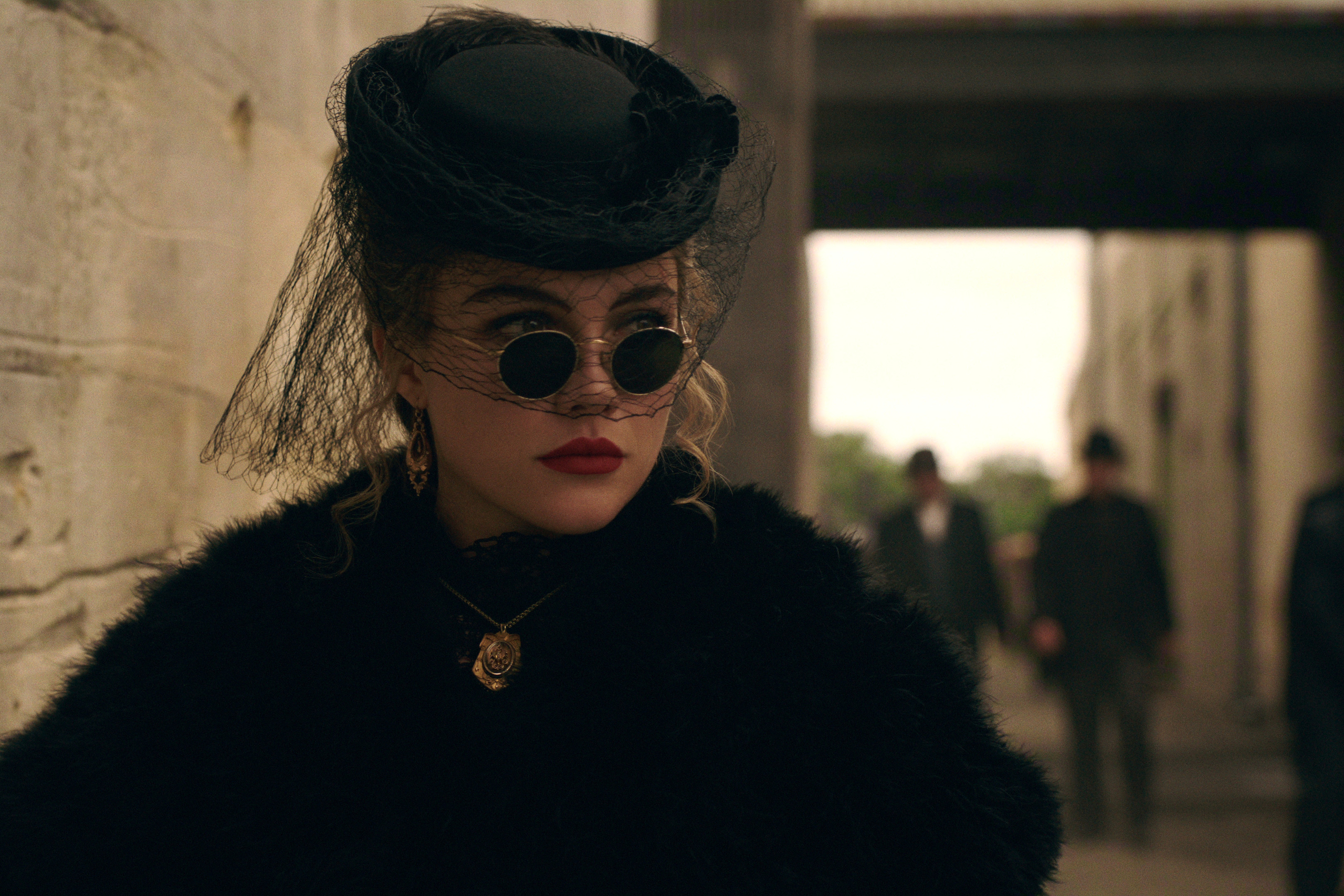
Cathy’s calculated cunningness and Adam’s emotional dissociation constantly coinciding keeps the story’s heart beating. Whilst Adam’s grief consumes him, Cathy thrives. Parallels of consequence stem from her actions, arriving at the pinnacle of East of Eden’s greatness in a silky dance of lust and unrequited love. Here, Abbott deserves equal acclaim for his contribution, solemnly portraying the depression of a soldier without a war. Eventually, with moral anchors on either shoulder in the form of Ciarán Hinds’ (Frozen) Irish-immigrant Samuel Hamilton and the Trask family servant, Lee (Hoon Lee), Abbott delivers an inspirited break from the chains of his past. Once again mirroring the guilt that begins to shackle Cathy.
Identifiable as an Act 1 of 2, East of Eden’s first few episodes demonstrate a near-perfect analysis surrounding the insatiable desire for power. Florence Pugh’s Cathy borders on, or is perhaps entirely, sadomasochistic, and Netflix’s adaptation perfectly encapsulates this element of Steinbeck’s novel. As striking as her villainy is, her thematic presence stagnates in transition to the series’ second half. Newfound guilt and regret emerges lacking a more elegant introspection, as does the culmination of her final encounter with Adam.
In fact, her narrative largely halts following a powerful rise in her employing brothel, absolving her of purpose. Audiences are told, rarely shown, about desire to leech satisfaction from the maniacal deconstruction of men and stereotypes around power, but this occurs largely off-screen. Her darker narrative wears thinner and thinner, never truly exploring her anti-hero full potential. Such issues hold East of Eden back from superiority. Despite the tagline “you are what you choose”, the miniseries only briefly touches upon the why behind these choices. Such shortcomings hardly distract from an otherwise entertaining spectacle, but you can’t help but question East of Eden’s consistent teasing of, and then resistance to, unearthing of richer elements.
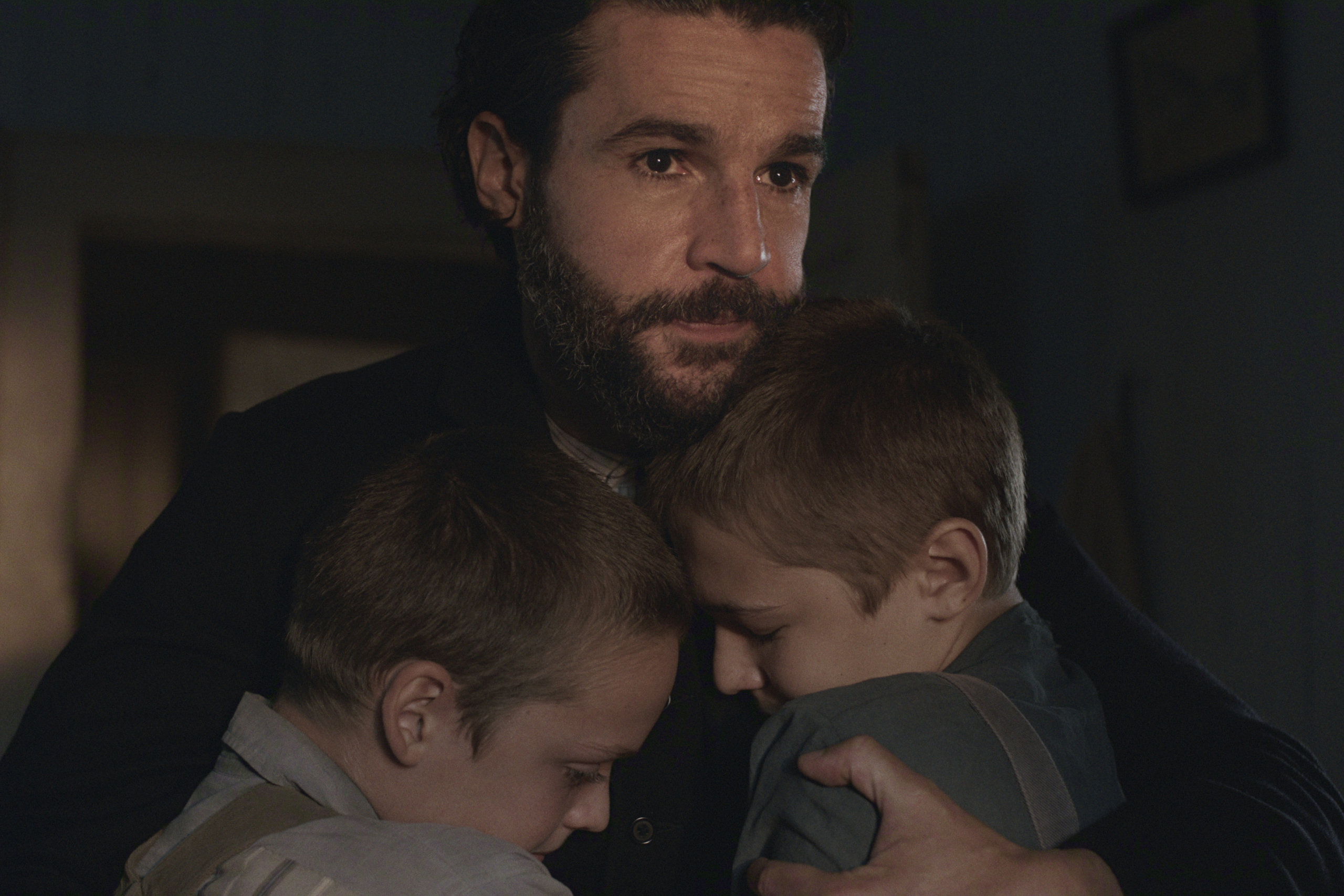
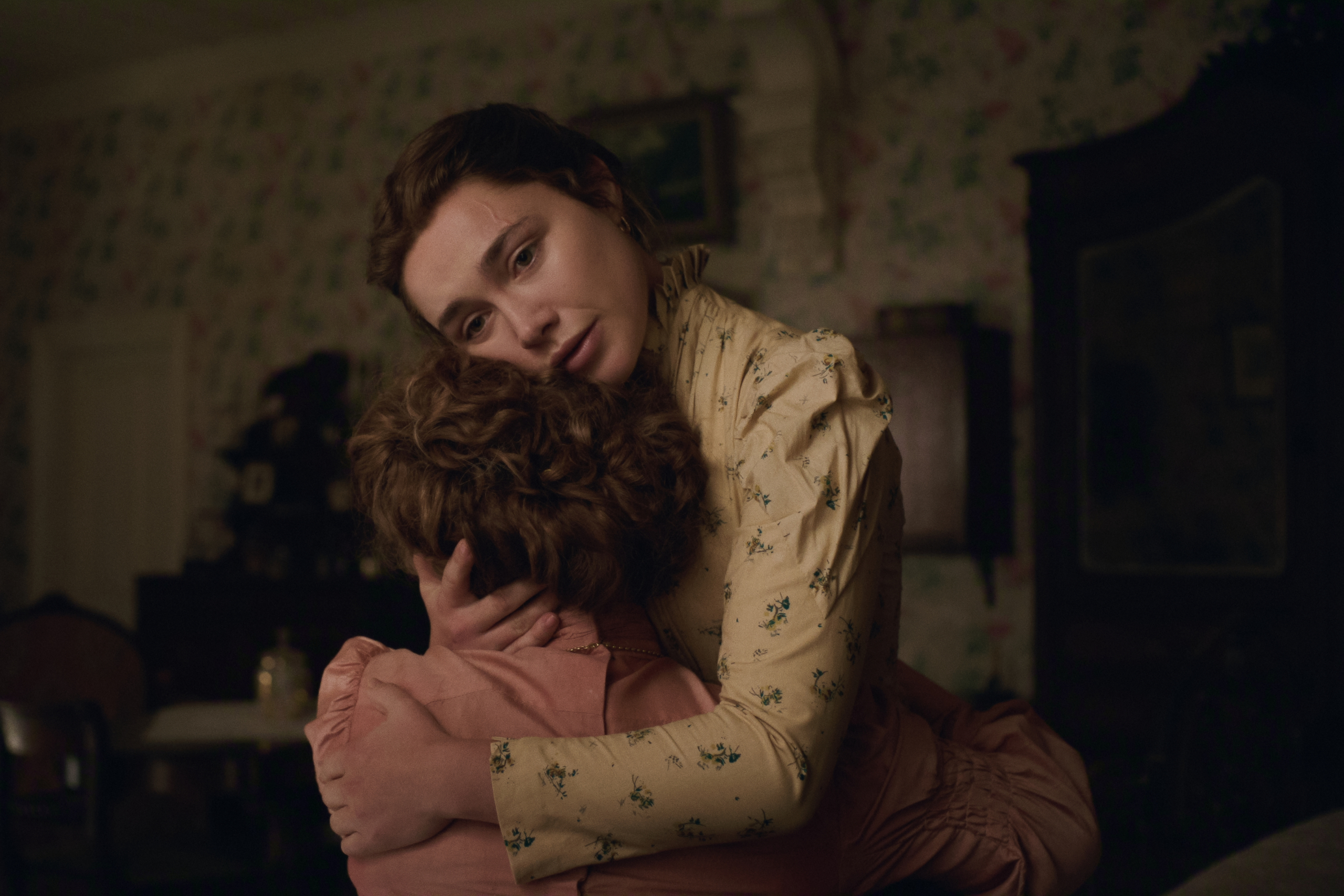
What’s more, a mid-season transition to Cathy and Adam’s now-teenage children, Caleb and Aron, respectively played by Joseph Zada (Sunrise on the Reaping) and Joe Anders (1917), stutters momentum – although through no fault of their own. Retreading past thematic waters, this continuation fails to infuse fresh perspective until the finale’s concluding moments. The deliberateness of repeated themes here isn’t lost, nonetheless, it dulls the previous episodic-bouncing excitement. Whilst East of Eden is far from unwatchable, the latter half’s key events occur under-described in comparison to Steinbeck’s novel. Character decisions are overly-subtle, and their exploration presents itself as deeper than reality. And yet, this ultimately proves a misstep that still succeeds in delivering intended emotional weight through a tear-jerking climax.
In other words, East of Eden excels in pronounced simplicity. A star-studded cast indulge their on-screen personas in a captivating display of talent, their mannerisms and expertise imbedding deeper subtext where the screenplay falls disappointingly short. Netflix’s adaptation of Steinbeck’s classic mostly succeeds. No strange misinterpretations, nor total mischaracterizations, occur here, only a respectful admiration for a literature hall of famer. Frequentists of Netflix’s period-drama tab may initially take a beat to adjust to East of Eden‘s unacquainted darker elements, but these mature motifs, and Cathy’s inspired destructive wake, will find audiences clicking ‘next episode’ instinctively.