
By
Much like movies, music can you make you feel. Not every band, not every album, and sometimes just one song, but that’s all you need. Without making a film necessarily about the creation of music, Jordan Firstman (I Love LA), with his directorial debut within Club Kid (2026), hones in on this sentiment. Invoking a powerful narrative that grapples with self-discovery, growth and authenticity that has garnered critical acclaim for balancing a refreshing vision with raucous, and raunchy, humour.
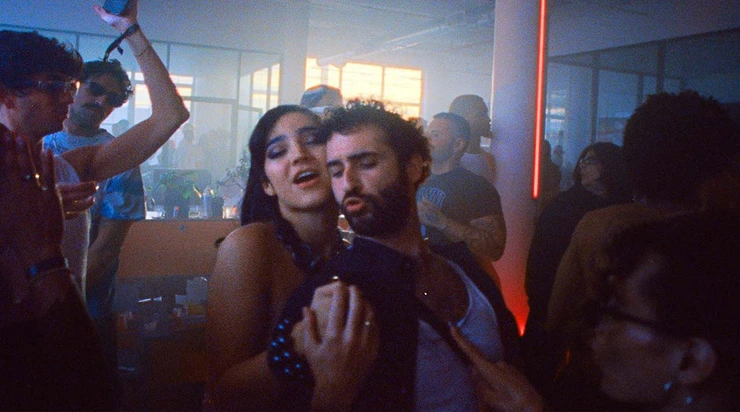
Nominated for Cannes Film Festival’s Un Certain Regard (best film), Club Kid follows a hard-partying New York club promoter, Peter (Jordan Firstman), on a journey of substance abuse and identity loss. Unsure of who or want he wants to be, he finds himself caught in a self-destructive cycle of addiction with his life spiralling out of control. And this brazen lifestyle is upended when introduced to the existence of his 10 year old son, Arlo (Reggie Absolom). Forcing him to traverse a journey of self-improvement and face a terrifying reflection of his nature for the betterness of his newfound child.
“Do you ever feel like you’ve just lost ten years?” Peter, played by the writer-director Firstman, asks his neighbour. And despite being an out and proud homosexual who claims to “never have even touched a vagina”, he soon himself a father. This transition into his new lifestyle of fatherhood, whilst suffering a come down from a cocktail of drugs, arrives akin to plot twist. Having travelled to New York from London, Edison (Kirby Howell-Baptiste), best friend of Arlo’s mother, reveals her death by suicide. Reluctantly, he agrees to temporarily watch Arlo, until Edison hops on a plane back to London and leaves the ten year old in this struggling drug addict’s care.
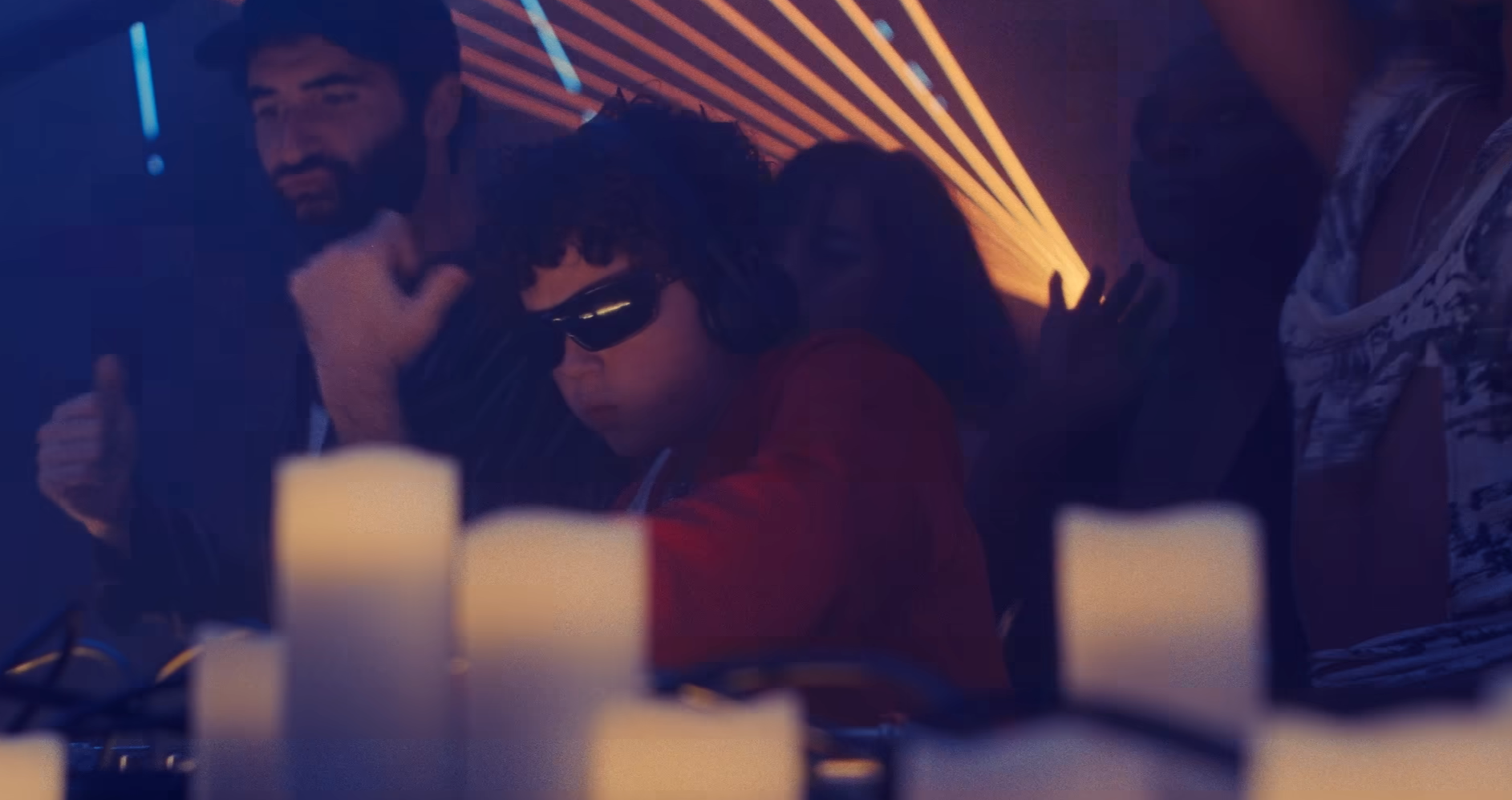
Hardly able to look after himself, Peter panics. Unsure how to even talk to a ten year old, let alone care for one. But through conversation over pizza, and a hilarious discovery of Arlo’s intolerance to dairy, the duo quickly bond over their shared love for music – specifically, house music. The early days of their relationship are heartwarmingly awkward, but open up the possibility of a new life, a better life. One of freedom, parenthood and fulfillment, rather than the dark rooms of dirty club basements. It becomes quickly apparent that whilst Arlo needs supervision and love, his impact on Peter’s life is equally rewarding. The exploration of this journey arrives unexpectedly comforting, two lost souls traversing unknown territory together, but by each other’s side with full admiration for one another.
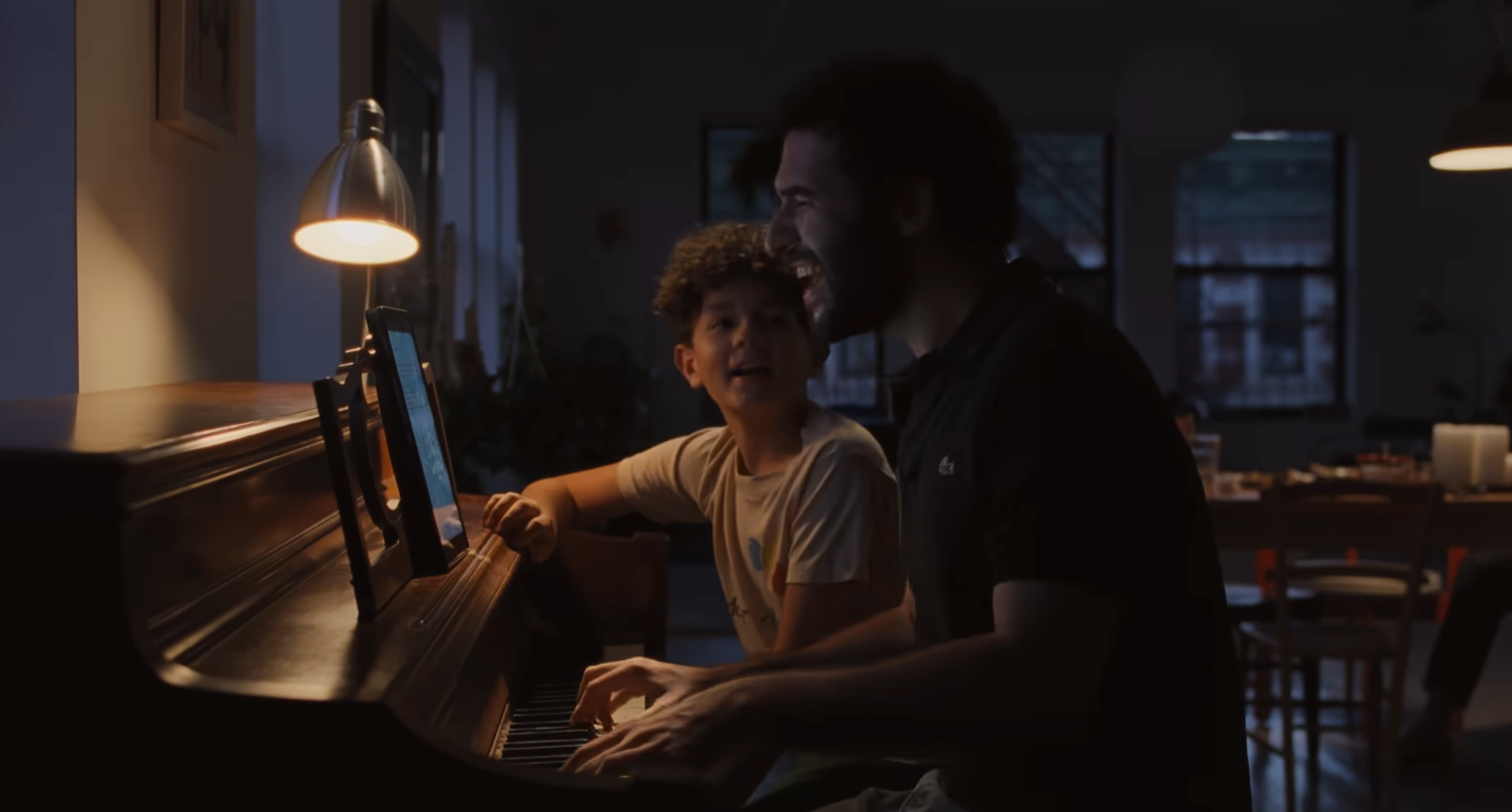
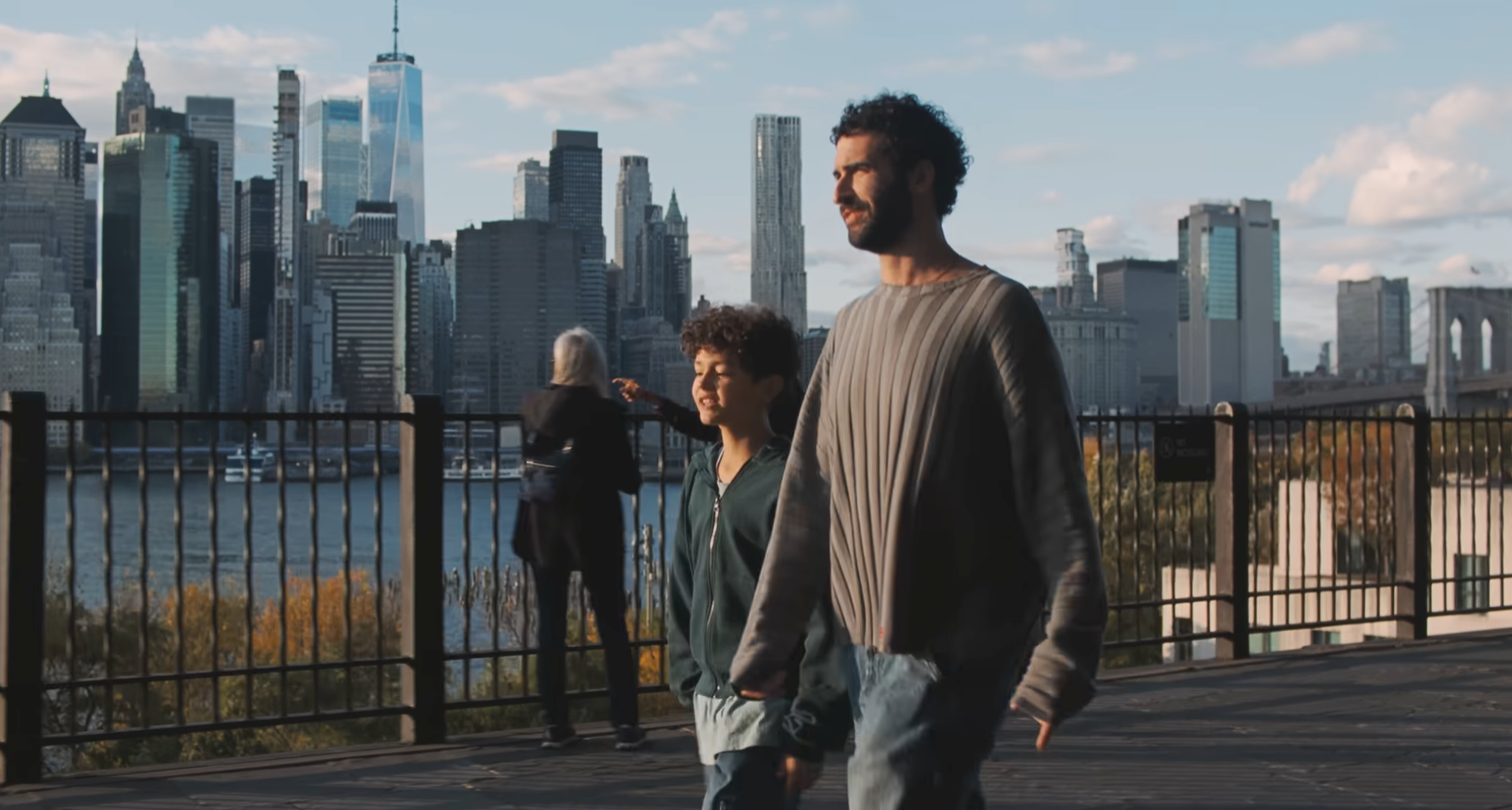
Club Kid unravels their growing relationship with a beautiful earnestness, complimented by delightful wit and blossoming DJ aspiration that break the pattern of grimness within addiction, as well as the harsh drug-fuelled underbelly of New York’s clubbing scene. In the starring role, Firstman is a force of nature that captures the magnitude of his emotion-numbing reliance on drugs, a void eventually filled by Reggie Absolom’s equally brilliant turnout as Arlo. A multitude of side characters, including Diego Calva’s (Babylon) romanticized social worker, Oscar, infuse a sparkly life into Club Kid that lives and breathes New York, celebrating the city and vast culture with a dazzling life through Adam Newport-Berra’s (Euphoria) colorful cinematography shot on 35mm film.
As money becomes an increasingly touchy subject, with Peter having lost his club promoter role alongside Cara Delevingne’s (Suicide Squad) Sophie, he succumbs to his instinctive urges within drugs. Where an enticing battle with willpower and self-control emerges, whilst also trying to better oneself. However, where he once dealt for money and supposed claims of safe distribution, he does so now out of necessity, as a growing love for Arlo places him as priority above anything else. His presence a form of divine intervention, a captivating catalyst for his growth and detachment from his old lifestyle, finally allowing Peter to become the man he always dreamed of being. Firstman directs this journey with an amazing magnetism, one rife with heartstring-tugging emotion, and Club Kid emerges utterly fantastic because of it.
A ketamine-sniffing indulgence paired with raucous sexual acts in musty nightclub bathrooms may be harsh introduction to Club Kid’s protagonist, but the whiplash of ‘the night before’ versus ‘the morning after’ is a necessary beginning to demonstrate Peter’s desire for change. Firstman is unapologetic in his depiction of existentialism, and this rawness of his approach is what makes Club Kid so brilliantly captivating. At its core, its a human-story around the unexpectedness of life, how change, whilst scary, can be joyous. How the butterfly effect of one action can spawn countless other life-affirming experiences. It is a storytelling feat powered by creative inspiration and a love for both film and music, with Firstman’s direction being a sublime, tearjerking journey that leaves no emotional stone unturned.
Club Kid is exceptionalism on film, a perfect portrayal of what it means to be human and experience the ups and downs of life. The final act cements this, as this father-son relationship is injected via visa complications and immigration concerns, as well as Peter’s suitability as a parent. This depiction of life’s complexities is so cleverly refreshing, embracing the chaotic nature of New York, chopping in young DJ aspirations and queer-coded humour where possible. Club Kid is a love letter to a specific community, yet a storytelling marvel all audiences can resonate with.
CLUB KIDIS IN CINEMAS ACROSS UK & IRELAND FROM JANUARY 8TH