
By
Mike Flanagan’s touch upon modern horror is indescribable. Hailed as a luminary, his involvement in hits such as The Haunting of Hill House (2018) and Doctor Sleep (2019) could be referenced as a breathtaking turning point for the genre. Unafraid to blend relatable human stories, like alcoholism and grief, with darker elements of the supernatural, Flanagan’s craft indulges audiences in atmospheric eeriness that never feels cheap. Thus, his reuniting with Stephen King’s rich library of work through Prime’s Carrie remake is no surprise.
The original Carrie (1976) from Brian De Palma (Scarface) is an undisputable cinema classic, but one that has been plagued by aggravatingly poor reboots, remakes and unnecessary sequels. For better or worse, Flanagan’s adaptation promises to be different; it can’t be that hard, right? Bringing Carrie into a contemporary setting, one infected by the internet and social media, King’s 1974 debut horror novel receives the streaming treatment with an 8 episode format that stretches the original’s 98 minute runtime to around 399 minutes – make of that what you will. Debuting with all 8 episodes on Prime’s streaming platform on October 7th, Carrie fights an uphill battle to prove this isn’t just another failed remake.
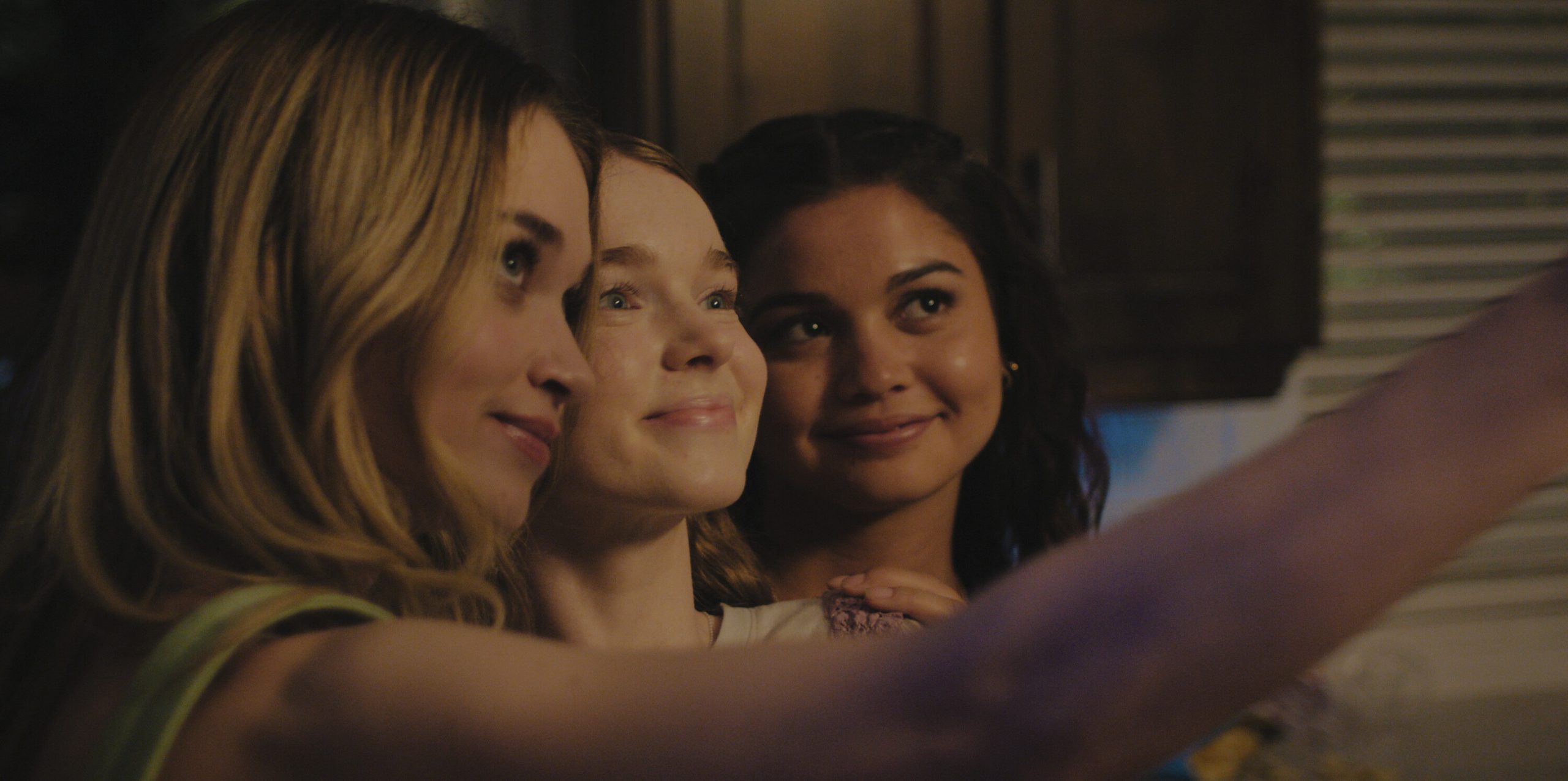
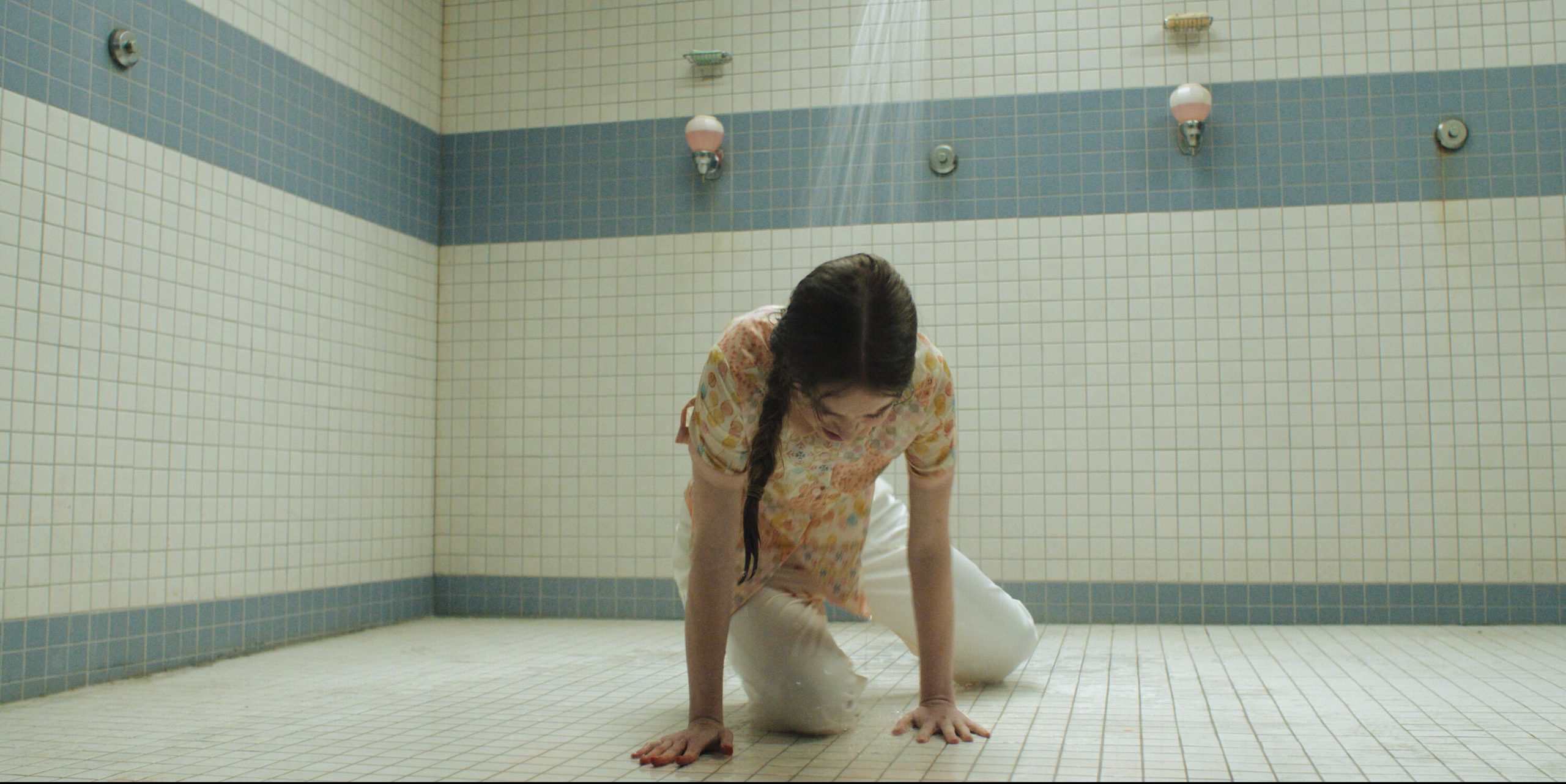
“Who is Carrie?”, you may ask. Carrie White, played by Summer H. Howell (Night of the Reaper) in this latest adaptation, is a socially inept outsider raised by her abusive and religious extremist mother, Margaret White (Samantha Sloyan). After an isolated home-schooling experience fed by her mother’s paranoia, Carrie is thrust into public high school following her father’s sudden death. Her sheltered upbringing swiftly makes her the laughing stock, and a bullying scandal fuelled by misinformation awakens a telekinetic power she can’t yet control. As her torment intensifies, a gradually increasing rage does too, threatening to unleash a monster she has no desire of becoming.
Only one question remains from here: does Mike Flanagan’s adaptation work? The answer, unfortunately, is, not really. Despite inspired performances from Samantha Sloyan (The Pitt) and Summer H. Howell, in perhaps the most convincing on-screen mother-daughter depiction to date, Prime’s Carrie loses what makes the original classic so compelling. An opening handful of episodes showcase promising intrigue but quickly lose steam. Unable to expand upon Carrie’s struggles with solitude from King’s novel in any meaningful way. What begins as a modern reinvention of a cinematic icon dismantles into typical high-school tropes and cringe-inducing social media feuds synonymous with teen-dramas such as Ginny and Georgia and 13 Reasons Why.
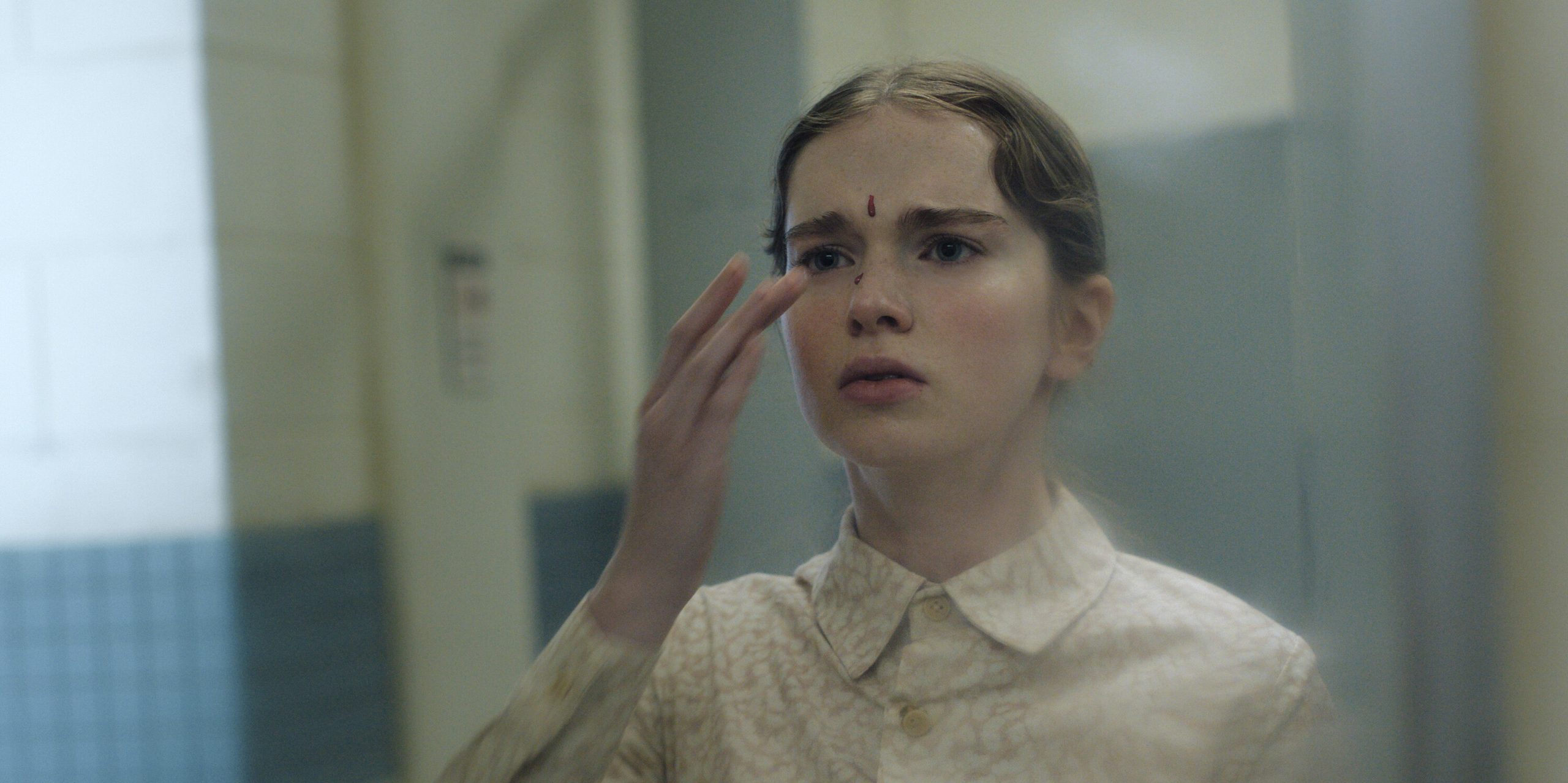
Despite the aforementioned near 400 minute runtime, Carrie has simultaneously too much narrative fluff and a wholly underexplored plot-twist. One that bears a significant deviation from Stephen King’s novel, and a likely controversial one. Characters such as Carrie’s leading-bully, Chris Hargenson, played by Alicia Thornton (Elle), possess an overindulgent screen presence that rapidly becomes frustrating. Even if Alicia Thornton excels with a tantalising edge in the role – this shortcoming doesn’t fall on her! What’s more, Carrie’s abuse and themes of religious extremism associated with King’s novel are disappointingly absent. An elephant in the room winked at, but never really addressed. Instead, her mother is, at most, painfully overbearing, and any nuance of Carrie’s heartbreaking mistreatment is totally underutilized.
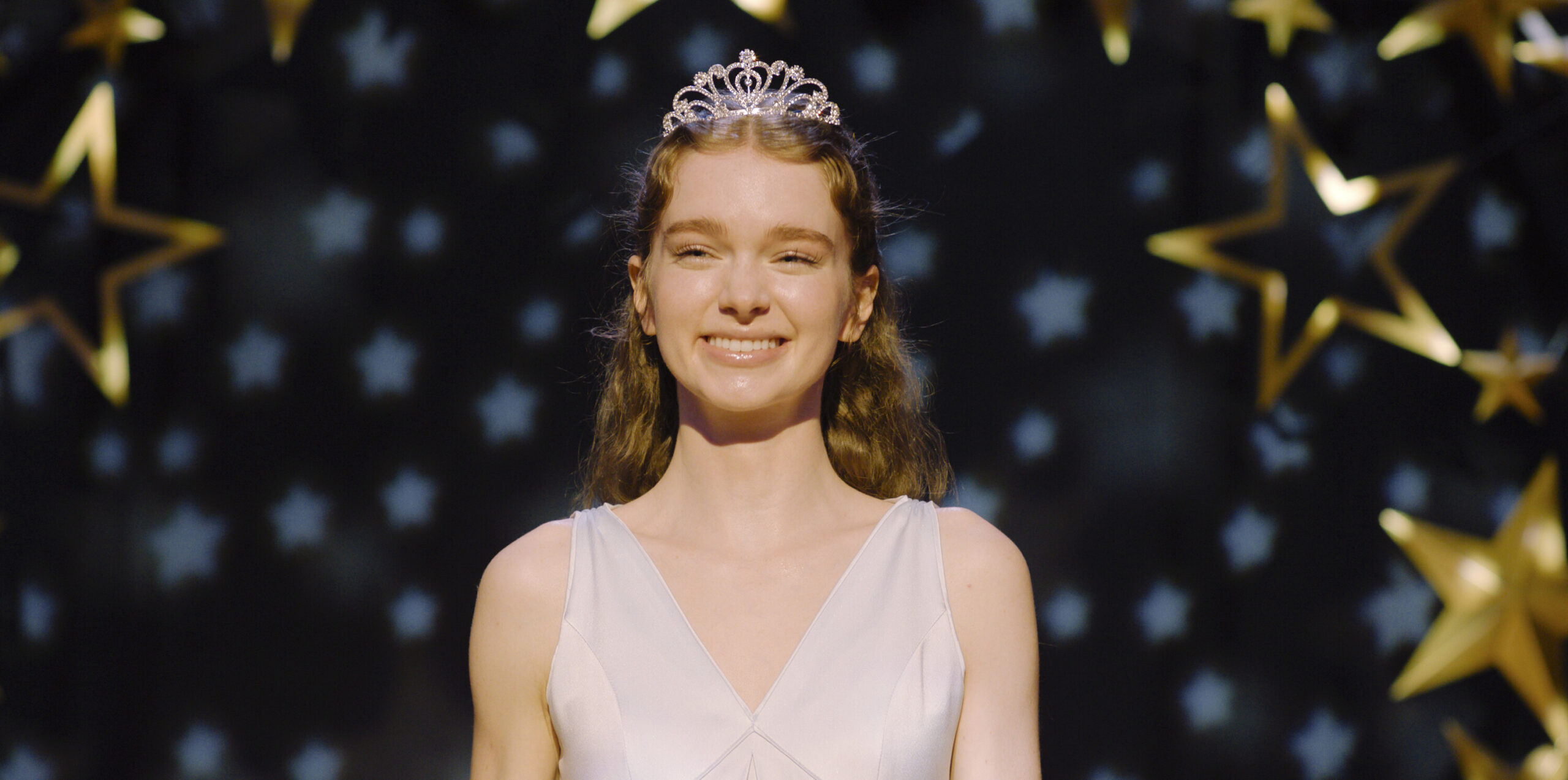
In place of these thrilling religious elements is a richer interrogation into the consequence of social media in schools. Once cemented as a primary influence on Carrie’s inability to control her telekinesis, in which a video journal at the series’ opening intriguingly suggests caused unspeakable chaos, the series derails almost entirely as a Carrie adaptation. Instead, enticing terror and mature tones are superseded by cheesy drama geared towards teenagers, causing Carrie’s deficiency in anything akin to tension. Ironically, the misuse of social media angle, in the midst of Instagram’s already severe real-world legal controversy, highlights some incredible talking points. Then fails to capitalize upon this. Afraid to scratch below the surface of a modern societal problem, Prime’s outing continuously says so much, yet also nothing at all.
Instead, the series opts to peculiarly heroize Carrie’s abusive mother. As she stands as an parental advocate against the secret hate-account ‘Carrie Red’ that terrorizes not just Carrie, but the school too. Here, a fundamental misunderstanding of nuance and themes from King’s classic proves Flanagan’s failure. Matthew Lillard’s (Scream) Principal, Henry Grayle, and Rahul Kohli’s (The Fall of the House of Usher) teacher, Seth Piest, become another focus here, and with this, Carrie loses agency in her own series. Events happen around her, rarely in direct relation. Followed by a rushed finale correcting course possessing tonal whiplash visualizing what the series could’ve been from the beginning. Flanagan’s adaptation manages to secrete some entertainment here, but ultimately unfurls a narrative that is really only Carrie in name.
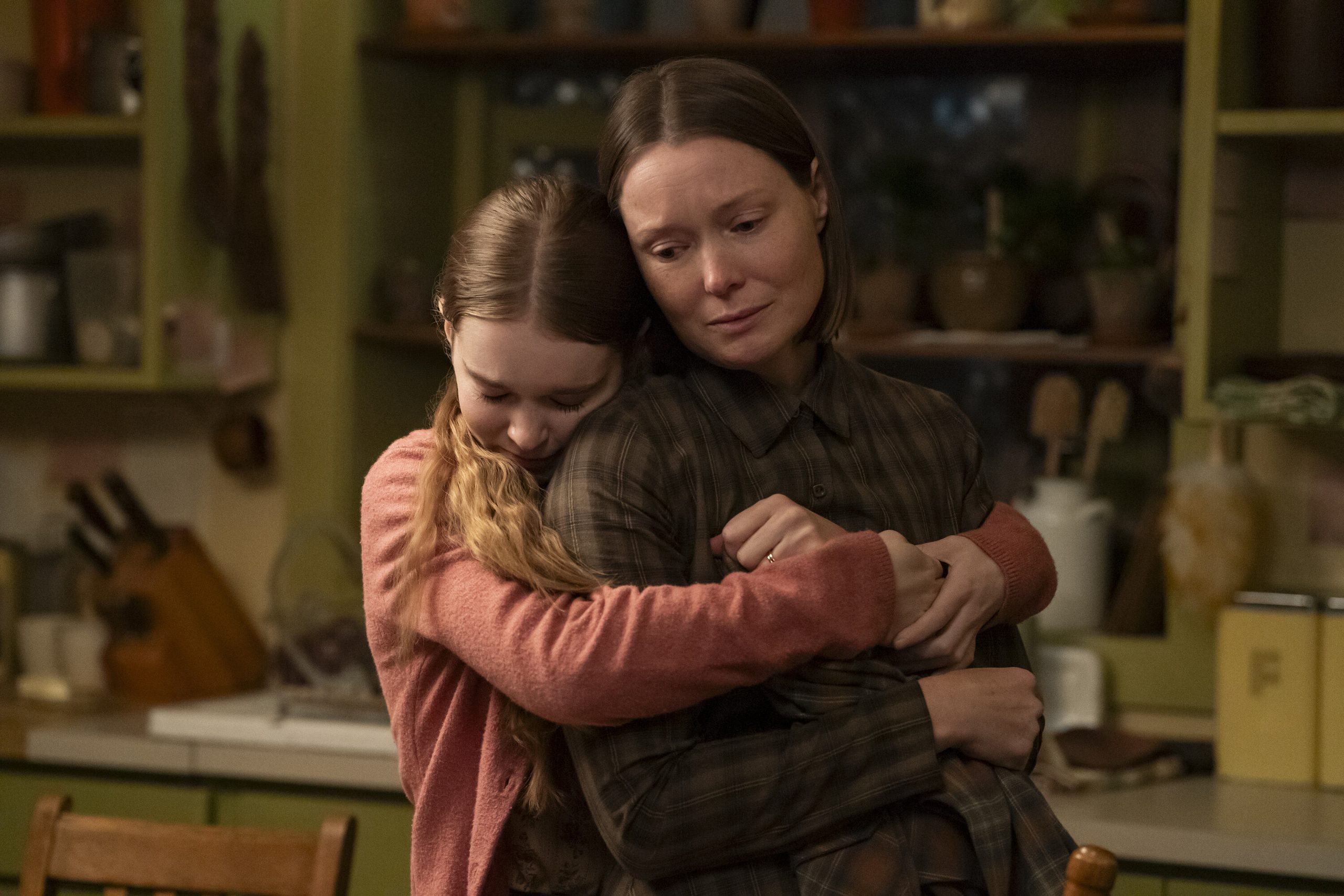
Flanagan fanatics relax, whilst Carrie has some puzzling creative deviations, and strangely untapped character additions, there are diamonds in the rough. Most notably, a mid-season twist that is unexpectedly jaw-dropping and fuels an exciting element of Carrie’s descent. Much more can’t be said without revealing spoilers, but how Summer H. Howell portrays Carrie in these sequences highlights her perfectness for Flanagan’s version of the character. Howell is sublime here, traversing a variety of emotions and developing powers in an unfathomably realistic sense that will leave audiences yearning for Carrie’s fleeting innocence.
Accompanied by subtle suggestions that Carrie may not be alone in her telekinetic struggles, these deviations from Stephen King’s novel are, at the very least, an attempt to breathe fresh life into Carrie. The latter doesn’t quite work, again feeling narratively misplaced, but isn’t this what adaptations are for? Flanagan undertakes efforts to bend perceived conceptions around Carrie for Prime’s series with fresh material. And rather than dance between creative flair and strictly following the original script, he at least charges full-throttle into making this version of Carrie his own – it just doesn’t quite land. Falling between Netflix’s I Am Not Okay With This and Stranger Things, this project perhaps began with brilliance, but appears muddled by corporation influence and franchise greed along the way.
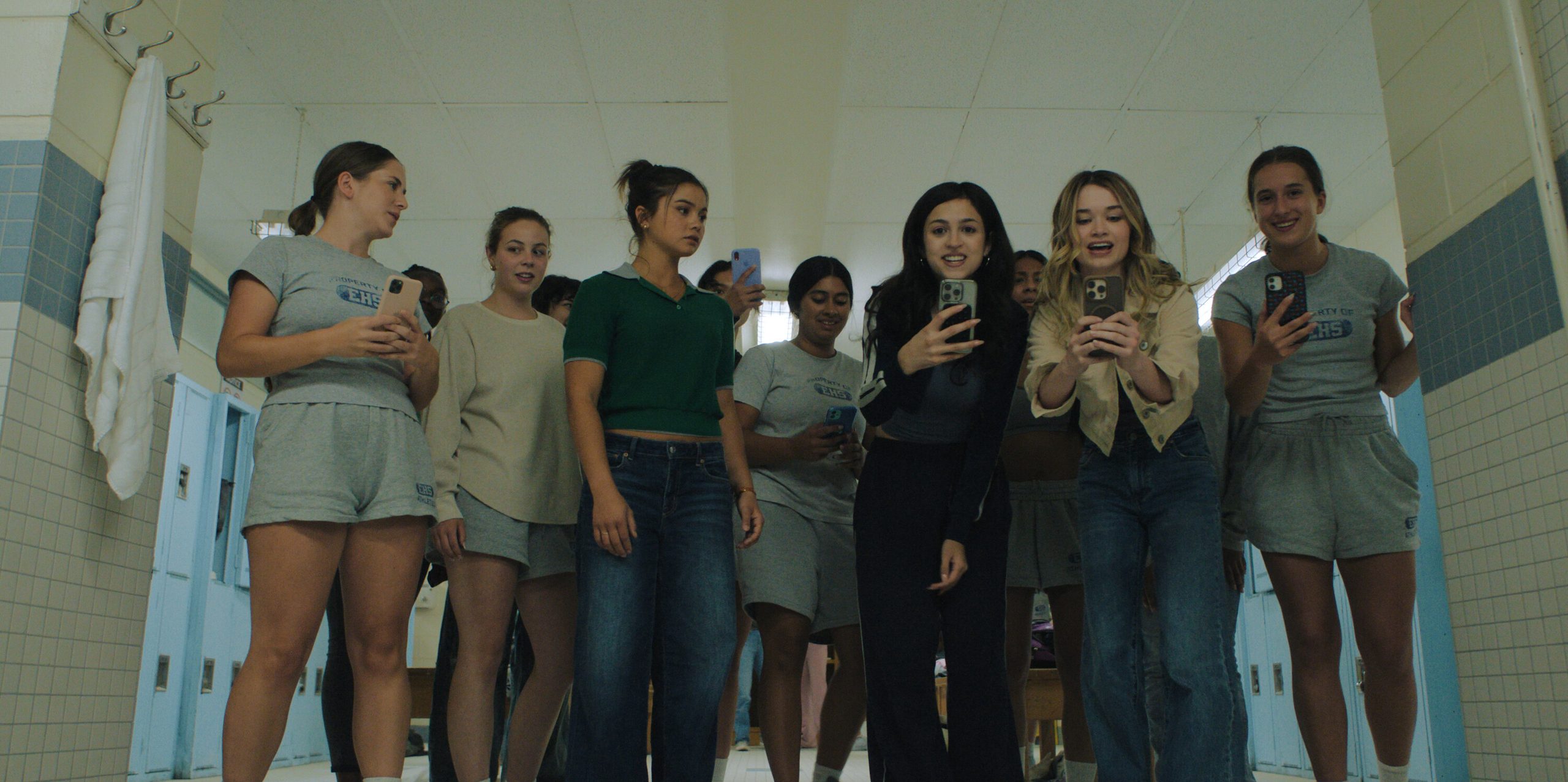
Carrie is laced with brilliant performances, but one-note characterizations, such as Carrie’s bully in Alicia Thornton’s Chris, find the series falling unexpectedly flat. Any content and narrative changes are an odd, not quite fully-realised, mix but an unnecessary stretching to 8 episodes, with no real sense of how to fill them, is Carrie’s greatest flaw. Combine this with a controversial ending and Mike Flanagan’s latest foray into streaming reeks of unfortunate studio influence. By expecting less horror-laced-tension and more teen romance with accompanying soap-operaness, you might find yourself enjoying Prime’s Carrie. Alas, this remake continues to demonstrate the difficulties in besting the 1976 classic.
Carrie Debuts on Prime Video October 7