By
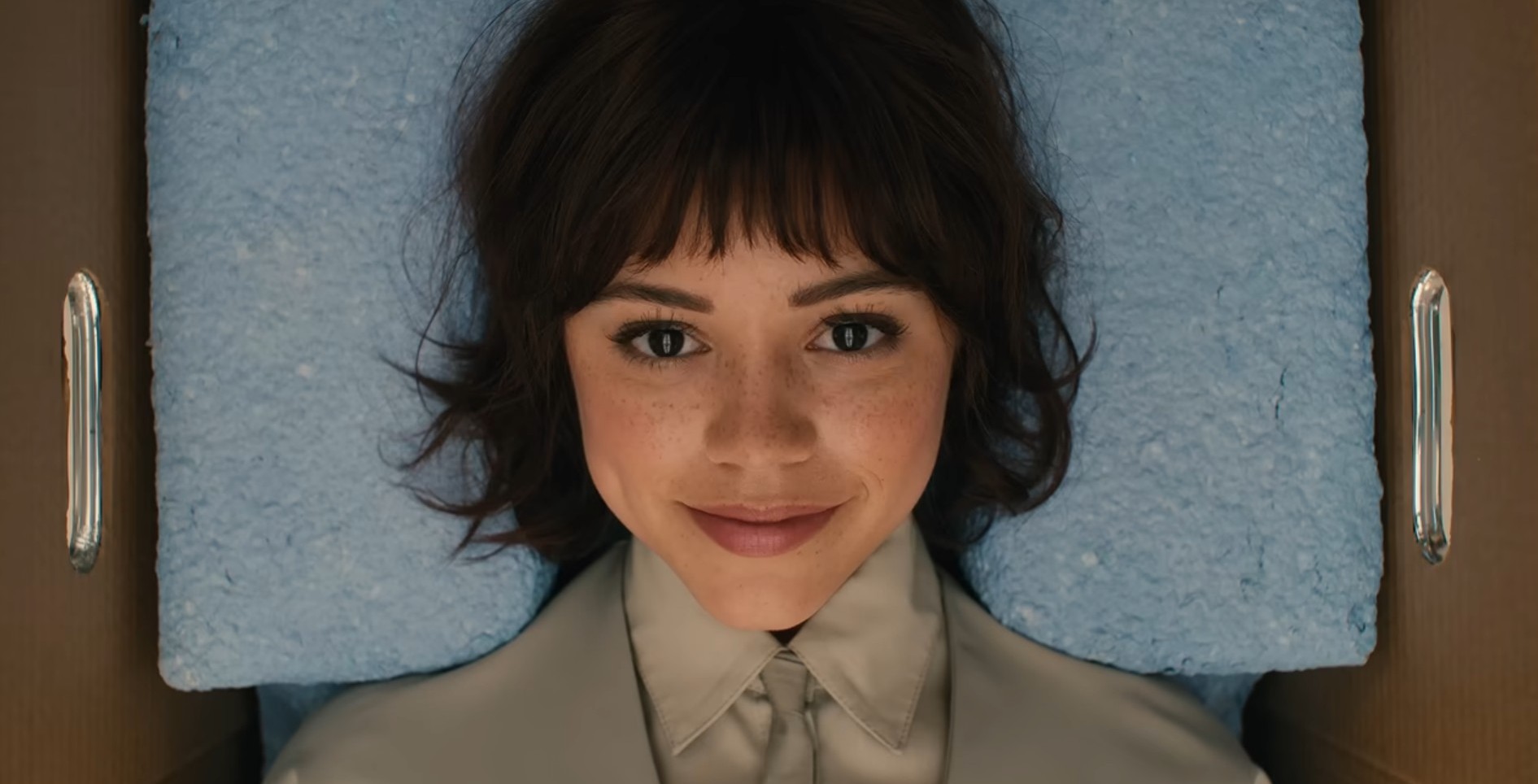
Klara and the Sun, written by Kazuo Ishiguro, marks Hollywood’s latest adaptation of a beloved book. Helmed by Jojo Rabbit (2019) director Taika Waititi, this Jenna Ortega (Wednesday) led outing, as the titular AI robot Klara, blends religious imagery with a dystopian post-World War 3 future. Layering nuance through themes of grief, Klara and the Sun aims to tackle the vast, unanswerable topic: What does it mean to be human?
Taika Waititi’s slew of recent misfires, beginning with the woeful Thor: Love and Thunder (2022) have found a once lauded name met with apprehension and an unfair ‘memeification’ of his style online. But this latest theatrical release returns to his more grounded, emotionally driven roots (despite the presence of humanoid AI-bots), infusing a simultaneously self-questioning but sincere heart. Waititi desperately needs a win, and this release could shift perception around his storytelling, but does it nail what makes Ishiguro’s novel so captivating?
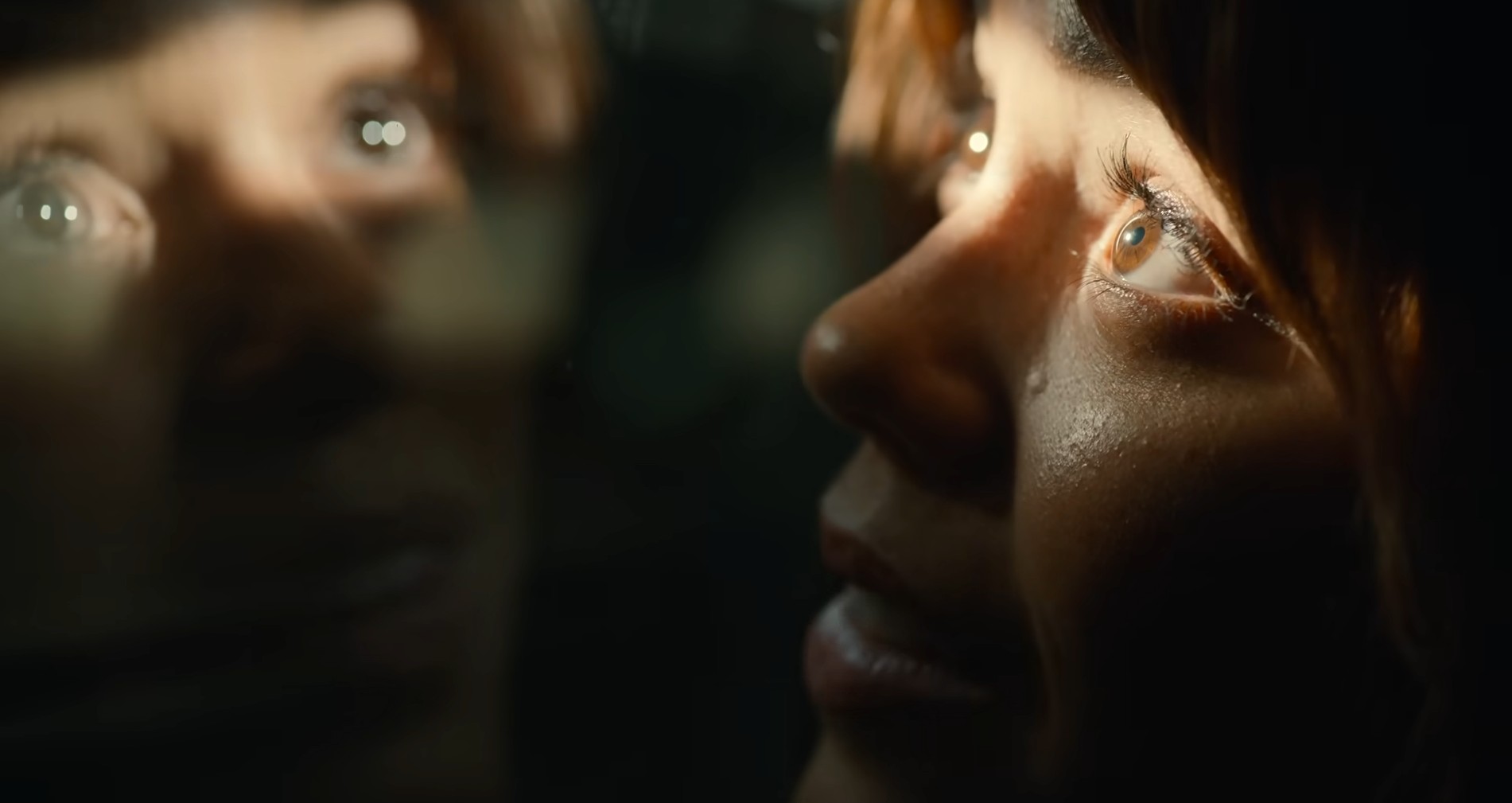
Taking place sometime in the future, Earth, as we know it, was ruptured by the internet and World War 3, with survivors rebuilding a society vaguely familiar to that of Blade Runner (1982). Buildings appear unkempt, people dishevelled, and the streets crowded with dirt – generic dystopian future stuff. Audiences open to Ortega’s AI-robot, Klara, religiously praying to the sun through the cracks of a closed window, begging to be taken home to assist a human as a companion. Her cutesy quirks, a flamingo-like leg raise and jabbering honesty, find her so far unsuccessful and on the verge of being scrapped by Natasha Lyonne’s (Poker Face) motherly store manager.
Until, Josie (Mia Tharia) and her mother, Chrissie, played by Amy Adams (Arrival) walk in, and Josie is convinced Klara is the AI companion she wants. Here, a friendship, surrounded by vast fields of wheat, blossoms between Josie and Klara. Who share a sisterly bond as the AI companion adjusts to her first time outside the store’s confides. In a journey of self-discovery, and grief-induced revelation, Klara and the Sun grippingly questions what it means to trust and be human. Ever-present religious imagery continues when Josie reveals she is sick, a consequence of her intelligence enhancing genetic modification known as ‘lifting’, and Klara, inspired by both her programming and growing humanity, promises to fix Josie, no matter the cost.
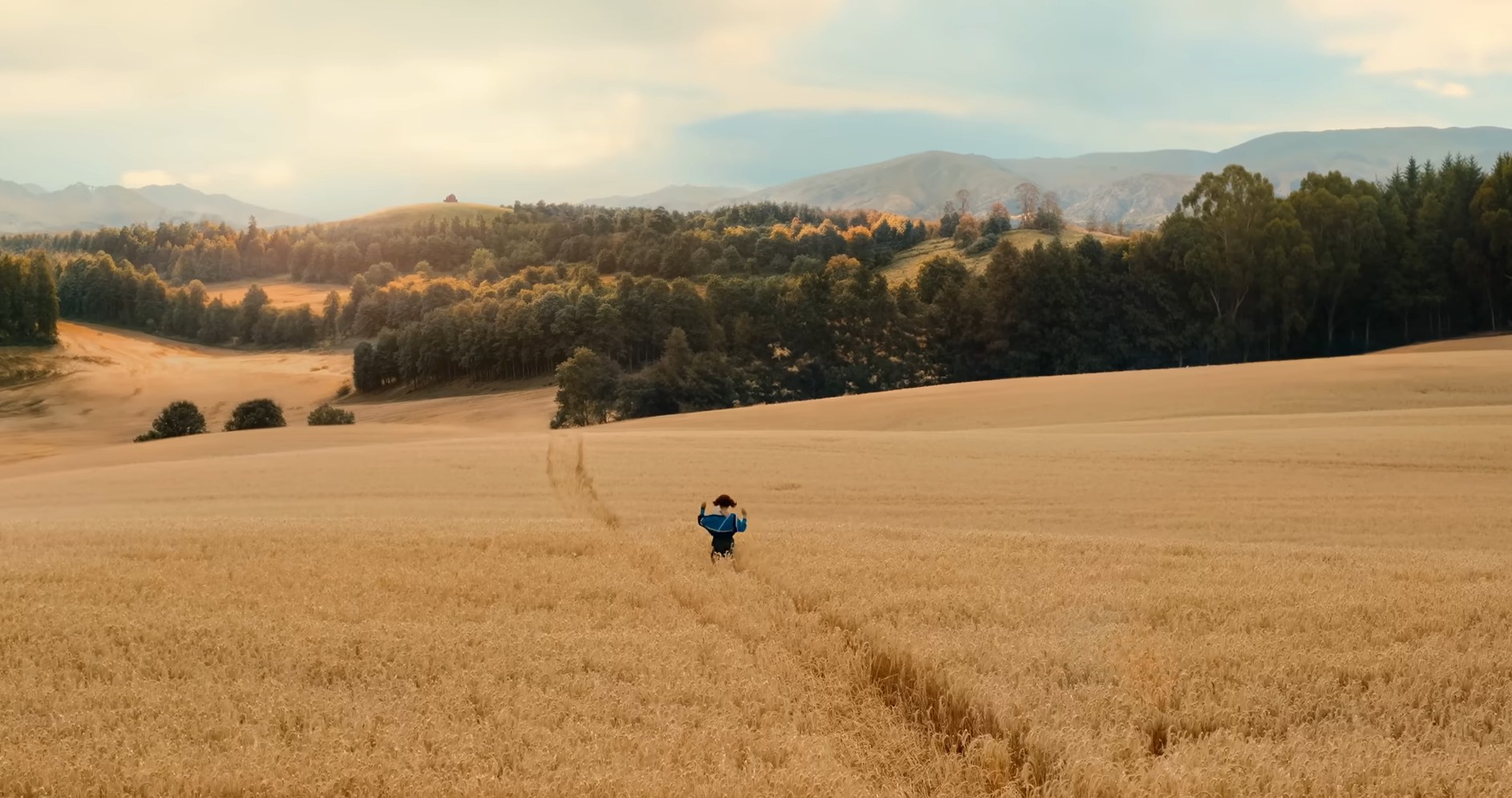
The vastness of these wheat fields, and the lingering isolation, is often presented during an awe-inspiring golden hour by cinematographer Mike Berlucchi (Our Flag Means Death). Where a rather basic script adapting Ishiguro’s work threatens to butcher the novel’s heart, Berlucchi’s visual direction emerges as a saviour. An inspiring feat that elevates a bland narrative direction and characterizations within Aran Murphy’s (Youth) Rick and Mia Tharia’s (September Says) Josie, who admittedly, get little to work with. Despite an electrically paced first act bursting with personality, Waititi slams the brakes in transition to Act 2, bringing about a frustratingly slow crawl in attempt to enrich the film with emotionally-driven storytelling – and failing.
Klara’s relationship with Josie’s mother, Chrissie, embeds a conflict both aimless and quickly resolved. Still grieving over the death of her first daughter, Chrissie appears hesitant to welcome Klara’s AI qualities, yet also appreciates the void she fills in her family. Here, Waititi’s and Dahvi Waller’s (Mad Men) script engages in a push-pull battle within itself, unsure whether it wants Klara to serve as conflict driving Chrissie’s grief, or Josie’s jealousy as Klara grows closer to her mother. Neither angle is explored enough. And any themes, including a significant final act twist, lack weight behind them, emerging darkly intriguing but then immediately resolved.
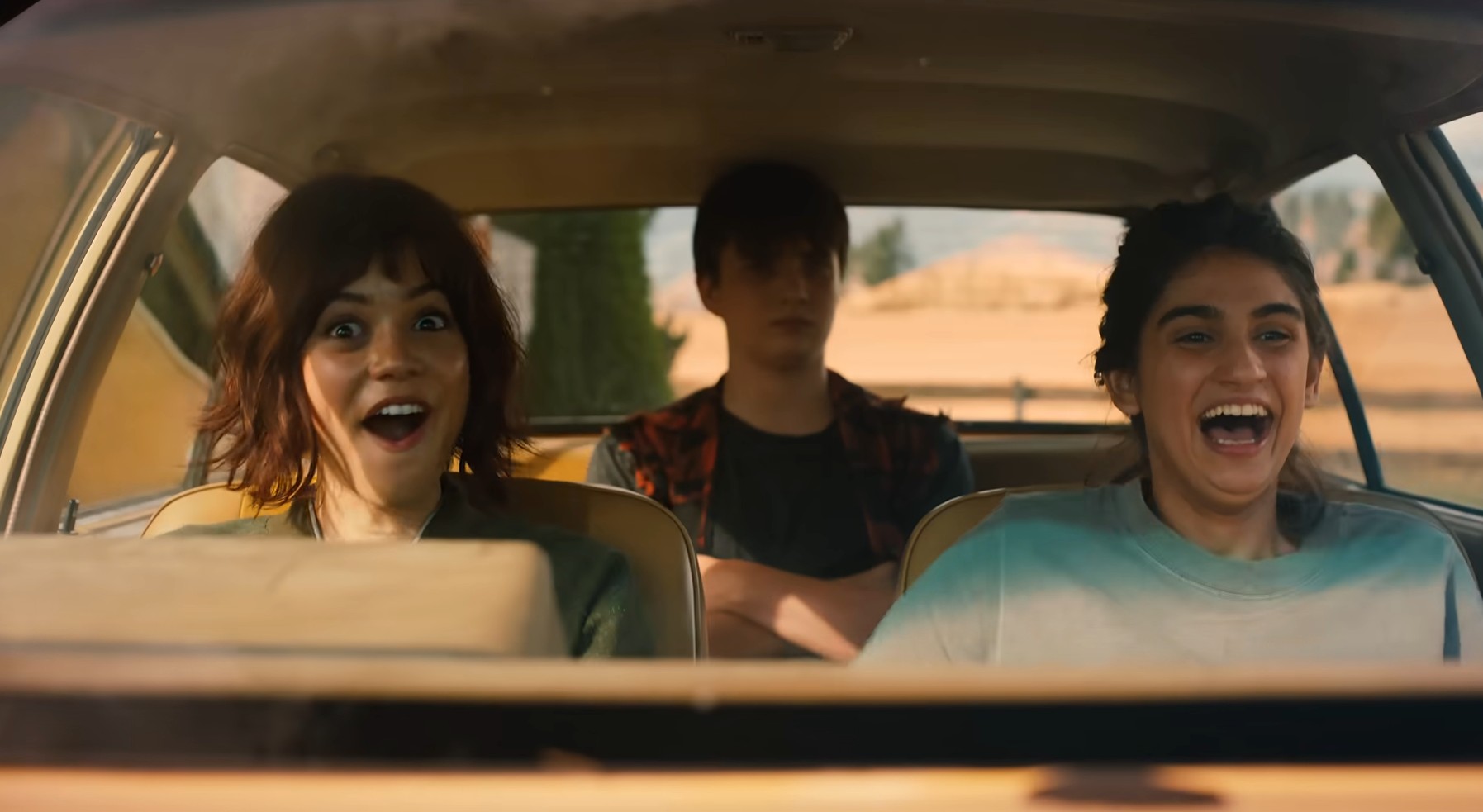
Within Act 2 lies roughly an hour of friendship-building activities and continued quirkiness which is fun, if overindulgent. Klara’s growing humanization, and what it means to love, is depicted through an earnest, hope-core styled heart, but any mystery of Josie’s illness and deteriorating condition are just simply uninteresting due to near-immediate resolution. This dystopian world, which plays such a significant influence on the circumstances of our protagonists, emerges underexplored, and thus the consequence of certain actions and twists falls flat. Again, Belucchi’s camera work enriches the film with an utterly wonderful vision. Whilst there may be moments of blandness in story, his cinematography is far from uninspired. Audiences will soak in this atmospheric achievement which will, if nothing else, lead to a fantastic range of movie posters available on Etsy.
There’s an admirable attempt at mediativeness within Klara and the Sun that draws brief success from the novel, but ultimately falls short in delivering the same powerful magic. Perhaps in other hands this would be a more nuanced adaptation, but how much this novel’s success translates to Waititi’s film, partly due to recurring issues within his deliverance of comedy, is questionable. There’s nothing wrong here, per se. It just doesn’t correctly utilise the best elements. Everything just happens and then ends, no underlying meaning or significance until the final sequence – which is guaranteed to leave a lump in your throat until Waititi’s humour eyerollingly breaks the tension.
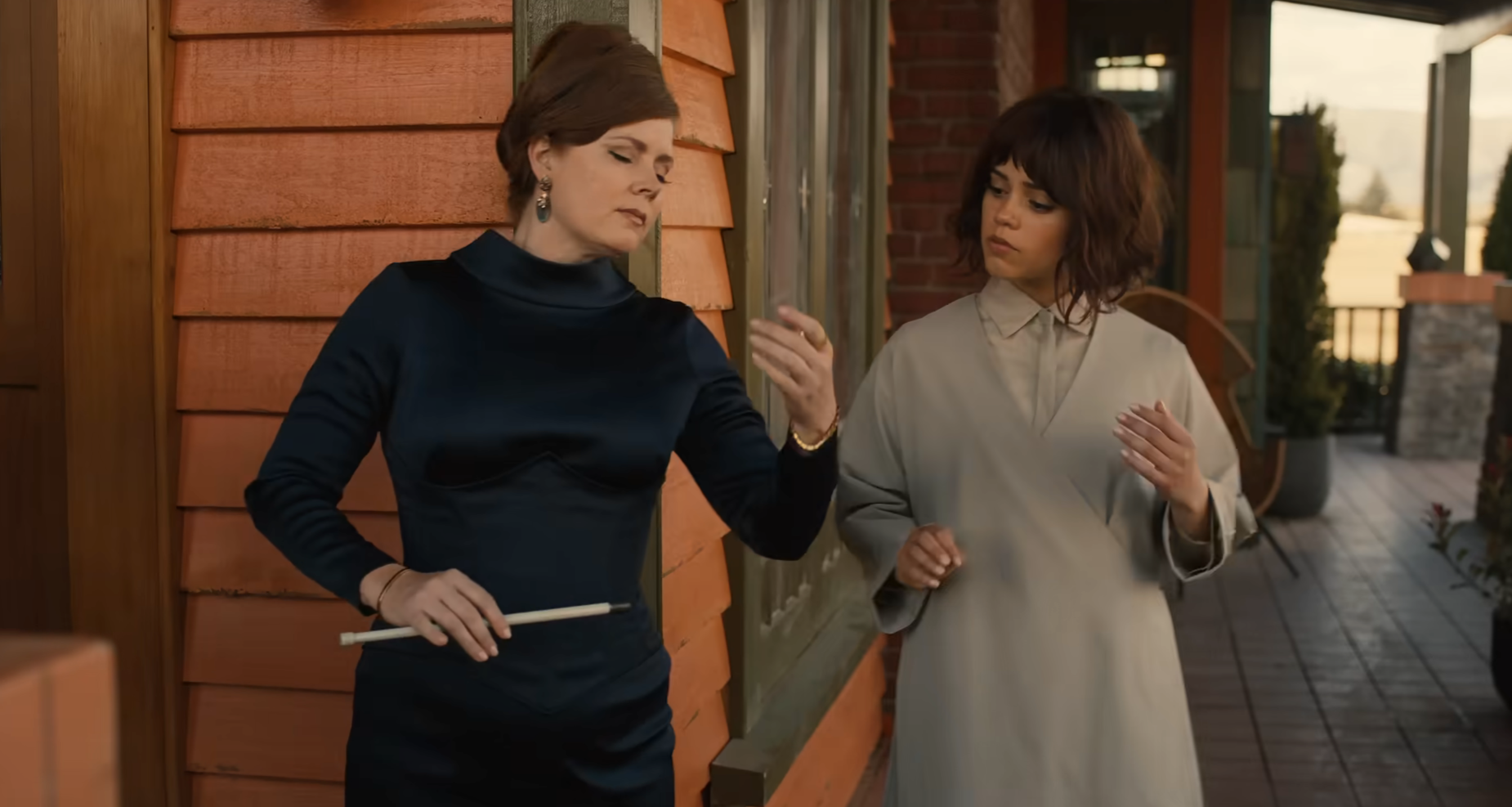
Ortega is faultless in her performance, perfectly capturing the peppy child-like energy required to make Klara’s innocence and journey admirable. She does more than enough to make Klara and the Sun an enjoyable experience, but is unable to elevate it to greater heights due to a tired script totally unsure of what it wants to be. She outshines co-star Amy Adams, who disappointingly phones in her performance, never truly selling the troubled ‘evil-step mother’ persona she aims for. Although, some may justifiably criticise the material she is given to work with, a problem seemingly plaguing all characters but the titular. Really, Klara and the Sun’s storytelling is primarily told through Berlucchi’s cinematography. Whose vast landscapes and isolation, complimented by rich sky blues or yellows of wheat, reap their own success, with dialogue only infusing substance where necessary.
A slow, unsubstantial narrative may occasionally be yawn-inducing, but Klara’s newness to this world, and any religious visualisations, encourage a captivating amusement that portrays the innocence of the world through her viewpoint. Match this with Josie’s friendship and an upbeat score, and audiences will find just enough to justify the ticket price, but perhaps not find the film lingering on their minds an hour later. Believing itself to be more nuanced than it actually is, Klara and the Sun is the fast-food equivalent of an adaptation, destined to be consumed through broken up TikTok clips. A strange film because there’s nothing glaringly wrong with it, but at the same time nothing glaringly right. It just exists. At the very least, it seizes a heartwarming cuteness within Ortega’s Klara who proves a total scene-stealer.