

By
If you’re a rom-com lover, the name Will Gluck probably sounds familiar. From Easy A to Anyone but You, Gluck has built a reputation for knowing exactly how to make a crowd-pleasing romantic comedy: charming leads, quick banter and enough chemistry to carry even the thinnest of plots. One Night Only certainly has the chemistry and the charm, but unfortunately, its bizarre premise and underdeveloped plot prove impossible to overcome, no matter how much sparks fly between its leads.
Callum Turner and Monica Barbaro have the kind of chemistry you want from a rom-com. You can feel the tension coming off the screen, particularly in those lingering glances and flirtatious banter, and both actors are charming enough that you want to see them together. Turner plays recently dumped Owen, while Barbaro is Allie, a hopeless romantic looking for something more meaningful than the one-night encounter everyone else seems to be after. When the two meet, there is an immediate spark, but a comedy of errors repeatedly throws them off course as they spend the night bumping into each other, losing each other and finding themselves pulled into increasingly ridiculous side quests.
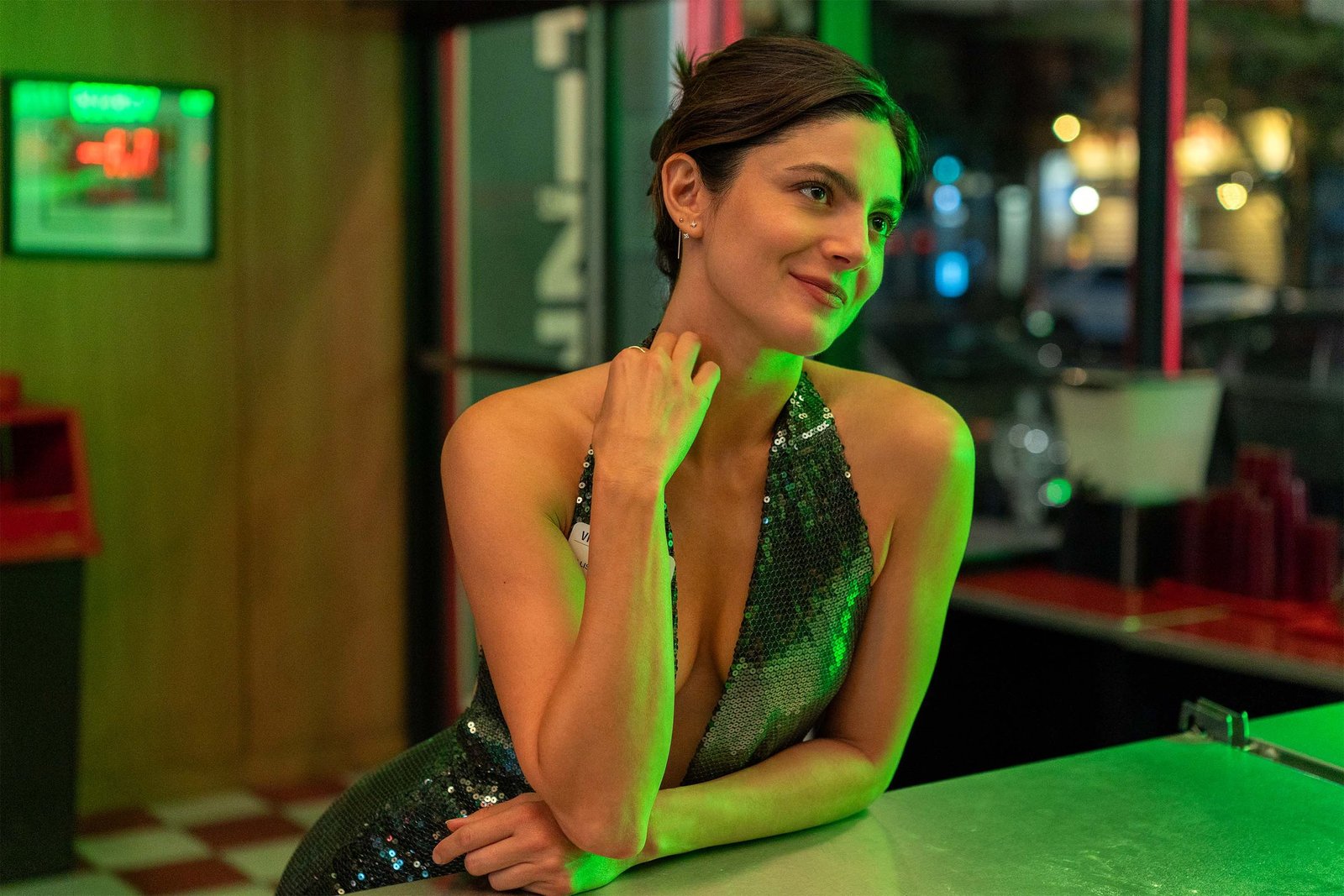
The setup is certainly original. One Night Only takes place in a world where single people are legally allowed to have sex on only one night a year, turning the evening into a kind of annual free-for-all. It’s a high-concept premise that could have made for a genuinely clever satire about sex, relationships, government control and social repression. Instead, the film seems unsure whether it wants to be a spicy rom-com, a social satire or something closer to a political thriller, and never fully commits to any of them. It ultimately presents itself as a dystopia, but one that strangely leads to a happy ending, never fully exploring the darker implications of the world it has created.
That uncertainty becomes particularly noticeable when you start thinking about the world beyond the central romance. Namely, why does everyone seem so accepting of a law restricting single people to having sex on only one night a year? This is clearly not a democratic system, yet there is remarkably little resistance to a government exercising this level of control over people’s personal lives. The backdrop is one of control, but the film rarely explores what that control actually means.
And that is ultimately where the film loses its way. The narrative relies so heavily on coincidence that Owen and Allie rarely feel like active participants in their own romance. They keep being separated by circumstances outside their control, only to stumble into each other again. A premise built around one night, one opportunity and a ticking clock should feel explosively charged, but instead there is a strange passivity to the entire thing. The characters have been denied choice by the world around them, but the storytelling ends up doing much the same thing, denying them the agency to actually shape their own relationship.
It doesn’t help that the comedy is similarly inconsistent. There are moments that are genuinely funny, particularly the boy Allie’s roommate babysits, who delivers some of the funniest lines in the entire film. Allie’s imaginative daydreams are another highlight, and probably the closest the film comes to being properly funny or spicy. Unfortunately, these moments are few and far between, with too many of the jokes feeling disconnected from the characters or the world they inhabit. The banter often starts naturally enough, only to unravel into increasingly awkward punchlines that feel forced rather than funny. This is especially true of Allie’s interactions with some of the supporting characters, particularly Ezra Strong, whose scenes veer much more towards icky than amusing. We all love a good cringey moment in a movie, but this was perhaps a little too much, even by those standards.
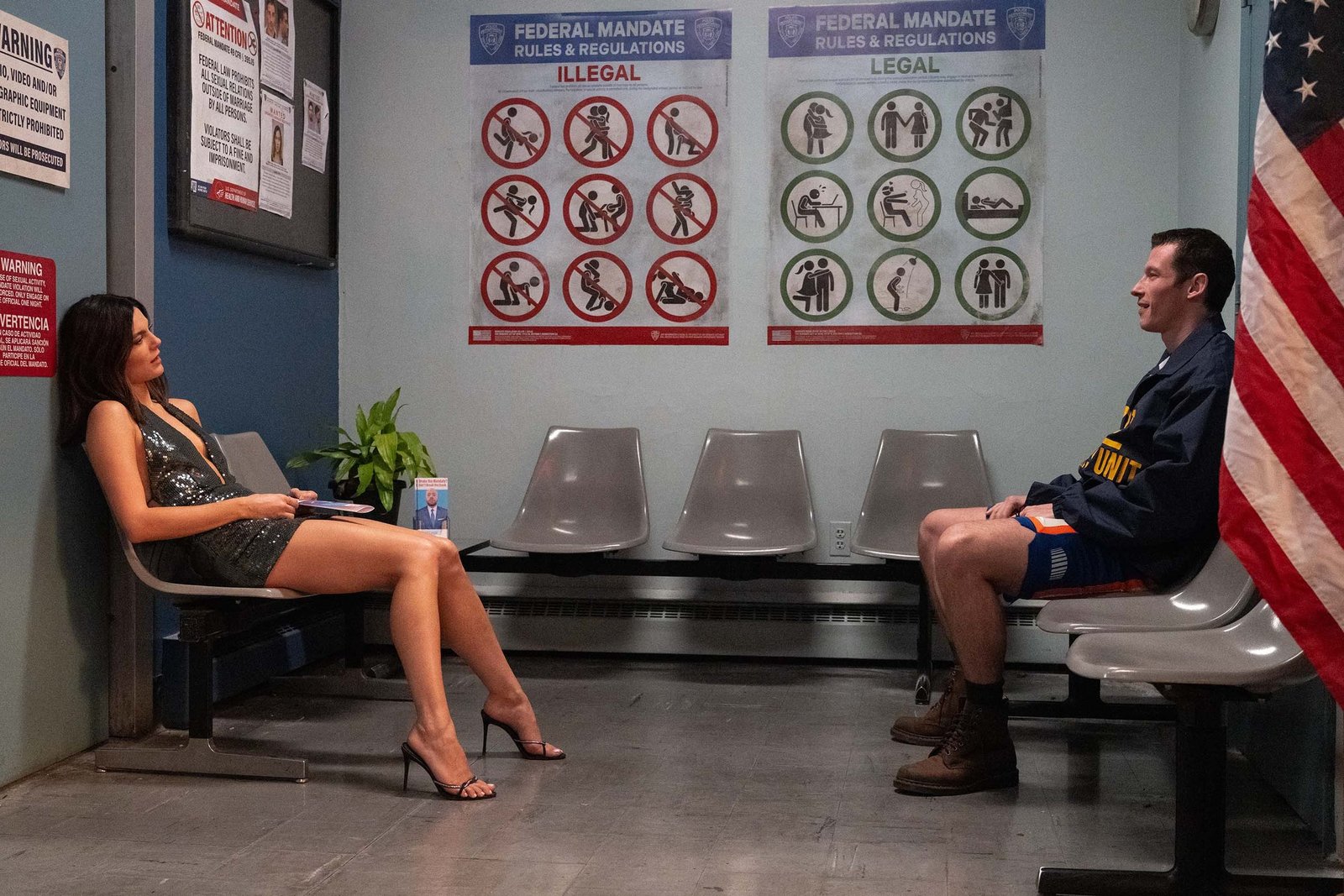
There is also a frustrating lack of depth when it comes to the romance itself. We have two attractive people who clearly have chemistry and are obviously drawn to each other, but chemistry alone isn’t enough. The film spends so much time finding new ways to keep Owen and Allie apart that it forgets to show us why they should actually be together. Their connection is based largely on attraction and circumstance rather than the kind of emotional intimacy that makes a rom-com payoff feel earned. Additionally, the premise wishes to emphasise that both characters are seeking a deeper connection. Whilst that does apply to Allie, Owen’s actions go against what he tells the audience, jumping on every occasion that presents itself to (try to) have sex.
That’s a shame because Turner and Barbaro are doing everything they can to conjure the sparks the script needs. Their chemistry is undeniable, and there are glimpses of the film that One Night Only could have been if it had trusted its leads more. When the two are simply talking to each other or looking at each other, there is an ease to their dynamic that feels far more natural than the increasingly convoluted situations the screenplay keeps placing them in.
And perhaps that is the most frustrating thing about One Night Only: the film has all the ingredients for a genuinely fun rom-com, but it keeps getting in its own way. It has two charismatic leads with great chemistry, an unusual premise and a built-in ticking clock. Yet rather than using those elements to create something genuinely wild, sexy and unpredictable, it becomes oddly restrained.
For anyone who enjoys a cringey, chaotic rom-com, there’s still plenty of fun to be had here. Turner and Barbaro are great to watch, and the unpredictable premise makes for an entertaining enough watch. But ultimately, for all its talk of desire, freedom and breaking the rules, the film ultimately feels too conservative and awkward to deliver the chaotic, sexy good time it promises.