

The Odyssey Review: Christopher Nolan reminds us who we are, and where we’re going
This is an adaptation of Homer’s epic that is somehow monumental in scale yet intimate in its execution, culminating in what is an undeniable and absolute cinematic achievement.
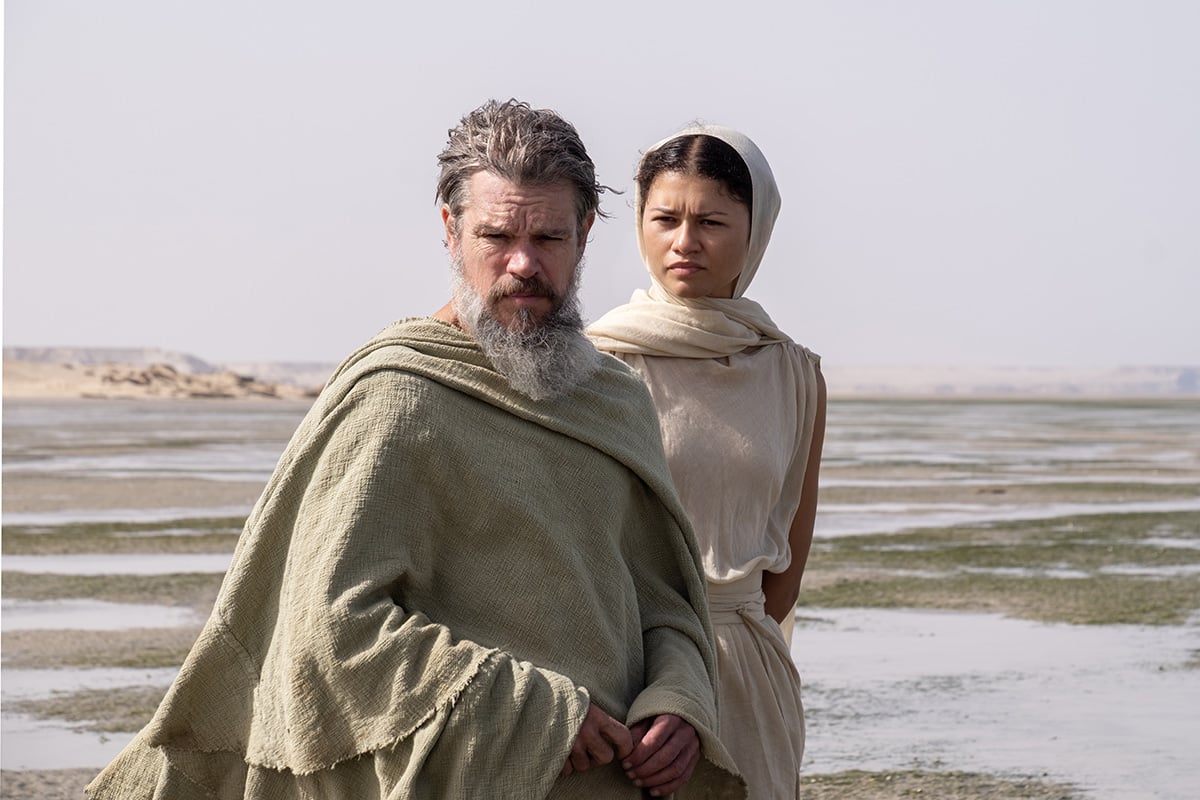
Many questions permeate mankind and have done since the dawn of time. Our greatest writers, from Shakespeare to Plato, have attempted, with varying levels of success, to answer them. They wondered, what is morality? What is good, and what is evil? What is justice? Can we escape our fate? These are the questions that form the foundation of humanity’s greatest story, Homer’s epic fantasy poem, The Odyssey. It’s the cornerstone of what we recognise as the Great Conversation, the idea that our most important works of literature and culture are, and will always be, in dialogue with one another across time.
It should come as no surprise, then, that this significance has bled into Western culture since it was written 2,700 years ago. Any story about going on a journey, or coming home, will find its genesis in The Odyssey. But no one has ever taken Homer’s text in its entirety and translated it to screen in a way that feels as monumental as the text itself. How does one adapt humanity’s greatest story?
Christopher Nolan has the answer. This is, in some ways, a rather serendipitous union. As a storyteller, Nolan has established himself as cinema’s foremost explorer of time, as both a physical, dimensional phenomenon, and deeply human experience. Beneath the gods and monsters in The Odyssey, lies a profoundly human meditation on longing, identity and fate. Odysseus’ story is our story, and Nolan brings it to the big screen in a way that breathes more life into the text than ever before.