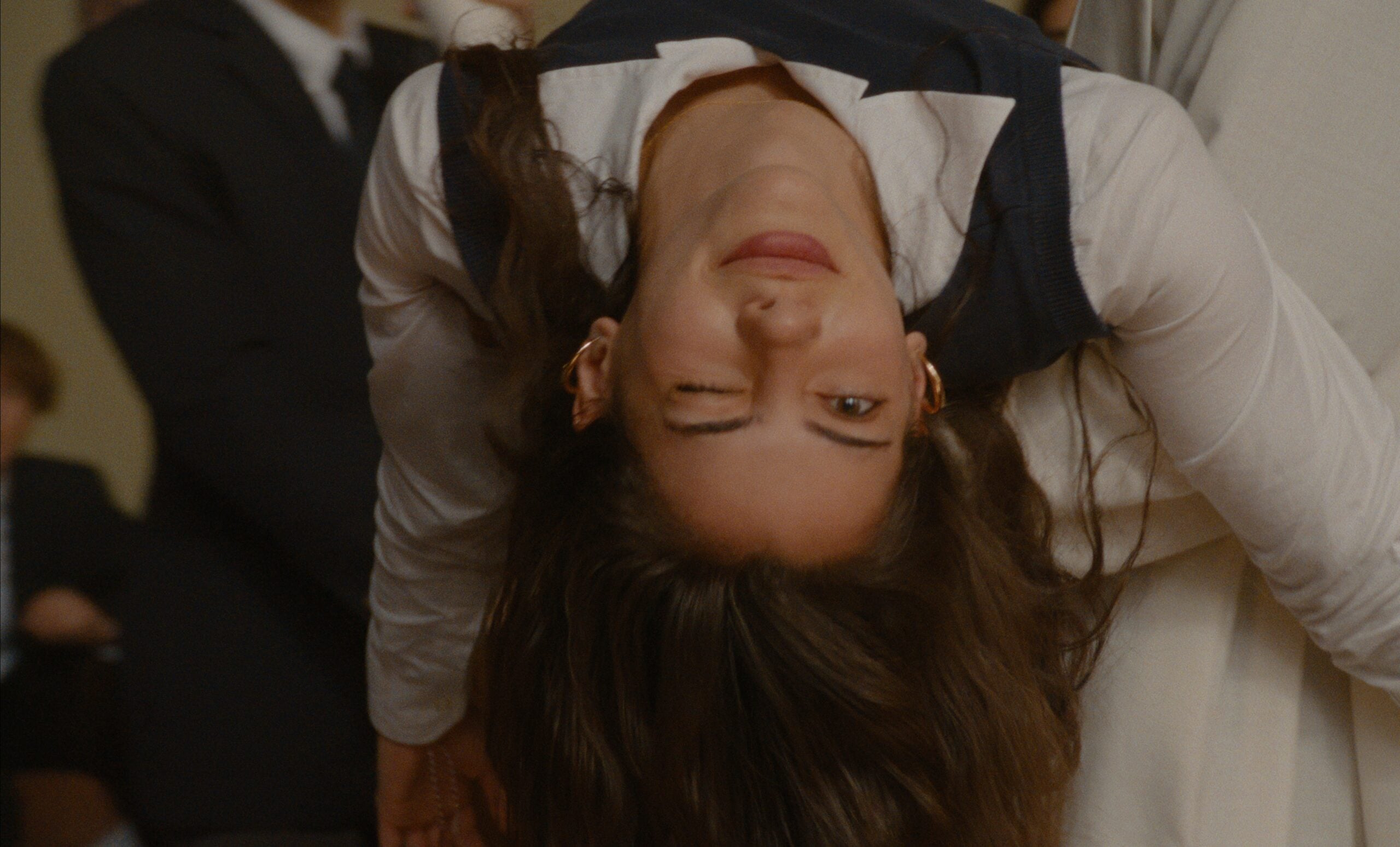
The early-2000s setting also proves to be a particularly inspired choice, one that Shephard incorporates with a level of subtlety rarely seen in contemporary period pieces set during that era. Rather than constantly reminding viewers of when the show takes place through an endless parade of nostalgic references, The Body allows the period to reveal itself naturally through the characters' clothing, the technology they use, the music they listen to and, perhaps most importantly, the way they speak to one another. Casual homophobia is so deeply ingrained in their everyday conversations that describing something as "gay" is practically interchangeable with calling it stupid or embarrassing, a small but incredibly effective detail that speaks volumes about the environment in which these girls are attempting to understand their sexuality.
It's a setting that feels authentic rather than performative, with Shephard demonstrating an impressive understanding of the social attitudes and cultural anxieties that defined adolescence during that period. And while the show is firmly rooted in the early 2000s, many of the issues it explores feel just as relevant today, particularly the relationship between conservative religious values, bodily autonomy and the policing of young women's behavior.
That sense of authenticity is hardly surprising when considering how deeply personal the material is to Shephard herself. The filmmaker, who is queer and has spoken openly about her experiences growing up in a conservative environment, initially began developing The Body in her early twenties, around the same time she was coming to terms with her own sexuality. Having since revisited the material with co-showrunner Gina Gammell, Shephard discovered a sense of humor within what had originally been conceived as a much more serious drama, allowing her to approach the experiences that inspired the series with a greater degree of perspective.
The result is a show that feels incredibly personal without becoming overly introspective, drawing from Shephard's own experiences to explore much broader questions about identity, desire, faith and the often-painful process of growing up. There are shades of everything from Carrie and Jennifer's Body to Heathers and The Crucible throughout the series, but Shephard never allows those influences to overwhelm her own distinctive voice, instead using them as a springboard to create something that feels entirely her own. It's a wonderfully assured piece of storytelling, one that manages to be outrageous, provocative and frequently hilarious without ever sacrificing its emotional sincerity.
And perhaps that's what makes The Body such a remarkable achievement. For all its supernatural intrigue, religious hysteria and increasingly bizarre developments, the show is ultimately a deeply compassionate exploration of young people who have been taught to fear the very things that make them human. Shephard approaches their experiences with an abundance of empathy, allowing them to be selfish, cruel, confused and occasionally downright awful without ever losing sight of the vulnerability that lies beneath their behavior. Anchored by two phenomenal, star-making performances from Bogic and Boustany, and supported by one of the strongest young ensembles in recent memory, The Body is a wildly entertaining, wickedly intelligent and profoundly moving series that deserves to be seen. It's easily one of the best new shows of the year, and further proof that Shephard is one of the most exciting voices working in television today.
THE BODY premieres on Netflix on November 11, 2026.