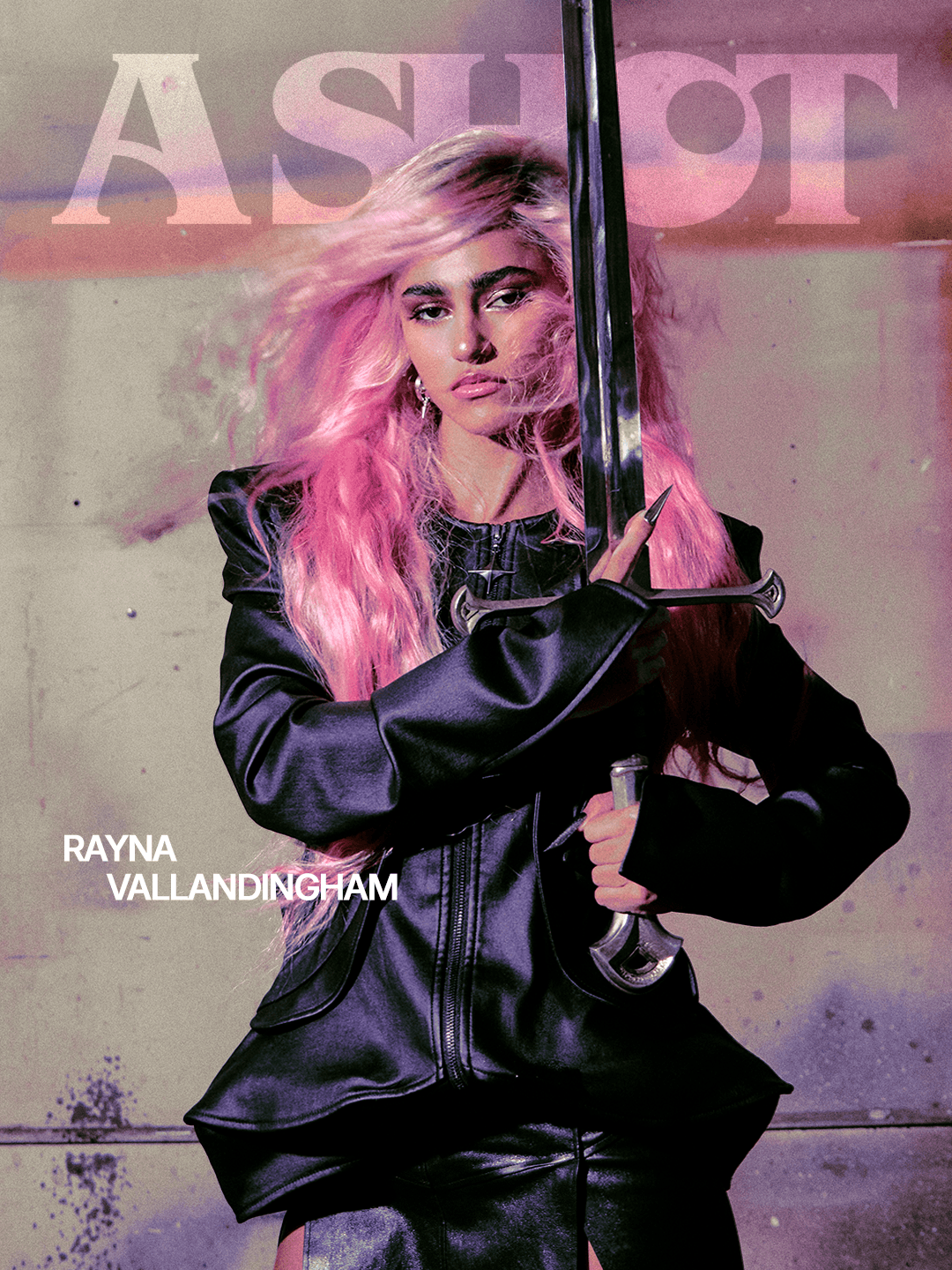
For all the physical confidence martial arts has given her, Vallandingham has little interest in performing fearlessness. At 5’1”, she has spent much of her life training against people considerably larger than herself. As a child, that could mean being a ten-year-old girl facing a fourteen-year-old boy; adulthood has simply changed the proportions of the opponent. “That has always intimidated me,” she admits.
Her response to fear is surprisingly pragmatic. Size might belong to the person standing opposite her, but speed and agility can belong to her. She thinks in terms of leverage: getting in quickly, getting out faster, identifying the advantage available to her instead of pretending the imbalance does not exist. “I’m scared shit of it,” she confesses.
“But when I do succeed, it’s the most exhilarating feeling.”
Fear, then, is not something Vallandingham has trained out of herself. If anything, martial arts seem to have taught her how to remain functional in its presence.
That instinct does not disappear once Vallandingham leaves the mat. On a night out, she is less likely to be the oblivious friend than the one inaudibly surveying the room, particularly when someone approaches one of her friends. “There’s a designated driver. I’m like the designated fighter,” she jokes.
It is funny because she means it. When it gets dark and men are around, Vallandingham says her head is “on a swivel,” instinctively assessing who is nearby and whether anyone she is with might need protecting. Martial arts, after more than two decades, seems to have migrated beyond something she practices into something closer to reflex. “I’m definitely the protector of the friend group,” she says. That vigilance also reveals something about the way Vallandingham understands fighting. For all the spectacle attached to what she can do, its most ordinary expression in her life is protective.
The distinction between fighting competitively and fighting for a camera is one Vallandingham understands intimately. In competition, the body reacts before there is time to intellectualise the decision: an opening appears and you take it. Choreography necessitates almost the inverse. Every movement is contemplated, rehearsed and made to communicate something beyond physical ability.