

One Battle After Another: Paul Thomas Anderson at His Most Entertaining and Vulnerable
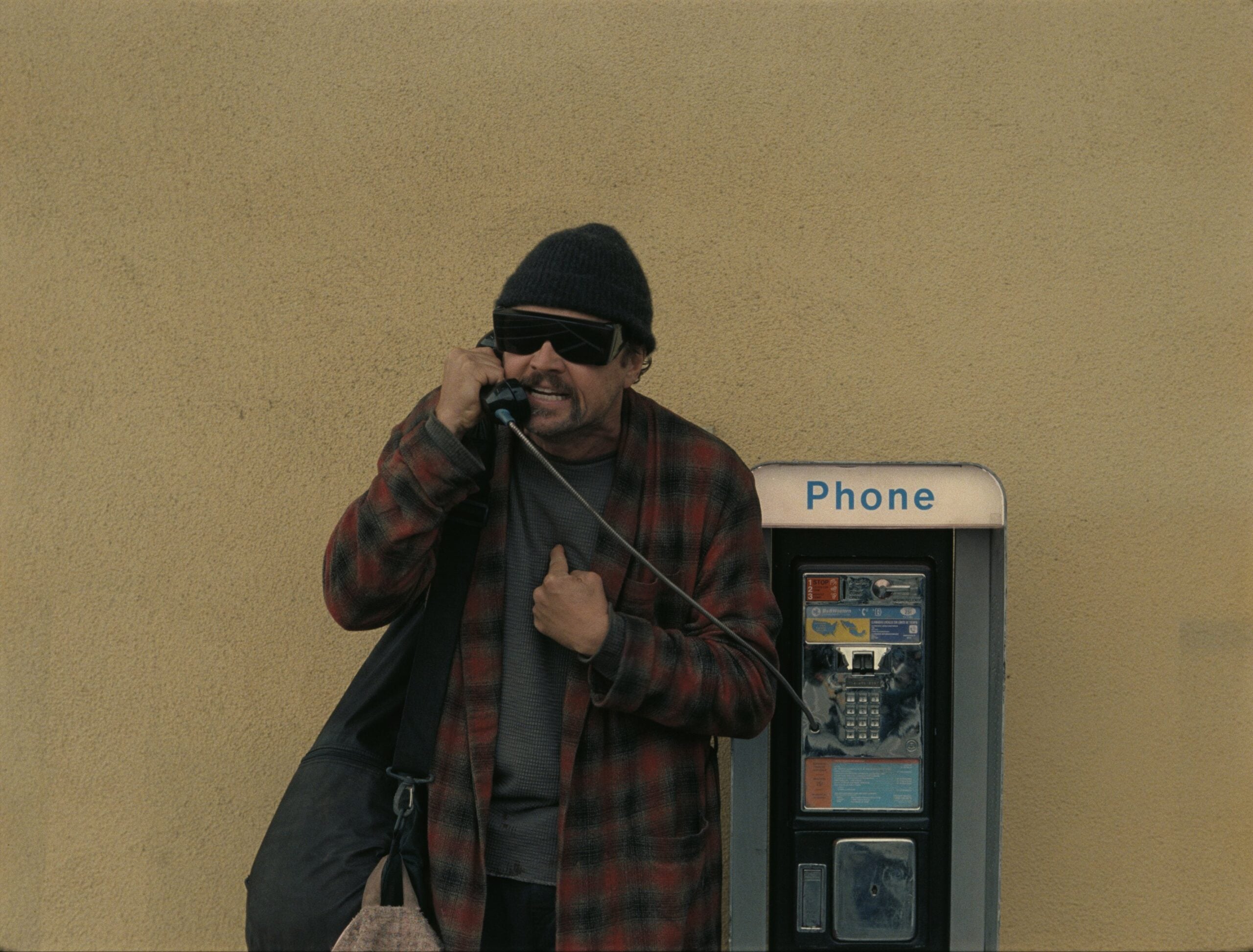
“One Battle After Another” is an interesting title in many ways: For a commercial film, it is a promise, that the film will have one setpiece after another, one chase/shootout/fight after another. But you could use the phrase about everything or about life itself: surviving life can feel like one battle after another, raising a child is one battle after another, understanding yourself, your world, trying to change its rules and shortcoming, or profiting from them, or just following them. A revolution is one battle after another, maintaining the status quo is one battle after another.
All that could be applied to this “thriller” from the always Genre-bending Paul Thomas Anderson, a fast paced, emotionally gripping, unexpectedly funny, adrenaline filled ride that is his first movie in decades to NOT take place in a historical setting (and thus his first film where the characters have access to Wi-fi and smartphones, though some of them refuse to do).
This is easily the easiest PTA film to recommend to almost any audience member (to the point that even WB recognize the commerical appeal and potential for this film), building on the tried synopsis of “Middle Aged hairy dad escorts and saves a hot-headed teen from a world gone mad” we saw in “Logan”, “The Last of Us” and “God of War”, full of threats and near escapes and car crashes and gunshots. You could watch and very much enjoy this without knowing it’s a Paul Thomas Anderson film.
You could even mistake it for a film make by the Coens and/or The Safdies. As if it was made by a man angry that both directing duos split up to do different things and decided to make a film like the films of both duos, ironic for a film about the things that separate and unite us.
But that said, this is still a Paul Thomas Anderson film.
It has Anderson’s charmingly idiosyncratic miserable characters (but the dial here is more towards “amusingly miserable” than “depressingly miserable”), played by actors who do a lot more than actors are required to do in most other films.
He sets the film for the first time since “Punch Drunk Love” in a “version” of the modern world cause he wants to say something about it, or at least try to understand it, gone are the meticulous recreations of bygone eras in favour of a fever dream imagining of a world that could be.
The filmmaking alone gives this ride the weight to carry any and all metaphorical meaning. The images carry the weight, power, beauty and urgency of a great movie.
Even the way it does a story that could be conventional is unconventional.