

Nina Kiri Talks Fear, Vulnerability, and Her Intense Performance in Undertone
In Undertone, Nina Kiri delivers an intimate, unflinching performance in a tightly contained, fast-tracked shoot that distilled filmmaking to its essentials.
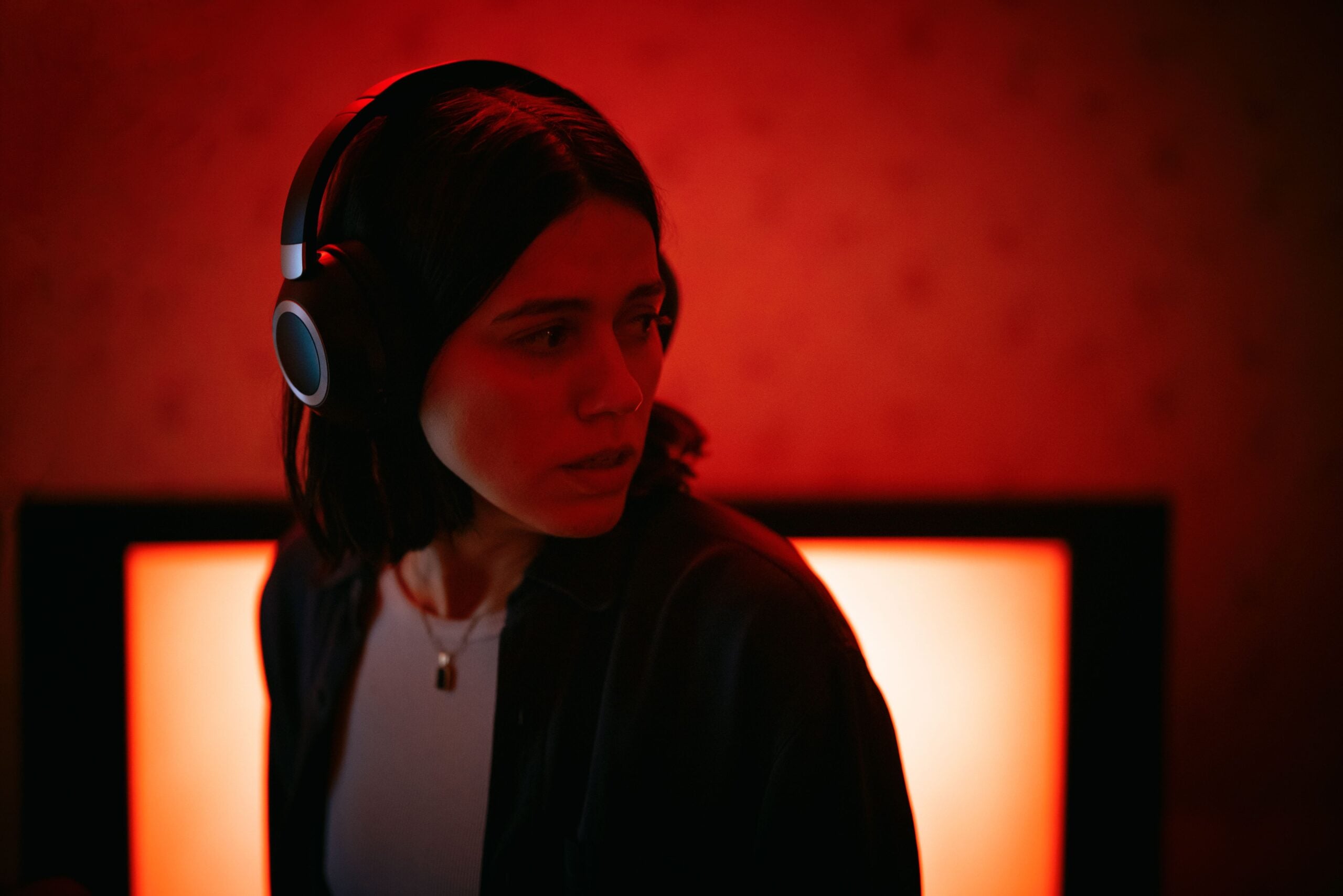
Horror has become a defining force in Hollywood over the past few years, with the Academy increasingly recognizing the power of horror performances and films. The genre has helped revitalize the industry, introducing new voices, and showcasing rising stars such as Nina Kiri, an actor whose talent deserves to be seen on the biggest stages and whose presence should make her a fixture on every casting list.
With Undertone emerging as one of A24’s most anticipated films of the year, the studio’s first major horror project in some time, the film has already made a significant mark. Even compared to last year’s Bring Her Back, Undertone stands out, an impressive feat for a horror film competing against blockbusters like Project Hail Mary and Ready or Not 2. To date, it has crossed $15M worldwide on a modest $500K budget.
In her latest project, Undertone, Nina Kiri delivers a performance that is both intimate and unflinching, navigating the psychological depths of a character confined within a single location. For Kiri, the experience was unlike anything she had done before: a fast-tracked, tightly contained shoot that distilled filmmaking down to its essentials and allowed the cast and crew to work with rare efficiency.
Working with director Ian Tuason on his debut feature proved equally distinctive. Kiri describes Tuason as both precise in his vision and deeply trusting of the actors he assembled. That trust created a space for vulnerability, allowing her to fuse her own darkness with that of the character Evy and explore deeply personal emotional territory. The collaborative dynamic, combined with the film’s minimalist setting, made the work both challenging and rewarding.
Undertone pushes boundaries in subtle but powerful ways. From using real EVP recordings as dialogue to transforming familiar childhood songs into unsettling motifs, the film plays with fear, memory, and perception. Kiri reflects on how the film’s design, relying heavily on her solo performance in a confined space, demanded both emotional and physical endurance, particularly during moments of intense breakdown. Yet she approached the role with preparation and confidence, grounding herself in the truths she had written about Evy’s perspective on the world.