

My Father’s Scent: Ahmed Malek Steals the Show in the Intimate, Dreamy Drama
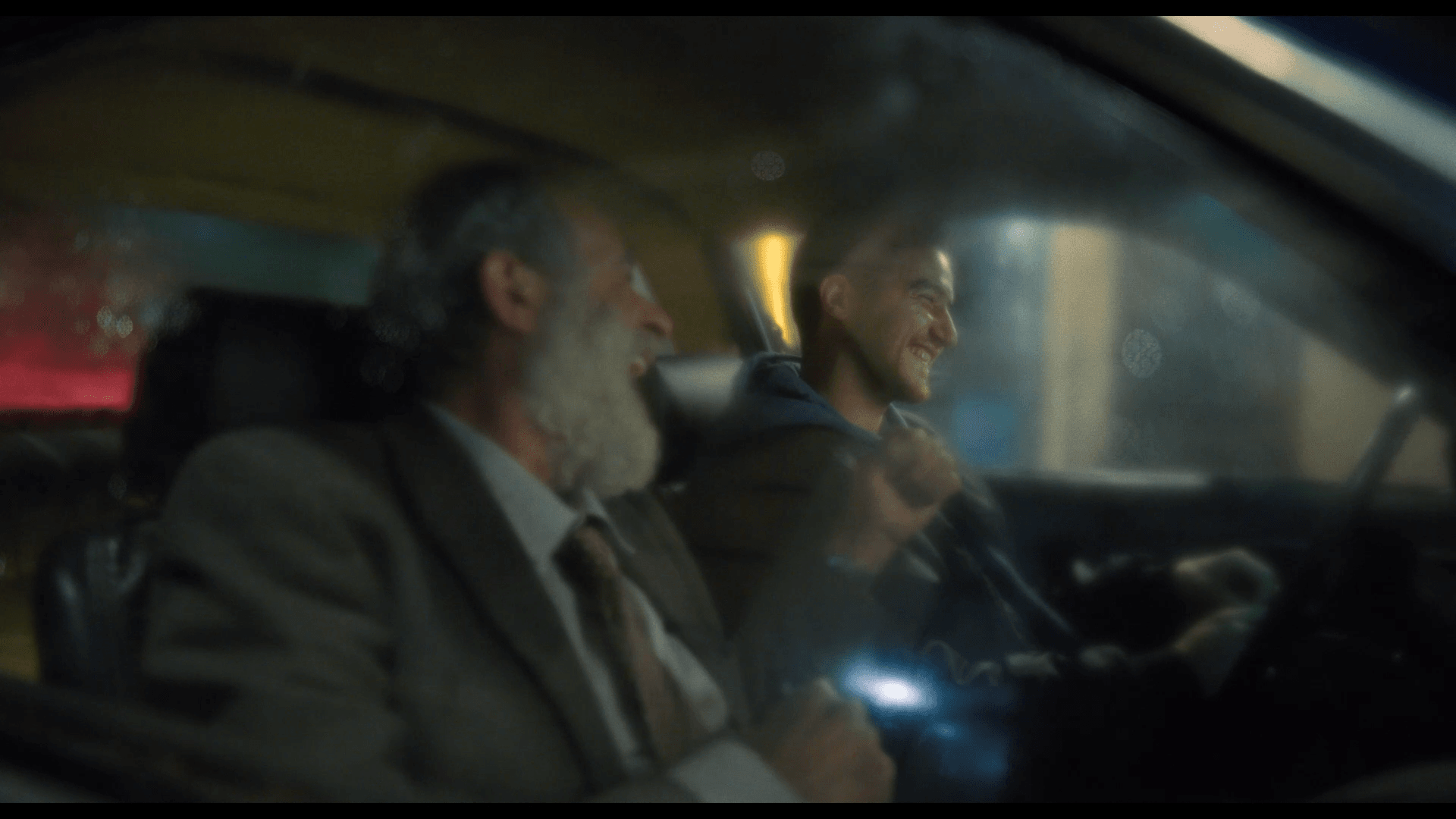
‘My Father’s Scent’ starts with a death. An old man with terminal cancer has been in a coma for six months and has just been released from the hospital (or, as one “high” beggar puts it in one scene, he came back from the other side). The old man then spends his first day out of the hospital with his younger, drug addict son, only to die the next day.
The older brother (Ali, played by Abed Anani), violently and insensitively, blames the younger one (Farouk, our main character, played by Ahmed Malek). Malek’s expressions, actions, and reactions might convince you that the suspicion isn’t entirely unfounded. Yet, even if Farouk weren’t under suspicion, he remains the last person to have seen the deceased. This prologue is revealed to be a flashforward, as the film then unfolds the events of that final night between Farouk and his father, set against Alexandria’s beautiful and dreamy scenery. Accompanied by a soundtrack of classic Egyptian songs and an ambient electronic score, the film evokes a nostalgic atmosphere.
The first thing that jumped out at me while watching ‘My Father’s Scent’ is how fed-up and openly hostile everyone is. From the two brothers to the father, everyone just responds aggressively to each other, even when joking and being sarcastic. Farouk breaks TWO mirrors in two different scenes. Everyone has obviously put up with one another’s bullshit for so long and say so to themselves.
It almost makes up for all the repressed emotions and all the things left unsaid in many of Egypt’s “alternative” cinema. I’ve long held an opinion that the sort of “long take heavy, light on dialogue” Egyptian Festival films don’t always represent Egypt and Egyptians. Egyptians are very talkative; they repress their emotions with sarcasm more than with a poker face. I’ve even told some aspiring filmmakers that they need to watch less Tarkovsky and more John Cassavetes.
So, I gladly say it, ‘My Father’s Scent’ feels like a John Cassavetes film, or rather, a good impression of it, a good enough impression for a first-time director.
The setting is limited, both spatially and temporally (to the point that you get very familiar with the main apartment it mostly takes place in, you know the geography and the decorations, and miss the place once the film ends, which is a very good sign), the emotions are anything but limited, as the film attempts all the emotions under the sun (angry, reflective, peaceful, fun, quirky, somber, cathartic), It boils down years or decades of backstories, feelings or memories to one prolonged dialogue scene after another.