

‘El Sett’ Review – A Cliff Notes Biography that is Actually an Autobiography
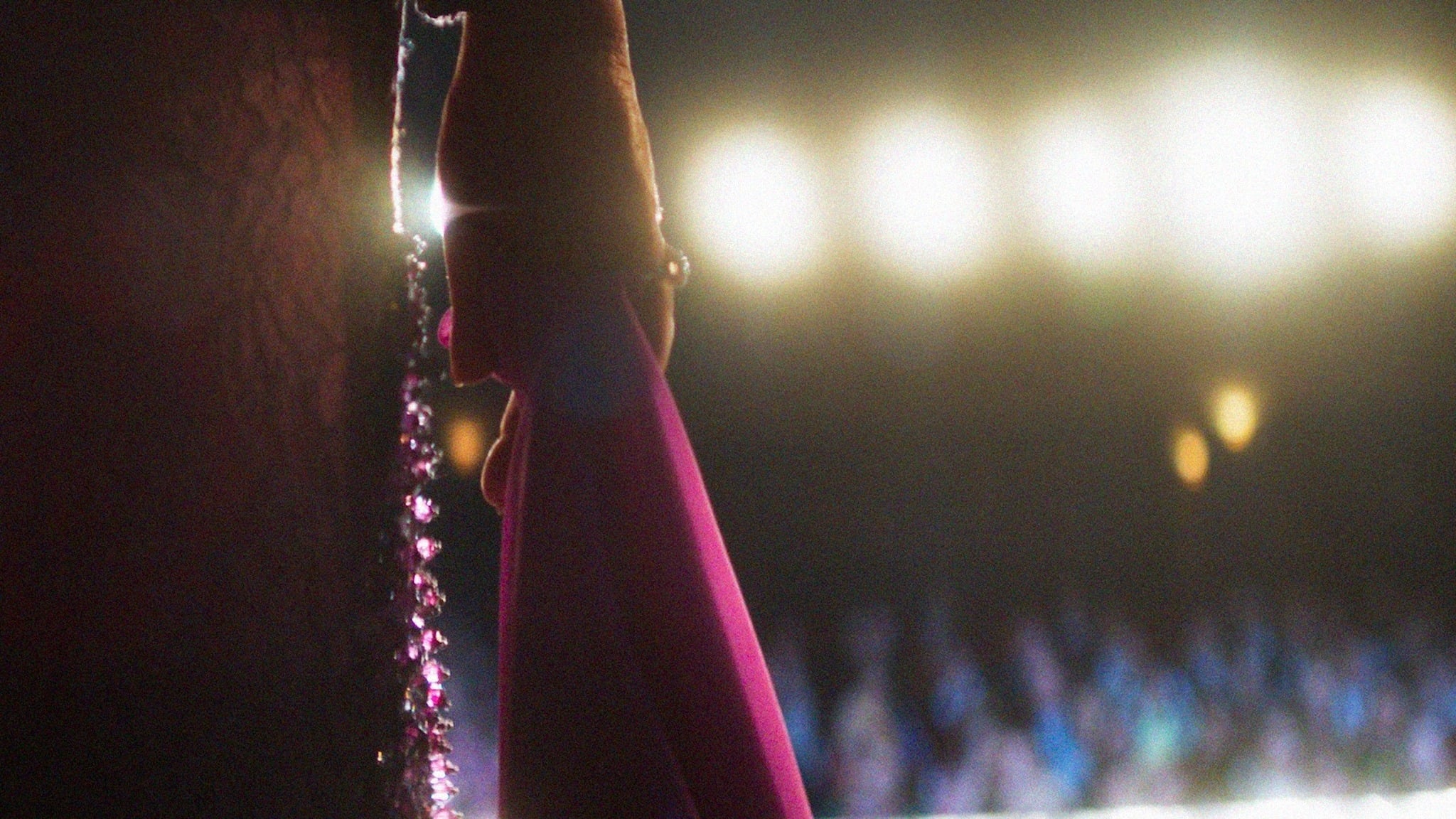
In 1967, Egypt (and other Arab nations) was defeated by Israel in “The Six-Day War”. All Arabs were broken and shocked by that defeat, for the defeat itself and what it revealed to them about themselves and their leaders. Um Kalthoum, by then Egypt’s most important singer, a legend so big that she was already being called “The Planet of the East”, that peasants would travel hundreds of miles just to hear her sing, that all Egyptians would unite around the radio listening to her concerts like Americans did with David Letterman, decided to boost the morale of the people, and collect money for the Egyptian military.
The plan? A nationwide tour that then extended to various nations in the Middle East, culminating in a historic concert at Paris’ L’Olympia. (The film combines footage from this period into one concert for simplicity and grandeur.) The audience was truly international and passionate: rows of people in front of the theatre, calls for her name like a military march or a battle cry, and political protesters calling for a Free Palestine, with international, European, and Jewish audiences present.
Perhaps there was no better way to open a film about Um Kalthoum, it's a strong, hype-inducing introduction for a legend at the height of her national and international relevance. The only possible opening for a film produced by Turki Al-Sheikh (The Man behind “Riyadh Season”) and Tamer Morsy (The Man behind every Egyptian propaganda show and film post 2014), written by Ahmed Mourad (who just wrote the script for the opening ceremony for the Grand Egyptian Museum), scored by Hesham Nazih (The 2-time-MCU composer, who in Egypt became the default composer for anything “grand”, from movie blockbusters to political events) and directed by Marwan Hamed (Basically Middle East’s James Cameron or Nolan).
This is the only way this group of people would have opened such a film, and it's an opening sequence of biblical proportions that works as a love letter to an artistic legend.
But also, it's the same opening that recent popular retellings of her story used, like the very popular El-Daheeh’s episode (Think of El-Daheeh like Egypt's kurzgesagt or Vsauce), an episode that was based on the book “Um Kalthoum and the years of war effort” by Karim Gamal, a book that also had the L'Olympia concerts as its opening. (Last year the two concerts were adapted into a French graphic novel, “Oum Kalthoum, The Secret weapon of Nasser” by Martine Lagardette and Farid Boudjellal)
Moreover, it's a tired opening to musical biopics in general that “Walk Hard” made fun of in 2007.
The following two and a half hours are… A lot to talk about and dissect, a barrage of non-linear narrative and plot threads that made many people call the film “unfocused” and “disjointed”. But before responding to that claim, let's talk about the style.