

Annemarie Jacir Finds the Joy amidst the Struggle in Palestine 36
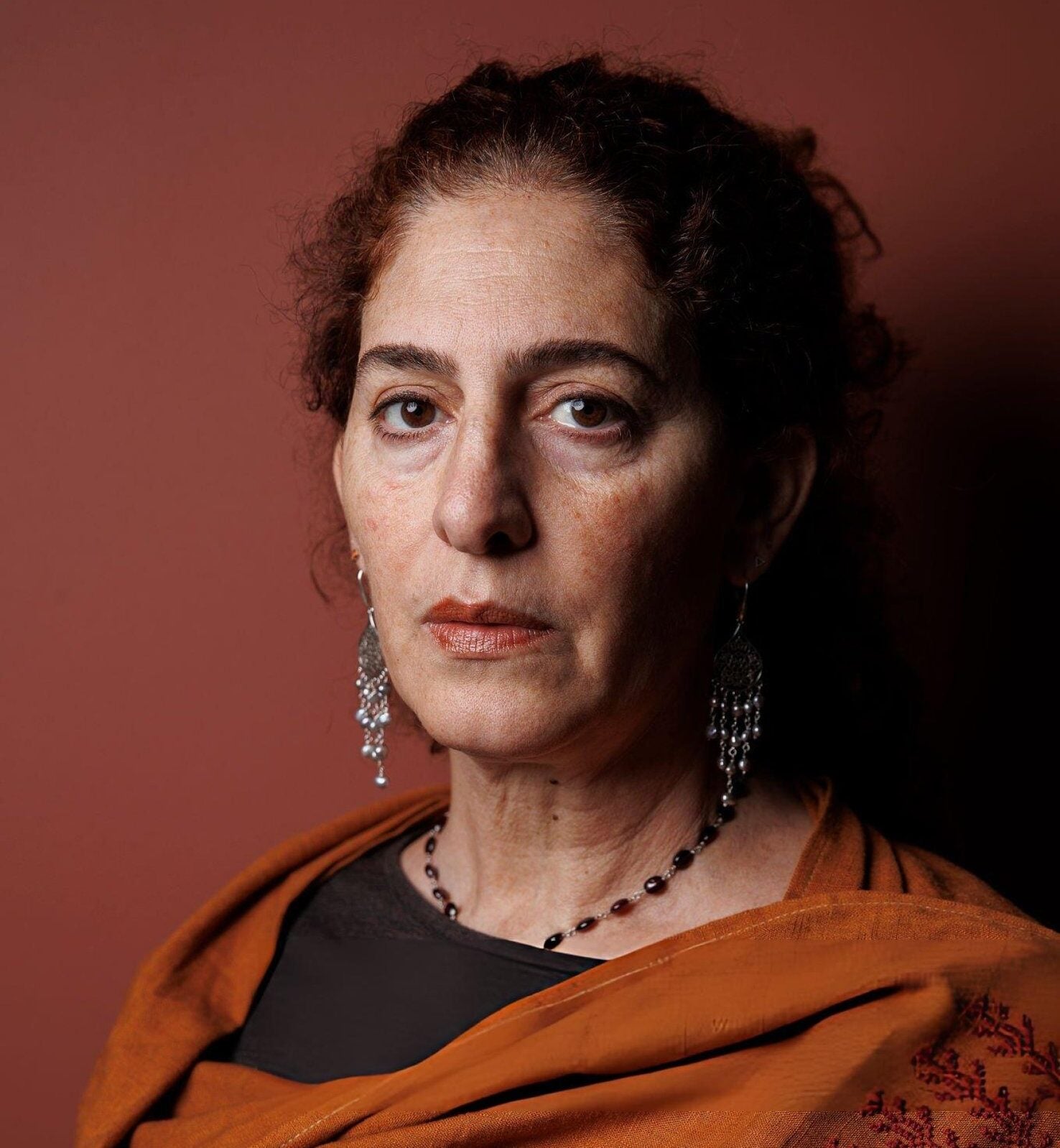
Annemarie Jacir immediately relaxes the moment I break the ice in Arabic. For both of us, this interview comes after a long period away from home, and because of that connection between us, the conversation quickly sheds any formality. By the time we start talking about Palestine 36, it feels less like an interview and more like a conversation on the nuances and humor that sustain life in the Middle East, a levity Jacir herself says Palestinians hold onto amid struggle. We spoke on the morning of October 17, the day of the London Film Festival premiere of Palestine 36, just a week after a ceasefire was agreed upon in Gaza and only two days before it was seriously violated.
The timing of our conversation could hardly have been more poignant. In this interview, Jacir reflects on the making of her new film, its UK release and festival screenings, and the ways joy can persist even in the midst of pain.
FARAH SADEK: When I posted about this film, many people who are very pro-Palestinian said things like, “I didn’t know that happened,” or “I didn’t realize that part of history.” What do you think audiences were most surprised to learn from the film?
ANNEMARIE JACIR: People were surprised that the British were in Palestine and that they were the ones who really started all of this. Somehow, that part of history has been erased from mainstream awareness. Along with the French, they chopped up our entire region, and so much of what we’re dealing with today is a direct result of that.
SADEK: Of course, during this year’s London Film Festival, there’s a range of Palestinian films being shown. What do you think about that happening now?
JACIR: I think it’s great, but still not enough. It’s never enough. There are so many Palestinian filmmakers working across fiction, non-fiction, experimental, and animation yet we’re still underrepresented at major international festivals.
SADEK: How did you make sure to include Palestinian joy in the film, alongside the struggle?
JACIR: Joy is a big part of our resistance and survival. We fight for life because so much is taken from us every day, so we hold tightly to laughter and to each other. When we were shooting in Palestine, the cinematographer said, “It’s so hard here, yet you’re all laughing and so kind to one another. I’ve never seen anything like it.” For us, that’s survival, but it’s also simply who we are. It’s woven into our stories, our films, our daily lives. Our humor is dark, cynical, and deeply rooted in the absurdity of what we live through, but it’s ours, and it keeps us alive.
SADEK: Can you walk me through how much of the film was actually shot on location in Palestine? Was it all filmed there?